Category Archives: Sharing the Good with Dr. Denise Ball
Fellowship, Conversation, and the Joy of Serving Middle School Students & Families

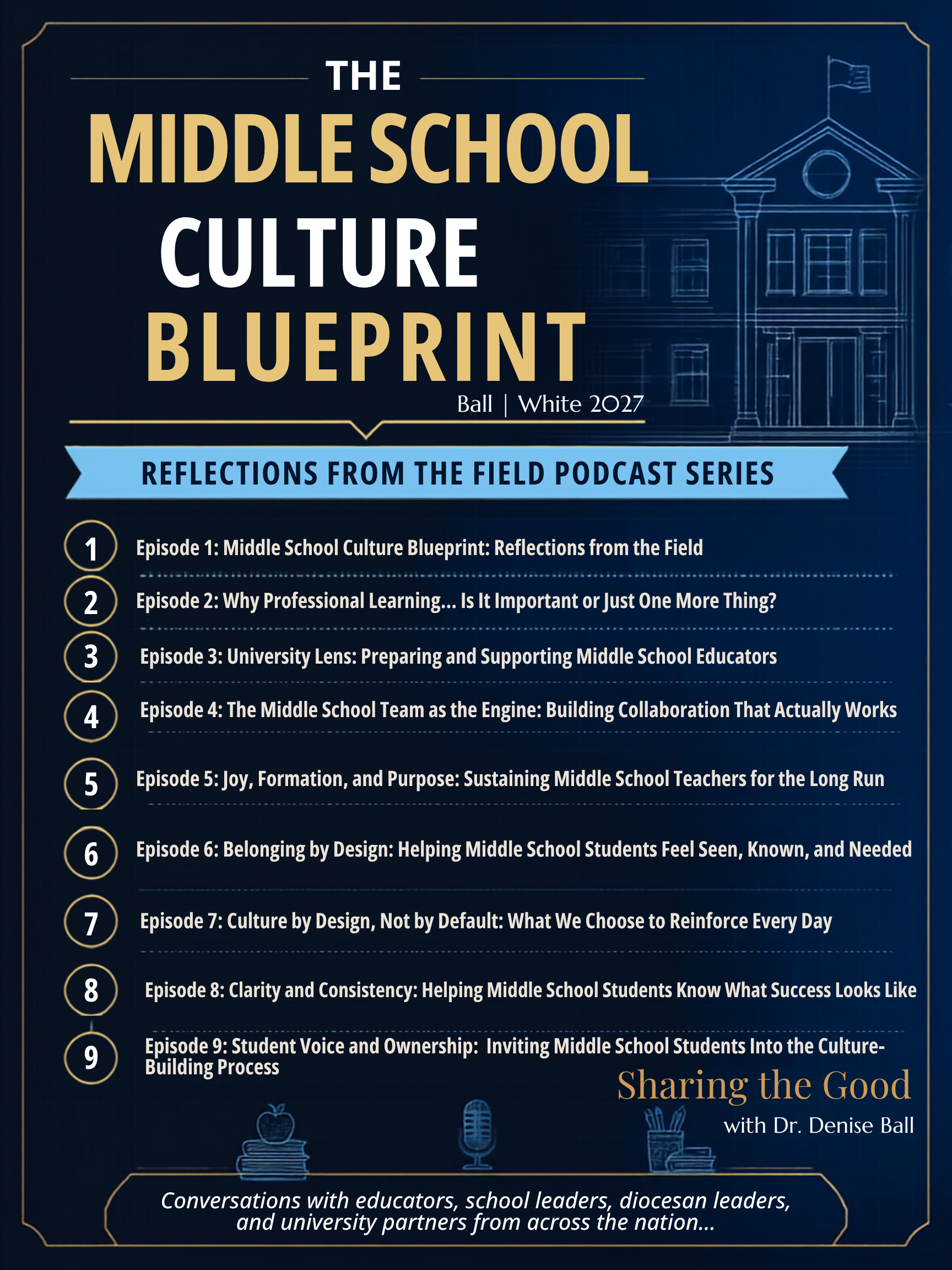
The Middle School Culture Blueprint series-Episode 1

One of the unexpected gifts of this season has been the opportunity to gather Catholic educators and leaders from across the nation in meaningful conversation. As Dr. LaTonya White and I continue our work on The Middle School Culture Blueprint, I have been provided a good opportunity to reflect on and be reminded that some of the most powerful professional learning happens when educators come together in fellowship, share what they are seeing in the field, and reflect honestly on what students and teachers need most. There is something deeply hopeful about bringing people together who serve in different schools and dioceses, yet carry the same commitment to helping students feel seen, supported, and loved.

The middle school years are so unique. Students are navigating understanding themselves, belonging, friendship, independence, emotion, peer pressure, and academic growth, often all in the same day. Those who serve middle school students understand that this work requires patience, humor, flexibility, structure, compassion, and joy. It also requires intentionality. What we do at the school level is so important. How we welcome teachers back, how we build routines, how we create opportunities for student voice, how we communicate with families, and how we support one another as teams all help shape the culture students experience.

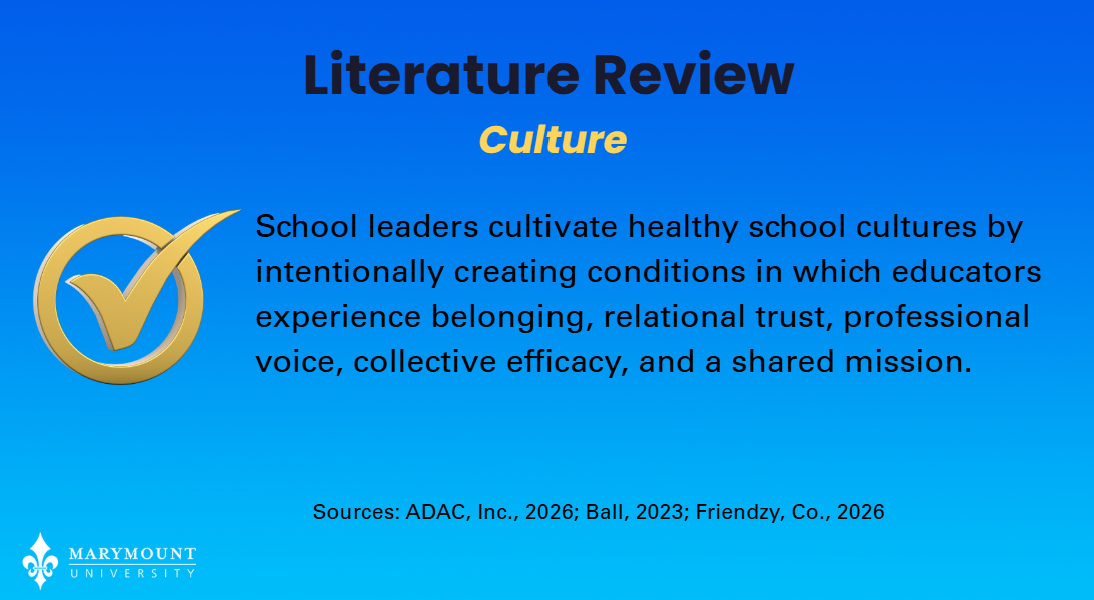
This is why I am so grateful for the educators and leaders who have said yes to engaging in this conversation. They are not coming together to offer perfect answers. They are coming together to share reflections from the field, practical strategies, lived experience, and wisdom rooted in service. These conversations are supported by the literature that school culture is not built only through programs or plans. It is built in the daily interactions, team meetings, hallway moments, classroom routines, and faithful decisions made by educators who care deeply about the students placed before them.

Pulling educators together to share ideas is, quite honestly, fun. It is also cultivating joy in my own life. To listen to teachers and leaders speak with such love for their students, their colleagues, and Catholic education is a reminder that good is happening every day in our schools.

https://youtu.be/uMM1O_6Ygq8

When we create space for fellowship and conversation, we strengthen one another.

Fellowship reminds us that we are not doing this work alone. It is also a wonderful way to see how much wisdom already exists within the people serving on our campuses and in our diocesan communities.

I hope this work encourages school leaders to create similar spaces on their own campuses. Before the year begins, make time not only for logistics, but also for fellowship and table talk.

Invite teachers to reflect on what students need most. Ask teams what they want students to experience consistently across classrooms. Create room for laughter, honest conversation, prayer, and planning. When educators are given time to connect as people before they plan as professionals, the culture of the school is already being strengthened.

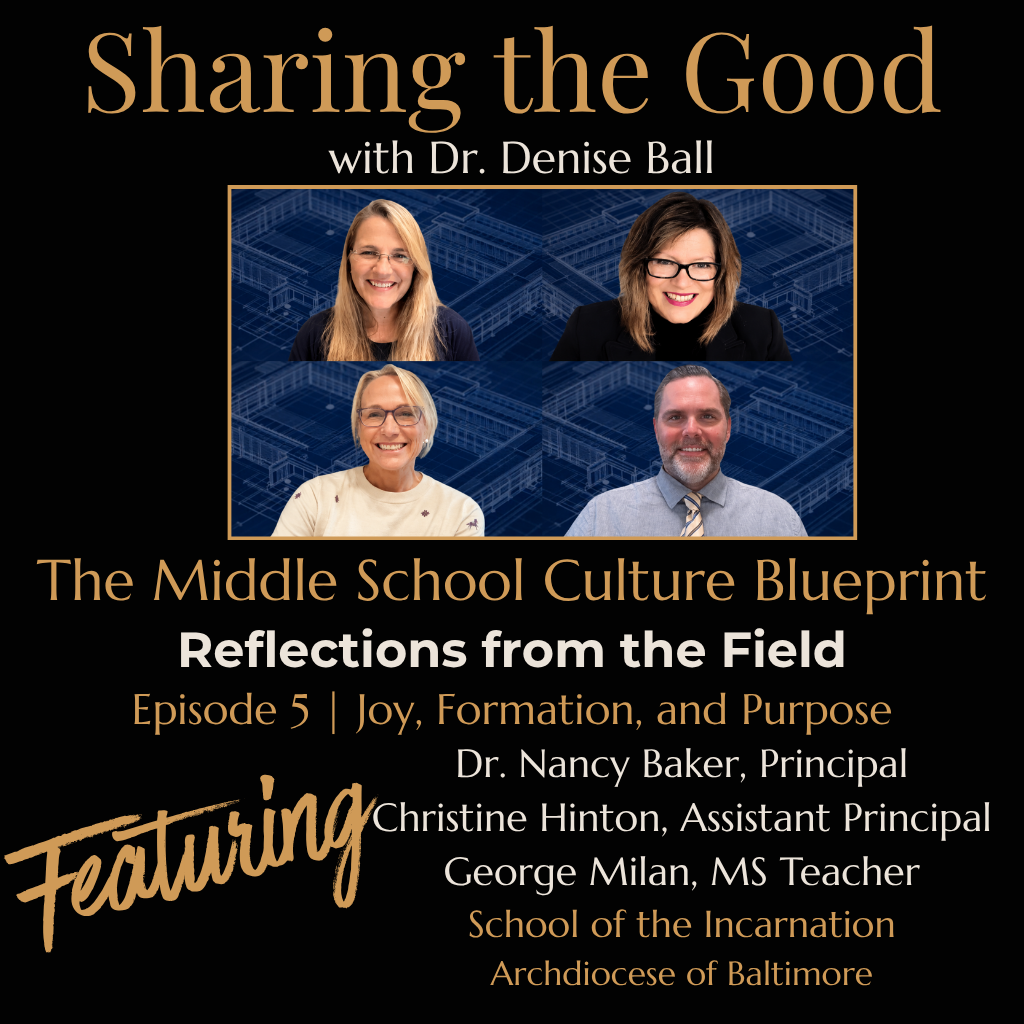
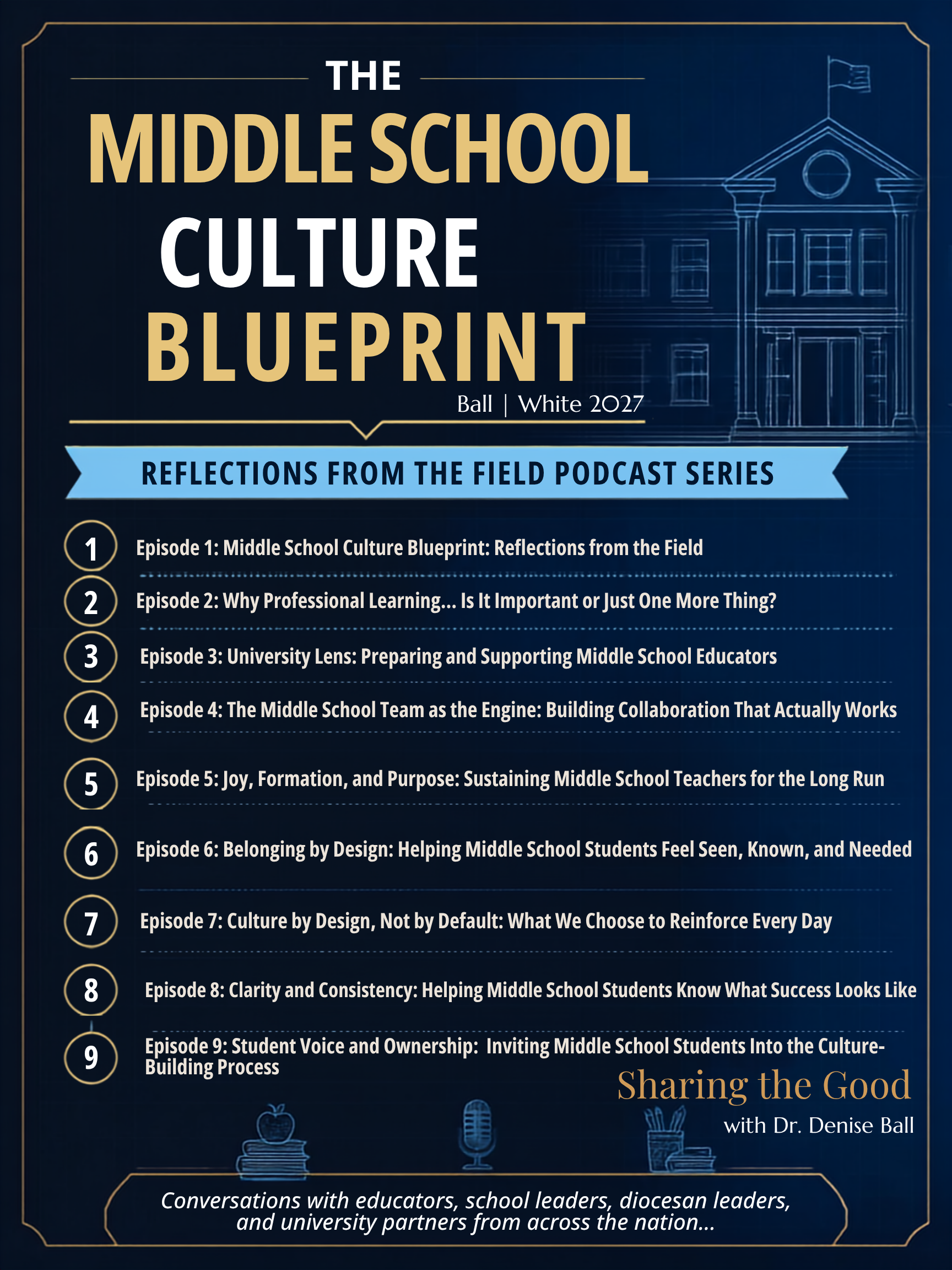
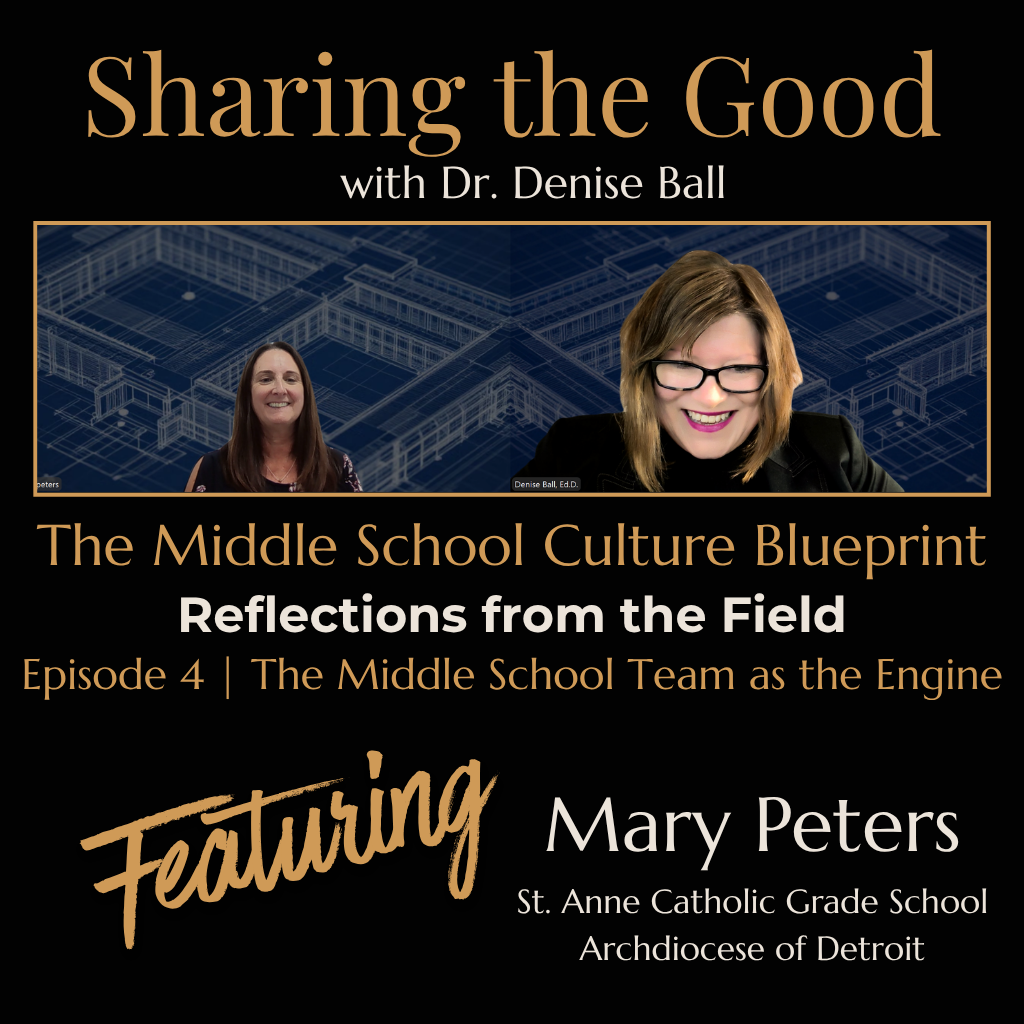
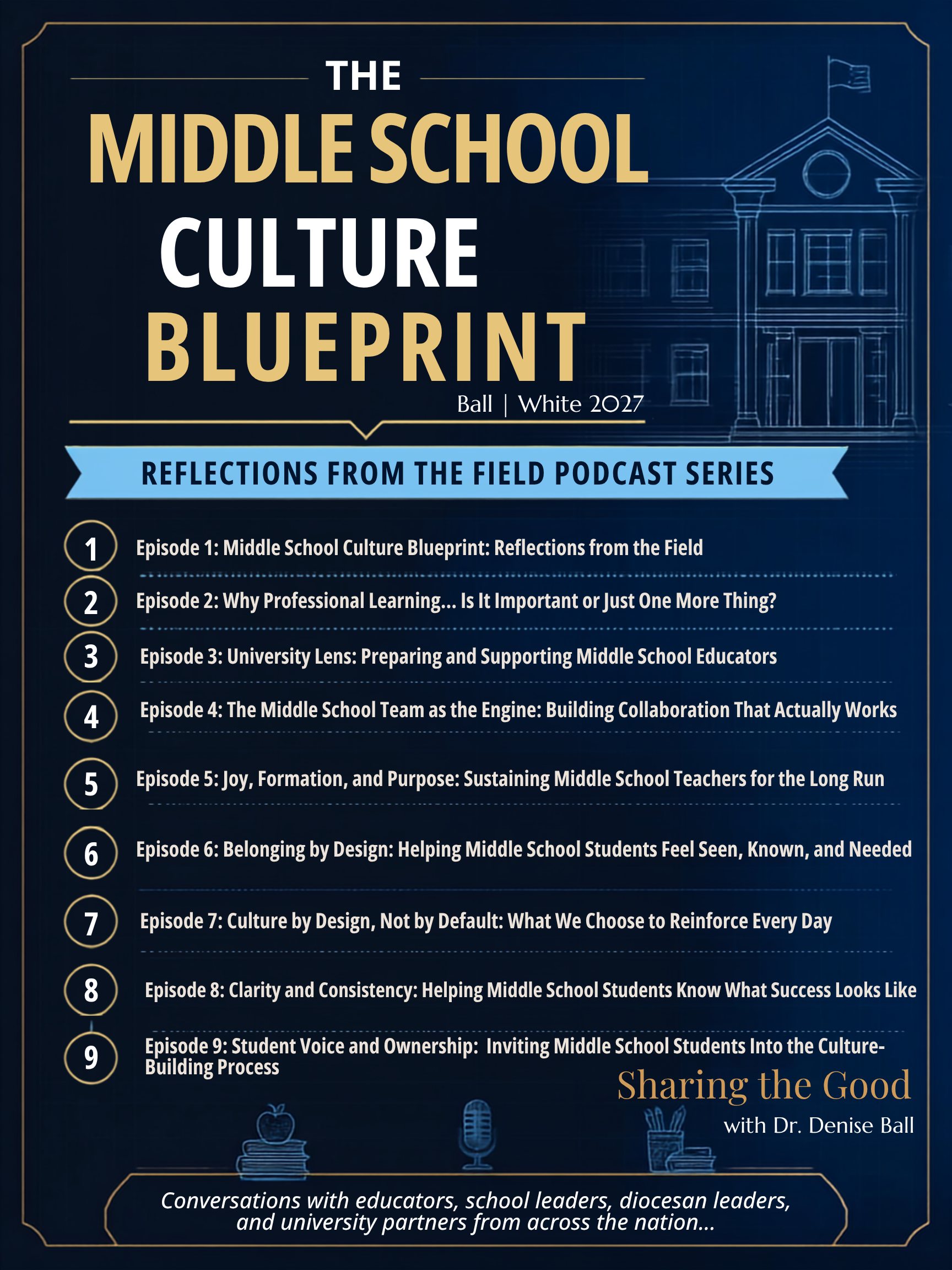
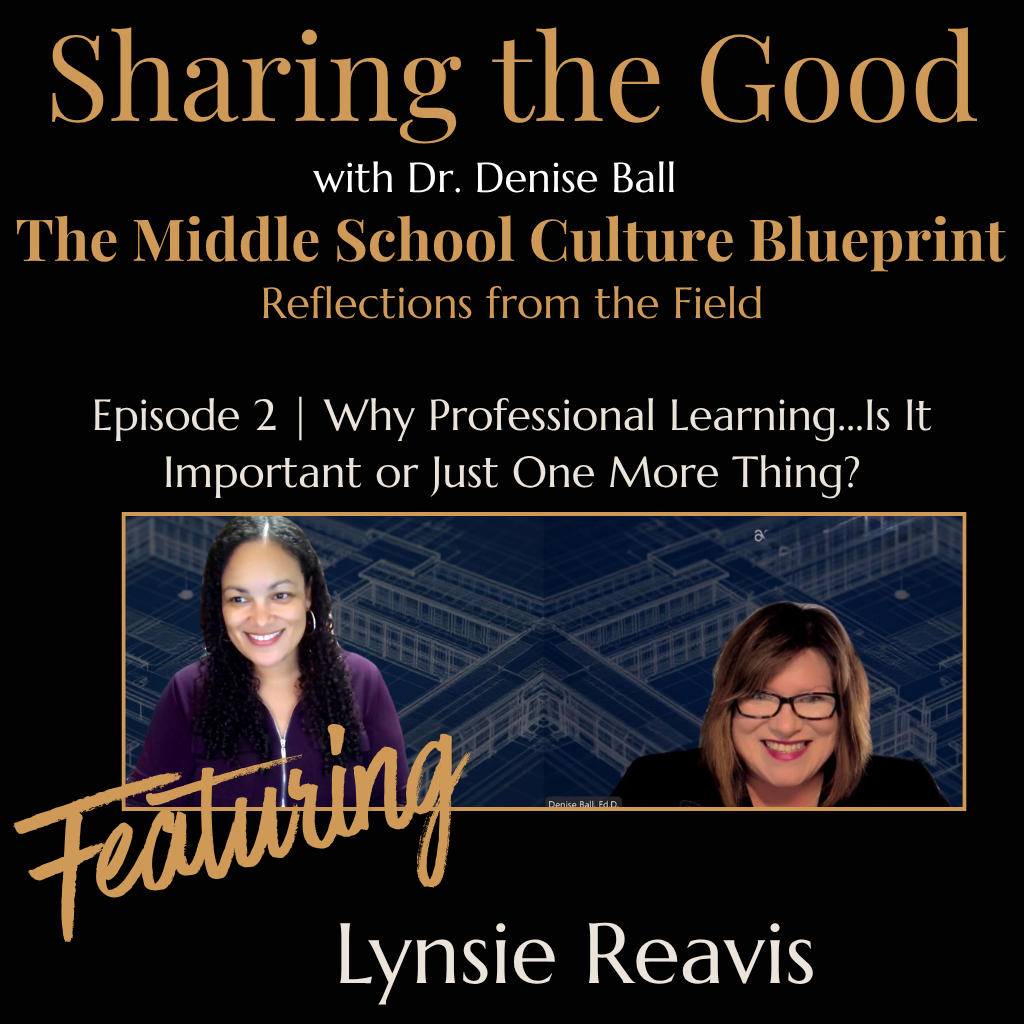
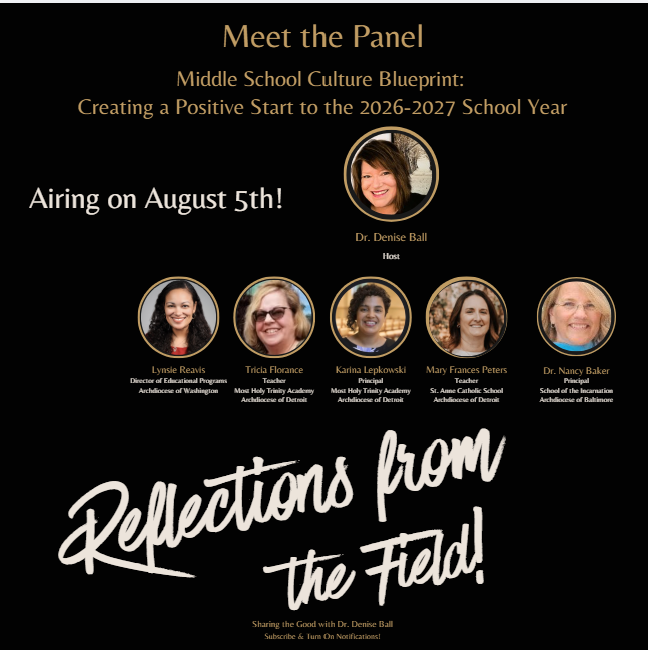
I am grateful to host this important conversation in Episode 1 of Middle School Culture Blueprint: Reflections from the Field: Creating a Positive Start to the 2026–2027 School Year. It is a privilege to welcome Dr. Nancy Baker, Mary Peters, Lynsie Reavis, Karina Lepkowski, and Tricia Florance as we reflect together on practical ways to support middle school teachers, students, families, and leaders. May these conversations continue to help us notice, name, and share the good happening in Catholic education.

You can also listen to these conversations anywhere you enjoy your podcasts.

May we continue to seek knowledge in all things,

Denise

Leave a comment

Filed under Educational Resources, The Middle School Culture Blueprint -Episode 1

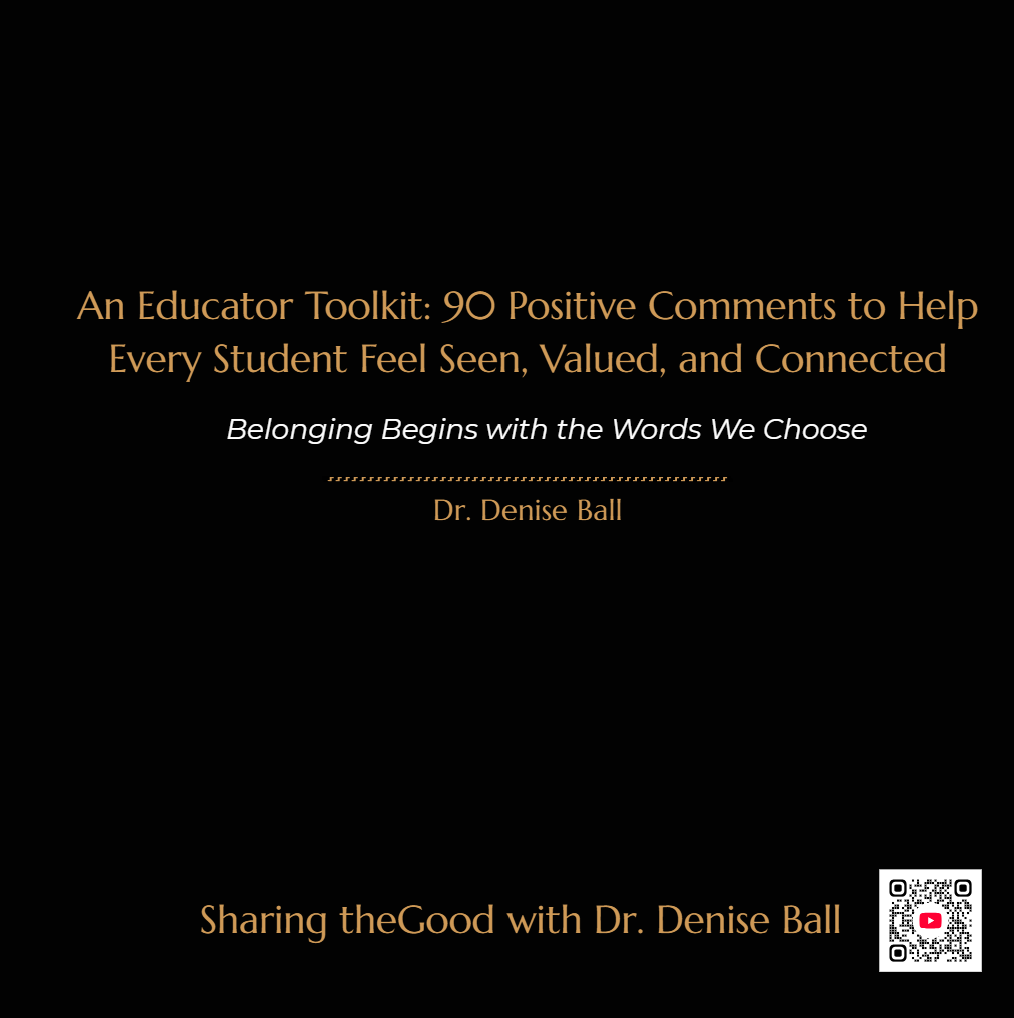
An Educator Toolkit: 90 Positive Comments to Help Every Student Feel Seen, Valued, and Connected

Belonging Begins with the Words We Choose

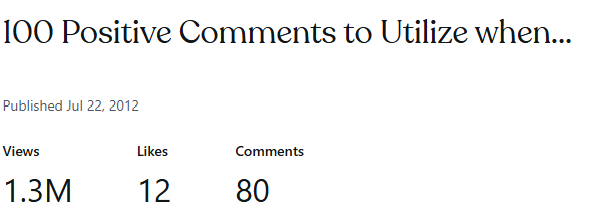
Since 2012, I have shared resources via this Unlock the Teacher blog focusing on positive comments, praise, and how to create positive classroom environments with a reminder that words matter! Since that time, these posts have received more than 1.3 million views. This continued reach has reinforced something I have believed throughout my years in education, that teachers and school leaders are searching for practical language that helps them recognize the good in students.

Positive words can encourage students and strengthen relationships. Yet, as our understanding of school culture continues to grow, we are also invited to think more deeply about the messages our words communicate.

Our comments can do more than acknowledge appropriate behavior, completed work, or academic performance. They can communicate:

  • I see you.
  • I value your ideas.
  • Your voice matters.
  • You are capable of growth.
  • You are an important member of this community.
  • You belong here.

School connectedness exists when students believe that the adults and peers in their school care about them as individuals and care about their learning. This sense of being valued, supported, and included is associated with stronger engagement, attendance, academic outcomes, and overall well-being.

Relationships are not built only through large programs or special events. They are shaped through daily interactions: the greeting at the classroom door, the response to a student’s question, the note written on an assignment, the conversation following a mistake, and the words chosen when a student takes a risk.

Research on relationship-centered classrooms emphasizes the importance of authentic affirmation, active listening, student agency, and opportunities for young people to know that their voices are taken seriously.

Student voice is more than allowing students to speak. It includes providing meaningful opportunities for them to influence their learning, make choices, offer feedback, participate in decisions, and see that their contributions can lead to action.

This updated educator toolkit offers 90 positive comments organized around nine dimensions of belonging. The statements can be adapted for:

  • Daily classroom conversations
  • Written feedback
  • Student conferences
  • Report cards and progress reports
  • Notes or messages sent home
  • Family conferences
  • Advisory periods
  • Morning meetings
  • Restorative conversations
  • Celebrations of student growth

These comments are not intended to become generic scripts or empty praise. They are starting points. The most powerful affirmations are sincere, specific, timely, and connected to something an educator has genuinely noticed.

1. Welcoming Every Student

  1. I am glad you are here today.
  2. Your presence adds something important to our classroom.
  3. You are an important member of this learning community.
  4. There is a place for your ideas in this classroom.
  5. I appreciate the energy you brought into the room today.
  6. I noticed that you came in ready to participate and contribute.
  7. Your experiences help our class learn and grow.
  8. You do not have to know every answer to belong in this classroom.
  9. Thank you for bringing your ideas, interests, and questions with you.
  10. Our classroom community is stronger because you are part of it.

2. Recognizing Identity and Voice

  1. Your perspective helped us see this topic differently.
  2. Thank you for sharing an idea that was important to you.
  3. You expressed your thinking with honesty and confidence.
  4. Your experiences give you insights that can help others learn.
  5. I appreciate how clearly you explained the reasoning behind your opinion.
  6. You asked us to consider something we had not discussed before.
  7. Your voice helped shape the direction of our conversation.
  8. You found a meaningful way to communicate your ideas.
  9. You advocated for yourself respectfully and clearly.
  10. Your contribution showed that there can be more than one valuable way to understand a topic.

3. Encouraging Effort and Growth

  1. I can see the growth you have made since you began this work.
  2. You used feedback to strengthen your thinking.
  3. You tried a new strategy when your first approach did not work.
  4. You asked for the support you needed to move forward.
  5. You stayed engaged even when the work became challenging.
  6. You set a goal and took meaningful steps toward reaching it.
  7. You are learning how to recognize which strategies work best for you.
  8. You took ownership of your learning today.
  9. You made a thoughtful choice about how to improve your work.
  10. Your progress shows what can happen when you remain open to learning.

4. Affirming Curiosity and Courage

  1. Your question helped deepen our learning.
  2. You were willing to say that you did not understand, and that took courage.
  3. You respectfully challenged an idea and encouraged us to think more carefully.
  4. You took an academic risk by sharing your thinking before you were certain that you for trusting our class.
  5. You followed your curiosity and discovered something new.
  6. You explored more than one possible answer.
  7. You made a connection that helped bring this concept to life.
  8. You were open to revising your thinking when you encountered new information.
  9. You asked for evidence instead of simply accepting an answer.
  10. Your curiosity helped make today’s learning more meaningful for everyone.

5. Strengthening Collaboration

  1. You made room for another person’s voice.
  2. You listened to understand, not simply to respond.
  3. You built upon a classmate’s idea in a respectful way.
  4. You helped your group identify a path forward.
  5. You disagreed respectfully while remaining open to another perspective.
  6. You asked a question that encouraged someone else to participate.
  7. You used your strengths to support the work of the group.
  8. You accepted responsibility for your part of the team’s work.
  9. You noticed when the group needed encouragement and offered it.
  10. You helped your team move forward without taking over the work.

6. Recognizing Kindness and Care

  1. You noticed that someone needed support and chose to help.
  2. The care you showed helped another person feel valued.
  3. You included someone who might otherwise have felt left out.
  4. You treated another person’s ideas with dignity and respect.
  5. You chose kindness even when the situation was difficult.
  6. You helped create a space where someone felt comfortable asking a question.
  7. You offered a sincere apology and worked to repair the relationship.
  8. You celebrated someone else’s success without taking attention away from them.
  9. Your words helped another person feel encouraged.
  10. You showed empathy by trying to understand how someone else might be feeling.

7. Building Responsibility and Trust

  1. I can depend on you to follow through on your commitments.
  2. You completed the responsibility you accepted.
  3. You made a responsible choice, even when no one was reminding you.
  4. You used your time in a way that supported your learning.
  5. You took care of our shared space and materials.
  6. You were honest about what happened and helped us find a solution.
  7. You recognized when you needed assistance and asked for it.
  8. You accepted responsibility for your choice without blaming someone else.
  9. You came prepared and ready to contribute.
  10. You used your independence while also knowing when to seek guidance.

8. Supporting Resilience and Reflection

  1. You paused to think before deciding what to do next.
  2. You did not allow one difficult moment to define the rest of your day.
  3. You changed your approach when you realized something was not working.
  4. You identified what you needed in order to begin again.
  5. You recognized a challenge and made a plan for addressing it.
  6. You gave yourself time to learn instead of expecting immediate perfection.
  7. You used a mistake as information for your next step.
  8. You returned to the work after feeling frustrated.
  9. You were patient with yourself while learning something new.
  10. You reflected honestly on your choices and identified how you would respond differently next time.

9. Creating Classroom Community

  1. Your actions helped make our classroom more welcoming.
  2. You helped create a space where others felt comfortable participating.
  3. You contributed an idea that improved our classroom community.
  4. You invited others to help make a decision.
  5. You reminded us of the expectations we created together.
  6. You helped our class solve a problem in a fair and respectful way.
  7. You shared a strength or talent that enriched our learning.
  8. You helped us recognize and celebrate someone else’s growth.
  9. You made a choice that supported both your learning and the learning of others.
  10. You showed through your actions that everyone has something meaningful to contribute.

Moving From Praise to Partnership

Positive comments become even more powerful when they invite students to recognize their own growth. Instead of ending the interaction after an affirmation, educators can add a reflective question.

For example:

  • You stayed engaged even when the assignment became difficult. What helped you keep going?
  • You made room for another person’s voice. What did you notice about the group after you did that?
  • You tried a new strategy when the first one did not work. How did you decide what to try next?
  • Your perspective helped us see the topic differently. What gave you the confidence to share it?
  • You advocated for yourself respectfully. How might you use that skill in another situation?

These questions move the conversation from adult approval to student reflection. As an educator, you are identifing something meaningful, and the student is invited to name the choices, strategies, and strengths that contributed to the outcome.

Over time, this approach can help students develop the language to say:

  • I know how I learn.
  • I can make thoughtful choices.
  • I can ask for what I need.
  • I can contribute to my community.
  • I can grow.

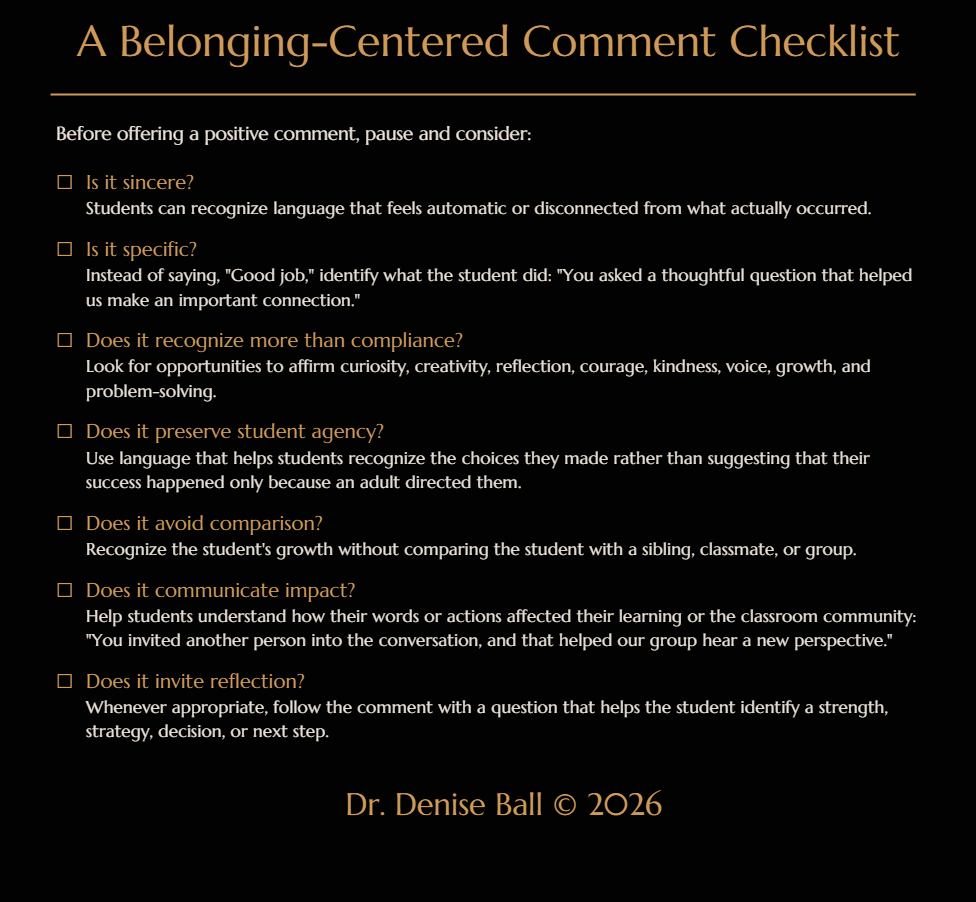
A Belonging-Centered Comment Checklist

Words Help Shape Culture

Positive language does not mean ignoring mistakes, avoiding difficult conversations, or removing accountability. Belonging-centered classrooms maintain clear expectations while communicating that a student’s mistake does not remove the student from the community.

Students need to hear more than what they should stop doing. They also need language that helps them understand what they are doing well, how they are growing, how their choices affect others, and how they can contribute.

There will always be a need to redirect behavior, offer correction, and establish boundaries. The question is whether students also hear:

-I believe you can make a different choice.

-You are still an important member of this community.

-Let us think together about what happened.

-What do you need to move forward?

-How can you help repair the situation?

-I am here to help you begin again.

The language educators use becomes part of the environment students experience each day. A carefully chosen comment may appear to be a small gesture, but to a student, it can communicate something much larger:

My teacher sees me. 

My ideas matter.

I am capable.

I have choices.

I can make a difference.

I belong here.

As educators prepare classrooms, develop lessons, establish routines, and welcome students into a new year of learning, may we also prepare the language we will use.

Belonging is strengthened one interaction at a time.

When we train our eyes to see the good, amazing things happen.

May we continue to seek knowledge in all things,

Denise

References and Additional Resources

Ball, D. M. (2012, July 22). 100 positive comments to utilize when referencing student behavior. Unlock the Teacher.

Centers for Disease Control and Prevention. (2024, November 18). School connectedness helps students thrive.

Hernández, L. E., Darling-Hammond, L., & Nielson, N. (2024, November 21). Cultivating relationships in secondary classrooms: Practices that matter. Learning Policy Institute.

Regional Educational Laboratory Pacific. (2025). Including voice in education: Addressing equity through student and family voice in classroom learning. Institute of Education Sciences.

Leave a comment

Filed under Words Have Power

Carrying Wisdom Home from Oxford: Research, Relationships, and the Joy of Learning

From the top of the Oxford Castle mound, I paused to take in the view and reflect on the extraordinary gift of the week.

Oxford Castle

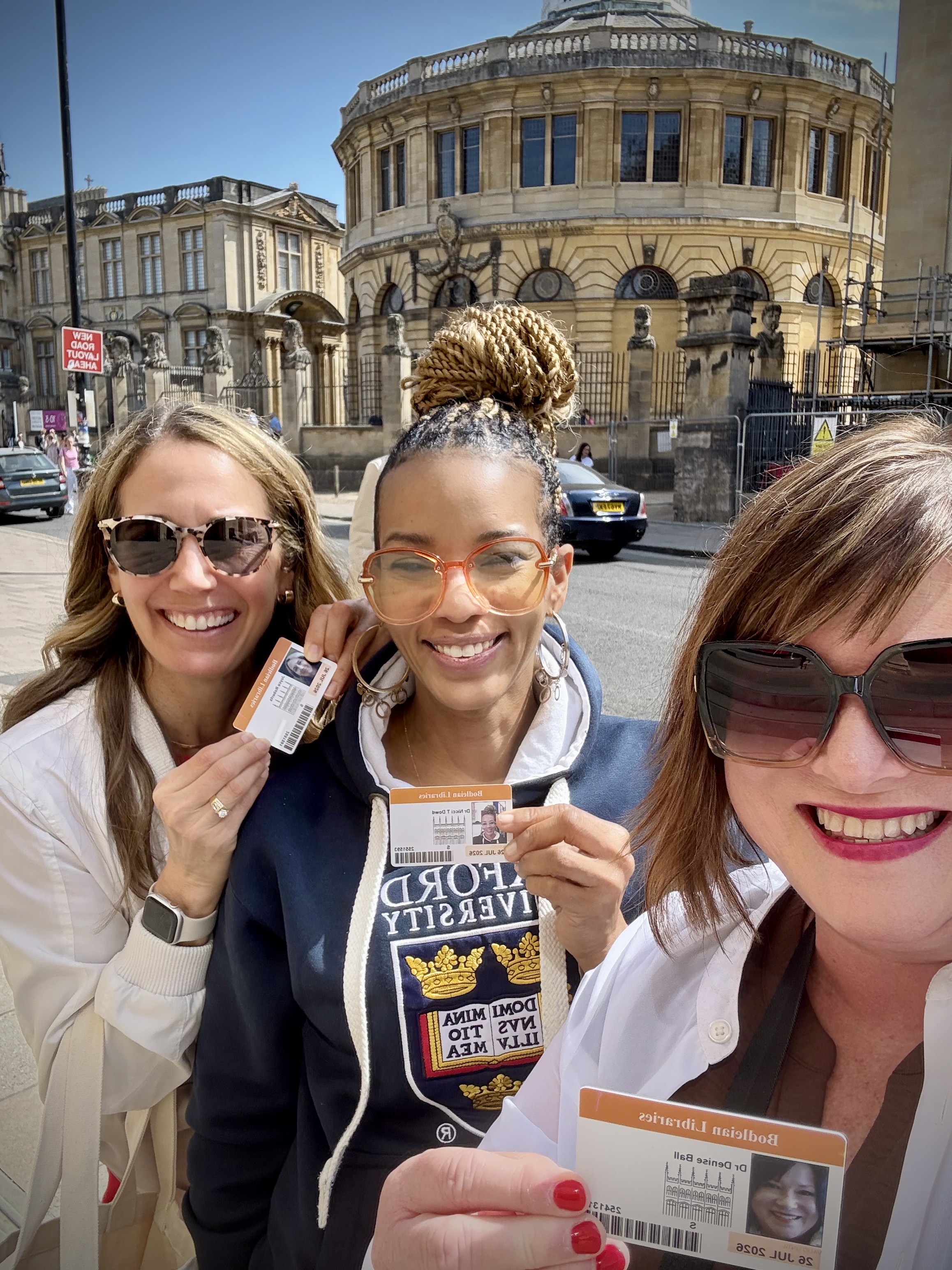
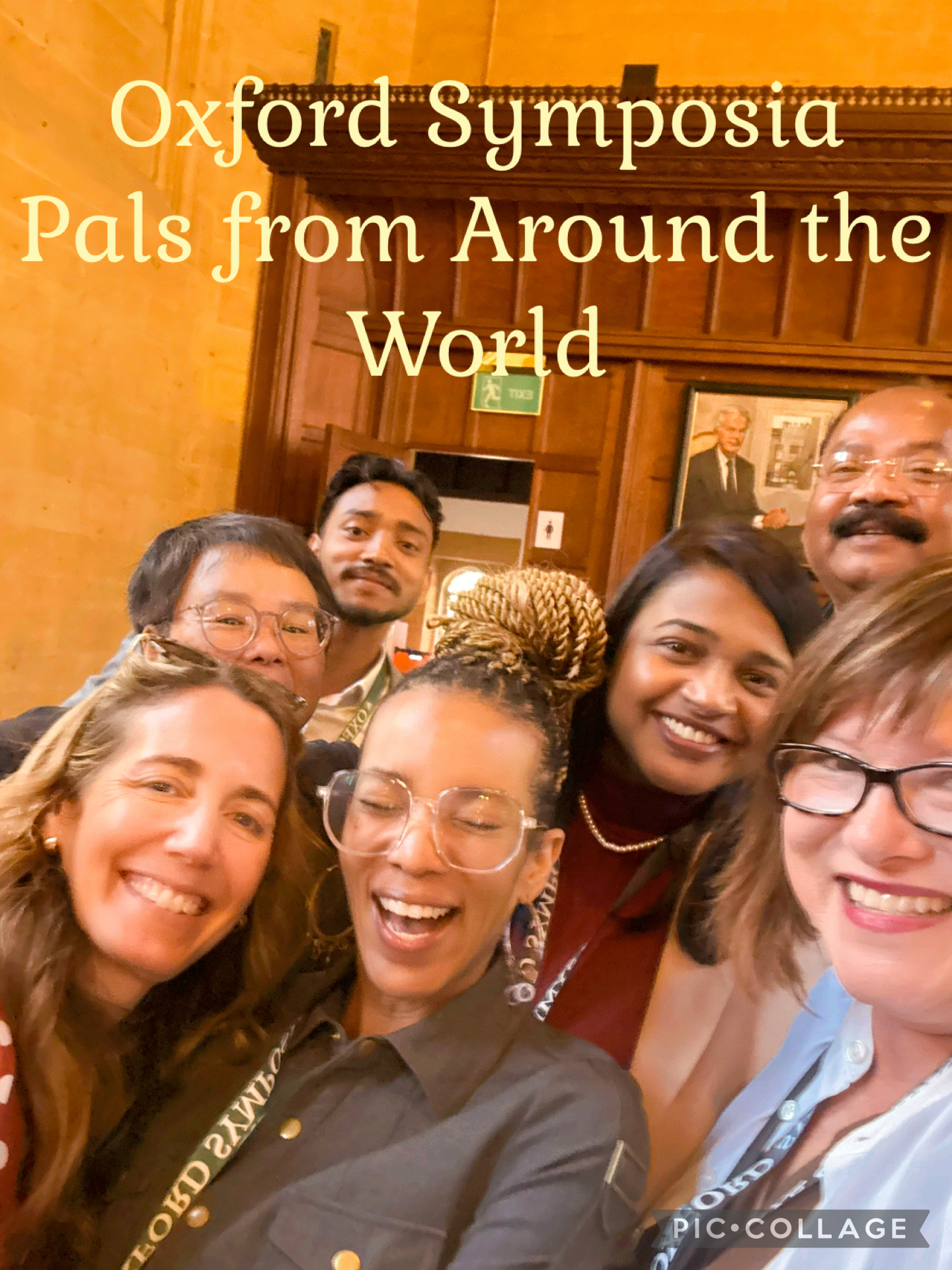
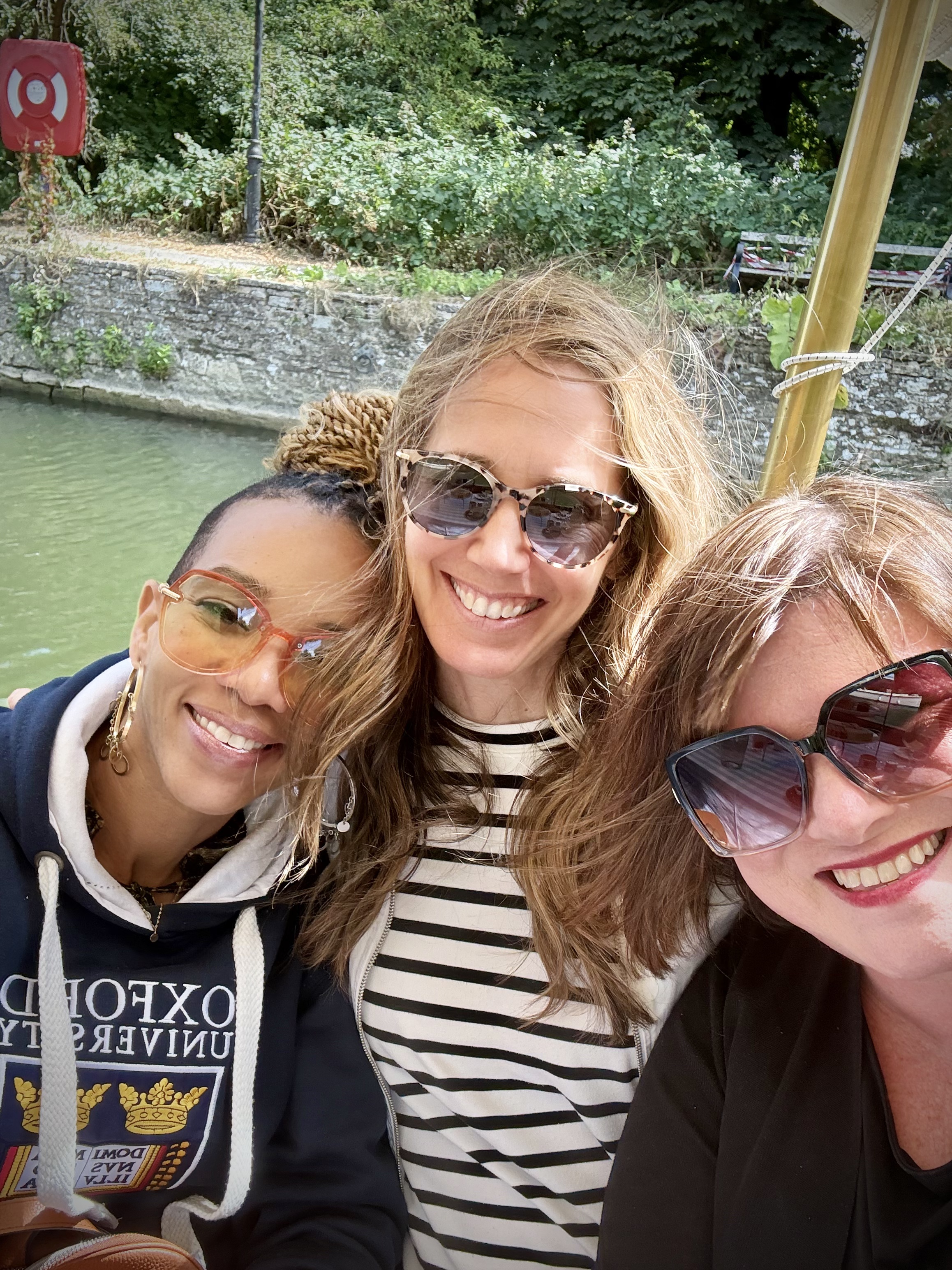
Once again, I had been given the privilege of presenting research at the Oxford Education Research Symposium, surrounded by scholars from across the United States and around the world. To be welcomed into that community as a researcher remains deeply humbling.

Thank you to the Oxford Research 2026 Team who said, “yes” to join me on this journey this year:

Dr. Nicci Dowd, Marymount University;

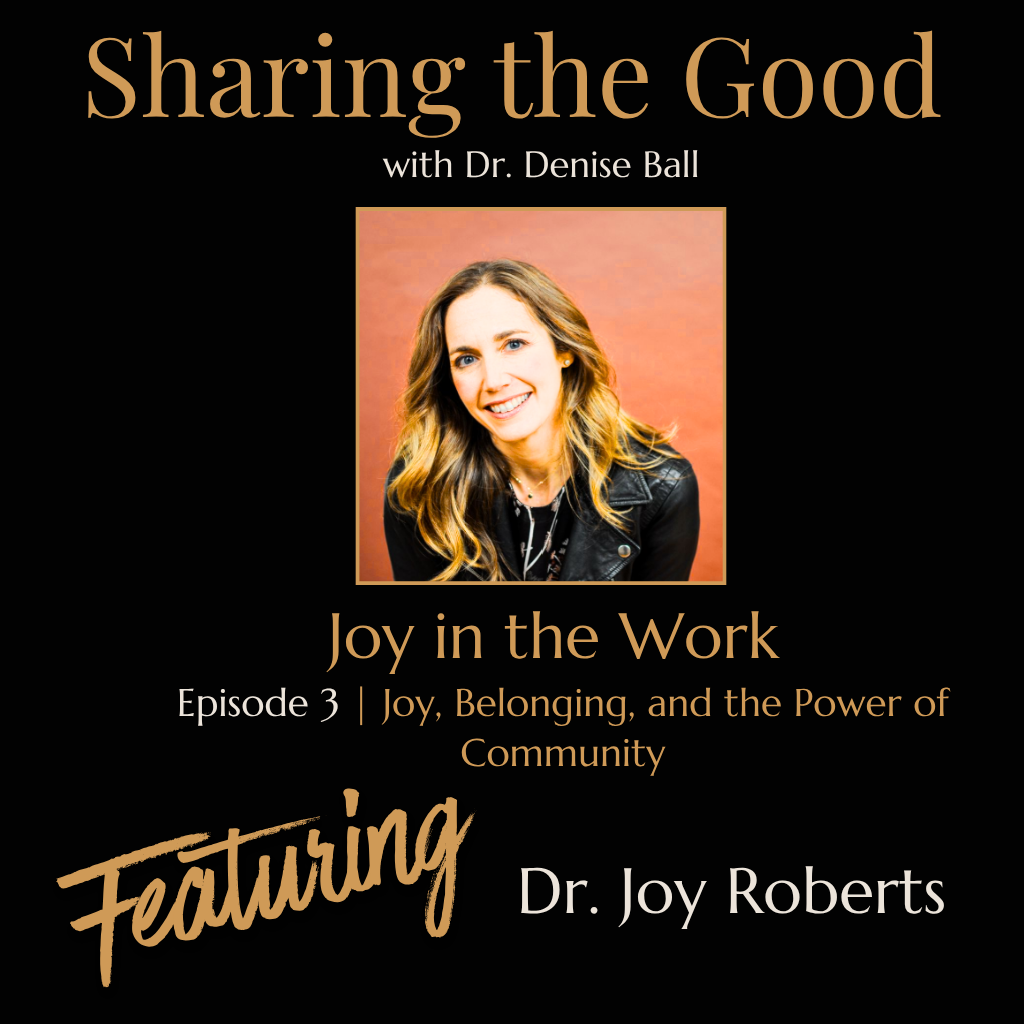
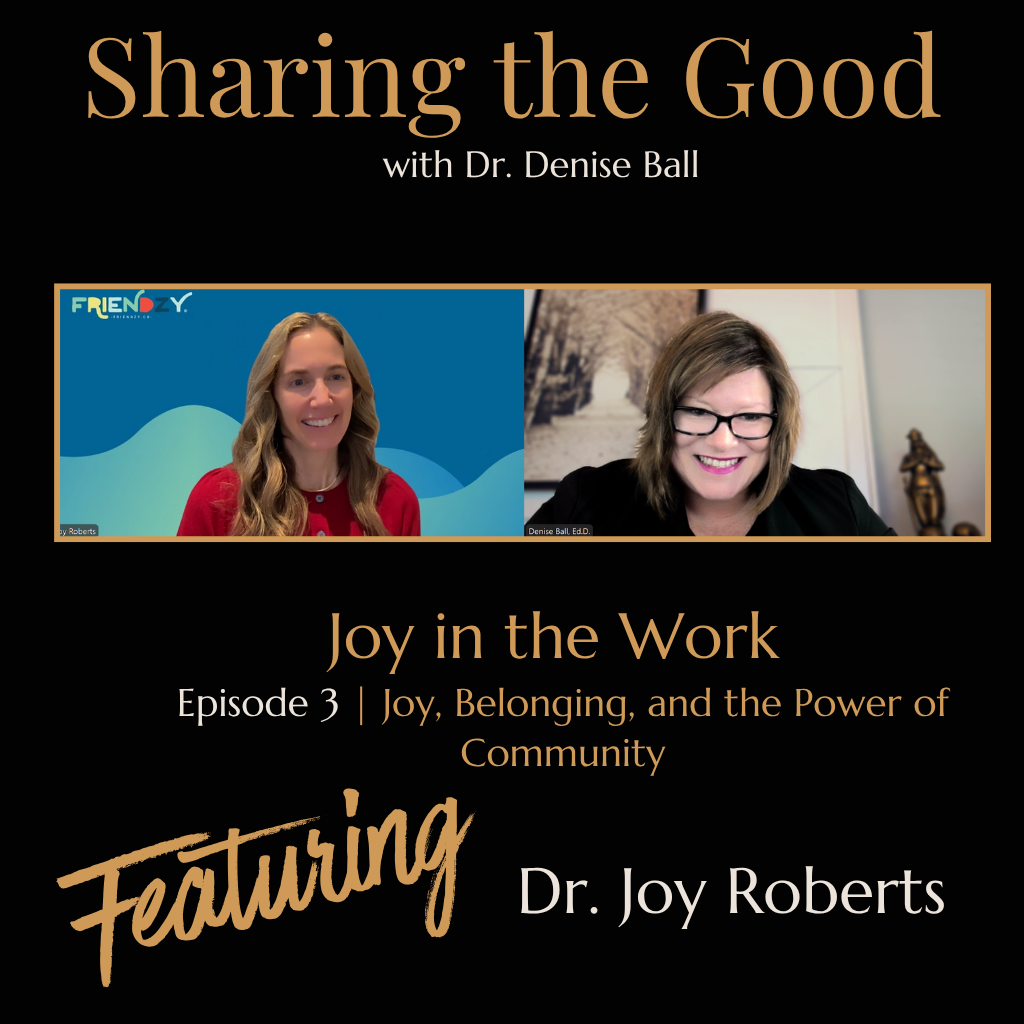
Dr. Joy Roberts, Co-founder of Friendzy. Co;

Dr. Julie Cantillon, Senior Vice President of Professional Learning, ADAC, Inc.;

Noreen Bryan, Chief Communications Officer, NCC, Washington, D.C.; and

Dr. Julie Widman, Co-Founder of Friendzy. Co.

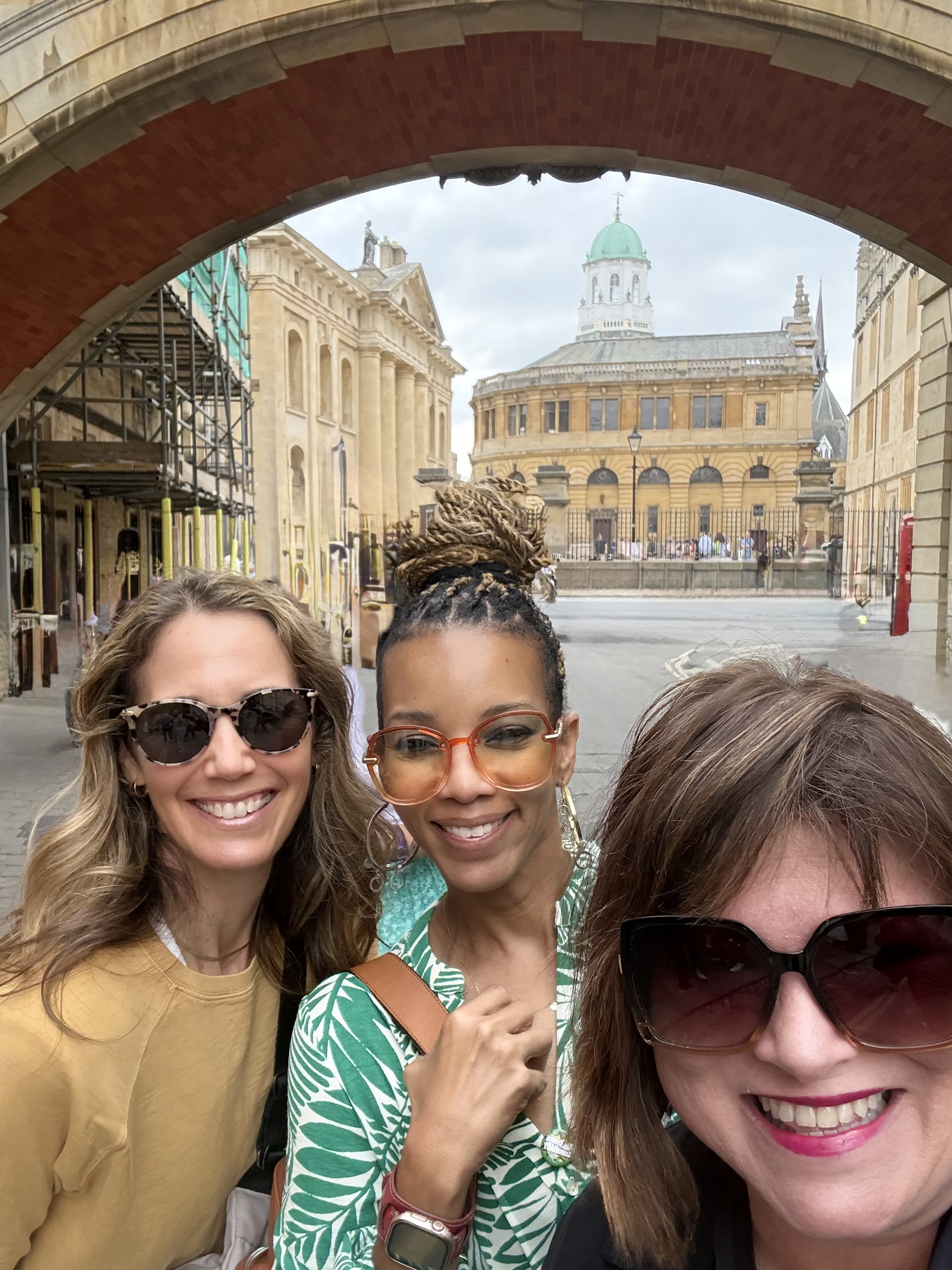
I found myself thinking about the questions that had been raised, the wisdom nuggets I had gathered, and the many scholars whose work challenged me to remain curious. I also reflected on the relationships that had formed through meals, presentations, walks through Oxford, and conversations that continued long after each formal session ended.

We Are Always Learning

Before leaving Oxford, I recorded a short reflection from the Castle mound. I then invited three remarkable scholars to share what they were taking away from the week:

Dr. Nicci Dowd, Assistant Professor at Marymount University

Dr. Joy Roberts, Co-Founder of Friendzy

Dr. Alvera “Ali” H. McMillan, Education Specialist, Louisiana State University

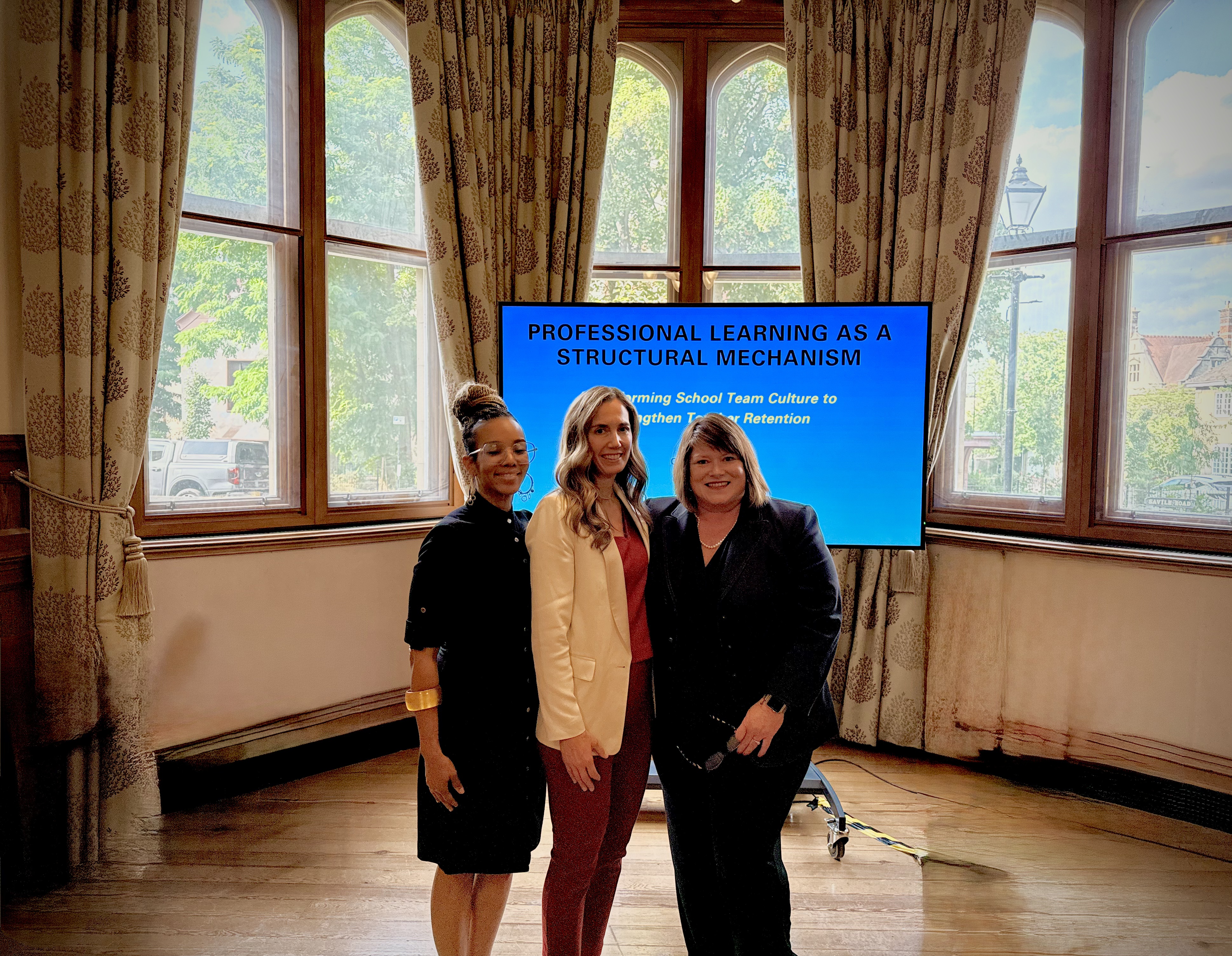
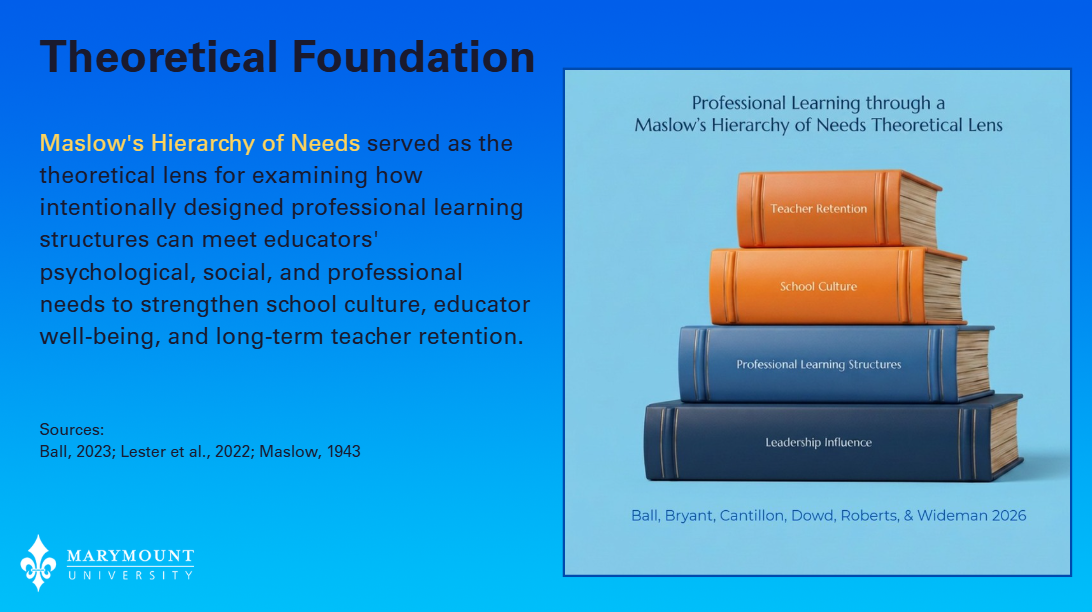
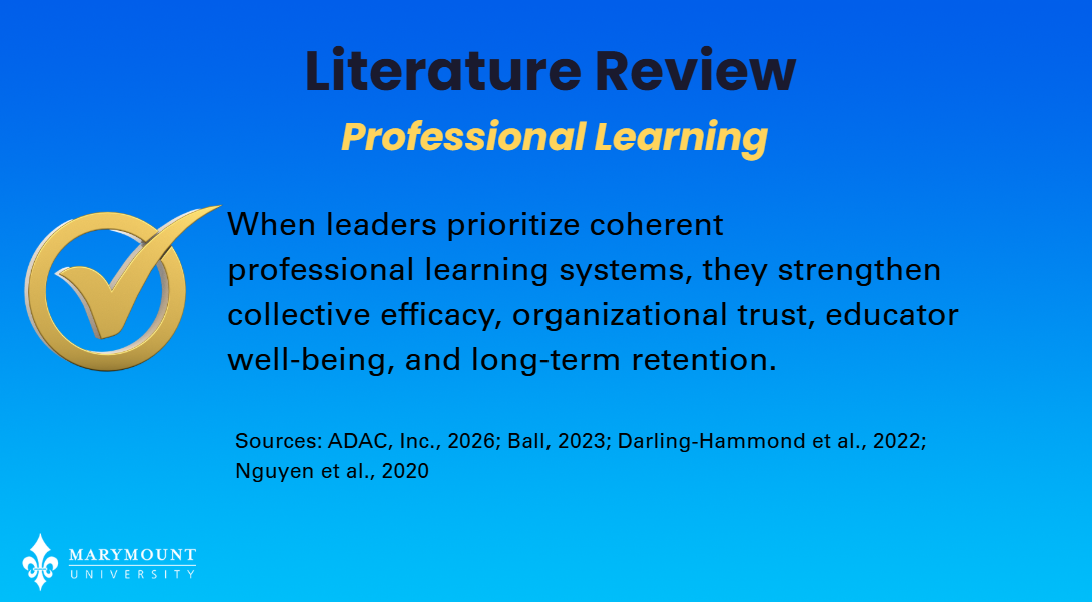
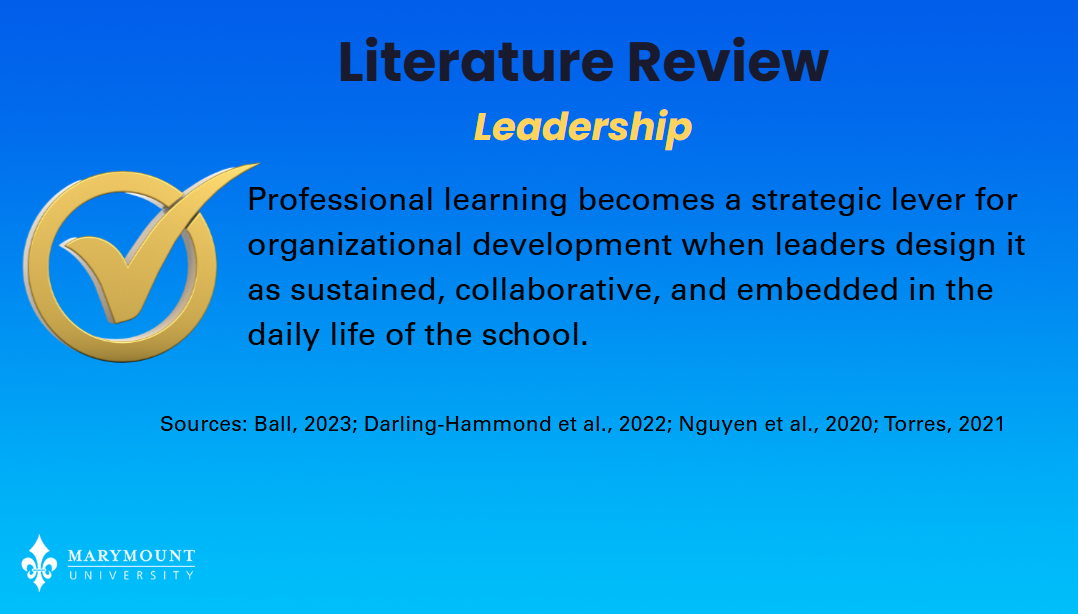
Nicci, Joy, and I presented our research on professional learning as an infrastructure mechanism to support teacher retention. Ali presented her work on the intersection of literacy and nature place-based learning as a transformative pedagogical approach to K-12 education.

I wanted to bring their reflections together in one video, which presented another opportunity for me to learn.

With some very helpful guidance, I learned how to use Google video editing to splice two recordings together. There will always be something else to learn. Perhaps that is part of the message I am carrying home from Oxford., to never lose the gift of curiosity. Learning is just SO much fun!

https://youtu.be/LxvR6u1-tpE

Ball | Dowd | Roberts Oxford Symposia Researchers 2026

The Oxford Education Research Symposium brings together scholars, educators, researchers, practitioners, and leaders who are committed to advancing the theory and practice of education. The breadth of scholarship shared during the 2026 Symposium was extraordinary. Each presenter brought a different perspective, research interest, institutional context, and lived experience into the room.

I was inspired by every researcher who had the courage to stand before colleagues and share work that mattered deeply to them. Although I could never capture every presentation in one reflection, I made special note of several scholars whose work, questions, and presence gave me something to continue thinking about:

Dr. Michael G. MacDonald, Associate Dean of Graduate Studies and Research in the Faculty of Education at the University of Windsor, Canada

Dr. Anne Moll, Dean; Dr. Chris Harnden, Director of Human Services; and Sarah Fedishen, Human Services Internship Coordinator, from Colorado Mountain College, USA

Meri Nasilyan, Course Director in the Carnegie School of Education at Leeds Beckett University, United Kingdom

Dr. Michael Gerard Mason, Staff Psychotherapist at the University of Virginia, USA

Dr. Abigail O. Akande, Associate Professor of Rehabilitation and Human Services at Penn State Abington, USA

Dr. Jamon Flowers and Dr. Juanita Johnson-Bailey from the University of Georgia, USA

Dr. Rosalinda Larios, Associate Professor of Special Education at California State University, Fullerton, USA

Dr. Jocelyn L. N. Wong, Associate Professor and Assistant Dean for Student Affairs in the Faculty of Education at The Chinese University of Hong Kong

Dr. Alvera H. McMillan, Education Specialist with the Louisiana Sea Grant College Program at Louisiana State University, USA

Dr. Claude Hutto, Dean and Assistant Vice Provost for the Division of Professional and Continuing Studies at Morehouse College, USA

Dr. Cara Chang, Associate Professor of English at Leeward Community College within the University of Hawaiʻi System, USA

Irodakhon Gulamova, Senior Lecturer in the Department of English at New Uzbekistan University, Uzbekistan

This is not an exhaustive list, nor is it intended as a ranking of the presentations. It is simply a small window into the range of scholars, institutions, countries, disciplines, and perspectives represented during the week. Each name in my notes represents a person who was willing to ask a question, examine an issue, gather evidence, and contribute to our collective understanding of education.

Research Becomes More Powerful Through Relationships

The formal presentations were central to the Symposium, but some of the most meaningful learning also occurred around the presentations.

It happened when someone asked a thoughtful question, when a scholar approached another presenter to continue a conversation, and during meals, walks, and informal moments when professional titles became less important, and people began sharing the stories behind their research.

These encounters are reminders that research is not meant to remain isolated within a presentation, paper, or institution. Research becomes more powerful when it creates conversation. It becomes more meaningful when it connects people. It becomes transformational when it is translated into practices that serve others.

This is especially important for those of us studying schools, educators, leadership, belonging, professional learning, and school culture. Behind every data point is a person, behind every finding is a story, and behind every recommendation is an opportunity to improve the experience of an educator, student, family, school, or community.

What Am I Carrying Home? I am carrying home renewed curiosity. As educators and leaders, may we never take curiosity for granted. Curiosity keeps us asking better questions. It invites us to listen before assuming. It opens us to perspectives that may be different from our own.

I am carrying home gratitude…

I remain grateful for my Oxford Symposia 2026 Research Team and the JOY of working alongside scholars who are committed to using research in service to the profession. I am grateful for every person who shared an idea, asked a question, offered encouragement, or helped me see an issue through a different lens.

I am carrying home a deeper responsibility.

Presenting research is an honor, but the presentation itself cannot be the final destination. The greater responsibility is to consider what we will do with what we have learned.

How will this research support educators?

How might it strengthen leadership?

How can it help schools become places where people experience trust, belonging, purpose, and joy?

How will we translate scholarship into action?

An Invitation to Listen

Rather than interpret the reflections shared by Nicci, Joy, and Ali, I invite you to hear their wisdom in their own words.

You can watch our Oxford Symposia 2026 reflection on the Sharing the Good with Dr. Denise Ball YouTube channel and listen anywhere you find your favorite podcasts.

Please feel welcome to visit my YouTube channel and explore other conversations and reflections on belonging, school culture, leadership, faith, gratitude, and the joy of the work.

I am still learning how to navigate this new platform. I am learning how to record, edit, splice videos, correct captions, and share messages in new ways. I will undoubtedly make mistakes along the way. I appreciate the grace and any feedback or words of wisdom you would like to share.

Carrying the Learning Forward: The Middle School Culture Blueprint

One of the gifts of gathering with researchers from around the world is the opportunity to return to our own work with renewed curiosity, clarity, and purpose. As I leave Oxford, one project at the forefront of my mind is The Middle School Culture Blueprint, a manuscript Dr. LaTonya White and I are developing to support middle school educators and leaders as they intentionally create cultures where both students and adults can thrive.

The project is grounded in research, literature, feedback from the field, and the lived experiences of educators who understand the unique joys and challenges of serving middle school students. Our hope is to offer more than a collection of ideas. We are working to develop a practical, research-informed framework that can help school communities establish shared expectations, strengthen relationships, build belonging, and create a positive rhythm for the school year.

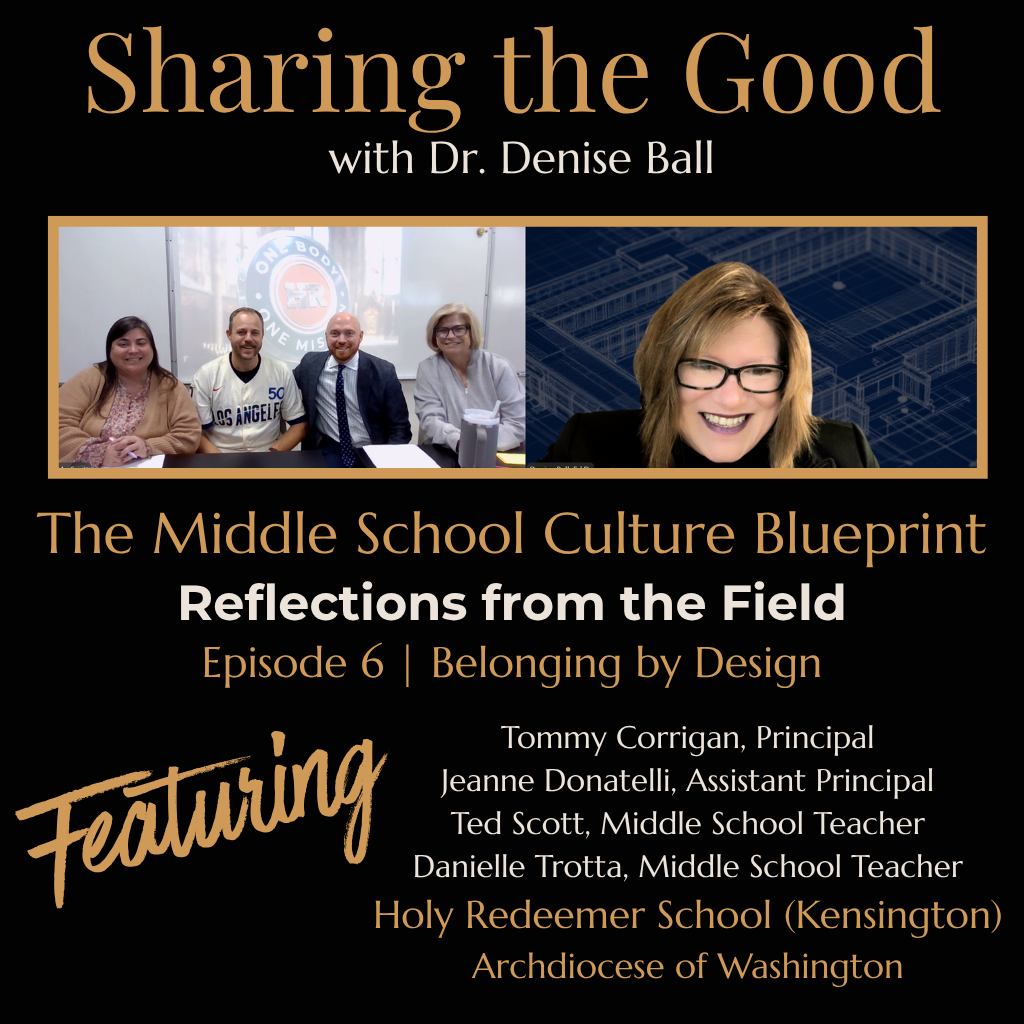
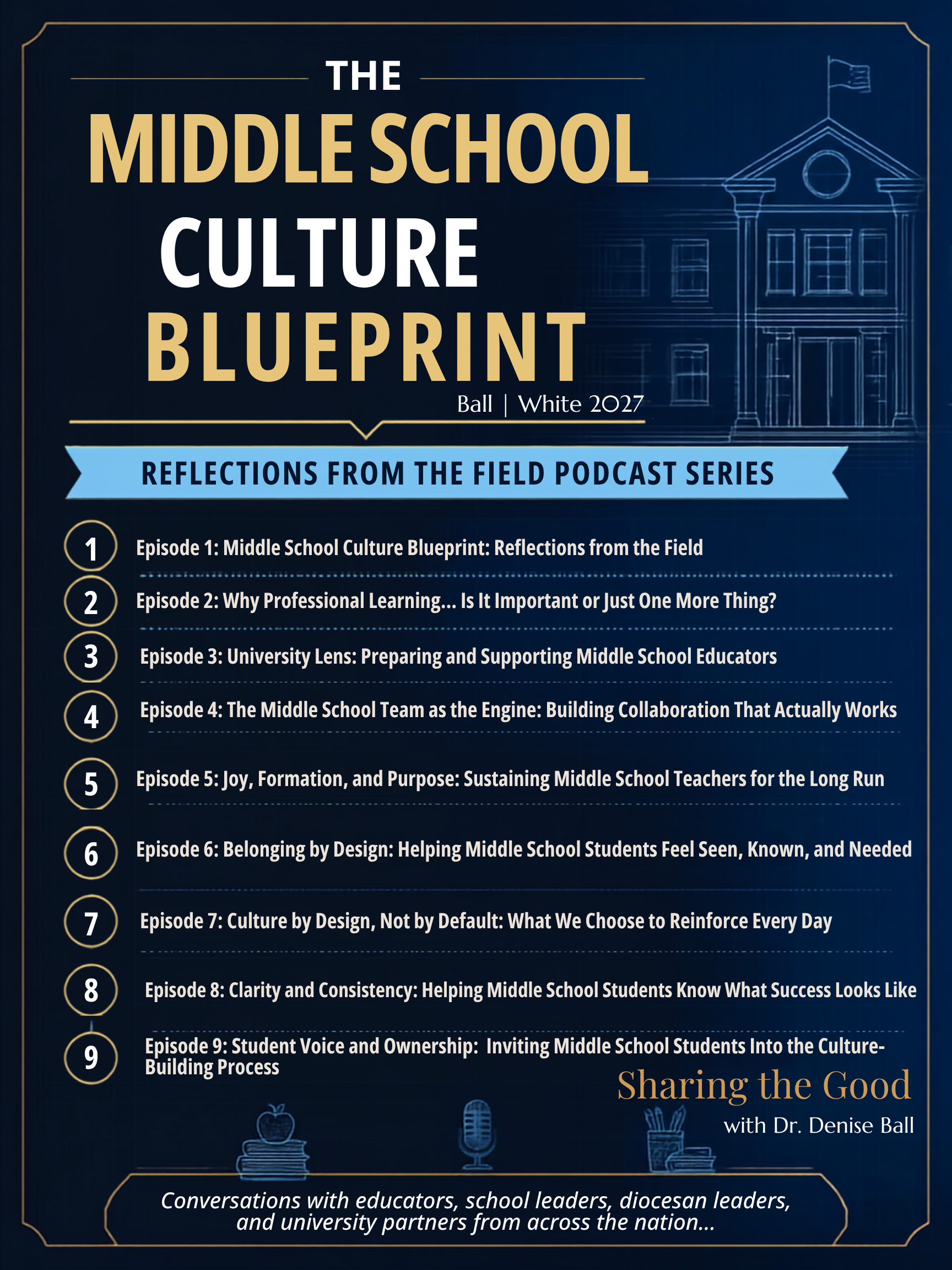
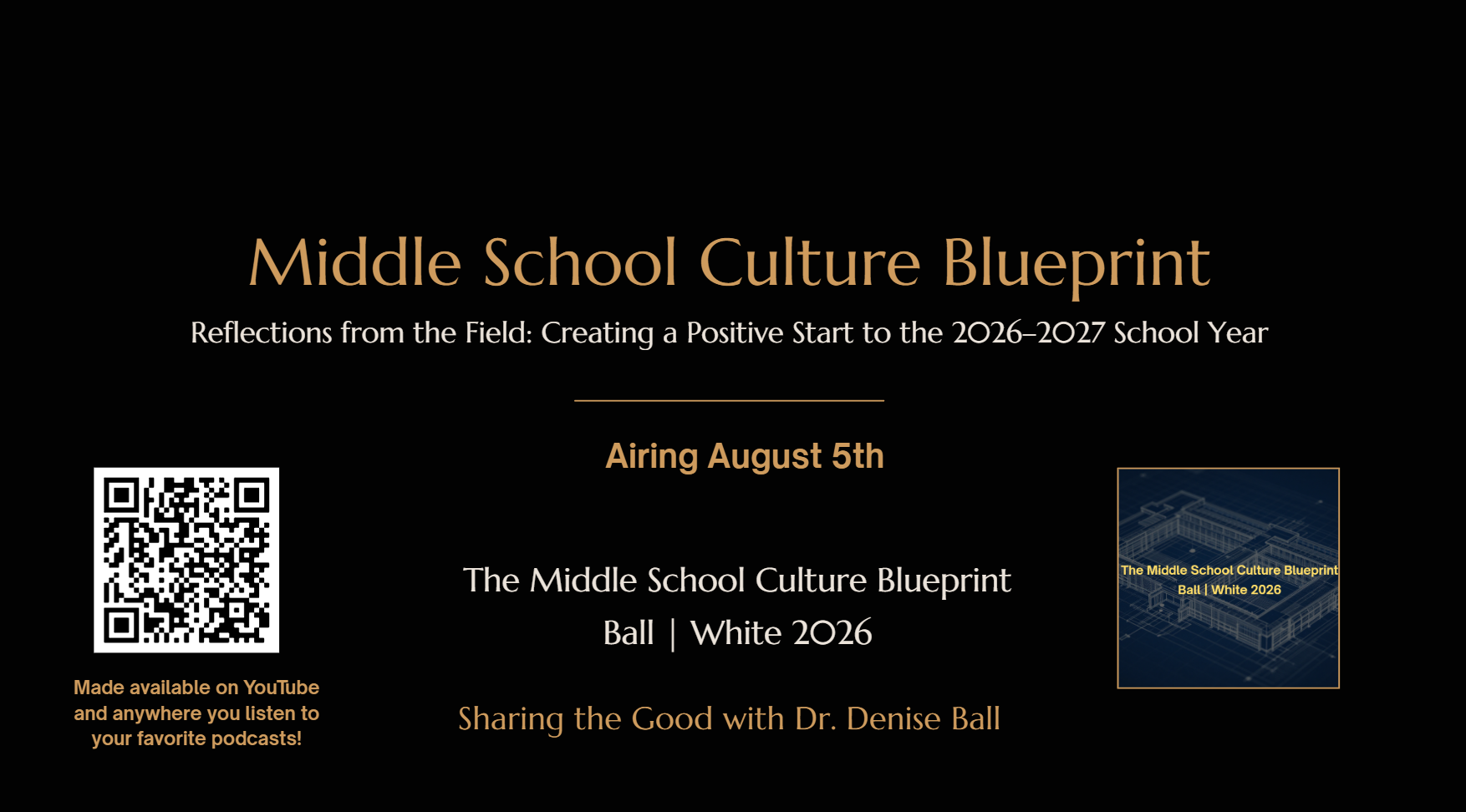
On August 5th, tune in to listen to Middle School Culture Blueprint: Creating a Positive Start to the 2026-2027 School Year with reflections from the field.

The Middle School Culture Blueprint: Reflections from the Field will air August 5 on the Sharing the Good with Dr. Denise Ball YouTube channel and podcast platforms.

Reflections from the Field

On August 5, the Sharing the Good with Dr. Denise Ball channel will feature a special conversation:

Middle School Culture Blueprint: Reflections from the Field, Creating a Positive Start to the 2026-2027 School Year.

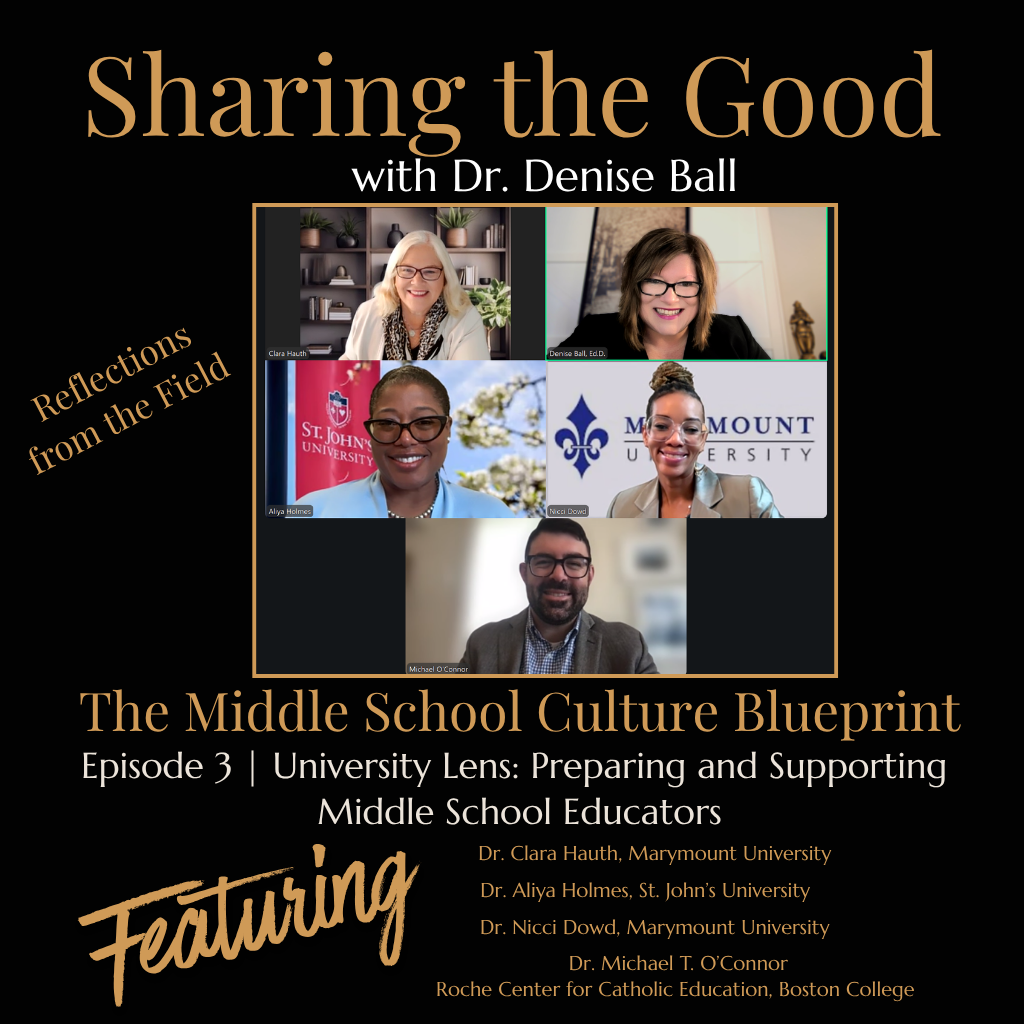
I will be joined by an outstanding panel of Catholic school educators and leaders who bring wisdom from the classroom, school leadership, diocesan service, and professional formation:

  • Lynsie Reavis, Director for Educational Programs, Catholic Schools Office, Archdiocese of Washington
  • Tricia Florance, Teacher, Most Holy Trinity Academy, Archdiocese of Detroit
  • Karina Lepkowski, Principal, Most Holy Trinity, Archdiocese of Detroit
  • Mary Frances Peters, Teacher, St. Anne’s Catholic School, Archdiocese of Detroit
  • Dr. Nancy Baker, Principal, School of the Incarnation, Archdiocese of Baltimore

Their voices are essential to this work!

Research and literature can provide important foundations, but educators working directly with students, teachers, and families help us understand how ideas are experienced in actual school communities. Their reflections will help us explore what teachers and leaders can do before students arrive, during the opening weeks of school, and throughout the year to intentionally cultivate a healthy middle school culture.

This conversation also represents what I hope the Sharing the Good platform can become: a bridge between scholarship and practice. The purpose is not simply to create and post content. It is to make research accessible, invite practitioners into the conversation, and provide encouragement and practical support to those serving in schools each day.

Oxford reminded me of the importance of continuing to ask questions.

The Middle School Culture Blueprint reminds me of the importance of listening carefully to those closest to the work. Dr. White and I are very excited about this work as we continue to finalize our manuscript draft in the hope of preparing it for publication.

Together, research, reflection, and the wisdom of the field can help us develop resources that genuinely serve educators and the students entrusted to their care.

What wisdom are you carrying forward, and how will you use it in service to others?

May we always seek knowledge in all things,

Denise

Join me in conversation or listen to the chats I am having with educators and school leaders. They inspire me and I hope they will inspire you, too!

Leave a comment

Filed under Oxford Symposia, Research, Sharing the Good with Dr. Denise Ball

JOY of the Work- A Conversation with Dr. Anita Harkins-Mehsling

As we bring our three-part summer series, Belonging, School Culture, and the Joy of the Work, to a close, I find myself filled with gratitude.

I am deeply grateful to Dr. Anita Harkins-Mehsling for generously sharing her research, leadership experience, wisdom, and heart throughout these conversations. Anita helped us pause and consider what it truly means for people to experience belonging within a school community.

Belonging is more than entering a building, attending a meeting, or being included on a faculty list. It is the experience of being seen, known, valued, supported, and connected to something meaningful.

Throughout this series, Anita reminded us that belonging does not happen by accident. It is cultivated through INTENTIONAL leadership, authentic listening, trust, communication, presence, and relationships.

In our first conversation, we explored why belonging matters, and in our second, we reflected on the important role leaders play in creating and sustaining cultures where people feel welcome, heard, and valued. In our final conversation, we connected belonging to joy, teacher retention, school stability, and the overall health of a school community. It felt especially important to end this series with joy.

Joy is not an extra benefit of a healthy school culture. Joy is part of what helps sustain the people who serve within it. Joy is synergistic! Joy does not mean that every day is easy. It does not mean that challenges disappear, difficult conversations are avoided, or the demands of leadership become lighter.

A joyful school community is not a perfect school community.

It is a community where people continue to notice the good, name the good, and carry the good forward together, even during demanding seasons. Joy grows when people know they are not alone. As a school team, exercising the muscle of gratitude can be transformational!

Joy within a school community grows when faculty and staff feel connected to one another and to the school’s mission. It becomes visible when people are encouraged to share their gifts, when contributions are recognized, and when leaders create space for gratitude, celebration, reflection, and genuine connection.

Joy is strengthened when it is shared. This is why I believe joy must be more than something we hope people eventually experience. Joy can become the first step we use in leading others.

Before beginning with the agenda, we can begin by seeing the people in front of us. Before moving immediately to the next task, we can pause to recognize someone’s contribution. Before focusing only on what needs to be corrected, completed, or improved, we can name what is already good and growing. Before assuming the worst, we can choose to see through the eyes of grace. Leading with joy does not ignore reality. It helps us face reality with hope, gratitude, courage, and a renewed sense of purpose.

As leaders prepare for the 2026-27 school year, there will be calendars to finalize, meetings to plan, classrooms to prepare, new employees to welcome, and many decisions to make. Within all of that important work, we can also ask:

How will people experience belonging here? [a leadership opportunity]

How will faculty and staff know they are valued? [essential building block for trust]

How will we listen to one another? [a powerful visual that you are being present]

How will we help new members of the community feel supported? [essential reflection question]

How will we keep joy visible when the year becomes busy? [because it will]

How will we notice and share the good? [my favorite]

The answers do not always require complicated programs or large initiatives. Belonging and joy are often strengthened through small, sincere, and consistent practices.

A handwritten note, a meaningful check-in, or a moment of gratitude at the beginning of a faculty meeting can really help build and maintain a positive school culture.

A celebration of a small victory, or a question asked with genuine care, demonstrates a leader who listens and follows through.

One small practice, offered consistently and sincerely, can become part of the building blocks for a joyful school campus.

My gratitude to Anita for helping us all reflect more deeply on the cultures we are called to build and sustain. I want to thank her for reminding us that belonging is experienced through both our words and our actions. Through this summer series, we are reminded that when people feel seen, known, valued, and connected, joy has room to grow and THRIVE!

As this summer series closes, I hope each of us will carry one invitation into the new school year:

Let joy be the first step. Let it shape how we welcome and guide our listening and communication with others.

May we continue to seek to see the people behind the work.

As school leaders or teachers, let us seek joy and let it help us build communities where educators, students, and families know they belong.

As a sharing the good community, let us continue to train our eyes to see the good, because when we do, amazing things happen.

Stay tuned…

Sharing the Good with Dr. Denise Ball is honored to welcome Dr. Christina Mendez-Hall on August 13 as we continue the conversation about joy, why it is so important, and how leaders and teachers can allow joy to become the first step as they enter the 2026-27 school year.

Sharing the Good with Dr. Denise Ball is now available on Spotify, Apple Podcasts, and iHeartRadio.

What began with the simple hope of encouraging at least one person is growing into a space where stories, faith, reflection, research, and practical wisdom can be shared.

I feel deeply honored to help notice and share some of the good happening in our schools, communities, churches, families, and the world.

Thank you to everyone who has listened, subscribed, encouraged me, and prayed for me on this journey. Scan the QR code for your preferred platform and join me as we continue Sharing the Good.

Until then, pause, exhale, reflect, and keep sharing the good.

May we continue to seek knowledge in all things,

Denise

Leave a comment

Filed under Educational Resources, Sharing the Good, Sharing the Good in Education, Sharing the Good with Dr. Denise Ball, Summer Series 2026 Podcast on Beloning, School Culture and the Joy in the Work, teacher retention, Team Building/Positive Work Environments

The Leader’s Role in Creating Belonging

Summer Series 2026: Belonging, School Culture, and the Joy of the Work

Episode 2 Featuring Dr. Anita Harkins-Mehsling

In Episode 2 of Summer Series 2026: Belonging, School Culture, and the Joy of the Work, I am grateful to continue the conversation with Dr. Anita Harkins-Mehsling, Associate Superintendent for the Archdiocese of Omaha.

In Episode 1, Anita and I reflected on why belonging matters and why summer is such a meaningful time for school leaders to pause, exhale, and consider the culture they hope to build and maintain for the 2026–27 school year.

In Episode 2, we turn our attention to the leader’s role in creating belonging and shaping a positive school culture.

A positive school culture does not happen by accident. It is nurtured through the rhythms, routines, relationships, words, and actions that help a school community stay connected to its mission. Culture is not created by a mission statement alone. Culture is experienced in the daily life of a school, in the way people are welcomed, supported, heard, encouraged, and invited to contribute to something greater than themselves.

Belonging is shaped through intentional relationships, communication, trust, presence, and the daily choices leaders make. The school leader sets the tone and helps create the conditions where people feel seen, valued, welcomed, and connected to the mission.

One of the important reminders Anita shared in this episode is that leaders should be intentional in how they welcome faculty and staff back to campus. The beginning of the school year is often filled with tasks, meetings, checklists, schedules, and classroom preparation. All of those things matter. Yet Anita reminds us that leaders also need to create space for people to reconnect, get to know one another, and remember that they are part of a shared mission.

That balance is so important. Teachers need time to prepare their classrooms. They need time to organize, plan, and feel ready to welcome students. They also need time to breathe, reconnect, laugh, share, pray, and remember that they do not carry the work alone.

The way a school year begins matters. People remember how they were welcomed (Ball, 2026). They remember whether the opening days were only about tasks or whether there was also time to reconnect with purpose, community, and joy.

As I listened to Anita, I found myself reflecting on my own leadership experiences and my research on school culture and teacher retention. I have spent much of the past decade studying and working in this area, and I continue to believe that school culture is created in ordinary moments. It is shaped in how a leader greets people, follows up, listens, remembers, encourages, and makes space for others to contribute.

One example from my own leadership practice was something I called Thankful Thursday. A couple of times a month, before the team arrived, I would leave notes of gratitude or encouragement. Sometimes the note was connected to something I noticed in a classroom. Sometimes it was simply a word of encouragement. They were not long or complicated, but they were intentional. These sticky notes were one more way of saying, “I see you. I notice the good work you are doing. Your presence and contribution matter here.” Gratitude helps shape culture and it sets a tone. It helps people know that their work is not invisible. 

Another practical way leaders can strengthen culture is by creating intentional opportunities for table talk during faculty and staff meetings. Meetings do not have to be used only for announcements, updates, and logistics…in fact they shouldn’t be. These are school culture prime opportunities to build trust and distribute joy!. They can also become spaces where people reflect together, listen to one another, and contribute to the shared mission of the school.

For example, after sharing a schoolwide focus or initiative, a school leader might ask each table to discuss: “Where are we already seeing this lived well in our school?” or “What is one next step we can take together?” Then each table can share one insight with the larger group. That kind of routine communicates something important: every voice matters, perspectives matter, and we are building and maintaining this positive school culture together.

In this episode, Anita and I break open the importance of helping faculty and staff feel seen and valued in specific ways. A general “thank you” is always appreciated, but specific gratitude has a different kind of impact. When a leader says, “I noticed the way you helped that student,” or “I saw how you supported your colleague,” it communicates that the person and the work are truly seen.

Again, this does not need to be complicated. Leaders might begin the year with handwritten notes, ask each staff member what helps them feel supported, highlight quiet acts of service during faculty meetings, check in with new faculty after the first two weeks, or intentionally thank office staff, aides, maintenance staff, cafeteria staff, and all who help the school function each day. Create a school environment where gratitude is the norm. If the adults model it, the students will follow. 

Culture is strengthened when leaders create a rhythm of noticing and naming the good.

Presence matters deeply, and in the life of a school, presence is not about hovering or checking up on people. It is about walking with people. It is about being close enough to the life of the school to understand where joy is visible, where support is needed, and where people may be carrying things quietly.

Dr. Harkins- Mehsling reminds us that sometimes the most powerful thing a leader can do is show up, listen, and remain steady. Presence builds trust over time, and is at the heart of belonging. In school culture work, trust is often the bridge between intention and impact. I call trust the glue for a strong positive school culture. Trust does not mean everything is easy. It means people believe they are being led with honesty, care, and purpose.

Leaders may intend to create belonging, but people experience belonging through communication, listening, relationships, and follow-through. Anita shared that she kept a notebook on her at all times, so she could jot down notes that would allow her to be intentional and follow-up with team members. 

Listening does not mean leaders can do everything requested. It does mean people are treated with dignity. Communication should help people understand not only the “what,” but also the “why.” When people understand the why behind decisions, they are more likely to stay connected to the mission, even when decisions are difficult.

One of the most helpful ideas in this conversation is that belonging does not have to become one more program, one more initiative, or one more thing added to everyone’s plate. Belonging can and should be woven into the rhythms that already exist. It can be built into faculty meetings, prayer, mentoring, communication, classroom visits, welcome-back days, celebrations, and leadership team conversations.

It is a way of asking: How will this decision, meeting, message, or practice help people feel seen, valued, and connected?

As leaders prepare for the 2026–27 school year, Episode 2 offers a simple but meaningful invitation: start small and be intentional. Create space for preparation and connection. Know or get to know your people and listen before acting. Build trust through follow-through, and create rhythms that help your community notice and share the good.

Belonging does not require perfection, but it does require intention, consistency, and love for the people we are called to serve.

I am grateful to continue this summer conversation with Dr. Anita Harkins-Mehsling and hope Episode 2 encourages school leaders to reflect on the culture they are creating, the welcome they are preparing, and the daily habits that help people feel seen, valued, and connected to the joy of the work.

Pause. Exhale. Reflect.

Join us for Episode 3 of Summer Series 2026: Belonging, School Culture, and the Joy of the Work on Sharing the Good with Dr. Denise Ball on July 14th.

Until next time, keep sharing the good.

When we train our eyes to see the good, amazing things happen.

May we continue to seek knowledge in all things,

Denise

Leave a comment

Filed under Episode 2 of Summer Series 2026: Belonging, School Culture, and the Joy of the Work

Belonging Begins When People Know They Matter

Summer Series 2026: Belonging, School Culture, and the Joy of the Work

Featuring Dr. Anita Harkins-Mehsling

This adventure in learning new ways to communicate, connect, and share the good in education has been fun, meaningful, and, quite honestly, joyful.

I am so grateful to Dr. Anita Harkins-Mehsling, Associate Superintendent for the Archdiocese of Omaha, for spending time with me in conversation and reflection for the first episode of Summer Series 2026: Belonging, School Culture, and the Joy of the Work on Sharing the Good with Dr. Denise Ball.

Our first conversation focused on a topic that is deeply connected to the heart of education: belonging.

Belonging is more than being present. It is more than being included on a roster, invited into a building, or welcomed into a room. True belonging begins when people do not just enter a space, but feel that they matter within it (Harkins-Mehsling, 2026).

Students need to know they are seen, known, valued, and loved. Teachers need to know their work matters and that they are part of something larger than themselves. Families need to experience school communities as places of trust, welcome, and partnership. Leaders need to be intentional about creating the conditions where acceptance, connection, and community are not accidental, but cultivated.

During this episode, Dr. Harkins-Mehsling and I reflected on how belonging is experienced across school campuses and leadership communities. We discussed the ways people come to understand whether they are accepted, valued, connected, and part of a community. These are not small ideas. They shape the daily experience of school life, and the summer is a perfect time for school leaders and teachers to reflect on how they will create an environment and attitude of belonging for students, parents, and one another for the upcoming school year.

When people feel that they belong, they are more likely to participate, contribute, trust, grow, and remain connected to the mission. Belonging strengthens the culture of a school because it reminds each person: You matter here!

As I continue to reflect on my own research on teacher retention, school climate, leadership, collaboration, and culture, I am reminded, through this conversation with Anita, that positive school culture is not built by chance. It is shaped through intentional leadership, trust, and shared commitment. Belonging is one of the ways we begin that work.

This summer series is an invitation to pause, exhale, reflect, and consider how we can continue to build schools and communities where people feel seen and supported. It is also an invitation to celebrate the joy of the work. Education is hard and holy work. It requires courage, patience, faith, and love. But it also brings great joy when we recognize the good all around us and the reasons we said “yes” to serve in education.

I am thankful for leaders like Dr. Anita Harkins-Mehsling who continue to share wisdom, experience, and encouragement with the broader educational community. Her insights remind us that belonging is not simply a program or initiative but it is a way of being together.

Episode 1 begins this reflective journey.

Episode 2 will air on July 6, and our conversation will focus on school culture. Anita and I will share strategies we have learned through our combined 50+ years of serving in education to help create, strengthen, and maintain positive school cultures.

I value feedback and would love to continue the conversation. Please message me or drop a note in the comment section after watching. What helps you feel a sense of belonging in a school or leadership community? What practices have helped strengthen culture in your own setting?

May we continue to seek knowledge in all things, notice the good around us, and build communities where every person knows they matter

Denise

Leave a comment

Filed under Educational Resources, Sharing the Good with Dr. Denise Ball, Summer Series 2026 Podcast on Beloning, School Culture and the Joy in the Work

Summer Series: Belonging, School Culture, and the Joy of the Work

As school leaders enter the summer months, there is a sacred opportunity to pause, exhale, and reflect on the culture they hope to build and maintain for the 2026-27 school year.

I am grateful to share that Sharing the Good with Dr. Denise Ball will launch a three-part summer series on July 1st focused on Belonging, School Culture, and the Joy of the Work.

This series will feature Dr. Anita Harkins-Mehsling, Associate Superintendent for the Archdiocese of Omaha. Dr. Harkins-Mehsling brings more than 30 years of experience serving in education, and her recent research has focused on helping school leaders create a stronger sense of belonging within their school communities. She earned her doctorate from Doane University and continues to support Catholic school leaders in building healthy, mission-centered, and joy-filled school cultures.

The purpose of this series is to invite school leaders to reflect on belonging as a foundation for strong school culture. When people feel they belong, they are more likely to feel seen, known, valued, connected, and committed to the shared mission of the school.

Belonging is not an extra. It is part of the daily work of building a school community where students, teachers, staff, families, and leaders can flourish.

In episode 1, Dr. Harkins-Mehsling and I will discuss why belonging matters and why summer is such a meaningful time for school leaders to reflect on the culture they hope to create. We will explore what belonging means, how it is experienced by adults and students, and why feeling seen, known, and valued matters so deeply in the life of a school community.

In episode 2, we will focus on the leader’s role in creating belonging. Belonging is shaped through intentional relationships, communication, trust, presence, and the daily choices leaders make. We will talk about how school leaders can help faculty and staff feel seen and valued, how a leader’s presence shapes culture, and how belonging can be woven into the rhythm of the school year without becoming “one more program.”

In episode 3, we will connect belonging, joy, and the 2026-27 school year. This final conversation will invite leaders to consider how belonging can become part of the language, rhythm, and lived experience of the school. We will also reflect on how belonging contributes to joy, teacher retention, school stability, and the overall health of a school community.

Joy is not meant to be held alone. Joy is synergistic! When joy is shared among a school team, it strengthens culture, builds connection, and reminds us that the work we do matters. A joyful school community does not mean a perfect school community. It means a community where people are willing to see the good, name the good, and carry the good forward together.

For decades, I have found great joy in encouraging my family, teachers, students, schools, and school communities to notice and share the good. I have seen how transformative it can be when we pause long enough to name what is good, celebrate one another, and remind people that their work and their presence matter.

The Thankful Thursday shout-out this week is for the joy distributors… You know who you are!

Summer gives us space to breathe. It gives us space to ask important questions:

Who in our school community needs to feel more seen?

How do we help new faculty, staff, students, and families feel welcomed?

What practices help people feel connected to the mission?

Where did we see joy this year?

How can we carry that joy forward?

My hope is that this series offers school leaders a gentle but meaningful invitation to pause, exhale, and reflect before the next school year begins. Belonging matters, joy matters, and developing and maintaining a positive school culture matters.

The faculty, staff, students, and school communities we serve matter, and they deserve nothing less than our best!

I invite you to join us beginning July 1st for this three-part summer series on Sharing the Good with Dr. Denise Ball YouTube channel.

When we train our eyes to see the good, amazing things happen.

May we continue to seek knowledge in all things,

Denise

Leave a comment

Filed under Sharing the Good with Dr. Denise Ball