What if one of the greatest gifts we can give the people with whom we work is permission?
Permission to ask a question. Permission to say, “I don’t know yet.” Permission to try something new. Permission to make a mistake. Permission to learn from one another, and perhaps, permission to experience JOY along the way.
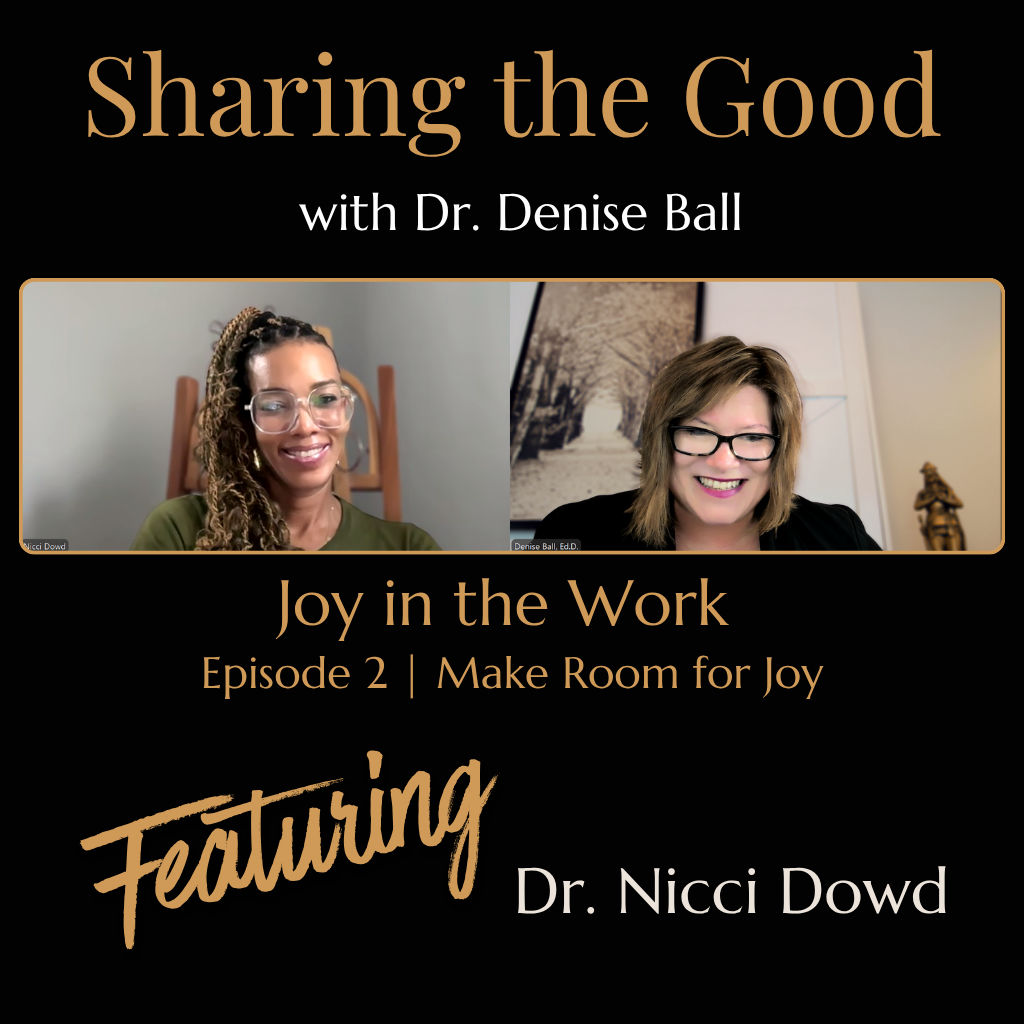
After a wonderful conversation with my friend and colleague, Dr. Nicci Dowd, for Episode 2 of the Joy in the Work series on Sharing the Good with Dr. Denise Ball, these are the questions that came to mind.
Our episode is titled Make Room for Joy, but our conversation reminded me that making room for joy may begin by making room for people to be learners.
We Are All Still Learning
Nicci shared an idea during our conversation that has stayed with me: academic humility.
There is something freeing about recognizing that none of us has all the answers. Teachers do not. School leaders do not. Professors do not. Researchers do not, and that is okay.
We can bring years of education, research, leadership experience, and expertise into a room and still remain open to the possibility that someone sitting beside us may see something we have missed. That is one of the reasons I value collaboration so deeply. Many voices create the best outcomes.
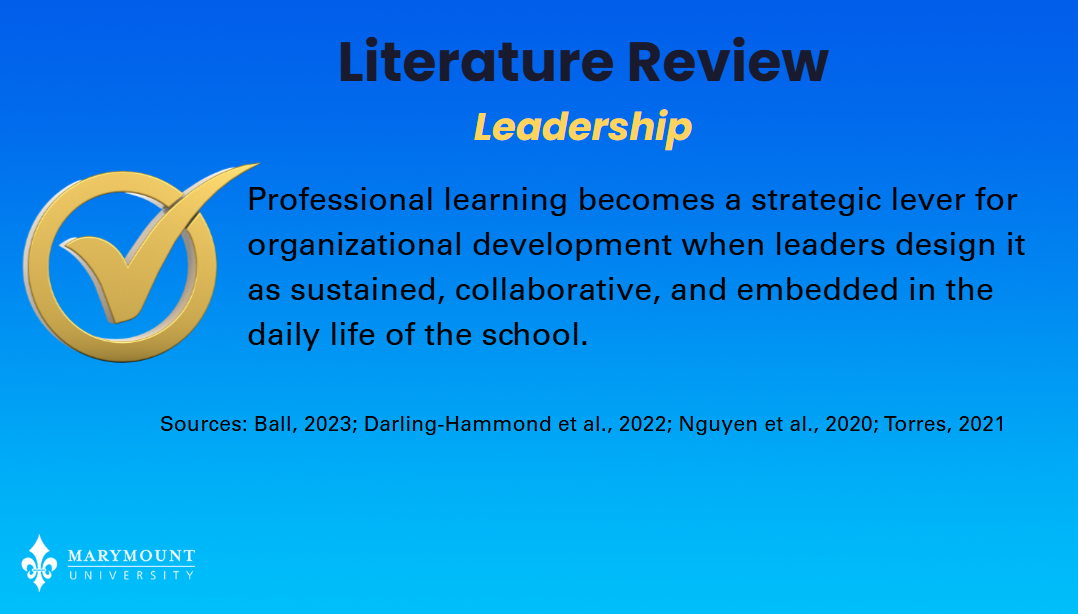
When we create environments where people feel safe enough to ask questions, offer ideas, respectfully disagree, try something new, make a mistake, and begin again, we are doing more than supporting professional learning. We are helping create a culture in which people can grow; I believe there can be tremendous joy in that growth.
Making Room for Joy Means Making Room for Mistakes
As educators, we frequently tell students that mistakes are part of learning. But do the adults in our schools believe the same is true for them? That question is worth considering. If a teacher tries a new instructional strategy and it does not work as planned, what happens next? If a new school leader admits that they do not know the answer, how is that received? If someone offers a different perspective during a faculty meeting or professional learning session, do we become curious or defensive? If a colleague needs help, have we created an environment where asking for it feels safe?
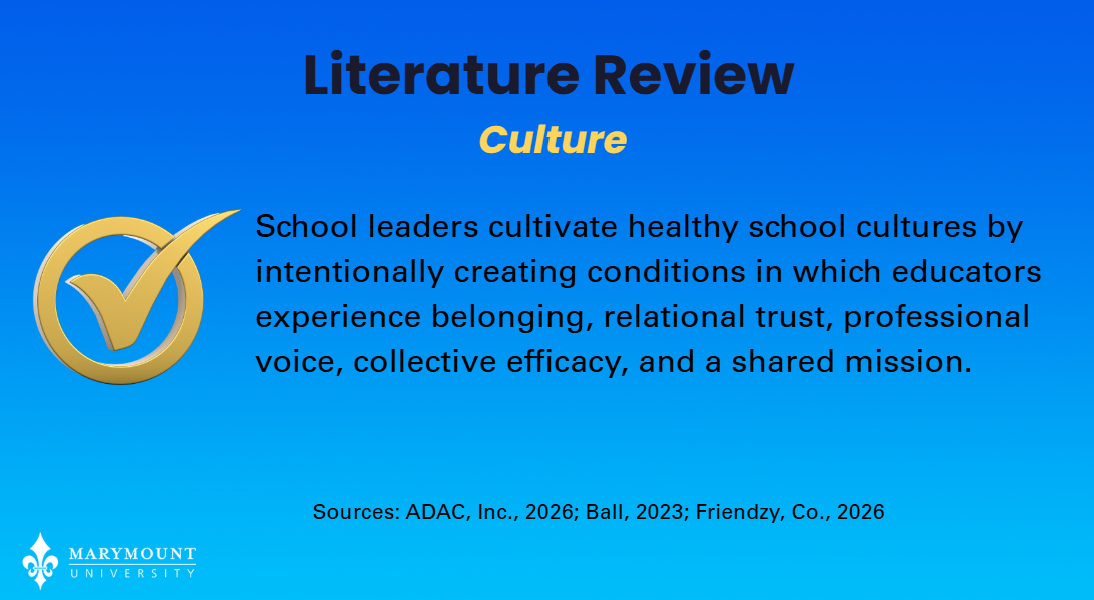
The answers to those questions tell us something about culture. School culture is not created only through mission statements, strategic plans, programs, or initiatives. It is experienced in the everyday interactions between people: how we listen, how we respond, how we encourage, how we handle mistakes, how we celebrate growth, and whether the people around us believe they are valued members of the community. Sometimes the smallest interactions communicate the biggest messages.
UDL, Joy, and Creating Space for Every Learner
Nicci also shared how Universal Design for Learning, or UDL, has shaped the way she approaches her courses at Marymount University and the professional learning she facilitates with educators as an adjunct consultant for ADAC, Inc.
I loved hearing her connect the Universal Design for Learning to this conversation because at its heart, UDL asks us to think intentionally about the learners in front of us. Who is in the room? What might help them engage? What barriers might we remove? How might we provide different pathways for people to learn, participate, demonstrate understanding, and grow? Those questions matter whether the learners sitting before us are children, graduate students, teachers, or school leaders, and perhaps there is a connection to joy here too.
When people know they do not have to learn exactly like everyone else, when their questions are welcomed, when they have opportunities to contribute their gifts, and when mistakes are treated as part of learning rather than evidence that they do not belong, we make room for something important to happen.
We make room for growth, for belonging, and for joy.
The Joy of Learning Alongside One Another
One of the gifts of this season of my own work is the opportunity to keep learning alongside thoughtful people.
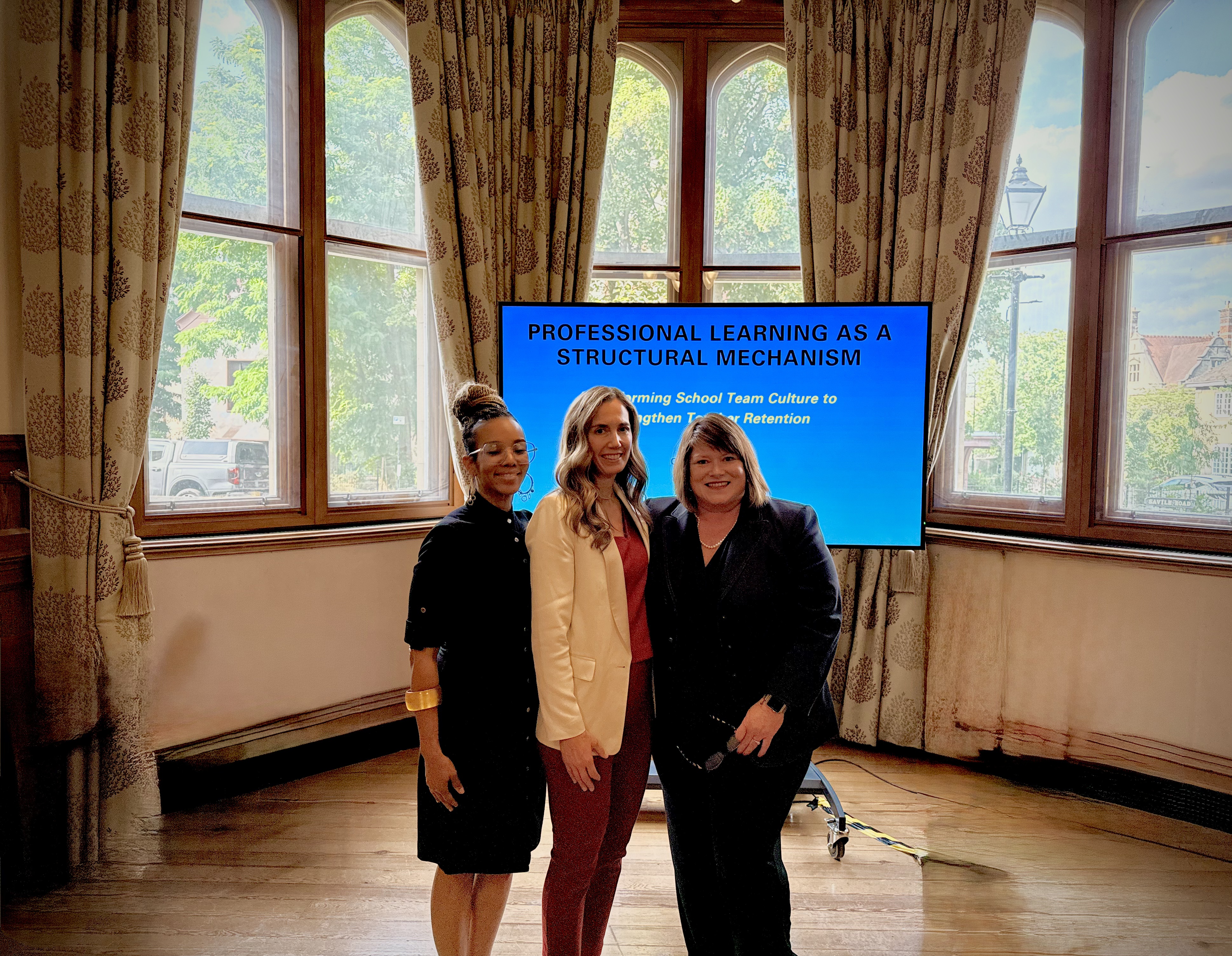
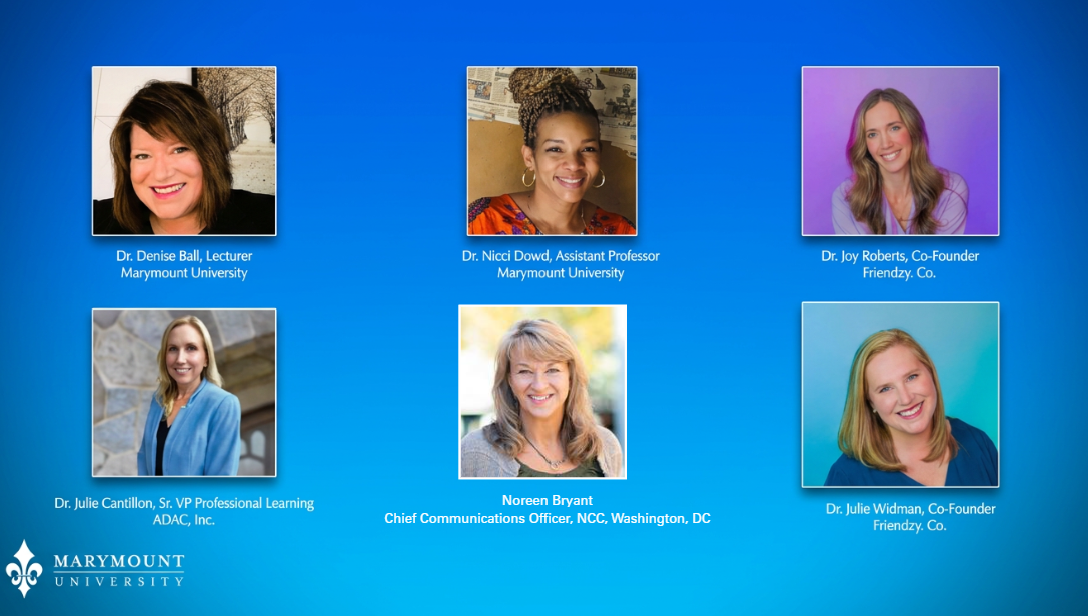
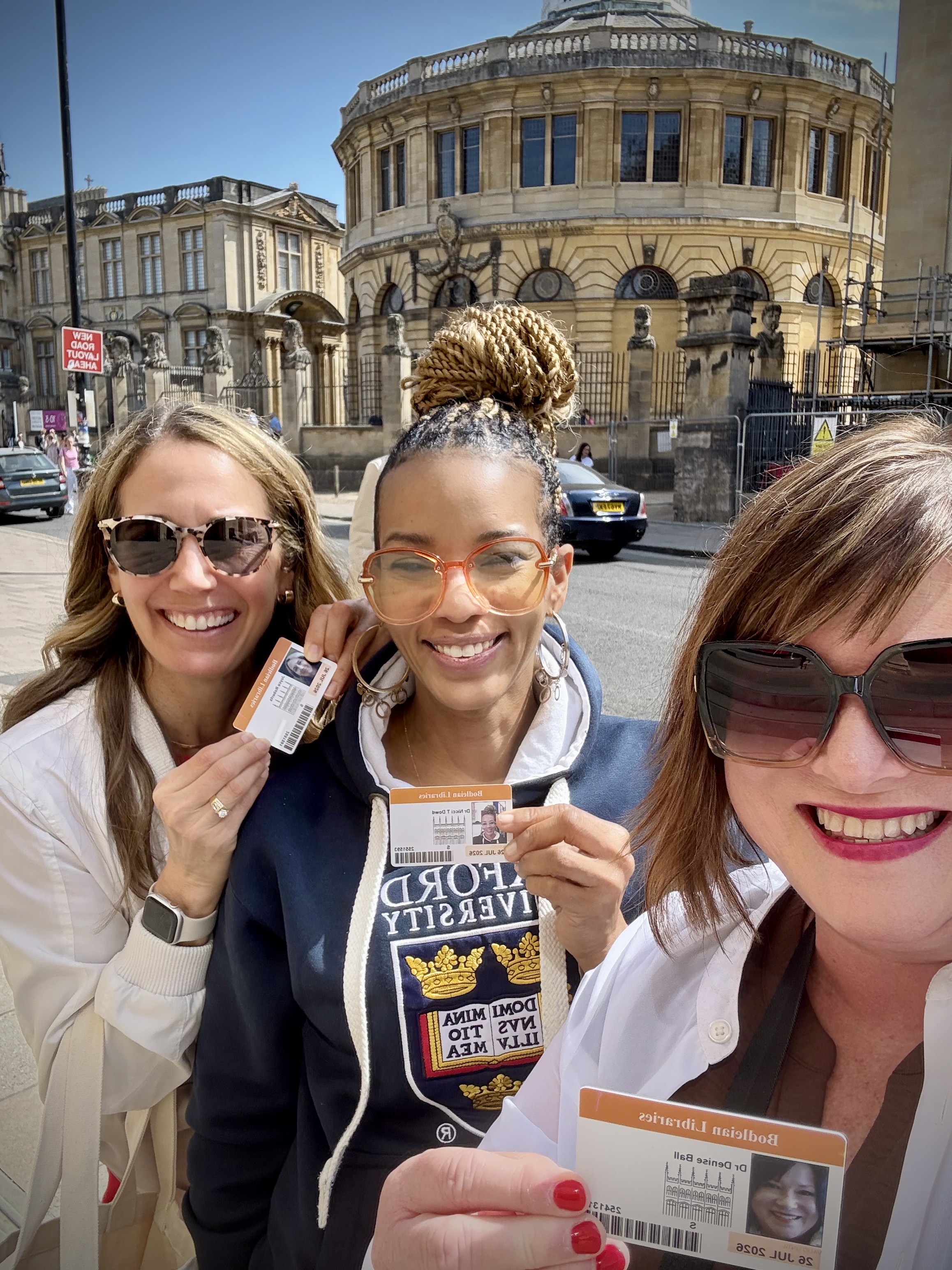
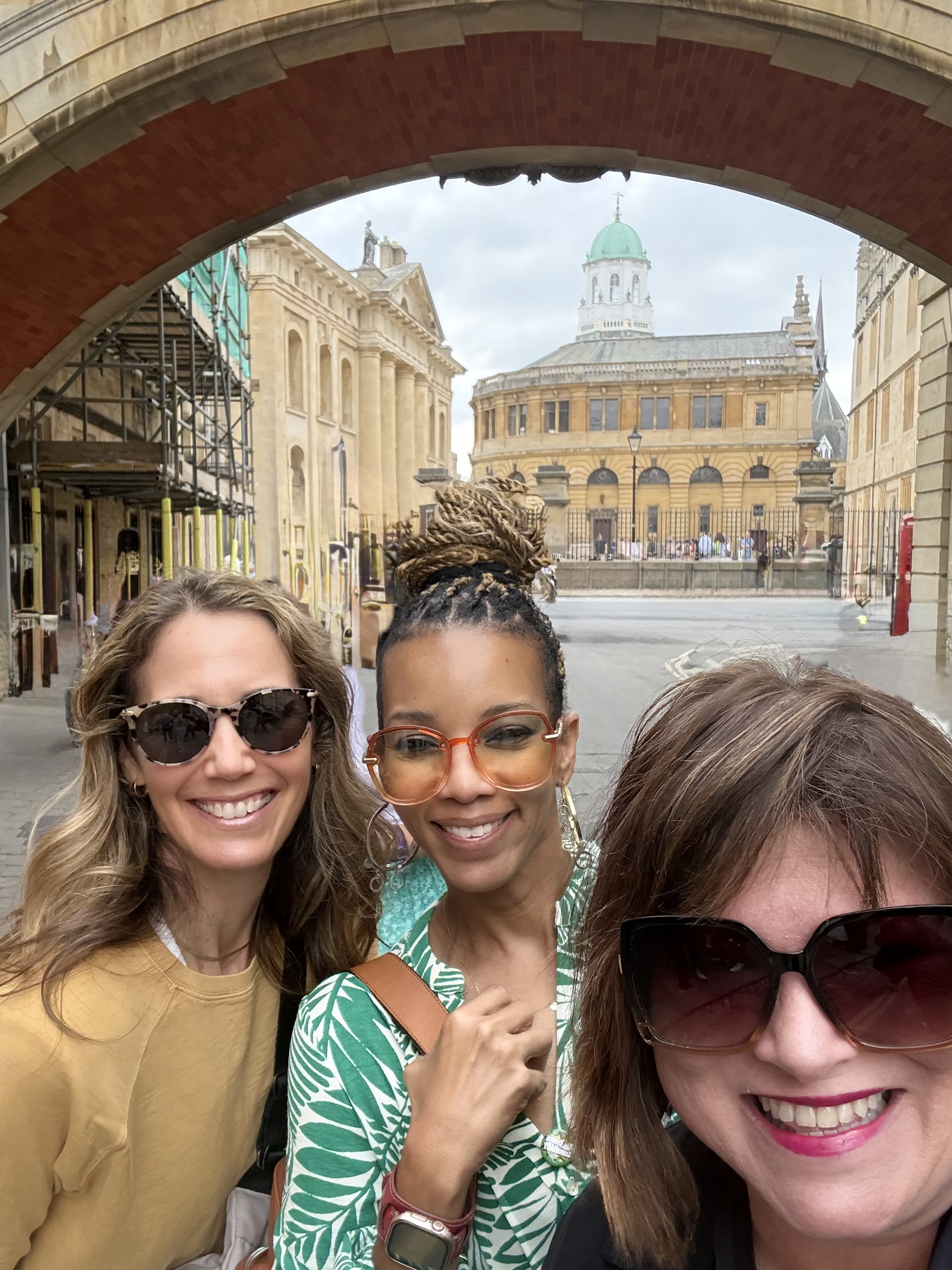
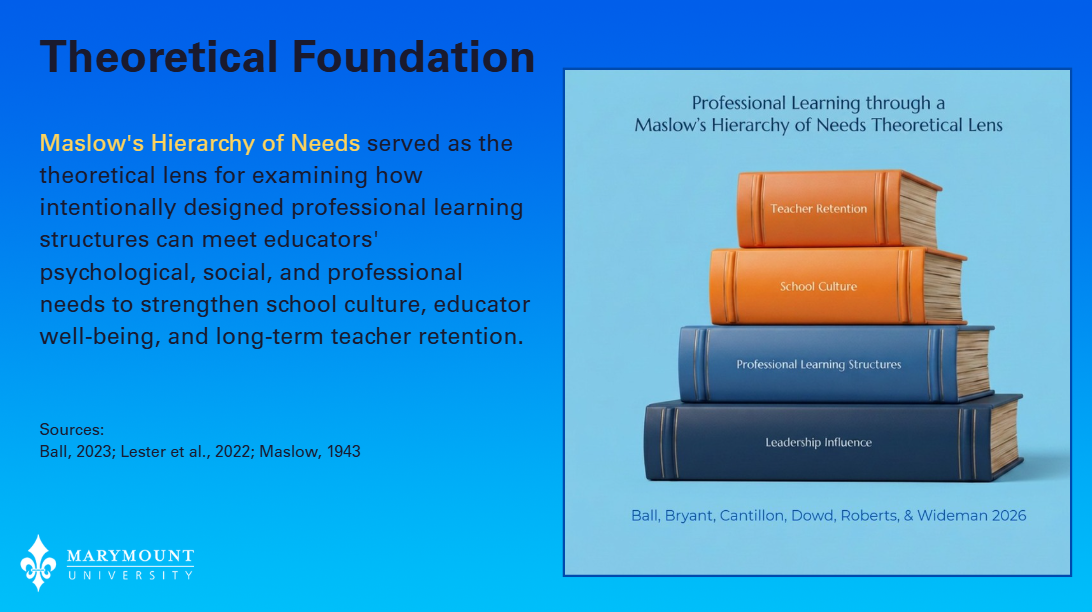
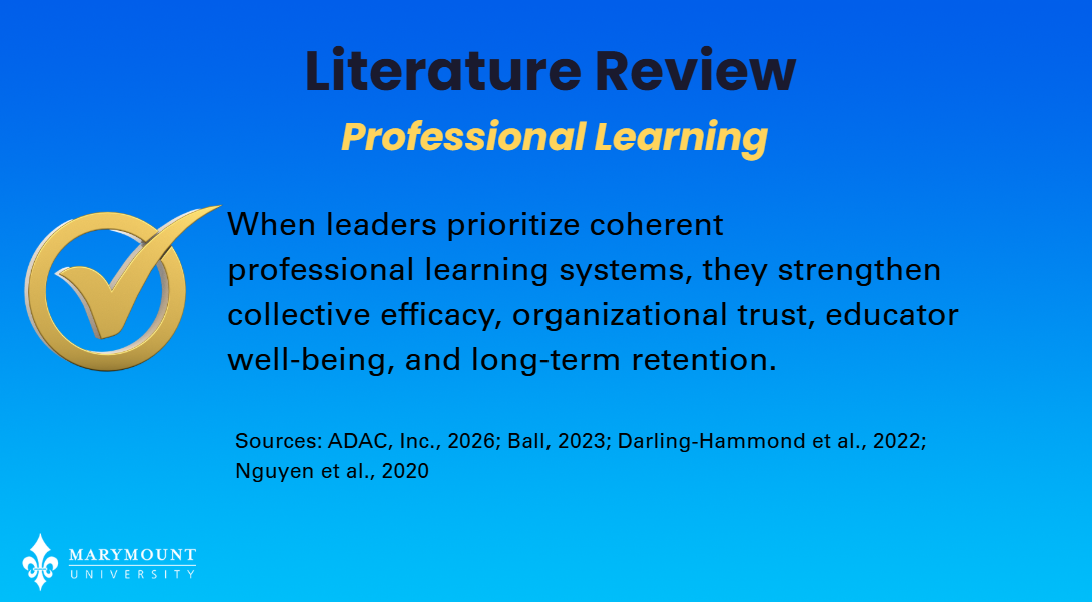
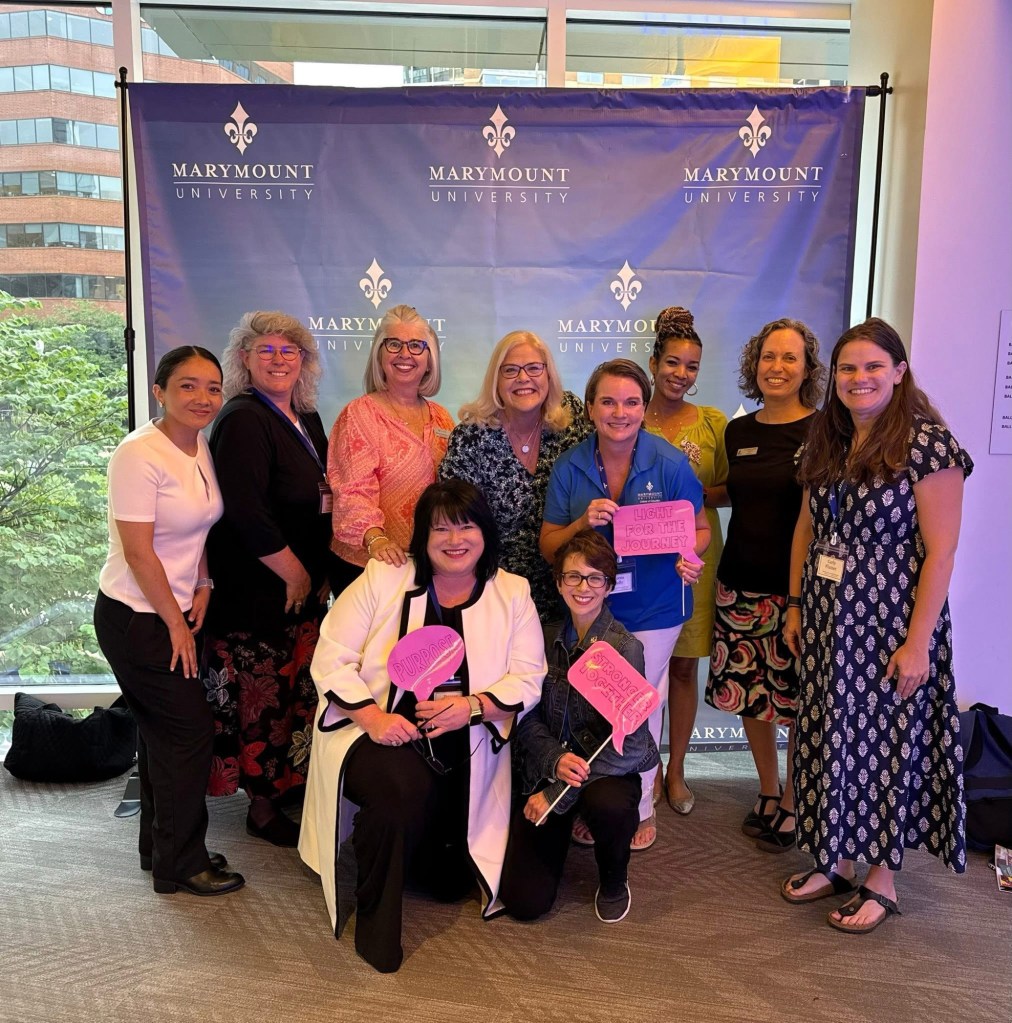
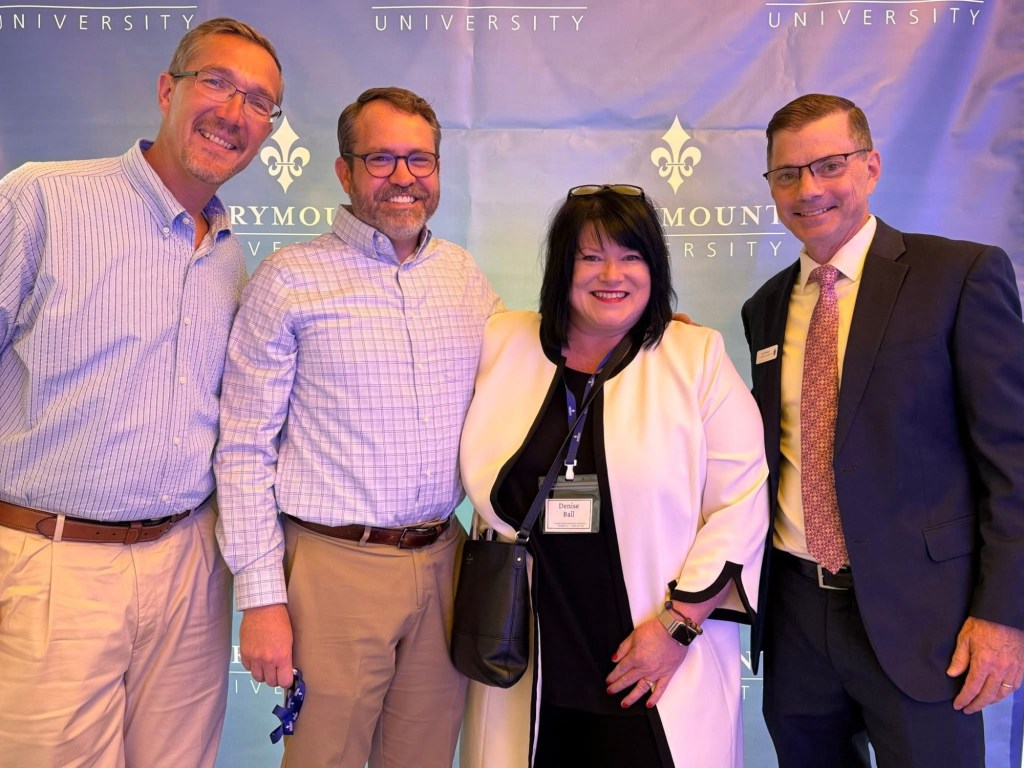
Nicci and I have the privilege of serving together on the Marymount University faculty, collaborating as adjunct consultants with ADAC, Inc., and beginning a second year of research with an amazing team focused on school culture and developing practical tools to help school leaders create environments where educators thrive.
Different settings, roles, and conversations, but there is a common thread running through all of them:
We can do more for the educators, school leaders, students, and families we serve when we learn and work together.
That is one of the reasons these Joy in the Work conversations are bringing me so much joy themselves. They are not intended to suggest that education is easy or that choosing joy somehow removes the very real challenges educators face. Instead, I hope they create a little space for us to stop, listen to one another, share what we are learning, ask good questions, and remember the good that continues to happen every day in classrooms, schools, universities, dioceses, and communities.
A Question for the New School Year
As another school year begins, perhaps there is a question each of us can carry into the environments we help create:
Do the people around me have permission to still be learners, and to experience joy while doing it?
Imagine what could happen in our classrooms, faculty meetings, professional learning communities, and leadership teams if the answer increasingly became yes. Perhaps making room for joy begins by making room for one another.
Join the Conversation
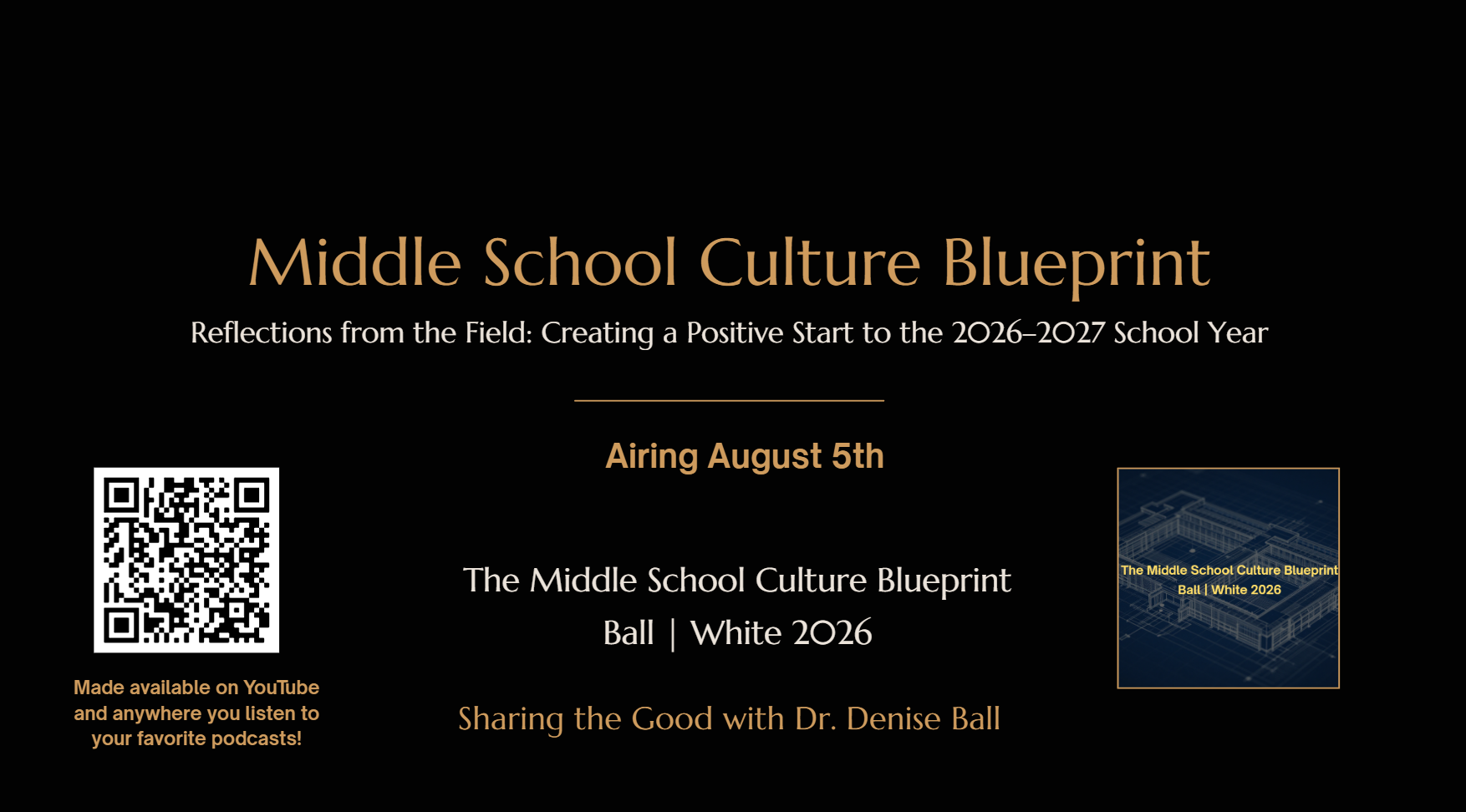
I am grateful to Dr. Nicci Dowd for sharing her wisdom, experience, and joy in Episode 2 of the Joy in the Work series, Make Room for Joy.
Join the conversation on YouTube: [https://youtu.be/ZeFiwsHr9hg] or listen wherever you enjoy your favorite podcasts.
As you begin another week of this important work, I invite you to consider:
Where are you finding joy in the work?
AND perhaps just as importantly:
How are you making room for someone else to find it too?
When we train our eyes to see the good, amazing things happen.
May we continue to seek knowledge in all things,
Denise