
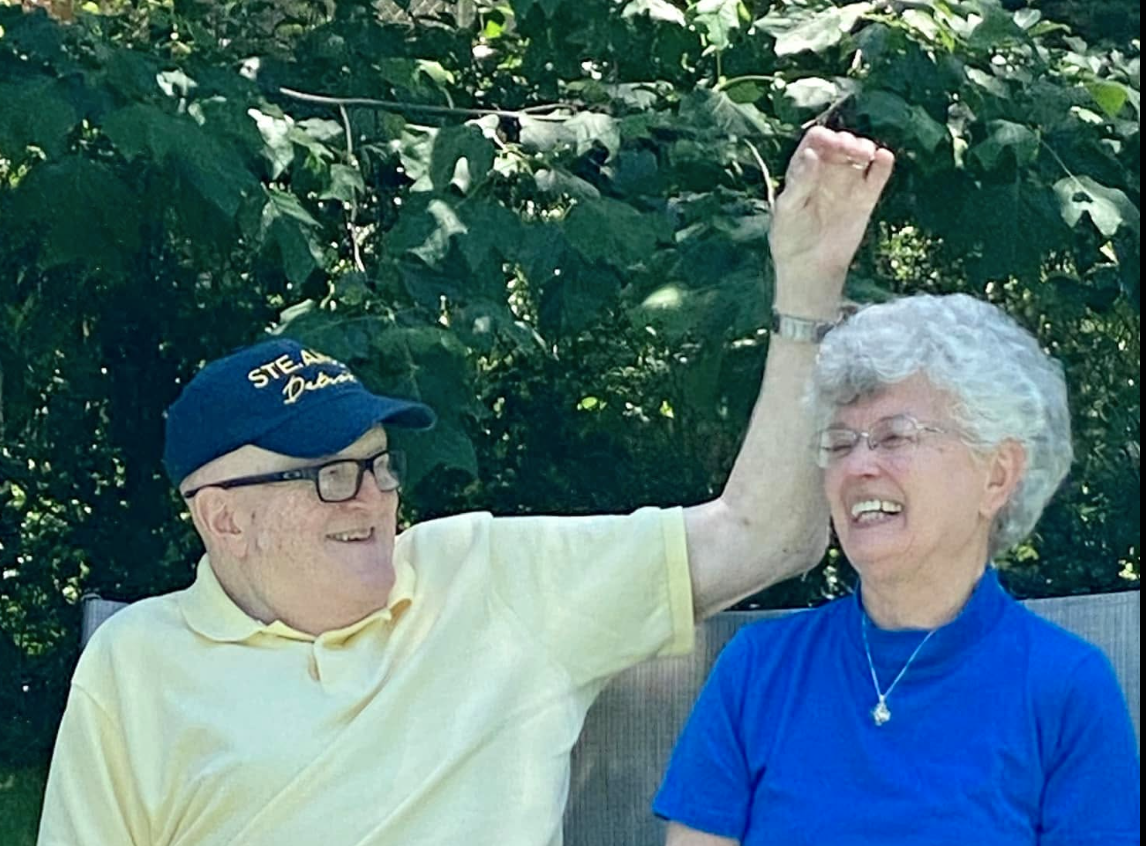
There are moments in life when we are given the gift of seeing something familiar through a different lens.
This week has been one of those gifts for me.
I have had the privilege of spending several days with my mother- and father-in-law, who have been married for 65 years. I came into this week simply hoping to lend a helping hand. Instead, I have found myself deeply moved by what I have been allowed to witness. Sixty-five years of marriage…sixty-five years of building a life together.
Children, grandchildren, great-grandchildren, joy and disappointment, laughter and probably a few tears, seasons of abundance and seasons of uncertainty. There has been sacrifice, moments of forgiveness, examples of faith. They have walked through moments of illness, celebration, and ordinary days that, when woven together, become an extraordinary life…and through it all, words.
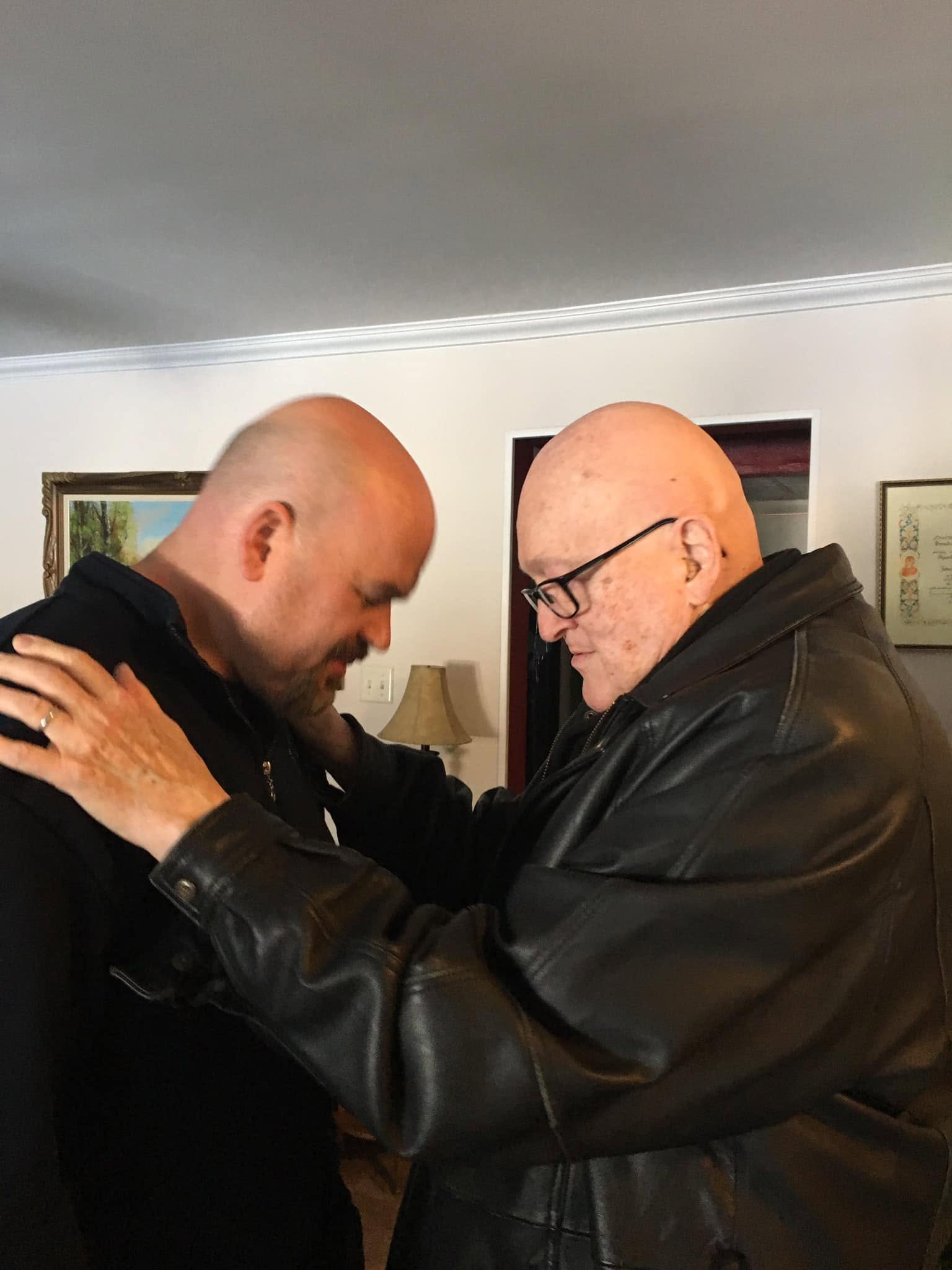
Words spoken across kitchen tables and during long car rides. Words exchanged while raising 7 children and navigating the challenges of life. Words of encouragement during difficult seasons. Words of forgiveness, words of prayer, and words that communicated, in countless ways, I am here. I love you. We are in this together and let us share our joys and sorrows as grandpa taught us.
This week, I have had the honor of hearing some of those words.
I have listened as prayers were offered for children, their spouses, grandchildren, and great-grandchildren by name. I have heard gratitude expressed for the men and women their children have become. I have witnessed love and devotion that have been cultivated over more than six decades. Somewhere along the way, I realized that I wasn’t simply listening to words.
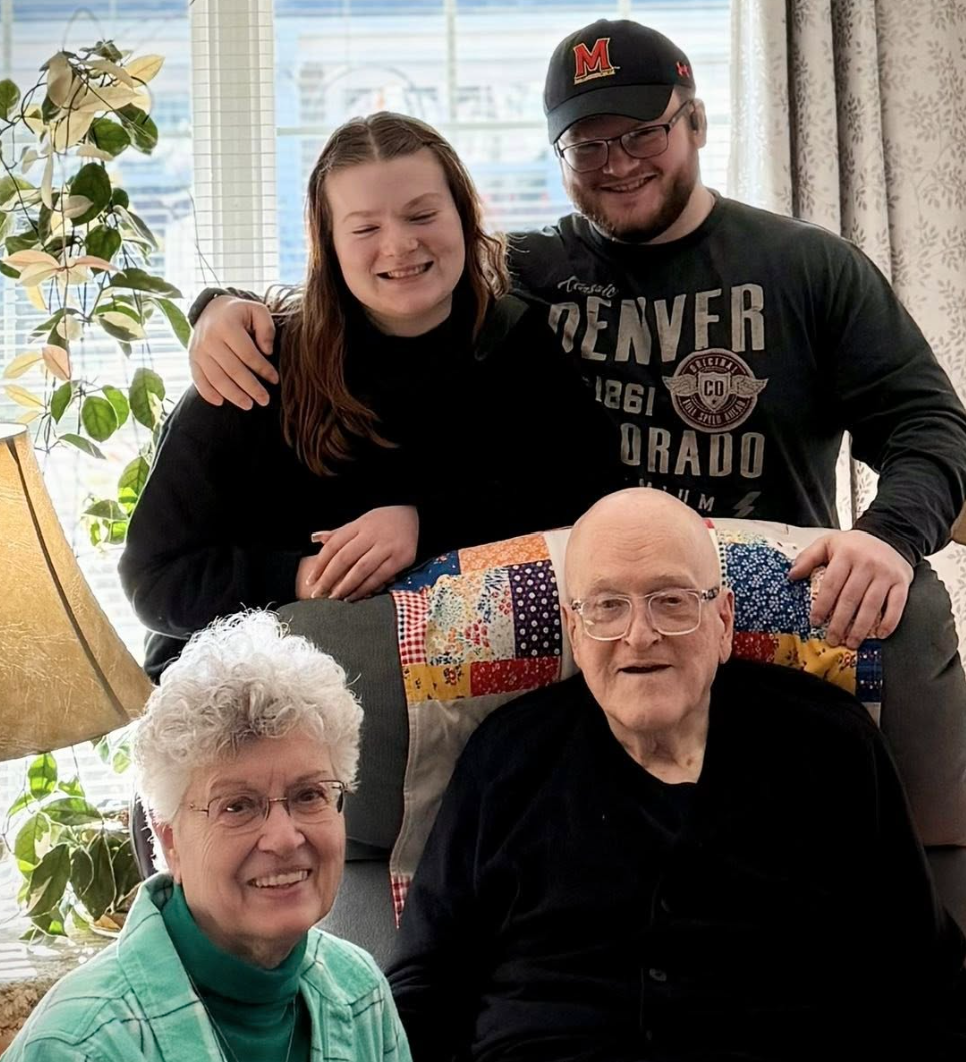
I was witnessing their legacy. That realization has stayed with me.
It has caused me to look at my own words differently and to ask a question I have not been able to shake: What will be the legacy of my words?
The Words We Leave Behind
When we hear the word legacy, we may think about accomplishments, careers, possessions, awards, organizations built, books written, or things passed from one generation to another.
However, perhaps some of the most important parts of our legacy will never appear on a résumé or hang on a wall. Perhaps our legacy also lives in the words other people carry because of us. Think for a moment about the people who have shaped your life.
Can you still hear some of their words? Maybe a parent told you, I’m proud of you. Maybe a teacher saw something in you before you could see it in yourself. Maybe a coach said, Try again. You’ve got this.
Maybe a friend sat beside you during a difficult season and reminded you that you did not have to walk through it alone. Sometimes a sentence spoken in seconds lives within another person for decades. Unfortunately, the opposite can also be true.
Words can discourage, words can diminish, words can divide, and words spoken carelessly in a moment can remain in someone’s heart long after the person who spoke them has forgotten the conversation entirely.
We don’t have to look far to see examples of words being used to tear down rather than build up. Our public discourse, social media feeds, workplaces, schools, communities, and sometimes even our homes can become filled with language that wounds rather than heals.
We may not be able to control all the words filling the world around us.
BUT we can decide what words enter the world through us!
For Educators: What Will Our Students Carry With Them?
As another school year begins, this question feels particularly important for educators.
Soon, classrooms will once again be filled with young people bringing their gifts, questions, hopes, insecurities, experiences, and possibilities through our doors.
They will learn countless lessons this year. They will solve equations, read stories, conduct experiments, study history, create art, collaborate, make mistakes, ask questions, and discover new things about themselves and the world around them.
They will forget some of what we teach, but what words might they carry with them?
What words will my students carry after they leave my classroom?
- Did I tell them they were capable?
- Did I cultivate curiosity rather than a fear of being wrong?
- Did I encourage their sense of wonder?
- Did my words communicate, I see something in you?
- Did I help a young person recognize a gift or talent they had not yet discovered for themselves?
Educators are entrusted with an extraordinary opportunity. Sometimes a sentence that takes us five seconds to speak becomes part of the internal voice a young person carries for years.
What an incredible privilege, and what an incredible responsibility!
For Leaders: What Do People Experience in Our Presence?
The same reflection applies to leadership. Leadership inevitably involves words. We encourage, redirect, question, challenge, explain, listen, coach, correct, celebrate, and sometimes enter conversations we would rather avoid.
So I have been reflecting:
What words do people associate with being in my presence?
- Did my words invite collaboration?
- Did they make difficult conversations safer and more productive?
- Did I listen with a genuine desire to understand?
- Did I ask questions before making assumptions?
- Have my words preserved another person’s dignity, even when disagreement was necessary?
Positive words do not require us to avoid difficult truths.
We can disagree without diminishing. We can correct without humiliating. We can hold someone accountable while still honoring their dignity. We can speak truth and remain kind. Sometimes the legacy of our leadership may be found not in the decisions we made, but in how people experienced themselves while making those decisions alongside us.
For Families: What Are We Handing to the Next Generation?
Perhaps this is the question that has touched me most deeply this week.
What language are we handing from one generation to the next through the words we choose today?
After 65 years of marriage, my mother- and father-in-law have created far more than a shared history. They have created a vocabulary of family…
- Words of faith,
- Words of prayer,
- Words of gratitude, and
- Words spoken over children who eventually became adults, spouses, parents, and grandparents themselves.
Some of those words are being carried forward into another generation.
It makes me think about the words I choose with my own husband, my adult children, family members, and friends. What language am I helping to make part of our family’s story? What will they remember when I am no longer in the room? What will they repeat? What will they pass along? What words of mine might someday come back to them when they need encouragement, peace, courage, or hope?
Sometimes the Legacy Is in the Words We Choose Not to Say
This week has also reminded me that the legacy of our words isn’t only about what we say. Sometimes it is about the words we choose not to say:
- The angry response we decide not to send,
- The criticism that serves no constructive purpose, or
- The last word we decide we don’t need to have.
Sometimes our legacy is found in the words we finally find the courage to say.
- I was wrong,
- I am sorry,
- Please forgive me,
- Help me understand,
- I forgive you, and
- Let’s begin again!
There is tremendous power in an apology finally offered, a difficult conversation courageously entered, or grace extended when someone else’s words have hurt us.
Forgiveness has a language, too. So does humility, and so does GRACE.
The Language of Our Lives
As I have reflected this week, I have also thought about phrases that have become part of my own vocabulary over the years:
- Calm your spirit,
- Thankful Thursday,
- Sharing the Good, and
- When we train our eyes to see the good, amazing things happen.
They are simple words, but over time, repeated words can become invitations to a way of seeing.
This relfection led me to another question that reached my heart:
What phrases have I repeated so often that the people I love might someday hear them even when I am no longer in the room?
Perhaps that is one measure of a life well lived. Not simply: What did I accomplish? But: How did people feel after being in my presence?
- Did my words give others courage?
- Did they spark inquiry and curiosity?
- Did they strengthen someone’s sense of belonging?
- Did they bring peace into a difficult moment?
- Did they point toward hope?
- Did they help another person recognize the good within themselves?
If These Words Were Remembered…
I began this week hoping to be helpful. Instead, I feel as though I have been given a gift.
I have been given the opportunity to slow down, to listen, to observe, and to look through a different lens at a life and marriage built over 65 years.
There has been something sacred about witnessing love expressed not through grand gestures, but through presence, care, prayer, devotion, and words spoken faithfully over a lifetime.
I am grateful to have walked through this week looking through this lens, and perhaps that is why this reflection feels so important to share, because someone will carry something we say today:
- A child,
- A spouse,
- A colleague,
- A friend,
- A student,
- A family member, or
- Perhaps even a stranger.
We may never know which sentence stays with them.
So as we begin a new school year and step into another day filled with opportunities to encounter one another, perhaps we can pause before we speak, teach, correct, post, email, lead, or respond and ask:
If these words were remembered, would I be grateful they were mine?
Maybe we can ask one another another reflection question, too:
What words have stayed with you because someone believed in you, encouraged you, or helped you see something in yourself that you couldn’t yet see?
Those remembered words remind us that what we say today can become part of someone else’s tomorrow.
- Choose words that encourage,
- Choose words that invite wonder,
- Choose words that heal,
- Choose words that forgive,
- Choose words that strengthen,
- Choose words that preserve dignity,
- Choose words that remind another person of their worth, and
- Choose words that help us see the good.
Because long after a conversation ends, our words may continue living in another person’s heart.
So, I leave you with the question that has accompanied me throughout this extraordinary week:
What will be the legacy of your words?
May we continue to seek knowledge in all things,
Denise
Assistant Professor
Marymount University
Join the conversation
LinkedIn: linkedin.com/in/deniseballedu
Instagram: deniseball_edu
YouTube: www.youtube.com/@SharingTheGoodwithDrDeniseBall
Facebook: https://www.facebook.com/SharingTheGoodWithDrDeniseBall
Blog: www.unlocktheteacher.org
Sharing the Good is also available wherever podcasts are enjoyed!


