Tag Archives: K through 12

When Shared Mission Becomes a Shared Walk

Why Fellowship is Essential with Karina Lepkowski, Principal, Most Holy Trinity

Fellowship is more than networking. It is more than collaboration around a project, committee, or a professional learning day. Fellowship is what happens when trust is built over time, shared mission becomes a shared walk, and colleagues become the trusted voices we return to because we know they will listen, encourage, challenge, and help us see more clearly.

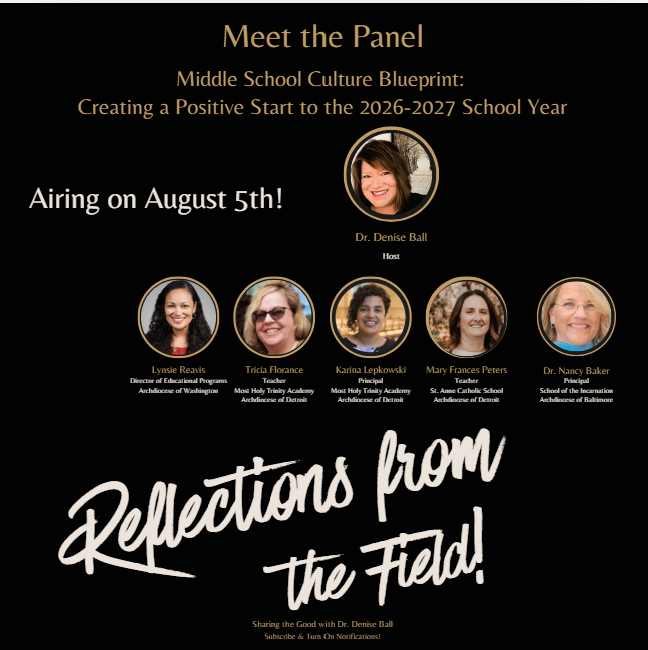
Today, I had the joy of meeting with Karina Lepkowski, Principal at Most Holy Trinity Catholic Academy in the Archdiocese of Detroit. Karina and I have been collaborators for 14 years. She served on my team at St. Regis Catholic School, we have worked together on committees, and she has led sessions for professional learning days I developed for the Archdiocese of Baltimore. Over the years, our professional paths have crossed in many meaningful ways. But perhaps one of the most treasured parts of our story is this: Karina introduced my son to music and taught him how to play the alto saxophone. His love of jazz and the gift of having music in his heart will last him a lifetime. For that, I will always be grateful to this amazing educator, and I am honored to call her a friend now.

About Karina

Karina Lepkowski is a distinguished Catholic educator and graduate of the University of Notre Dame’s Alliance for Catholic Education (ACE) Mary Ann Remick Leadership Program. As a member of Cohort 18, she earned a Master of Arts in Educational Leadership and has continued to serve Catholic education with dedication, wisdom, and heart. Her leadership and service were also recognized by the Catholic Foundation of Michigan, which honored her with an Amazing Catholic Educator Award.

A Servant Leader

While these accomplishments speak beautifully to Karina’s professional impact, what I value most is the way she leads through relationships. She is the kind of educator and leader who listens deeply, shares generously, and reminds others that the work of Catholic education is strengthened when we walk alongside one another.

As Karina and I caught up and discussed projects we are working on, I was reminded of something important. Educational leaders need trusted voices. We need people who understand the work, who know the heart behind the work, and who can offer honest insight because the relationship is rooted in care. These are the colleagues who help us process ideas, sharpen our thinking, and stay grounded in mission. They remind us that leadership was never meant to be a lonely road.

Research continues to affirm what many of us have experienced in our own leadership journeys. Strong professional learning is collaborative, sustained, and grounded in reflection. Darling-Hammond, Hyler, and Gardner (2017) found that effective professional development creates opportunities for educators to share ideas, collaborate in job-embedded ways, and build communities that can positively influence the culture and instruction of a school or system. Similarly, research on collective teacher culture points to the importance of shared goals, supportive colleagues, collective efficacy, and belonging as important dimensions of a healthy school culture.

This is why fellowship matters. When leaders intentionally build relationships of trust and professional friendship, they strengthen the culture around them. Fellowship helps us become better listeners. It helps us ask better questions. It gives us space to pause, reflect, and renew. It also helps us remember that the work of education is deeply human. Behind every initiative, every professional learning session, every school improvement goal, and every strategic plan are people who need encouragement, connection, and belonging.

In my own research on teacher retention, school climate, leadership, collaboration, and culture emerged as important areas of focus in understanding how educators experience their work and what helps them remain committed to the mission (Ball, 2023). Positive school culture is not built by accident. It is formed through intentional relationships, shared purpose, and the daily decision to walk alongside one another.

As educational leaders, we often spend time developing strategic muscles: planning, decision-making, problem-solving, communication, and execution. These are important. However, I would share that research supports that we also need to be just as intentional about building the muscle of fellowship. Collective teacher culture is strengthened through shared goals and values, collective efficacy, supportive colleagues, belonging, and job satisfaction, all of which remind us that trusted professional relationships are central to healthy school communities (Skaalvik & Skaalvik, 2021). Who are the trusted voices we call when we need to think out loud? Who helps us see the good when the work feels heavy? Who reminds us of who we are and why this work matters?

The summer weeks offer a beautiful invitation to pause and reach out. Send the text, make the call, or schedule the coffee. Technology offers us the wonderful ability to connect via Zoom, Meet, FaceTime, etc. We really have no excuse not to engage with the technological tools at our fingertips today. I encourage you to reconnect with the colleague who has walked part of the journey with you. Take time to say thank you to the person who helped shape your leadership, your school community, or even your family in ways that will last a lifetime. Gratitude has a way of lowering our stress levels and refocusing our lens to see the good all around us.

When we make time to walk alongside one another, we build the kind of school culture where others can do the same.

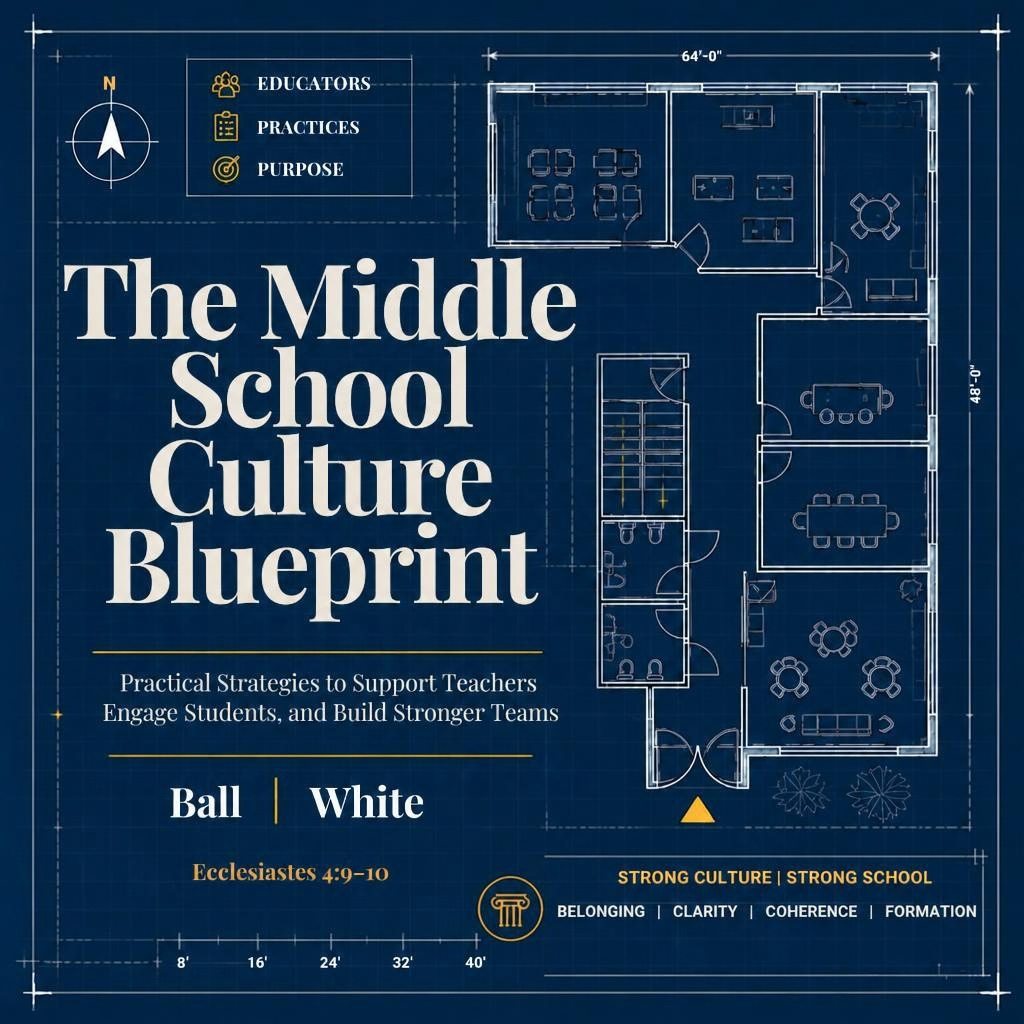
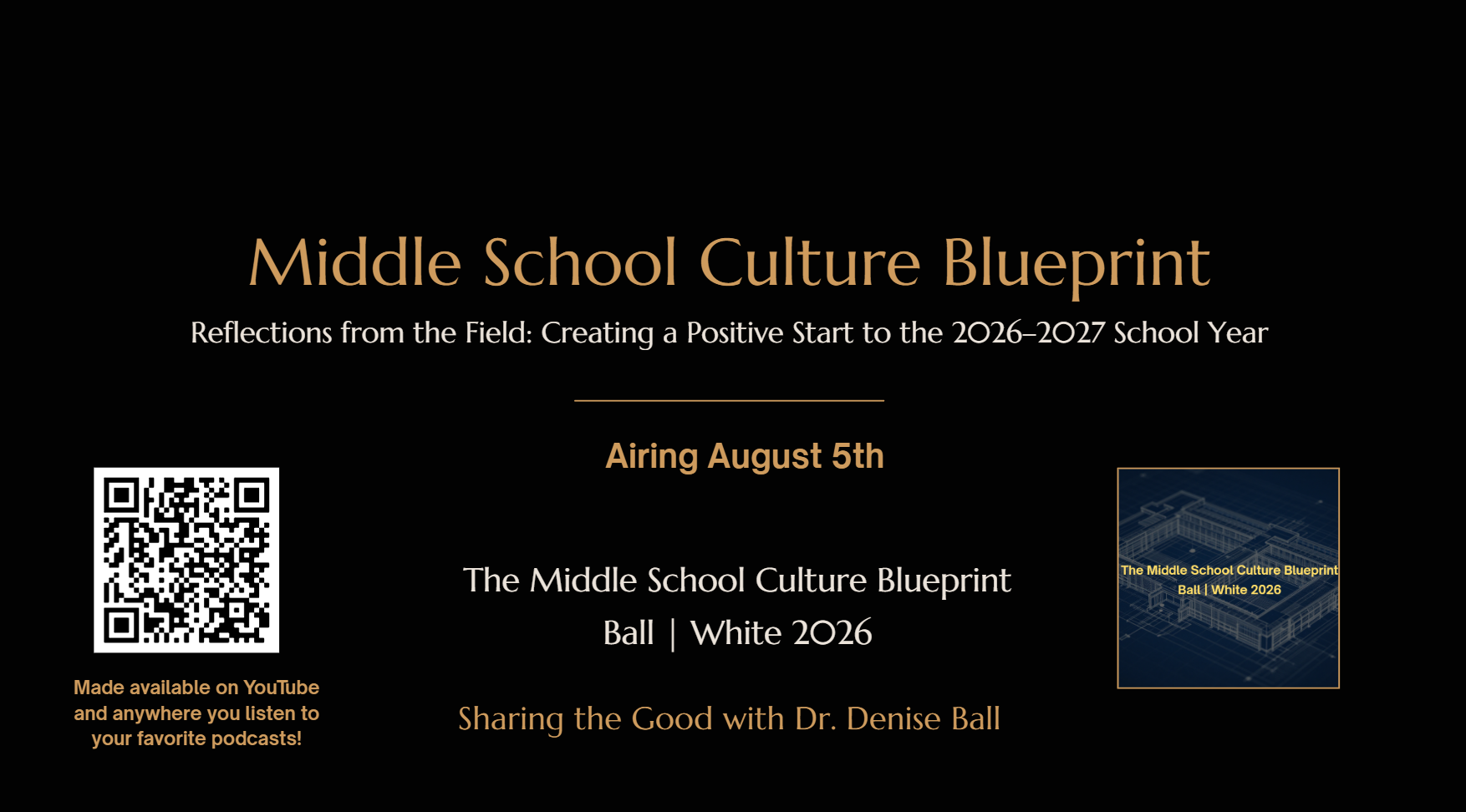
This year, my research has continued to center around school culture and team development. In my two latest projects, When We Train Our Eyes to See the Good, Amazing Things Happen and The Middle School Culture Blueprint, which I am co-authoring with Dr. LaTonya White, I have been reflecting deeply on the gift of fellowship and why it matters so much for educational leaders. If you would like to share your thoughts, please send me a message or leave a comment. I welcome the feedback and insights.

Dr. LaTonya White and Dr. Denise Ball, National Catholic Leadership Convention 2026

May we continue to seek knowledge in all things,
Denise

References

Ball, D. M. (2023). Improving teacher retention within Archdiocese of Washington schools [Doctoral dissertation, Liberty University]. Liberty University Scholars Crossing.

Darling-Hammond, L., Hyler, M. E., & Gardner, M. (2017). Effective teacher professional development. Learning Policy Institute.

Skaalvik, E. M., & Skaalvik, S. (2021). Collective teacher culture: Exploring an elusive construct and its relations with teacher autonomy, belonging, and job satisfaction. Social Psychology of Education, 24, 1389–1406.

United States Conference of Catholic Bishops. (2011). New American Bible, Revised Edition.

Leave a comment

Filed under Educational Resources

Summer Fellowship: A Time to Pause, Reflect, and Renew

There is something calming about the summer weeks in education. The pace shifts, the calendar breathes, and the noise of the school year begins to quiet just enough for leaders, teachers, and all those who serve school communities to pause and remember why the work matters. Why we CHOOSE to serve in education.

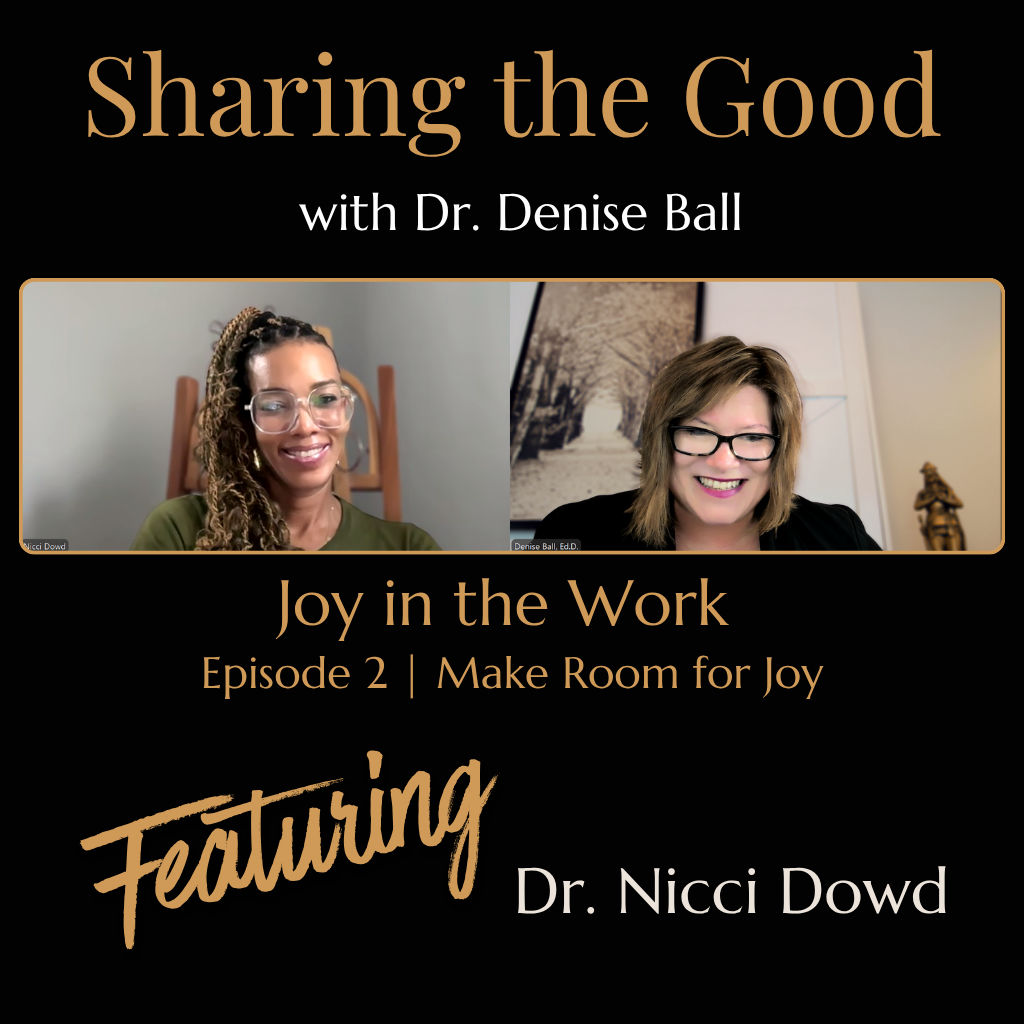
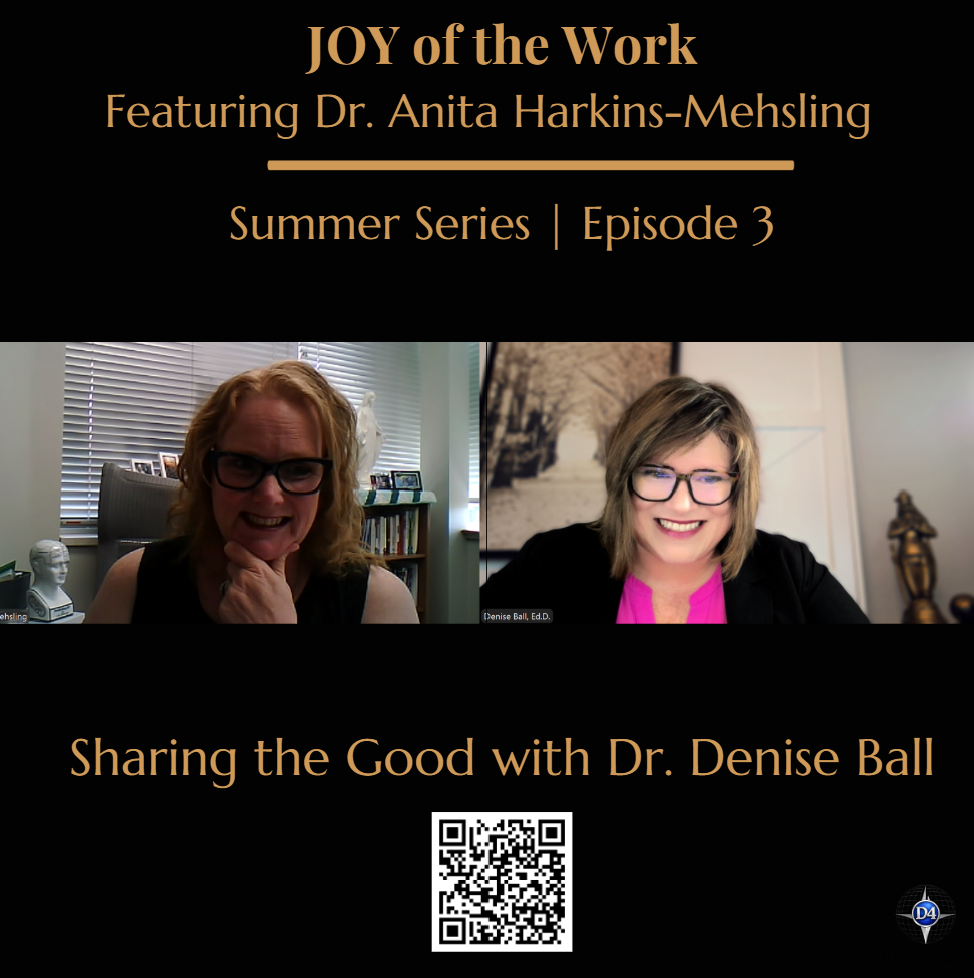
In my recent Sharing the Good with Dr. Denise Ball conversation, Dr. Nicci Dowd offered a beautiful reflection on the gift of fellowship and the importance of walking alongside others in faith, service, and community. Her words were a gentle reminder that fellowship is not simply about being with others. It is about being known, encouraged, strengthened, and reminded that we are not meant to do this work alone. Serving in education is a ministry (Dowd, 2026). [Dr. Nicci Dowd]

Educational leadership can be deeply meaningful, but it can also be lonely. Leaders are often called to hold the vision, solve the problems, support the team, manage the unexpected, and remain steady for others. Research on educational leaders’ well-being reminds us that positive relationships, purpose, engagement, health, and meaning are important dimensions of flourishing in leadership (Doyle Fosco, 2022). In other words, leaders do not thrive by carrying the work alone. They thrive when they are connected to people, purpose, and practices that restore them. Sometimes it might be easier to withdraw during these summer months, but I encourage you to reach out to a colleague or friend you have not talked with in a while and listen, share, and take joy from the fellowship.

Fellowship is one of those restoring gifts. It creates space for honest conversation, shared wisdom, prayerful encouragement, and the quiet reminder that someone else understands the road we are walking. For educational leaders, fellowship may come through a trusted colleague, a mentor, a faith-filled friend, a professional learning community, or a simple summer conversation over coffee. These moments may seem small, but they can become anchors of belonging. My quick and random chat with Nicci today was an instant bucket filler and reminded me of just how important these brief moments of fellowship are to spark inspiration and creativity.

Belonging matters because school communities are relational communities. Research continues to affirm that educator well-being is shaped not only by individual habits, but also by the relational and organizational conditions of the school community (Cann et al., 2022). When educators feel supported, respected, encouraged, and connected to a shared mission, the culture of the school is strengthened. When leaders model that same need for connection, they give others permission to seek support as well.

This is especially important for school leaders who are constantly pouring into others. Emotionally supportive leadership has been linked to educator well-being, especially during seasons of challenge and change (Floman et al., 2023). Leaders who listen, encourage, regulate their own emotions, and offer meaningful support help create healthier school environments. Yet leaders also need spaces where they can receive that same encouragement. Fellowship reminds us that the encourager also needs encouragement.

Summer offers a natural invitation to renew these connections. It is a time to step back from the constant urgency of the school year and ask a few important questions:

Who helped me carry the work this year?

Who might need to hear from me?

Who reminds me of the good?

Who helps me reconnect with faith, purpose, and joy?

Who can I encourage this week?

These questions are simple, but they are powerful. A text message, a phone call, a walk with a friend, a handwritten note, or an invitation to meet for coffee, jump on a quick Zoom (thank you, Nicci) can become a moment of grace. In a profession where so many people give so much of themselves, reaching out is not one more task but an act of caring for ourselves and others.

For those of us called to serve in education, fellowship also strengthens mission. Research on teacher retention highlights the importance of collegial support, trust, shared purpose, recognition, and leadership practices that build relationships within the school community (Ball, 2023 & Lochmiller et al., 2024). When leaders cultivate belonging, they help create communities where people are more likely to feel valued and more willing to remain committed to the work.

I encourage those who serve in education to view the summer not as a retreat from the mission but as preparation to return to it with a renewed heart. We pause so we can listen. We reflect so we can learn. We reconnect so we can remember that the work of education is not meant to be carried out in isolation.

Hebrews reminds us to “rouse one another to love and good works” and to encourage one another (Hebrews 10:24). That encouragement is not accidental but a muscle meant to be practiced. It is a choice and a service to others. It is part of building communities where faith, service, and joy can take root.

So, during these summer weeks, reach out. Call the colleague who lifted your spirit this year. Send a message to the friend who always helps you see the good. Thank the mentor who helped you keep going. Invite someone into conversation. Make room for fellowship. I jam every day on praise and worship. I try to share a link to a song at least once or twice a week with those who come to mind as I pray through song. Please be encouraged to share how you stay connected. This is a blog for learning!

We are better when we walk together…

When we train our eyes to see the good, amazing things happen.

May we continue to seek knowledge in all things,

Denise

References

Cann, R. F., Sinnema, C., Daly, A. J., Rodway, J., & Liou, Y.-H. (2022). The power of school conditions: Individual, relational, and organizational influences on educator wellbeing. Frontiers in Psychology, 13, Article 775614. https://doi.org/10.3389/fpsyg.2022.775614

Doyle Fosco, S. L. (2022). Educational leader wellbeing: A systematic review. Educational Research Review, 37, Article 100487. https://doi.org/10.1016/j.edurev.2022.100487

Floman, J. L., Ponnock, A., Jain, J., & Brackett, M. A. (2023). Emotionally intelligent school leadership predicts educator well-being before and during a crisis. Frontiers in Psychology, 14, Article 1159382. https://doi.org/10.3389/fpsyg.2023.1159382

Lochmiller, C. R., Perrone, F., & Finley, C. (2024). Understanding school leadership’s influence on teacher retention in high-poverty settings: An exploratory study in the U.S. Education Sciences, 14(5), Article 545. https://doi.org/10.3390/educsci140505

Leave a comment

Filed under Summer Strategies for Educational Leaders

Summer Resources for Teachers and Parents: Keeping Curiosity, Joy, and Learning Alive

Summer is a gift!

It is a time to pause, breathe, rest, reconnect, and allow children, parents, and teachers to experience learning through a different lens. Learning does not need to stop when the school year ends. In fact, some of the most meaningful learning happens during the slower moments of summer…in the backyard, at the kitchen table, on a family walk, at the library, while traveling, while serving others, while reading together, or simply by asking good questions and making the act of inquiry fun!

For teachers, summer can be a time to renew creativity and gather meaningful resources for the year ahead. For parents and caregivers, summer can be a time to nurture curiosity without recreating the structure of the school day. Children need rest, play, imagination, and connection. They also benefit from small, intentional moments that keep their minds active and their love of learning alive.

The goal is not to overschedule summer

Photo credit: Denise Ball, Ed.D. (c) 2025

A Few Gentle Summer Learning Reminders

Read something every day. It does not always need to be a chapter book. It can be a recipe, a poem, a comic, a prayer, a field guide, a sign at a museum, a letter from a grandparent, or a book read together before bed.

Practice math in real life. Double a recipe. Estimate the grocery total. Track the weather. Compare sports statistics. Build something. Measure something. Let children see that math lives all around them.

Make space for creativity. Sidewalk chalk, journaling, drawing, building, storytelling, music, nature walks, and family traditions all support learning. Children are forming memories while they are forming skills.

Use technology with purpose. Online resources can be wonderful when used intentionally. A short learning activity, a virtual museum visit, a math review, a science video, or a writing prompt can be helpful, especially when paired with conversation.

Protect time for rest and relationships. Children do not simply need information; they need formation. They need adults who see them, listen to them, encourage them, and help them notice the good. I encourage you to help them see and share the good. It will be good for them and your entire family unit!

Photo credit: Denise Ball, Ed.D. (c) 2025

Recommended Summer Resources for Teachers and Parents

Khan Academy remains a helpful free resource for students, parents, and teachers. It offers lessons, practice exercises, videos, and learning dashboards across math, science, reading, computing, history, economics, financial literacy, test preparation, and more. It can be especially helpful for families looking for short, focused skill practice over the summer.

Khan Academy Kids also offers free printable activities for parents and teachers, including off-screen options in English and Spanish. This is a helpful reminder that summer learning does not always need to happen on a device.

ReadWriteThink is a strong literacy resource for teachers, parents, and afterschool professionals. It includes classroom resources, student interactives, writing tools, lesson plans, and printables across grade levels. It is a wonderful place to explore reading and writing activities that can be adapted for summer learning.

The Smithsonian Learning Lab offers digital images, videos, texts, recordings, and collections that teachers and families can use to explore history, art, culture, science, and more. This is a beautiful resource for curiosity-driven learning and project-based exploration.

NASA Learning Resources provide STEM activities, videos, student opportunities, educator resources, and family-friendly ways to explore science, space, engineering, and discovery. For children who love to ask “why” and “how,” NASA can help turn curiosity into deeper learning.

The National Park Service offers teacher-created lesson plans and outdoor learning resources connected to nature, science, history, and exploration. These resources can help families and teachers connect learning to the world beyond the classroom walls.

Photo credit: Denise Ball, Ed.D. (c) 2023

Simple Summer Learning Ideas for Home

Create a family reading basket. Place books, magazines, devotionals, field guides, library books, and journals in one shared space. Invite children to choose something to read each day.

Start a “wonder journal.” Ask children to write or draw one thing they noticed, wondered about, or learned each day.

Plan one curiosity outing each week.Visit a library, park, museum, garden, historical site, farmer’s market, or local landmark. Before going, ask: What do we already know? What do we want to learn?

Use the 20-minute rule. Twenty minutes of reading, math practice, writing, or creative learning a few times a week can help keep skills active without overwhelming the gift of summer. As adults, we call this “time boxing”…

Build a family tradition. Summer traditions do not need to be complicated. A weekly library visit, Sunday evening walk, family game night, prayer before a trip, or “tell me one good thing” dinner conversation can become an anchor children remember for years.

A Note to Teachers

Teachers, I hope summer gives you space to rest.

You have poured out so much this year. You have taught lessons, managed transitions, encouraged children, supported families, adjusted plans, solved problems, and carried more than many people will ever see. Please give yourself permission to pause.

When you are ready, perhaps choose one or two resources that inspire you for the year ahead. Not twenty. Not fifty. Just one or two that help you imagine what is possible.

Summer is not only for planning but for renewing the heart.

Photo credit: Denise Ball, Ed.D. (c) 2026

A Note to Parents and Caregivers

Parents are the first teachers of their children. The small moments really do matter.

Reading together matters, asking questions matters, and taking the time to pause, look children in the eye, and listening to them matters.

Putting aside the demands of our time that the chaos of life often places on our schedules and taking a walk matters.

Telling family stories matters, and helping children see that learning is not limited to a classroom matters.

Summer gives families a beautiful opportunity to slow down and remind children that learning is part of life, not just part of school. Life is a gift, and helping our children train their eyes to see this good is meaningful and essential!

Photo credit: Denise Ball, Ed.D. (c) 2006

As we move through the summer months, may we remember that learning is not meant to be heavy. It is meant to awaken curiosity, deepen connection, strengthen confidence, and help children see the beauty of the world around them.

Let us use this summer to rest well, read often, explore joyfully, ask good questions, and share the good.

When we train our eyes to see the good, amazing things happen.

May we continue to seek knowledge in all things,

Denise

Sharing the Good with Dr. Denise Ball

Summer Spotify Playlist

Leave a comment

Filed under Parent resources, Summer Learning

What We Build Together: The Power of Collaboration–A Middle School Mindset Initiative

There is a particular kind of energy that comes from meaningful collaboration. The kind that is grounded in shared mission, fueled by trust, and sustained by a deep belief in the work we are called to do.

Over the past year, I have had the privilege of working alongside incredible partners to bring the Middle School Mindset Portfolio of Services to life. What began as an idea has grown into something far more powerful than any one organization could have accomplished alone. In just a few short weeks, we will launch this work nationally on May 29.

This moment feels significant, not simply because of the launch itself, but because of what it represents.

A Response to a Critical Moment

Middle school is a pivotal season of formation. It is a time when students are asking deeper questions about identity, belonging, and purpose. It is also a time when educators are navigating increasing complexity like academic recovery, student engagement, and social-emotional needs, all while striving to create classrooms where students feel known and valued.

We cannot meet this moment in isolation.

The Middle School Mindset Portfolio was built in response to that reality. It is not a single program or a one-size-fits-all solution. Rather, it is a collaborative ecosystem designed to support educators with practical strategies, meaningful resources, and a shared commitment to strengthening both instruction and culture.

The Gift of Partnership

One of the greatest joys in this work has been collaborating with mission-aligned partners who bring both expertise and heart to the table.

A special acknowledgment goes to Archangel Education and Technology, whose team is building an innovative digital ecosystem that will no doubt become a destination space for educators and system leaders. Their work reminds us that when technology is designed with purpose, it can truly amplify impact.

Equally inspiring has been our partnership with the Archdiocese of Miami pilot schools. On May 29th, during this complimentary webinar, we will hear directly from middle school teachers who have engaged in this work, educators who are thoughtfully applying strategies, reflecting on practice, and shaping what this portfolio will become at scale.

To visit these vendor partners supporting schools nationwide, please visit:

www.theadac.com | https://friendzy.co/ | https://www.sadlier.com/ | https://arch-te.com/

We can serve students and teachers more when we do it together!

From Research to Practice: Naming What Matters Most

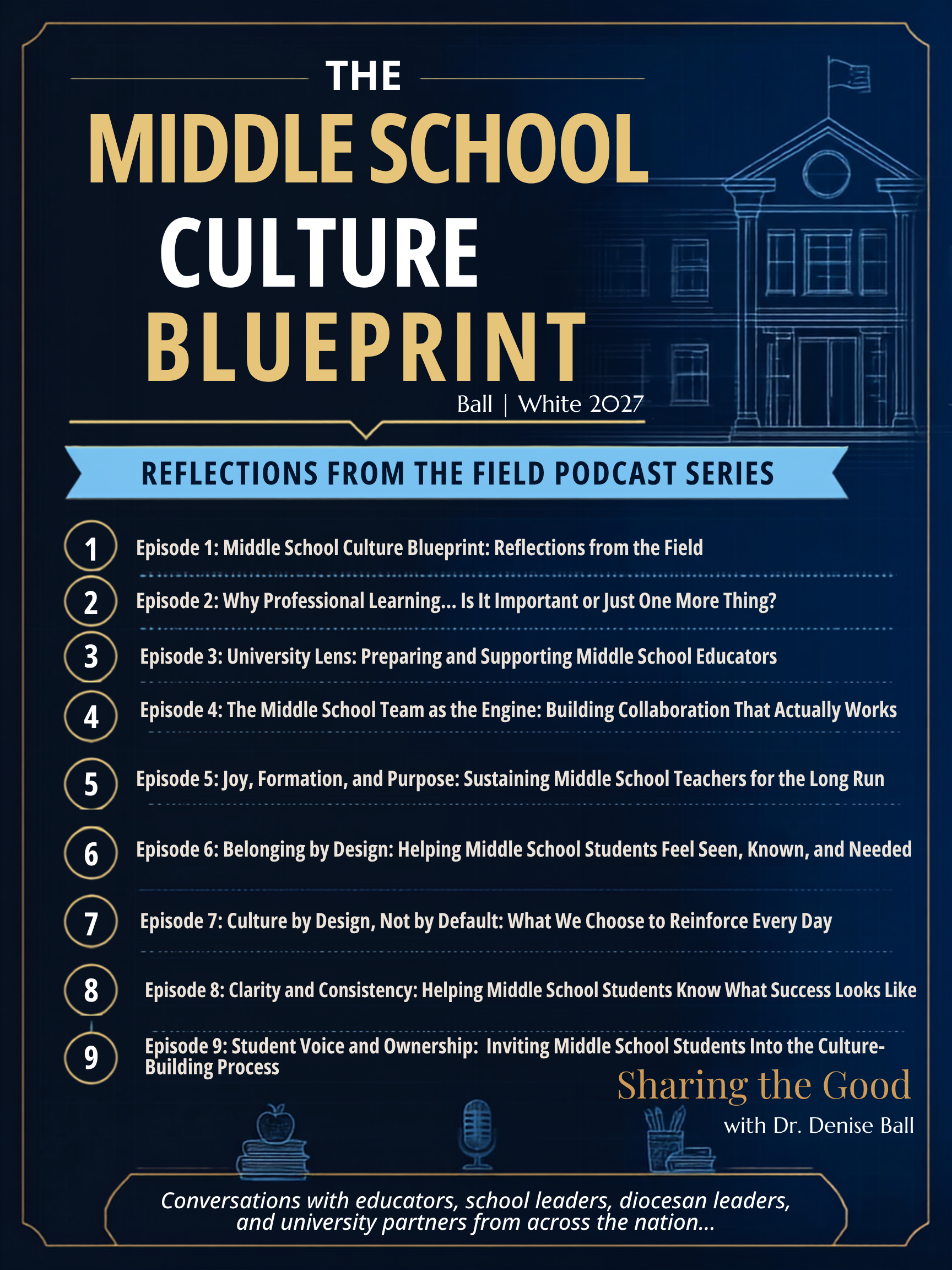
This work has also deepened my ongoing collaboration with Dr. LaTonya White. Together, we are preparing to share our research in the forthcoming Middle School Culture Blueprint (Ball & White, 2026).

At the center of our work is a simple yet deeply impactful reminder: what we reinforce each day becomes the culture we experience, whether by intention or by default.

Middle school culture does not happen by accident. It is shaped in the small, consistent moments: in how we greet students, how we structure learning, how we respond to challenges, and how we create space for student voice. Belonging is not a program we implement. It is a condition we intentionally cultivate through every interaction, every structure, and every expectation (Ball & White, 2026).

When we are intentional, we create environments where students and teachers can thrive. When we are not, culture is still formed, but often in ways that do not serve our mission. The opportunity before us is to lead with clarity, purpose, and hope, and to build cultures where every student and educator knows they are seen, valued, and called to grow.

A Moment of Anticipation

As we look ahead to our national webinar launch on May 29, I am filled with gratitude for the partnerships, for the educators, and for the shared commitment to this work. This is more than a program launch. It is a reflection of what is possible when we come together, listen deeply, and build something that responds to the real needs of our schools. It is a reminder that we are not alone in this work. And… it is an invitation to continue to collaborate, to continue to learn, and to continue to see the good that is unfolding all around us.

The May 29th registration is live (scan the QR code above). Come and join the conversation!

What a privilege it is to serve!

Leave a comment

Filed under Middle School Strategies

The Power of Traditions in a 30-Second World at Home & in the Classroom

We are raising children in a world of scroll, swipe, and sound bites. Information arrives in 30-second clips, fragmented headlines, and algorithm-driven content streams. Research suggests that rapid, high-frequency digital consumption can shorten attention spans and contribute to cognitive overload (Carr, 2010; Ophir et al., 2009). Attention is divided. Moments are rushed. Noise is constant.

In this environment, parents and teachers are called to be architects of pause.

Traditions and routines are not small things. They are anchors. They slow the train. They invite us to stop long enough to see, truly see, the children in our classrooms and the people in our homes.

These pauses do something powerful to the human spirit…

They create predictability in an unpredictable world. They foster emotional safety. They promote a grounded sense of reality, a reminder that life is more than reaction and response; it is relationship and presence. Research consistently links predictable routines with improved emotional regulation, reduced anxiety, and stronger mental and physical health outcomes in children and adolescents (Fiese et al., 2002; Spagnola & Fiese, 2007).

A Situation We Recognize

Imagine a middle school classroom on a Monday morning.

Students arrive buzzing from weekend activity and digital stimulation. Some are anxious about assignments. Others are carrying silent burdens from home. The energy is scattered.

Instead of diving immediately into content, the teacher begins with “Monday Morning Light.” A candle is turned on (battery operated for safety). Soft instrumental music plays for two minutes. Students are invited to write one gratitude and one intention for the week.

The room shifts…

Breathing slows. Shoulders drop. Eye contact increases. Students are no longer fragmented individuals entering from separate worlds, they are a community beginning together!

Over time, this simple ritual becomes a stabilizing force. It lowers stress responses and supports emotional regulation, outcomes that research connects to consistent family and classroom routines (Spagnola & Fiese, 2007).

That two-minute tradition communicates:

You are safe here. You belong here. We begin together.

Traditions do not waste time. They redeem it.

Why Traditions Matter

Traditions:

-Provide emotional security in uncertain times

-Strengthen identity and belonging

-Reinforce shared values

-Reduce stress through predictable rhythms

-Build intergenerational memory and meaning

-Cultivate hope

Traditions remind us of good memories of what was and give us hope for what is to come.

Let us never underestimate the power of hope. Hope strengthens resilience. Hope sustains effort. Hope fuels joy!

Simple Traditions to Begin Today

In the Classroom

1. Gratitude Friday

End every Friday with students naming one win from the week: academic, personal, or relational.

2. “Light the Week” Ritual

Begin Mondays with a short reflection, Scripture, quote, or moment of silence.

3. Celebration Wall

Create a space where students post small victories: kindnesses, perseverance, improvement.

4. Monthly Service Spotlight

Each month highlight a virtue or service theme and celebrate students who model it.

5. Seasonal Reset Days

At the start of each quarter, pause for goal-setting and community-building before diving into content.

At Home

1. Sunday Supper Tradition

Phones away. One question around the table that invites storytelling.

2. Birthday Blessings

Each family member speaks a word of affirmation over the birthday child, regardless of age.

3. First-Day-of-School (First-Day-of Quarter) Breakfast Ritual

Same meal. Same prayer. Same photo spot. Every year/every quarter.

4. Advent or Lent Reflection Nights

Short candle-lit gatherings with reflection and shared intention.

5. Monthly Memory Night

Pull out old photos and tell stories. Children anchor their identity in narrative memory. (Note: my kids are in their twenties and Michael and I still lean in on this tradition a few times a year.)

Intentional Pauses are Essential

Traditions are not elaborate productions. They are intentional pauses.

In a world that accelerates, traditions decelerate.

In a culture that fragments, traditions gather.

In a society that overwhelms, traditions ground.

Children, young and old, do not simply need information. They need formation.

They need rhythms that say:

You belong. You are known. You are part of something lasting.

As parents and teachers, we are not just managing days.

We are shaping memories.

We are cultivating hope.

We are building anchors that will steady our children long after they leave our classrooms and homes.

Let us be people who pause, let us be people who build traditions, and let us be people who carry hope forward.

Stay tuned for more information on making a difference for children and in service to others. When We Train Our Eyes to See the Good—Amazing Things Happen (Ball, 2026) is in one of the final draft phases 😉.

I would love to hear the classroom and home traditions and routines being used—please leave a comment and share with those who follow this blog. This blog has surpassed over 1 million views…thank you for sharing the good!

May we continue to seek knowledge in all things~

Denise

References

Carr, N. (2010). The shallows: What the Internet is doing to our brains. W. W. Norton & Company.

Fiese, B. H., Tomcho, T. J., Douglas, M., Josephs, K., Poltrock, S., & Baker, T. (2002). A review of 50 years of research on naturally occurring family routines and rituals: Cause for celebration? Journal of Family Psychology, 16(4), 381–390. https://doi.org/10.1037/0893-3200.16.4.381

Ophir, E., Nass, C., & Wagner, A. D. (2009). Cognitive control in media multitaskers. Proceedings of the National Academy of Sciences, 106(37), 15583–15587. https://doi.org/10.1073/pnas.0903620106

Spagnola, M., & Fiese, B. H. (2007). Family routines and rituals: A context for development in the lives of young children. Infants & Young Children, 20(4), 284–299. https://doi.org/10.1097/01.IYC.0000290352.32170.5a

Leave a comment

Filed under Creating a Positive School Culture, Inspiration, Positive School Culture, Traditions for Home & the Classroom

Marymount University Complimentary Virtual Leadership Retreat -October 2, 2025

I am grateful to Marymount University School of Education for the invitation to participate and provide tomorrow’s keynote address for this inaugural Leadership Retreat (virtual).

This inspiring day will focus on transformative leadership, with engaging sessions led by Marcia Baldanza, Ed.D., Jennifer Scully, Ed.D., Nicci Dowd, EdD, Tanya Salewski, Ed.D, Dr. Gina DiVincenzo, Dr. Allison Ross , and Travis Zimmerman, Ed. D.

Looking forward to a day of learning, reflection, and vision-casting with incredible colleagues who are shaping the future of education.

Marymount University School of Education serves 270+ aspiring doctoral students, current and future school leaders.

Scan the QR code to join the conversation! This complimentary virtual event begins tomorrow at 9AM.

It is easy to share the good!

Leave a comment

Filed under Conferences, Educational Conversations, Inspiration

Be a Distributor of Joy and Change the Teacher Attrition Rate

Blackaby (2015) reminds us that a positive school culture begins with a service-oriented mindset. Leaders must build a clear vision of the kind of school environment they want to cultivate for teachers, students, and families. Building a strong team and a positive school culture requires shared leadership, collaboration, and a focus on teacher well-being.

School leaders must be present and care enough to listen and enter the difficult conversation(s). Joy must be modeled by the school leader in both word and action…it is synergistic and transformative for a school team and a school campus/community. At the heart of teacher retention lies a simple but profound truth—joy!

As educational leaders, we must be builders and distributors of joy, creating school cultures where educators are not just sustained but inspired. Joy is not just an outcome of a thriving school environment, it is the very foundation upon which leadership, professional learning, culture, and a positive school team interconnect and strengthen one another.

When leaders cultivate environments where teachers feel valued, when professional learning is meaningful and collaborative, when school culture is intentionally shaped with positivity and respect, and when teams work together with a shared purpose, joy emerges.

The discussion on teacher retention was important pre-COVID and is essential post the pandemic when many teachers are still struggling. Teachers need to pause and take the time to reflect and acknowledge the work it took to walk through that period, celebrate the amazing things that occurred due to their hard work and service to others, so they can close the chapter and get back to the joy of education that attracted them to the profession in the first place.

The conversation on teacher retention and the importance of school leadership and a positive school culture continues…

May we continue to seek knowledge in all things,

Denise

2 Comments

Filed under Curriculum Resources, Teacher Retention and Recruitment

Listening, Learning, and Leading: A Conversation on Teacher Retention


Teacher retention is not just a policy issue, it is  a deeply personal one. Behind every statistic is a teacher who has dedicated their time, energy, and heart to shaping the next generation. The reasons educators stay or leave are complex, intertwined with school culture, leadership, and professional fulfillment. The most effective way to address teacher retention is simple yet profound: we must listen.


As school leaders, we have an obligation to understand the realities our teachers face, to hear their challenges, and to amplify their successes. Listening is not just a courtesy, it is  a leadership strategy. When teachers feel valued, heard, and supported, they are more likely to stay and thrive.


It was an incredible honor to be invited to lead a discussion on teacher retention as part of the ADAC Answers series. With over 240 school leaders from 40 states and the District of Columbia, registered and representing public, private, faith-based, and international schools. These leaders represented approximately 34,000 teachers and 370,000 students. This conversation reflects a national and global commitment to addressing one of the most pressing challenges in education today.


Bringing together diverse voices across governance models allows us to see the common threads in teacher retention and explore meaningful, research-based solutions. Whether it is mentorship programs, school climate initiatives, or leadership development, the strategies we discussed are not just theories, they are actionable pathways to strengthening our schools from within.


I am grateful for the opportunity to engage in this dialogue and to learn from the experiences of so many dedicated leaders. The work of teacher retention is ongoing, but together, through thoughtful leadership and a commitment to listening, we can make a lasting impact.

If you were unable to join yesterday, you can watch the full recording on ADAC’s Video Resources page.


https://loom.ly/1yvAmBo

May we continue to seek knowledge in all things,

Denise

1 Comment

Filed under Curriculum Resources, teacher retention, Teacher Retention and Recruitment

Christmas Ornaments, Teachers, and a Grateful Heart

Positive teacher-student relationships are invaluable, leaving a lasting impact on the social, emotional, and academic growth of young individuals (National Center on Safe and Supportive Learning Environments, 2023). The significance of these connections became even more apparent during a recent Christmas tree decorating tradition with my adult, college-age children. As they carefully placed each ornament, I paused to listen, as the room echoed with stories from their school days – tales of teachers, friends, and the memories encapsulated in each unique ornament. Through the laughter and sharing of these special memories, I was reminded on the profound role educators play in shaping the narrative of a child’s life.


Listening to my children reminisce about the ornaments and share their favorite memories of teachers, I couldn’t help but feel a deep sense of gratitude for the dedicated educators who had left an indelible mark on their lives. The seemingly simple ornaments became cherished treasures, representing the countless hours teachers invest in lesson planning and the thoughtful crafting of activities to impart values of faith, family, and tradition. These efforts, though perhaps overlooked in the moment, plant seeds of lasting memories that endure far beyond the classroom.


In my own educational journey, I’ve been fortunate to collaborate with remarkable educators. As both a mother and a colleague, I extend heartfelt appreciation to all those who choose to serve in the classroom. Your commitment and passion make a profound difference in the lives of the students and parents entrusted to your care.

YOU make a difference and the seeds you plant today continue to grow for a lifetime…thank you!

Leave a comment

Filed under Curriculum Resources

Join #AOBEDCHAT Premiere January 8th with Guest Fr. Matt Foley

We would love to have educators join the conversation on Monday, January 8th at 7 PM for the Archdiocese of Baltimore Catholic Schools premiere Twitter edChat. We will be discussing student service learning with guest, Friar Matt Foley! #ShareTheGood #AOBCatholicSchools #RiseAbove

Leave a comment

Filed under Curriculum Resources, Twitter edChat