Tag Archives: professional development

Fellowship, Conversation, and the Joy of Serving Middle School Students & Families

The Middle School Culture Blueprint series-Episode 1

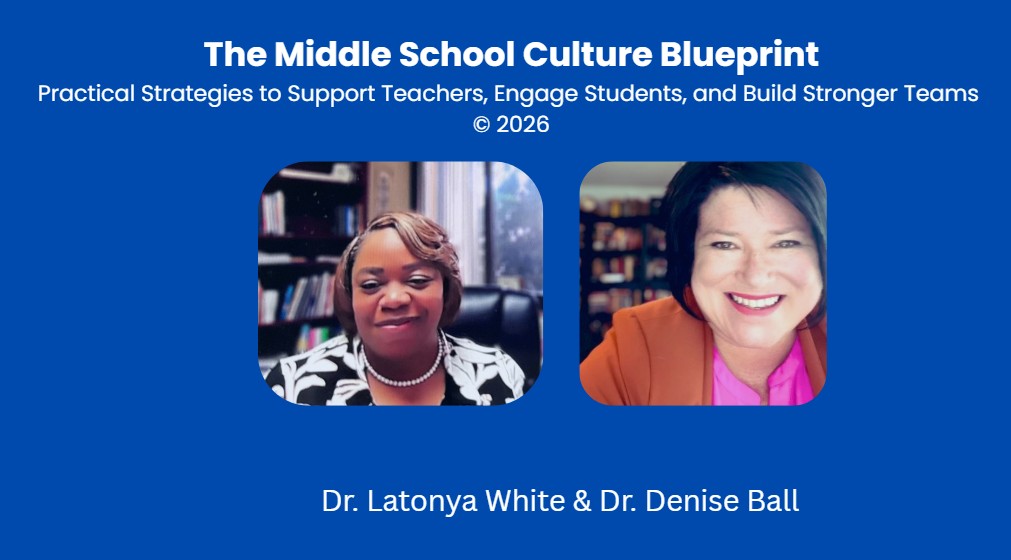
One of the unexpected gifts of this season has been the opportunity to gather Catholic educators and leaders from across the nation in meaningful conversation. As Dr. LaTonya White and I continue our work on The Middle School Culture Blueprint, I have been provided a good opportunity to reflect on and be reminded that some of the most powerful professional learning happens when educators come together in fellowship, share what they are seeing in the field, and reflect honestly on what students and teachers need most. There is something deeply hopeful about bringing people together who serve in different schools and dioceses, yet carry the same commitment to helping students feel seen, supported, and loved.

The middle school years are so unique. Students are navigating understanding themselves, belonging, friendship, independence, emotion, peer pressure, and academic growth, often all in the same day. Those who serve middle school students understand that this work requires patience, humor, flexibility, structure, compassion, and joy. It also requires intentionality. What we do at the school level is so important. How we welcome teachers back, how we build routines, how we create opportunities for student voice, how we communicate with families, and how we support one another as teams all help shape the culture students experience.

This is why I am so grateful for the educators and leaders who have said yes to engaging in this conversation. They are not coming together to offer perfect answers. They are coming together to share reflections from the field, practical strategies, lived experience, and wisdom rooted in service. These conversations are supported by the literature that school culture is not built only through programs or plans. It is built in the daily interactions, team meetings, hallway moments, classroom routines, and faithful decisions made by educators who care deeply about the students placed before them.

Pulling educators together to share ideas is, quite honestly, fun. It is also cultivating joy in my own life. To listen to teachers and leaders speak with such love for their students, their colleagues, and Catholic education is a reminder that good is happening every day in our schools.

https://youtu.be/uMM1O_6Ygq8

When we create space for fellowship and conversation, we strengthen one another.

Fellowship reminds us that we are not doing this work alone. It is also a wonderful way to see how much wisdom already exists within the people serving on our campuses and in our diocesan communities.

I hope this work encourages school leaders to create similar spaces on their own campuses. Before the year begins, make time not only for logistics, but also for fellowship and table talk.

Invite teachers to reflect on what students need most. Ask teams what they want students to experience consistently across classrooms. Create room for laughter, honest conversation, prayer, and planning. When educators are given time to connect as people before they plan as professionals, the culture of the school is already being strengthened.

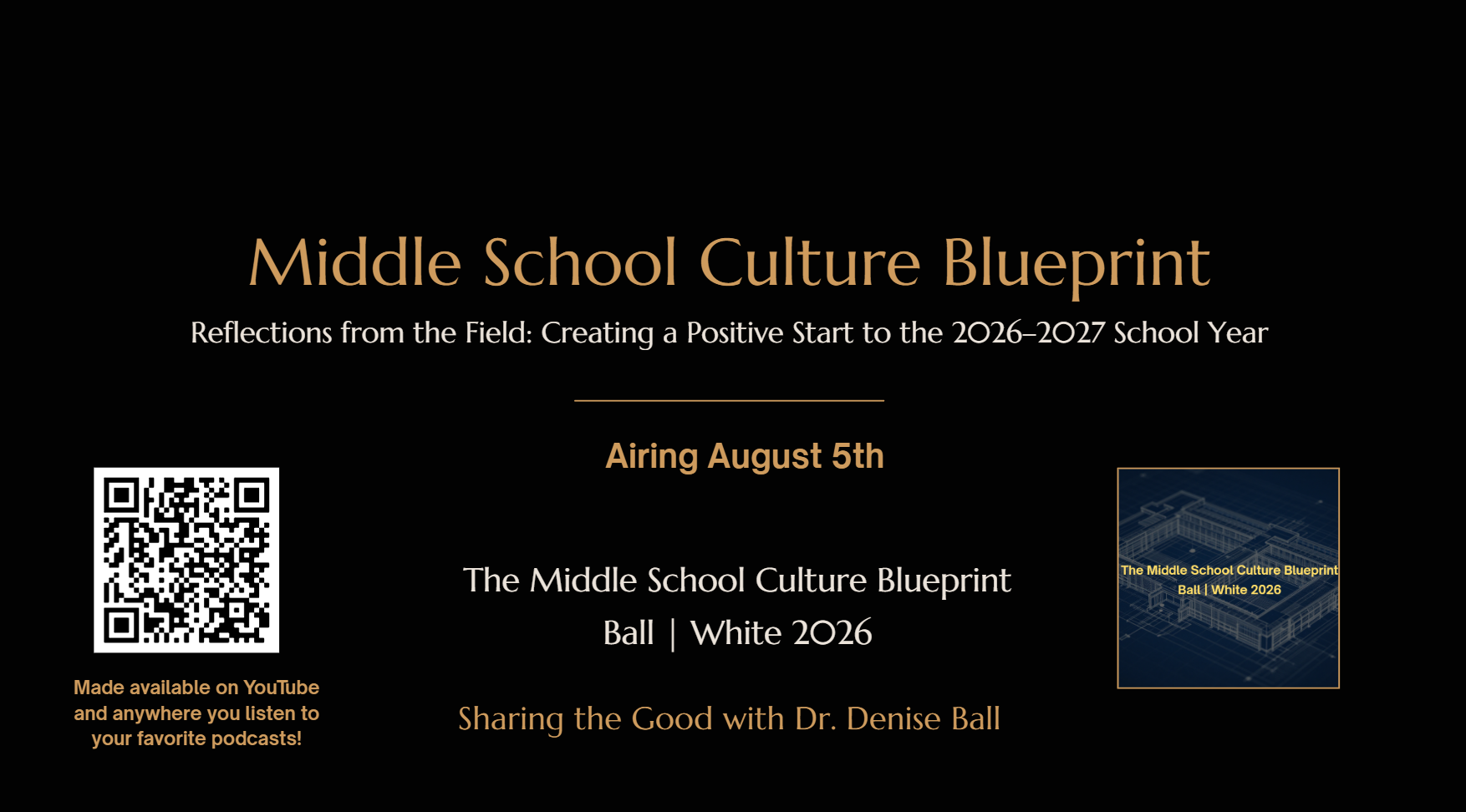
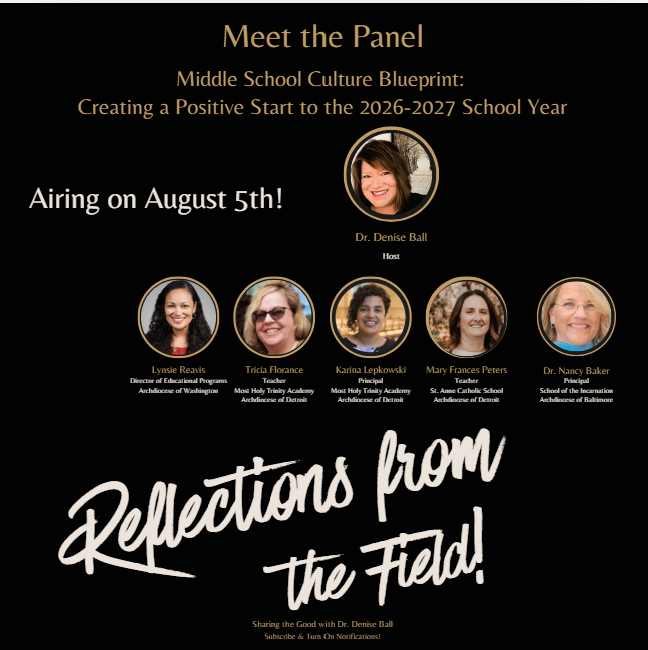
I am grateful to host this important conversation in Episode 1 of Middle School Culture Blueprint: Reflections from the Field: Creating a Positive Start to the 2026–2027 School Year. It is a privilege to welcome Dr. Nancy Baker, Mary Peters, Lynsie Reavis, Karina Lepkowski, and Tricia Florance as we reflect together on practical ways to support middle school teachers, students, families, and leaders. May these conversations continue to help us notice, name, and share the good happening in Catholic education.

You can also listen to these conversations anywhere you enjoy your podcasts.

May we continue to seek knowledge in all things,

Denise

Leave a comment

Filed under Educational Resources, The Middle School Culture Blueprint -Episode 1

Tuning In to the Middle School Student

Middle school students are standing at a unique crossroads. They are navigating growth, identity, friendship, independence, belonging, peer influence, and the desire to be seen and known. For educators and school leaders, this means the beginning of the school year is more than a calendar event. It is an opportunity to intentionally create a culture where students feel safe, supported, challenged, and connected.

In the work Dr. LaTonya White and I are developing through The Middle School Culture Blueprint, we continue to return to the importance of designing culture with purpose, not leaving it to chance. As noted in our framework, middle school culture is strengthened when belonging, clarity, coherence, and formation are intentionally supported across classrooms, teams, and schoolwide systems (Ball & White, 2026).

This work also connects deeply to my earlier research on teacher retention and school climate, which affirmed the importance of communication, collaboration, leadership support, and a positive school climate in helping teachers remain committed to their school communities (Ball, 2023). When middle school teachers feel supported, aligned, and prepared, they are better able to create classroom environments where students can flourish. That is why tuning in to middle school students must also include tuning in to the teachers and teams who serve them each day. How leaders welcome faculty and staff back matters. The rhythm leaders create before students arrive can shape the tone, trust, and energy of the entire school year.

One simple strategy school leaders can use is a Welcome Back Reflection Checklist before the first faculty meeting or middle school team gathering. Before launching into schedules, logistics, and tasks, pause and ask:

Have we created time for fellowship?

Have we provided space for teachers to reconnect as people before they plan as professionals?

Have we built in table talk around what our students need most this year?

Have we clarified the language, routines, and non-negotiables we want students to experience across classrooms?

Have we invited teachers to name what they need in order to begin well?

These questions can help leaders move from information-sharing to culture-building. I invite you to watch or listen on August 5 as I host Middle School Culture Blueprint: Reflections from the Field: Creating a Positive Start to the 2026–2027 School Year. I am honored to welcome Dr. Nancy Baker, Lynsie Reavis, Tricia Florance, Mary Peters, and Karina Lepkowski for a meaningful conversation on this important topic.

May we continue to seek knowledge in all things,

Denise
References
Ball, D. M. (2023). Improving teacher retention within Archdiocese of Washington schools [Doctoral dissertation, Liberty University]. Scholars Crossing. https://digitalcommons.liberty.edu/doctoral/5006/
Ball, D. M., & White, L. (2026). The Middle School Culture Blueprint: Practical Strategies to Support Teachers, Engage Students, and Build Stronger Teams. Manuscript in development.

Leave a comment

Filed under Educational Resources

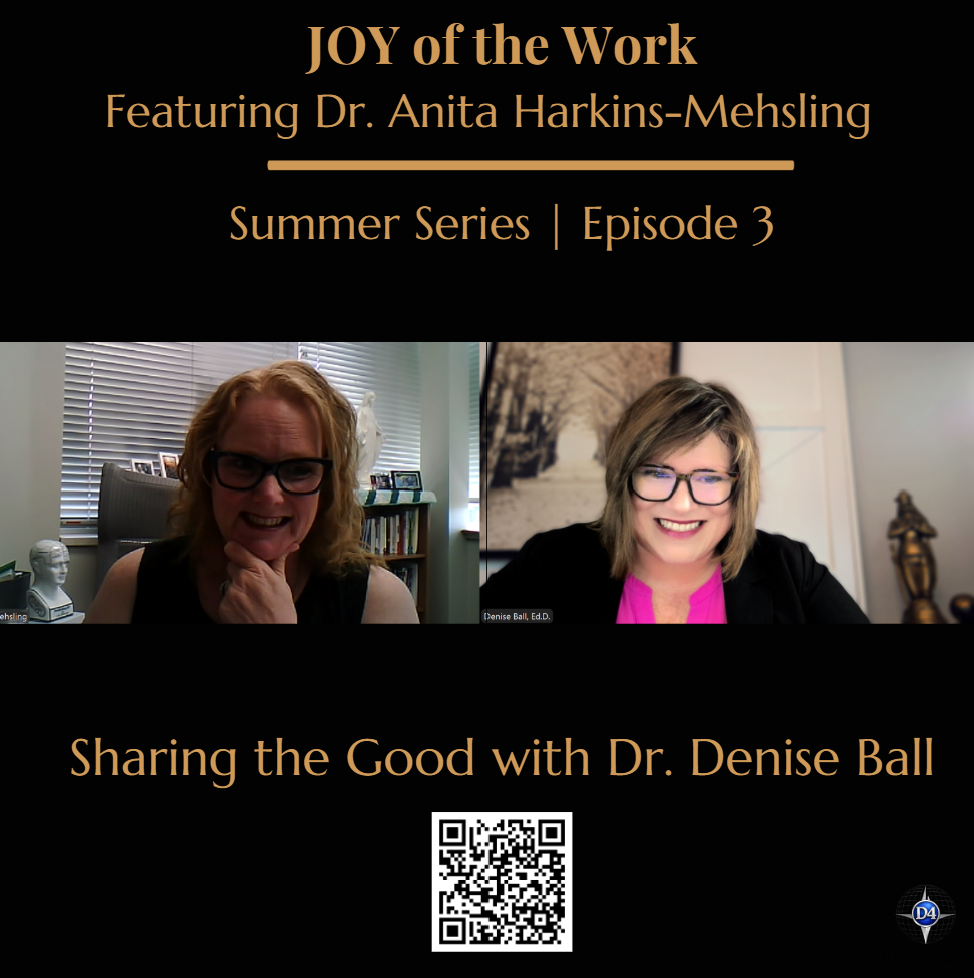
JOY of the Work- A Conversation with Dr. Anita Harkins-Mehsling

As we bring our three-part summer series, Belonging, School Culture, and the Joy of the Work, to a close, I find myself filled with gratitude.

I am deeply grateful to Dr. Anita Harkins-Mehsling for generously sharing her research, leadership experience, wisdom, and heart throughout these conversations. Anita helped us pause and consider what it truly means for people to experience belonging within a school community.

Belonging is more than entering a building, attending a meeting, or being included on a faculty list. It is the experience of being seen, known, valued, supported, and connected to something meaningful.

Throughout this series, Anita reminded us that belonging does not happen by accident. It is cultivated through INTENTIONAL leadership, authentic listening, trust, communication, presence, and relationships.

In our first conversation, we explored why belonging matters, and in our second, we reflected on the important role leaders play in creating and sustaining cultures where people feel welcome, heard, and valued. In our final conversation, we connected belonging to joy, teacher retention, school stability, and the overall health of a school community. It felt especially important to end this series with joy.

Joy is not an extra benefit of a healthy school culture. Joy is part of what helps sustain the people who serve within it. Joy is synergistic! Joy does not mean that every day is easy. It does not mean that challenges disappear, difficult conversations are avoided, or the demands of leadership become lighter.

A joyful school community is not a perfect school community.

It is a community where people continue to notice the good, name the good, and carry the good forward together, even during demanding seasons. Joy grows when people know they are not alone. As a school team, exercising the muscle of gratitude can be transformational!

Joy within a school community grows when faculty and staff feel connected to one another and to the school’s mission. It becomes visible when people are encouraged to share their gifts, when contributions are recognized, and when leaders create space for gratitude, celebration, reflection, and genuine connection.

Joy is strengthened when it is shared. This is why I believe joy must be more than something we hope people eventually experience. Joy can become the first step we use in leading others.

Before beginning with the agenda, we can begin by seeing the people in front of us. Before moving immediately to the next task, we can pause to recognize someone’s contribution. Before focusing only on what needs to be corrected, completed, or improved, we can name what is already good and growing. Before assuming the worst, we can choose to see through the eyes of grace. Leading with joy does not ignore reality. It helps us face reality with hope, gratitude, courage, and a renewed sense of purpose.

As leaders prepare for the 2026-27 school year, there will be calendars to finalize, meetings to plan, classrooms to prepare, new employees to welcome, and many decisions to make. Within all of that important work, we can also ask:

How will people experience belonging here? [a leadership opportunity]

How will faculty and staff know they are valued? [essential building block for trust]

How will we listen to one another? [a powerful visual that you are being present]

How will we help new members of the community feel supported? [essential reflection question]

How will we keep joy visible when the year becomes busy? [because it will]

How will we notice and share the good? [my favorite]

The answers do not always require complicated programs or large initiatives. Belonging and joy are often strengthened through small, sincere, and consistent practices.

A handwritten note, a meaningful check-in, or a moment of gratitude at the beginning of a faculty meeting can really help build and maintain a positive school culture.

A celebration of a small victory, or a question asked with genuine care, demonstrates a leader who listens and follows through.

One small practice, offered consistently and sincerely, can become part of the building blocks for a joyful school campus.

My gratitude to Anita for helping us all reflect more deeply on the cultures we are called to build and sustain. I want to thank her for reminding us that belonging is experienced through both our words and our actions. Through this summer series, we are reminded that when people feel seen, known, valued, and connected, joy has room to grow and THRIVE!

As this summer series closes, I hope each of us will carry one invitation into the new school year:

Let joy be the first step. Let it shape how we welcome and guide our listening and communication with others.

May we continue to seek to see the people behind the work.

As school leaders or teachers, let us seek joy and let it help us build communities where educators, students, and families know they belong.

As a sharing the good community, let us continue to train our eyes to see the good, because when we do, amazing things happen.

Stay tuned…

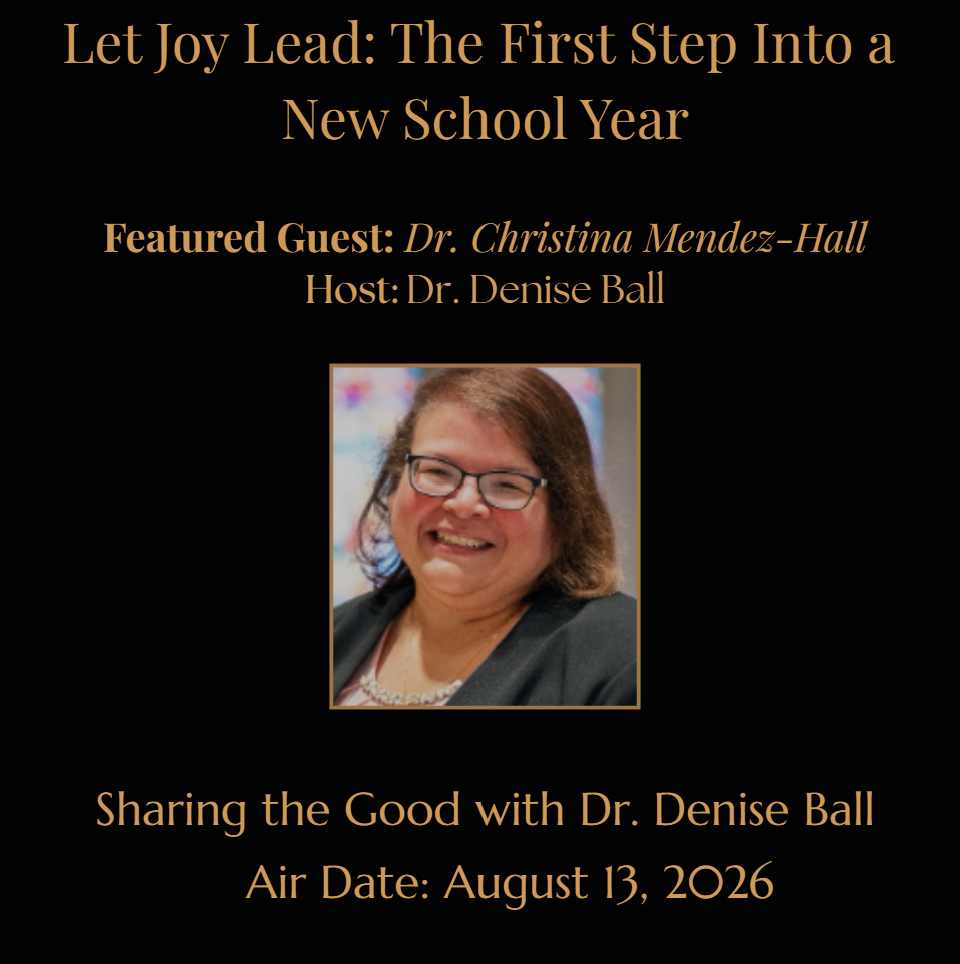
Sharing the Good with Dr. Denise Ball is honored to welcome Dr. Christina Mendez-Hall on August 13 as we continue the conversation about joy, why it is so important, and how leaders and teachers can allow joy to become the first step as they enter the 2026-27 school year.

Sharing the Good with Dr. Denise Ball is now available on Spotify, Apple Podcasts, and iHeartRadio.

What began with the simple hope of encouraging at least one person is growing into a space where stories, faith, reflection, research, and practical wisdom can be shared.

I feel deeply honored to help notice and share some of the good happening in our schools, communities, churches, families, and the world.

Thank you to everyone who has listened, subscribed, encouraged me, and prayed for me on this journey. Scan the QR code for your preferred platform and join me as we continue Sharing the Good.

Until then, pause, exhale, reflect, and keep sharing the good.

May we continue to seek knowledge in all things,

Denise
Leave a comment

Filed under Educational Resources, Sharing the Good, Sharing the Good in Education, Sharing the Good with Dr. Denise Ball, Summer Series 2026 Podcast on Beloning, School Culture and the Joy in the Work, teacher retention, Team Building/Positive Work Environments

What We Build Together: The Power of Collaboration–A Middle School Mindset Initiative

There is a particular kind of energy that comes from meaningful collaboration. The kind that is grounded in shared mission, fueled by trust, and sustained by a deep belief in the work we are called to do.

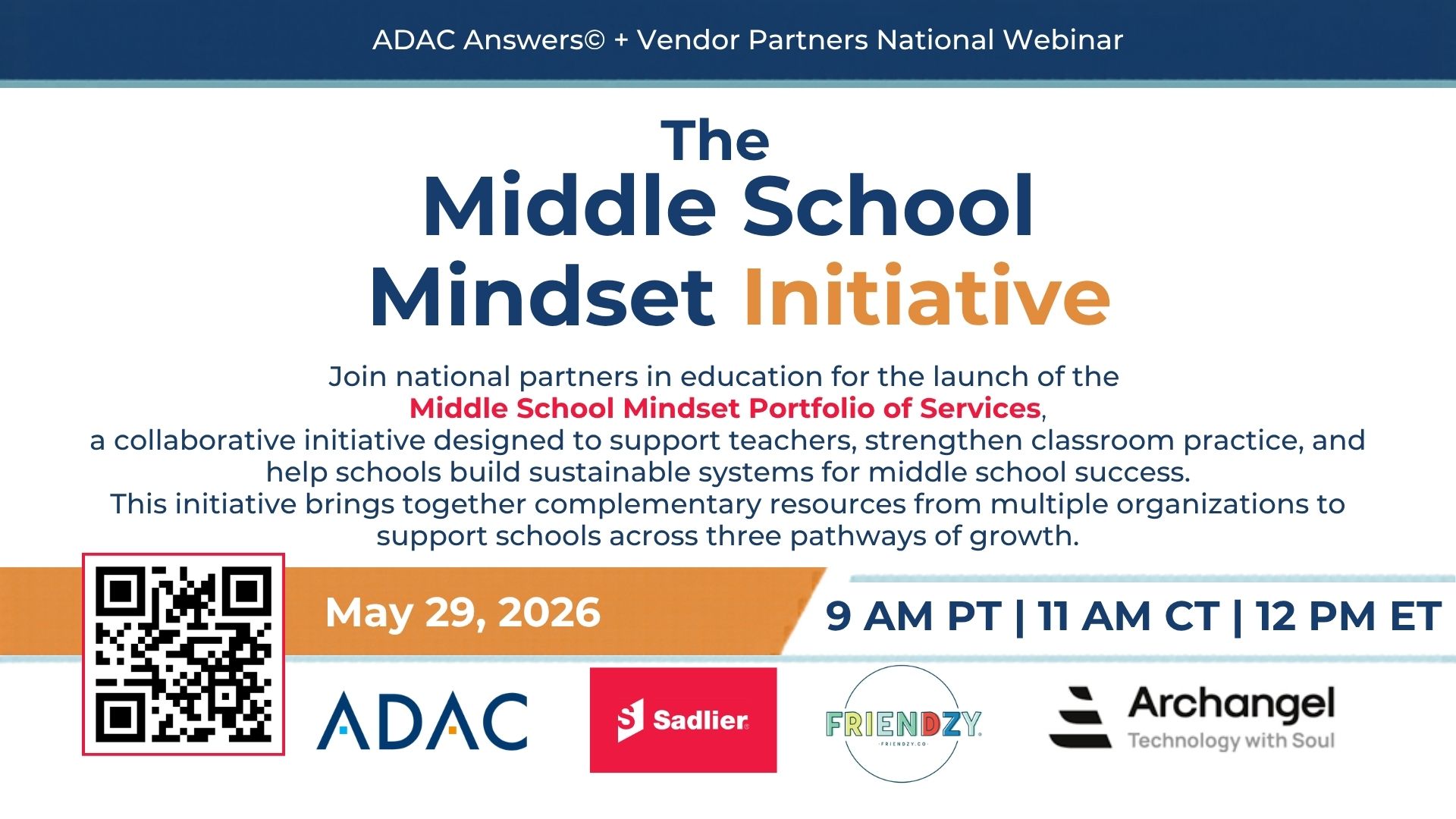
Over the past year, I have had the privilege of working alongside incredible partners to bring the Middle School Mindset Portfolio of Services to life. What began as an idea has grown into something far more powerful than any one organization could have accomplished alone. In just a few short weeks, we will launch this work nationally on May 29.

This moment feels significant, not simply because of the launch itself, but because of what it represents.

A Response to a Critical Moment

Middle school is a pivotal season of formation. It is a time when students are asking deeper questions about identity, belonging, and purpose. It is also a time when educators are navigating increasing complexity like academic recovery, student engagement, and social-emotional needs, all while striving to create classrooms where students feel known and valued.

We cannot meet this moment in isolation.

The Middle School Mindset Portfolio was built in response to that reality. It is not a single program or a one-size-fits-all solution. Rather, it is a collaborative ecosystem designed to support educators with practical strategies, meaningful resources, and a shared commitment to strengthening both instruction and culture.

The Gift of Partnership

One of the greatest joys in this work has been collaborating with mission-aligned partners who bring both expertise and heart to the table.

A special acknowledgment goes to Archangel Education and Technology, whose team is building an innovative digital ecosystem that will no doubt become a destination space for educators and system leaders. Their work reminds us that when technology is designed with purpose, it can truly amplify impact.

Equally inspiring has been our partnership with the Archdiocese of Miami pilot schools. On May 29th, during this complimentary webinar, we will hear directly from middle school teachers who have engaged in this work, educators who are thoughtfully applying strategies, reflecting on practice, and shaping what this portfolio will become at scale.

To visit these vendor partners supporting schools nationwide, please visit:

www.theadac.com | https://friendzy.co/ | https://www.sadlier.com/ | https://arch-te.com/

We can serve students and teachers more when we do it together!

From Research to Practice: Naming What Matters Most

This work has also deepened my ongoing collaboration with Dr. LaTonya White. Together, we are preparing to share our research in the forthcoming Middle School Culture Blueprint (Ball & White, 2026).

At the center of our work is a simple yet deeply impactful reminder: what we reinforce each day becomes the culture we experience, whether by intention or by default.

Middle school culture does not happen by accident. It is shaped in the small, consistent moments: in how we greet students, how we structure learning, how we respond to challenges, and how we create space for student voice. Belonging is not a program we implement. It is a condition we intentionally cultivate through every interaction, every structure, and every expectation (Ball & White, 2026).

When we are intentional, we create environments where students and teachers can thrive. When we are not, culture is still formed, but often in ways that do not serve our mission. The opportunity before us is to lead with clarity, purpose, and hope, and to build cultures where every student and educator knows they are seen, valued, and called to grow.

A Moment of Anticipation

As we look ahead to our national webinar launch on May 29, I am filled with gratitude for the partnerships, for the educators, and for the shared commitment to this work. This is more than a program launch. It is a reflection of what is possible when we come together, listen deeply, and build something that responds to the real needs of our schools. It is a reminder that we are not alone in this work. And… it is an invitation to continue to collaborate, to continue to learn, and to continue to see the good that is unfolding all around us.

The May 29th registration is live (scan the QR code above). Come and join the conversation!

What a privilege it is to serve!

Leave a comment

Filed under Middle School Strategies

Strengthening Schools Through Partnership: The Role of Universities in Teacher Retention

Across the country, school leaders are navigating one of the most persistent challenges in education today: retaining talented, mission-driven educators. While much of the conversation centers on compensation, workload, and policy, one of the most underutilized and high-impact resources sits right beside our schools…our university partners.

I always enjoy hearing and sharing the good with Boston College Roche Center educational leaders.

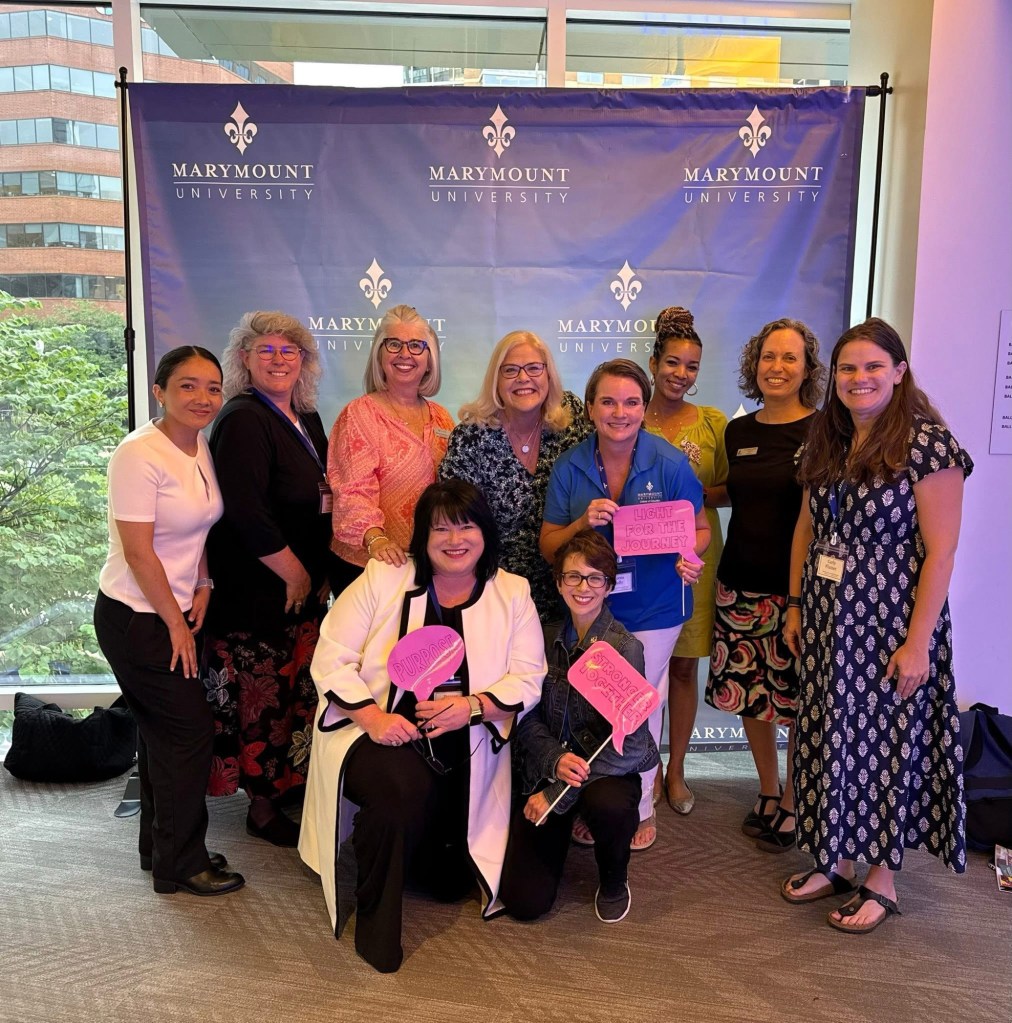
Institutions like Marymount University, Boston College, and St. John’s University are not only preparing future educators, they are increasingly listening, adapting, and responding to the real-time needs of school leaders and teachers. When leveraged intentionally, these partnerships can become a cornerstone strategy in addressing the teacher retention challenge.

At their best, university-school partnerships move beyond transactional relationships and become transformational. They create shared responsibility for developing, supporting, and sustaining educators across the full arc of their careers.

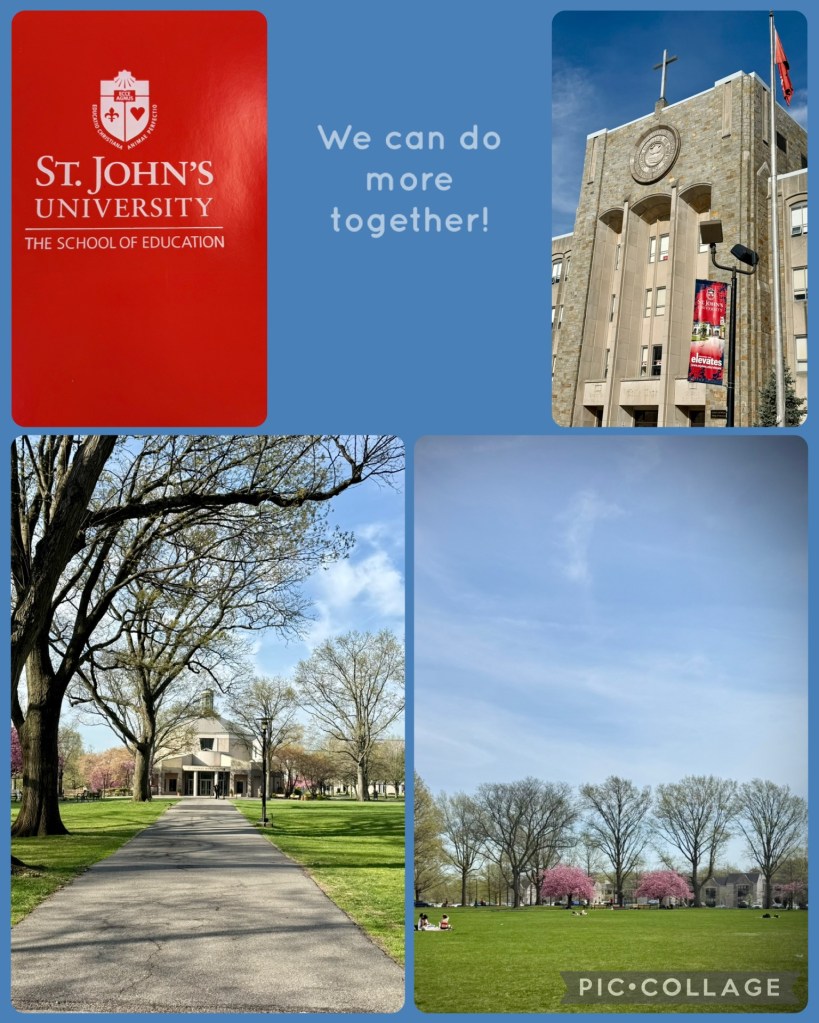
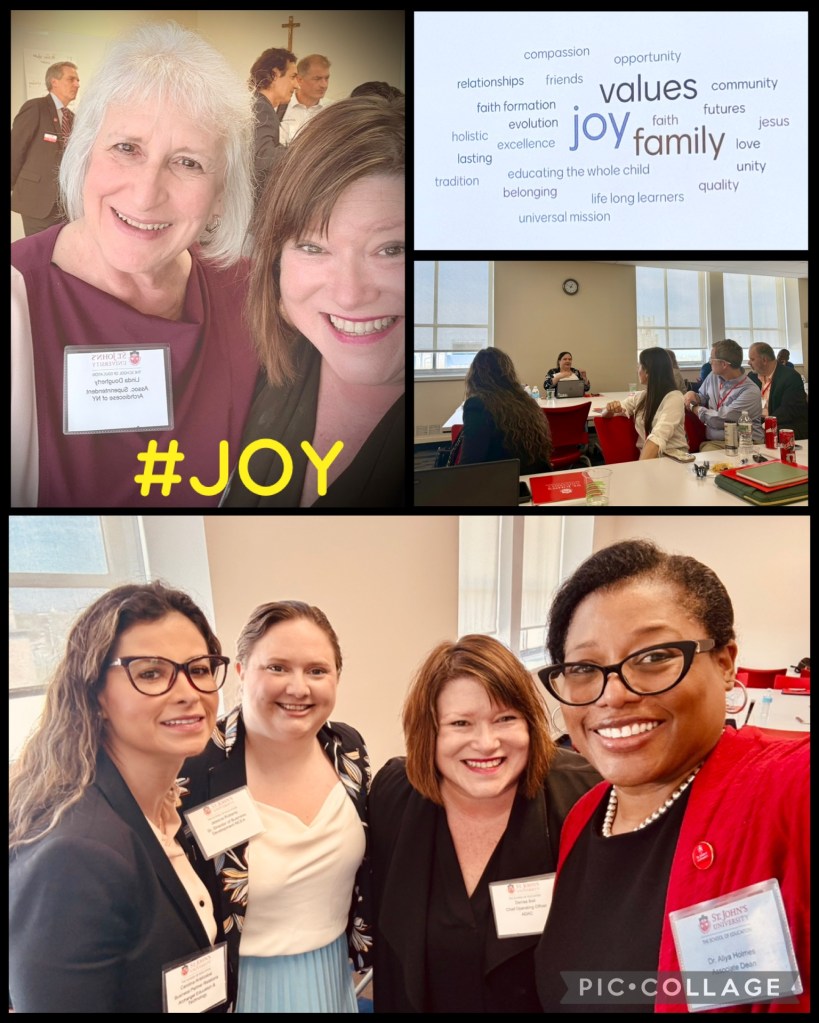
St. John’s University edTech Summit—a think tank session!

What This Looks Like in Practice

Educational leaders can take intentional steps to deepen these partnerships in ways that directly impact teacher retention:

Enhancing School-Based Opportunities Through Strategic Partnership

Professional learning is most effective when it is grounded in the context of the school and led by those closest to the work. I find there is value in leaning on university partners as thought partners. These relationships bring research, frameworks, and support that strengthen intentionally designed opportunities (Desimone & Garet, 2015).

Marymount University Regional Catholic School Leadership Conference

Creating Leadership Pathways

Retention is closely tied to growth. Universities can partner with school systems to build leadership pipelines, offering graduate programs, certifications, and cohort models that empower teachers to see a future within the profession. When educators can envision their next step, they are more likely to stay (Ingersoll et al., 2018).

Embedding Research into Practice

Strong partnerships allow schools to serve as living laboratories where research informs practice and practice refines research. Whether through action research, dissertation collaboration, or pilot programs, teachers feel valued when their experiences contribute to broader learning and improvement (Coburn & Penuel, 2016).

Expanding the Teacher Pipeline with Purpose

Through intentional clinical experiences, residency models, and targeted recruitment efforts, universities can help schools attract candidates who are not only qualified but mission-aligned. This alignment is essential across all educational governance models, where purpose plays a central role in retention (Guha et al., 2016).

Supporting Educator Well-Being and Belonging

Teachers stay where they feel seen, supported, and connected. Universities can contribute by integrating social-emotional learning, reflective practice, and community-building strategies into both pre-service and in-service programming. Research consistently shows that school culture, trust, and collective efficacy are key drivers of teacher retention (Kraft et al., 2016). I am very passionate about this topic and my research highlights the central role of school climate, leadership, and relational trust in shaping teachers’ decisions to remain in the profession (Ball, 2023).

The most impactful university partnerships are grounded in a shared belief: that supporting teachers is not the responsibility of one institution, but a collective commitment.

When school systems and universities work together with intention, we begin to see action to impact. Professional learning becomes more meaningful, leadership becomes more distributed, and culture becomes more supportive. Most importantly, teachers begin to experience what so many are seeking: a sense of purpose, growth, and belonging within their schools.

For educational leaders, the invitation is clear: lean into these partnerships. Invite universities to the table not just as providers, but as collaborators. Share your challenges openly, co-create solutions, and build meaningful and impactful frameworks not one-time supports.

When we strengthen the bridge between universities and schools, we are not just preparing teachers, we are sustaining them.

At the heart of this work is a simple but powerful truth…we can do more for our teachers when we do it together. The challenges facing education today call us to think beyond traditional structures and lean into the strength of collective impact. By partnering with universities and trusted vendor partners, we open the door to innovative, responsive solutions that better meet the needs of our educators. More importantly, these partnerships allow us to visibly and authentically demonstrate our gratitude for teachers, thankful for their dedication, their resilience, and their daily commitment to shaping the lives of the students entrusted to their care.

When educators feel supported not just by their school, but by a broader community working on their behalf, we move closer to building the kind of sustainable, mission-driven environments where teachers choose to stay and thrive.

References 

Ball, D. M. (2023). Improving teacher retention within Archdiocese of Washington schools (Doctoral dissertation, Liberty University). https://digitalcommons.liberty.edu/doctoral/5006  

Coburn, C. E., & Penuel, W. R. (2016). Research–practice partnerships in education: Outcomes, dynamics, and open questions. Educational Researcher, 45(1), 48–54. https://doi.org/10.3102/0013189X16631750

Desimone, L. M., & Garet, M. S. (2015). Best practices in teachers’ professional development in the United States. Psychology, Society, & Education, 7(3), 252–263. https://doi.org/10.25115/psye.v7i3.515

Guha, R., Hyler, M. E., & Darling-Hammond, L. (2016). The teacher residency: An innovative model for preparing teachers. Learning Policy Institute.

Ingersoll, R. M., Merrill, L., Stuckey, D., & Collins, G. (2018). Seven trends: The transformation of the teaching force. Consortium for Policy Research in Education.

Ingersoll, R. M., & Strong, M. (2011). The impact of induction and mentoring programs for beginning teachers: A critical review of the research. Review of Educational Research, 81(2), 201–233. https://doi.org/10.3102/003465431140

Leave a comment

Filed under Educational Resources, Hot Topics in Education, Inspiration, Positive School Culture, Sharing the Good in Education, teacher retention, Teacher Retention and Recruitment, University Partners

Be a Distributor of Joy and Change the Teacher Attrition Rate

Blackaby (2015) reminds us that a positive school culture begins with a service-oriented mindset. Leaders must build a clear vision of the kind of school environment they want to cultivate for teachers, students, and families. Building a strong team and a positive school culture requires shared leadership, collaboration, and a focus on teacher well-being.

School leaders must be present and care enough to listen and enter the difficult conversation(s). Joy must be modeled by the school leader in both word and action…it is synergistic and transformative for a school team and a school campus/community. At the heart of teacher retention lies a simple but profound truth—joy!

As educational leaders, we must be builders and distributors of joy, creating school cultures where educators are not just sustained but inspired. Joy is not just an outcome of a thriving school environment, it is the very foundation upon which leadership, professional learning, culture, and a positive school team interconnect and strengthen one another.

When leaders cultivate environments where teachers feel valued, when professional learning is meaningful and collaborative, when school culture is intentionally shaped with positivity and respect, and when teams work together with a shared purpose, joy emerges.

The discussion on teacher retention was important pre-COVID and is essential post the pandemic when many teachers are still struggling. Teachers need to pause and take the time to reflect and acknowledge the work it took to walk through that period, celebrate the amazing things that occurred due to their hard work and service to others, so they can close the chapter and get back to the joy of education that attracted them to the profession in the first place.

The conversation on teacher retention and the importance of school leadership and a positive school culture continues…

May we continue to seek knowledge in all things,

Denise
2 Comments

Filed under Curriculum Resources, Teacher Retention and Recruitment

Listening, Learning, and Leading: A Conversation on Teacher Retention


Teacher retention is not just a policy issue, it is  a deeply personal one. Behind every statistic is a teacher who has dedicated their time, energy, and heart to shaping the next generation. The reasons educators stay or leave are complex, intertwined with school culture, leadership, and professional fulfillment. The most effective way to address teacher retention is simple yet profound: we must listen.


As school leaders, we have an obligation to understand the realities our teachers face, to hear their challenges, and to amplify their successes. Listening is not just a courtesy, it is  a leadership strategy. When teachers feel valued, heard, and supported, they are more likely to stay and thrive.


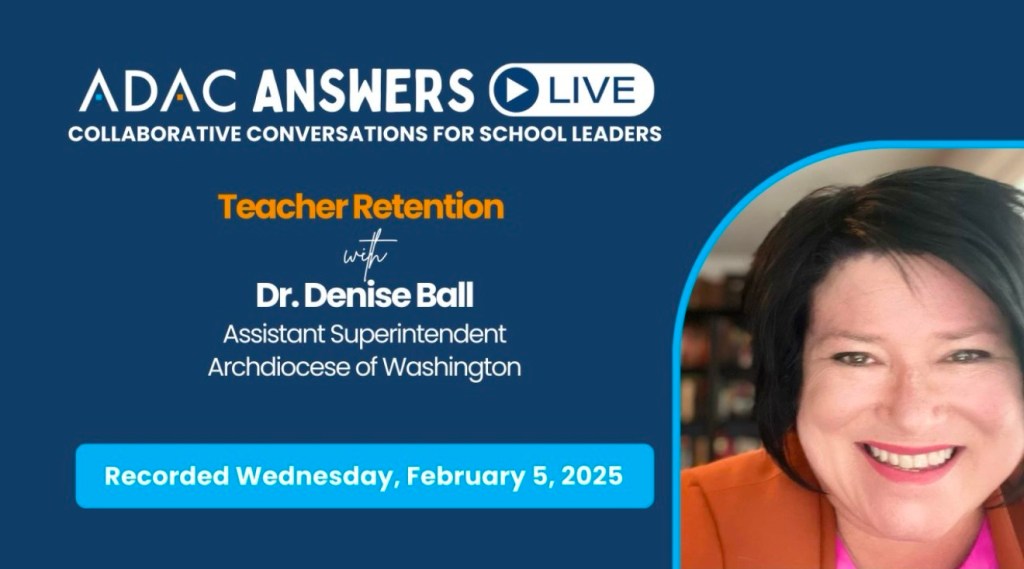
It was an incredible honor to be invited to lead a discussion on teacher retention as part of the ADAC Answers series. With over 240 school leaders from 40 states and the District of Columbia, registered and representing public, private, faith-based, and international schools. These leaders represented approximately 34,000 teachers and 370,000 students. This conversation reflects a national and global commitment to addressing one of the most pressing challenges in education today.


Bringing together diverse voices across governance models allows us to see the common threads in teacher retention and explore meaningful, research-based solutions. Whether it is mentorship programs, school climate initiatives, or leadership development, the strategies we discussed are not just theories, they are actionable pathways to strengthening our schools from within.


I am grateful for the opportunity to engage in this dialogue and to learn from the experiences of so many dedicated leaders. The work of teacher retention is ongoing, but together, through thoughtful leadership and a commitment to listening, we can make a lasting impact.

If you were unable to join yesterday, you can watch the full recording on ADAC’s Video Resources page.


https://loom.ly/1yvAmBo

May we continue to seek knowledge in all things,

Denise
1 Comment

Filed under Curriculum Resources, teacher retention, Teacher Retention and Recruitment

The Journey of Earning my Doctorate Degree in Education

The journey of earning my doctorate degree in education has been nothing short of an awe-inspiring experience. The countless hours of research, the rigorous academic challenges, and the camaraderie with fellow scholars have collectively shaped me into a more knowledgeable and resilient individual. The process of delving deep into the intricacies of educational theory and practice has not only expanded my intellectual horizons but has also instilled in me a profound passion for enhancing the educational landscape. I have served in education for the last 26 years, inspired by many teachers and school leaders. This has been a life-long goal and I am so grateful for all the support and words of encouragement along the way.

As I reflect on this transformative journey, I am filled with a sense of accomplishment and anticipation for the next phase of my academic endeavor. Armed with a wealth of knowledge and a heightened understanding of educational methodologies, I am excited to transition into the role of a contributor, researcher, and advocate for improved learning experiences. The prospect of engaging in meaningful research and writing to share innovative ways to enhance the educational journey for both students and teachers fuels my enthusiasm. This next phase represents an opportunity to bridge the gap between theory and practice, translating academic insights into actionable strategies that can positively impact classrooms and educational institutions.

My doctoral journey has equipped me not only with a scholarly mindset but also with a deep sense of responsibility to make a meaningful contribution to the field of education. I am eager to continue to collaborate with like-minded individuals, educators, and institutions to implement evidence-based practices that can foster a more enriching and effective learning environment. As I embark on this new chapter, I am motivated by the belief that education is a powerful catalyst for positive change, and I am committed to playing an active role in shaping a future where learning is an inspiring and transformative experience for all involved. If you are in that phase of discernment about whether to work towards earning a doctorate degree in education, be encouraged that you can make a difference and your voice is needed in education.

A special thank you to Liberty University for having a financially supportive program for veterans, allowing me to embark on this very fulfilling journey.

Improving Teacher Retention Within the Archdiocese of Washington Dissertation-https://digitalcommons.liberty.edu/doctoral/5006/

May we all continue to seek knowledge in all things,

Denise

3 Comments

Filed under Curriculum Resources

The Importance of Building a Positive School Culture

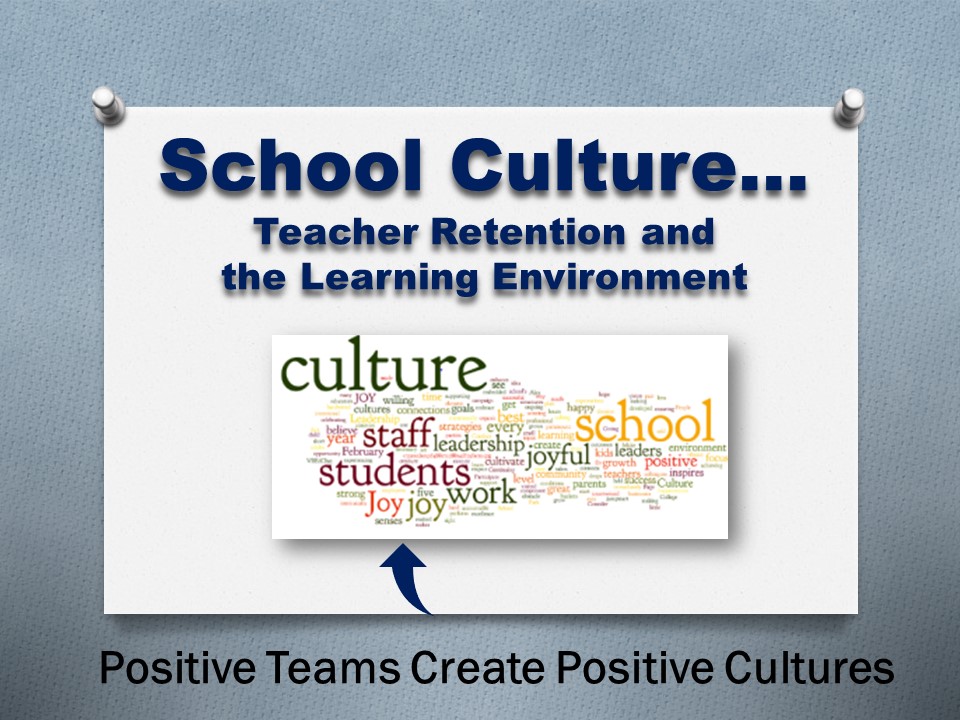
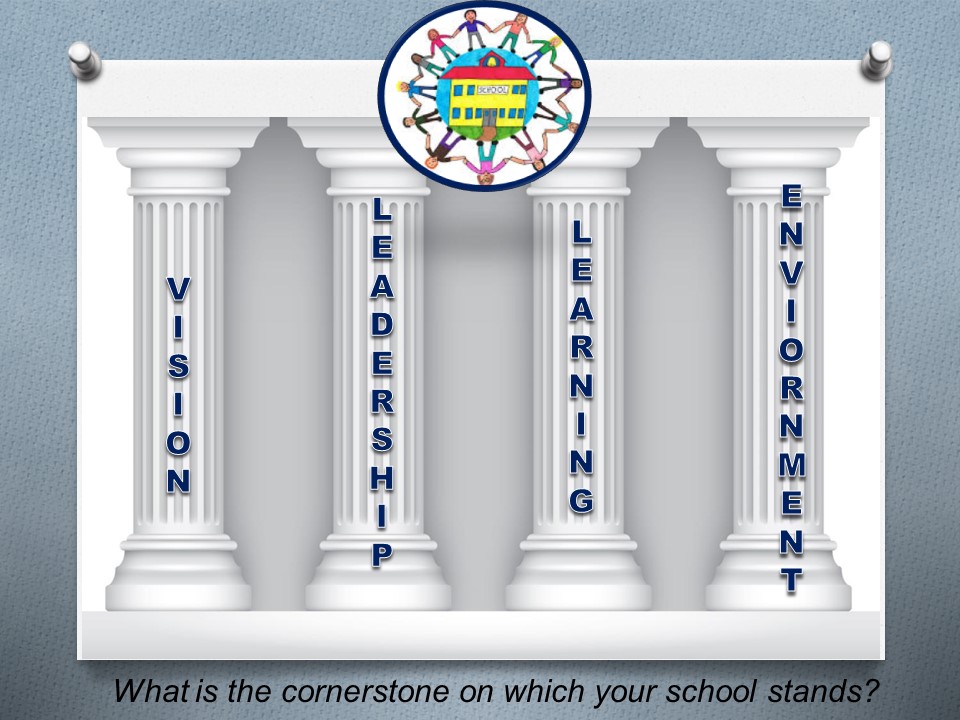
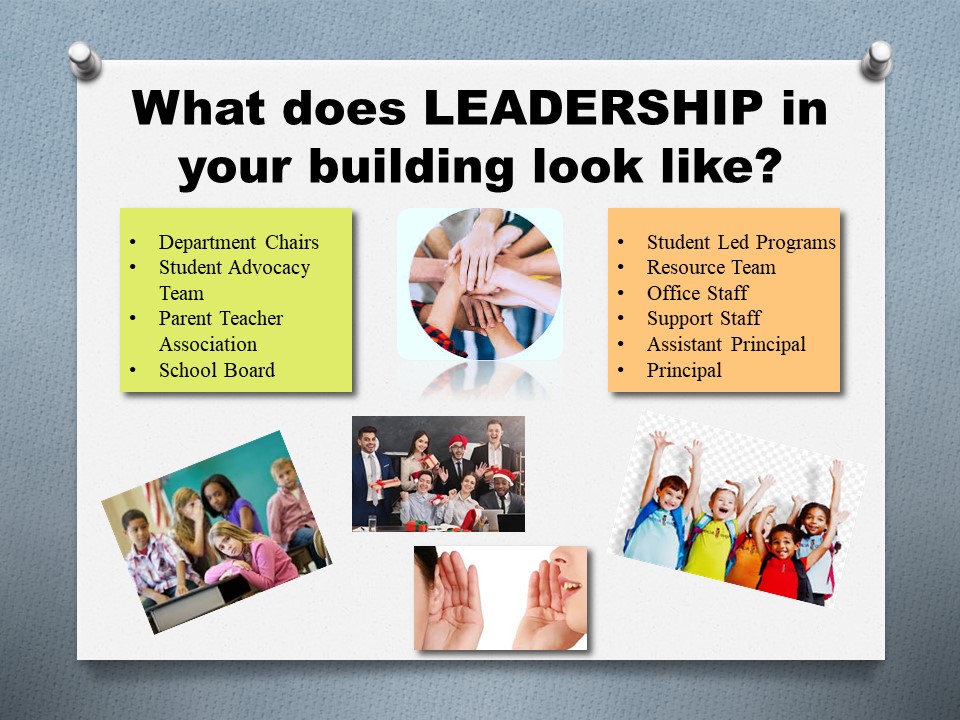
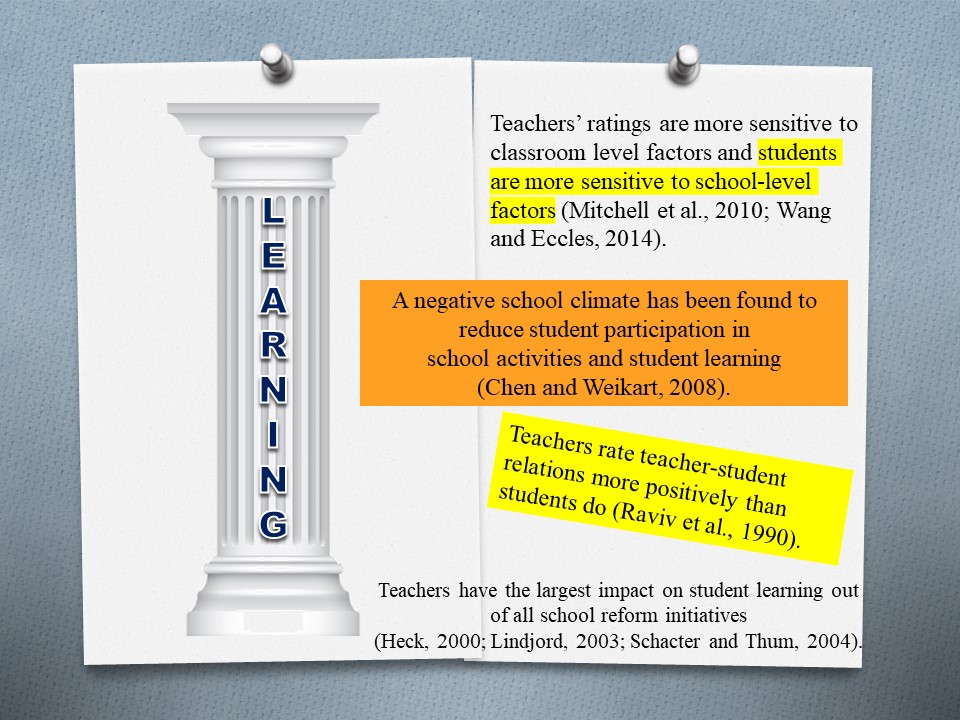
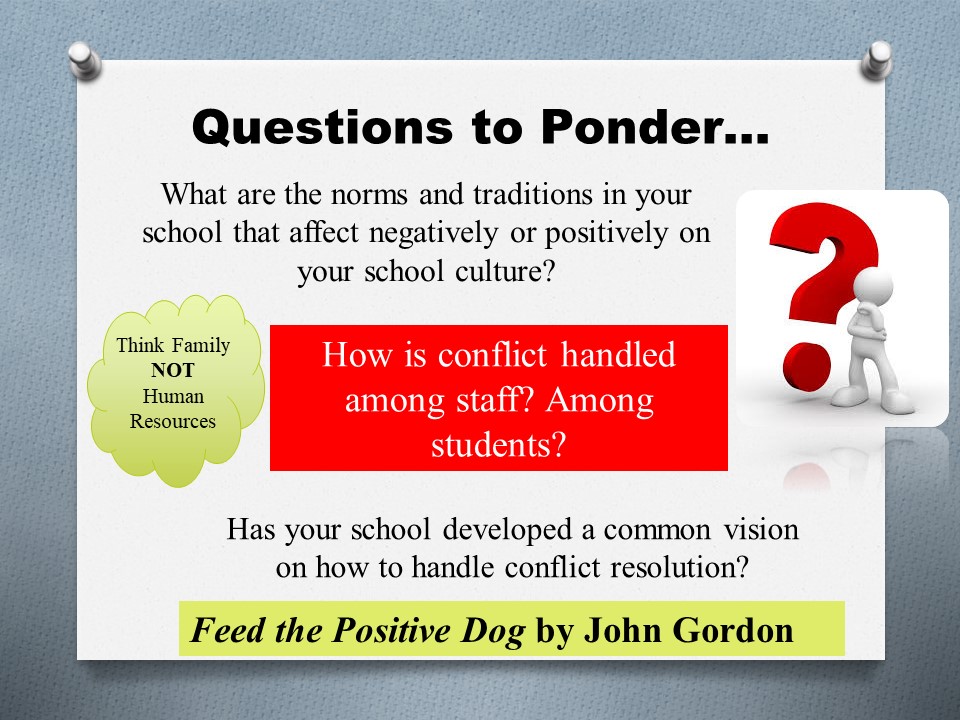
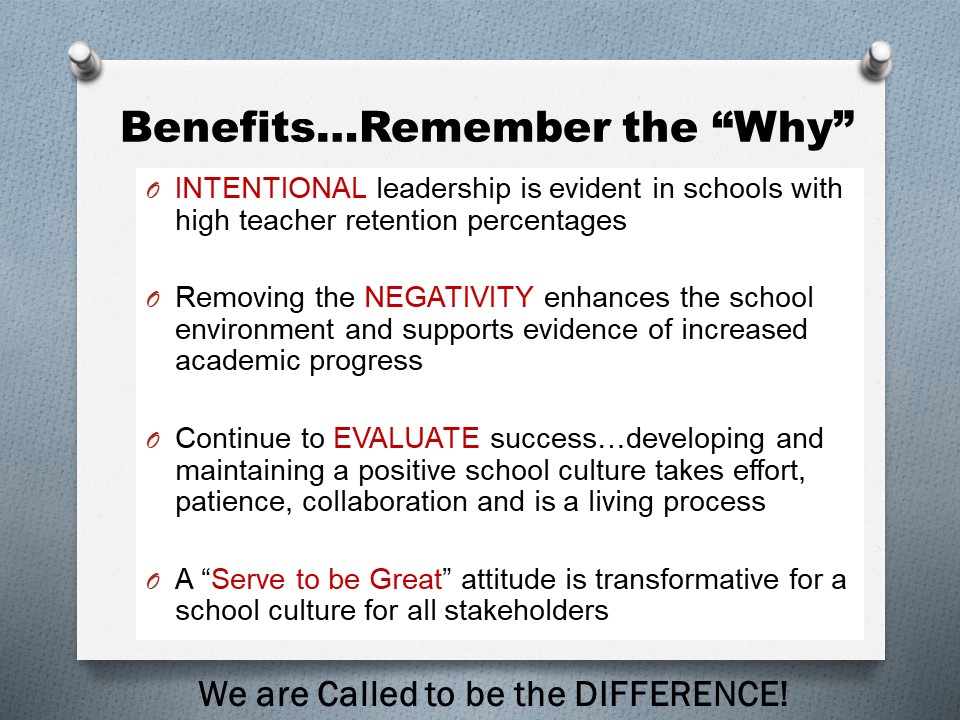
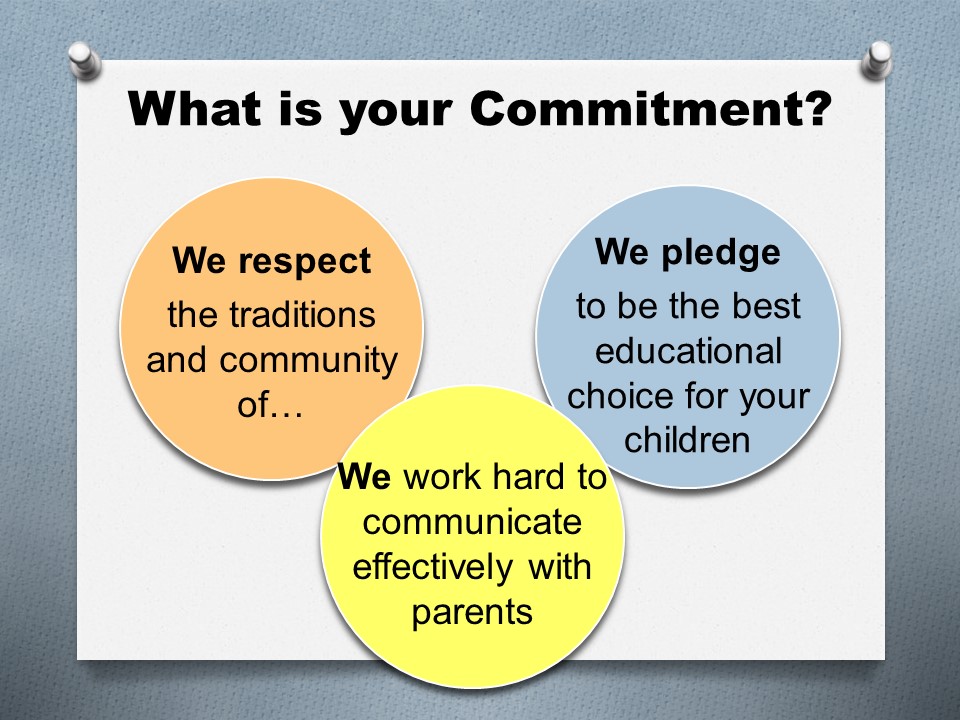
It is a joy for me to serve in education and I wanted to share some slides from one of my latest professional development sessions. As educational leaders, it is essential that we are reflective in practices and take the time to enter the difficult conversations and modeling this for our school teams. A positive school culture can not only make a difference in building a strong educational team and retaining teachers, but studies show that a positive school culture has a direct effect on student learning. Exemplary leaders understand how to create a climate of collaboration, they must determine what the group needs to do their work and build the team around a common purpose with mutual respect (Kouzes, 2017).

As we walk through this pandemic, take the time to invest into the discussion of developing or strengthening your school cultures…it will make ALL the difference!

May we continue to seek knowledge in all things~

Denise

Reference

Kouzes, J. & Posner, B (2017). The leadership challenge-how to make extraordinary things happen in organizations.

Hoboken, New Jersey: John Wiley and Sons, Inc.

1 Comment

Filed under Curriculum Resources

Teachers Sharing the Good with One Another

I am so excited to share that Maria Chubb and Karina Lepkowski mastered educators teaching at Most Holy Trinity within the Archdiocese of Detroit Catholic Schools will be coming to share their best practices they have been sharing at Detroit area EdCamps and Archdiocese of Detroit professional development sessions on March 3rd for our Archdiocese of Baltimore and Loyola University “Harness the Power Within” Professional Development Day!

#SharingTheGood #WeAreAllOneBodyinChrist

May we continue to seek knowledge in all things-

Denise

Leave a comment

Filed under Curriculum Resources, Professional Development Workshops for Educators