
Tag Archives: Reading

Summer Resources for Teachers and Parents: Keeping Curiosity, Joy, and Learning Alive

Summer is a gift!

It is a time to pause, breathe, rest, reconnect, and allow children, parents, and teachers to experience learning through a different lens. Learning does not need to stop when the school year ends. In fact, some of the most meaningful learning happens during the slower moments of summer…in the backyard, at the kitchen table, on a family walk, at the library, while traveling, while serving others, while reading together, or simply by asking good questions and making the act of inquiry fun!

For teachers, summer can be a time to renew creativity and gather meaningful resources for the year ahead. For parents and caregivers, summer can be a time to nurture curiosity without recreating the structure of the school day. Children need rest, play, imagination, and connection. They also benefit from small, intentional moments that keep their minds active and their love of learning alive.

The goal is not to overschedule summer

Photo credit: Denise Ball, Ed.D. (c) 2025

A Few Gentle Summer Learning Reminders

Read something every day. It does not always need to be a chapter book. It can be a recipe, a poem, a comic, a prayer, a field guide, a sign at a museum, a letter from a grandparent, or a book read together before bed.

Practice math in real life. Double a recipe. Estimate the grocery total. Track the weather. Compare sports statistics. Build something. Measure something. Let children see that math lives all around them.

Make space for creativity. Sidewalk chalk, journaling, drawing, building, storytelling, music, nature walks, and family traditions all support learning. Children are forming memories while they are forming skills.

Use technology with purpose. Online resources can be wonderful when used intentionally. A short learning activity, a virtual museum visit, a math review, a science video, or a writing prompt can be helpful, especially when paired with conversation.

Protect time for rest and relationships. Children do not simply need information; they need formation. They need adults who see them, listen to them, encourage them, and help them notice the good. I encourage you to help them see and share the good. It will be good for them and your entire family unit!

Photo credit: Denise Ball, Ed.D. (c) 2025

Recommended Summer Resources for Teachers and Parents

Khan Academy remains a helpful free resource for students, parents, and teachers. It offers lessons, practice exercises, videos, and learning dashboards across math, science, reading, computing, history, economics, financial literacy, test preparation, and more. It can be especially helpful for families looking for short, focused skill practice over the summer.

Khan Academy Kids also offers free printable activities for parents and teachers, including off-screen options in English and Spanish. This is a helpful reminder that summer learning does not always need to happen on a device.

ReadWriteThink is a strong literacy resource for teachers, parents, and afterschool professionals. It includes classroom resources, student interactives, writing tools, lesson plans, and printables across grade levels. It is a wonderful place to explore reading and writing activities that can be adapted for summer learning.

The Smithsonian Learning Lab offers digital images, videos, texts, recordings, and collections that teachers and families can use to explore history, art, culture, science, and more. This is a beautiful resource for curiosity-driven learning and project-based exploration.

NASA Learning Resources provide STEM activities, videos, student opportunities, educator resources, and family-friendly ways to explore science, space, engineering, and discovery. For children who love to ask “why” and “how,” NASA can help turn curiosity into deeper learning.

The National Park Service offers teacher-created lesson plans and outdoor learning resources connected to nature, science, history, and exploration. These resources can help families and teachers connect learning to the world beyond the classroom walls.
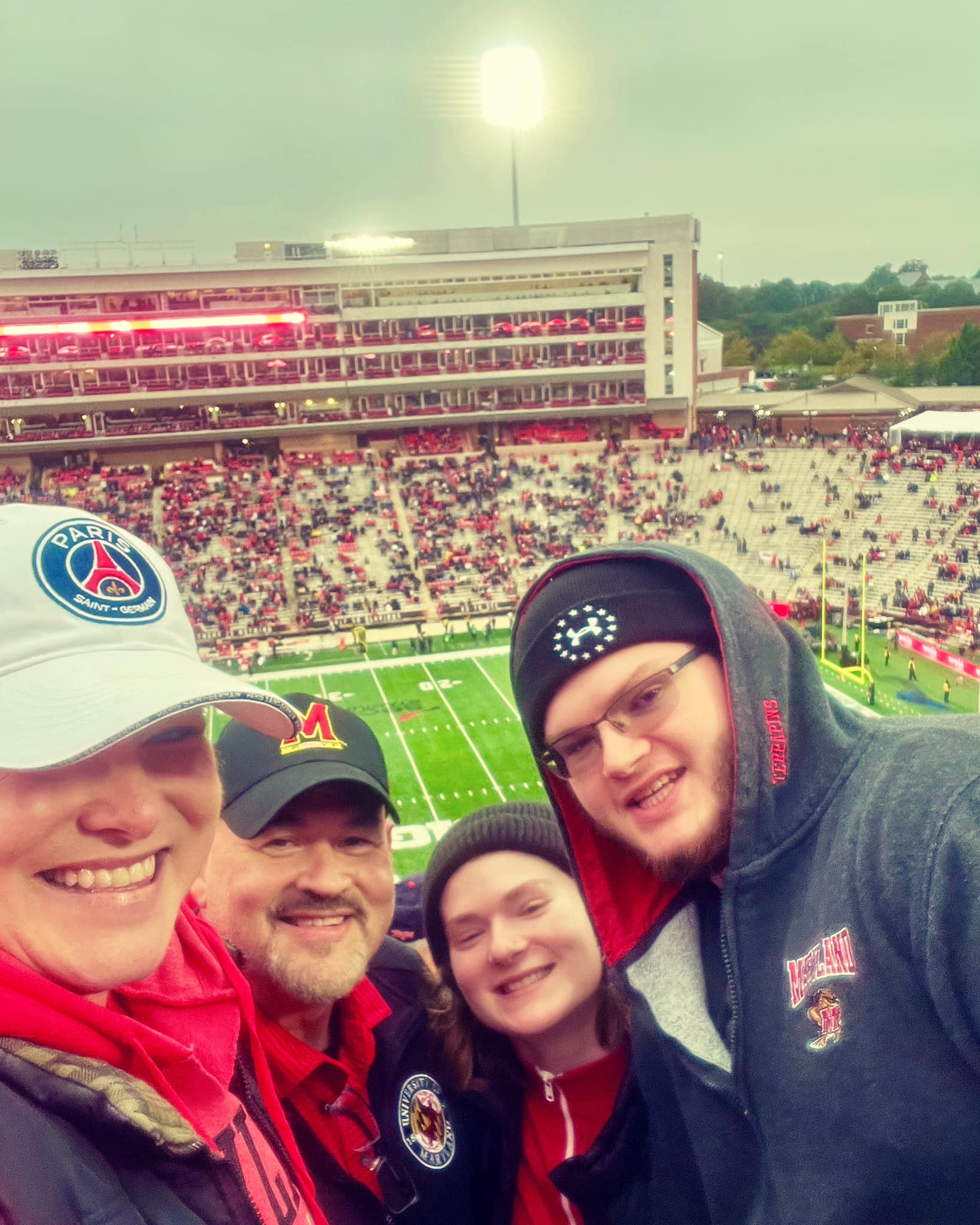
Photo credit: Denise Ball, Ed.D. (c) 2023

Simple Summer Learning Ideas for Home

Create a family reading basket. Place books, magazines, devotionals, field guides, library books, and journals in one shared space. Invite children to choose something to read each day.

Start a “wonder journal.” Ask children to write or draw one thing they noticed, wondered about, or learned each day.

Plan one curiosity outing each week.Visit a library, park, museum, garden, historical site, farmer’s market, or local landmark. Before going, ask: What do we already know? What do we want to learn?

Use the 20-minute rule. Twenty minutes of reading, math practice, writing, or creative learning a few times a week can help keep skills active without overwhelming the gift of summer. As adults, we call this “time boxing”…

Build a family tradition. Summer traditions do not need to be complicated. A weekly library visit, Sunday evening walk, family game night, prayer before a trip, or “tell me one good thing” dinner conversation can become an anchor children remember for years.

A Note to Teachers

Teachers, I hope summer gives you space to rest.

You have poured out so much this year. You have taught lessons, managed transitions, encouraged children, supported families, adjusted plans, solved problems, and carried more than many people will ever see. Please give yourself permission to pause.

When you are ready, perhaps choose one or two resources that inspire you for the year ahead. Not twenty. Not fifty. Just one or two that help you imagine what is possible.

Summer is not only for planning but for renewing the heart.
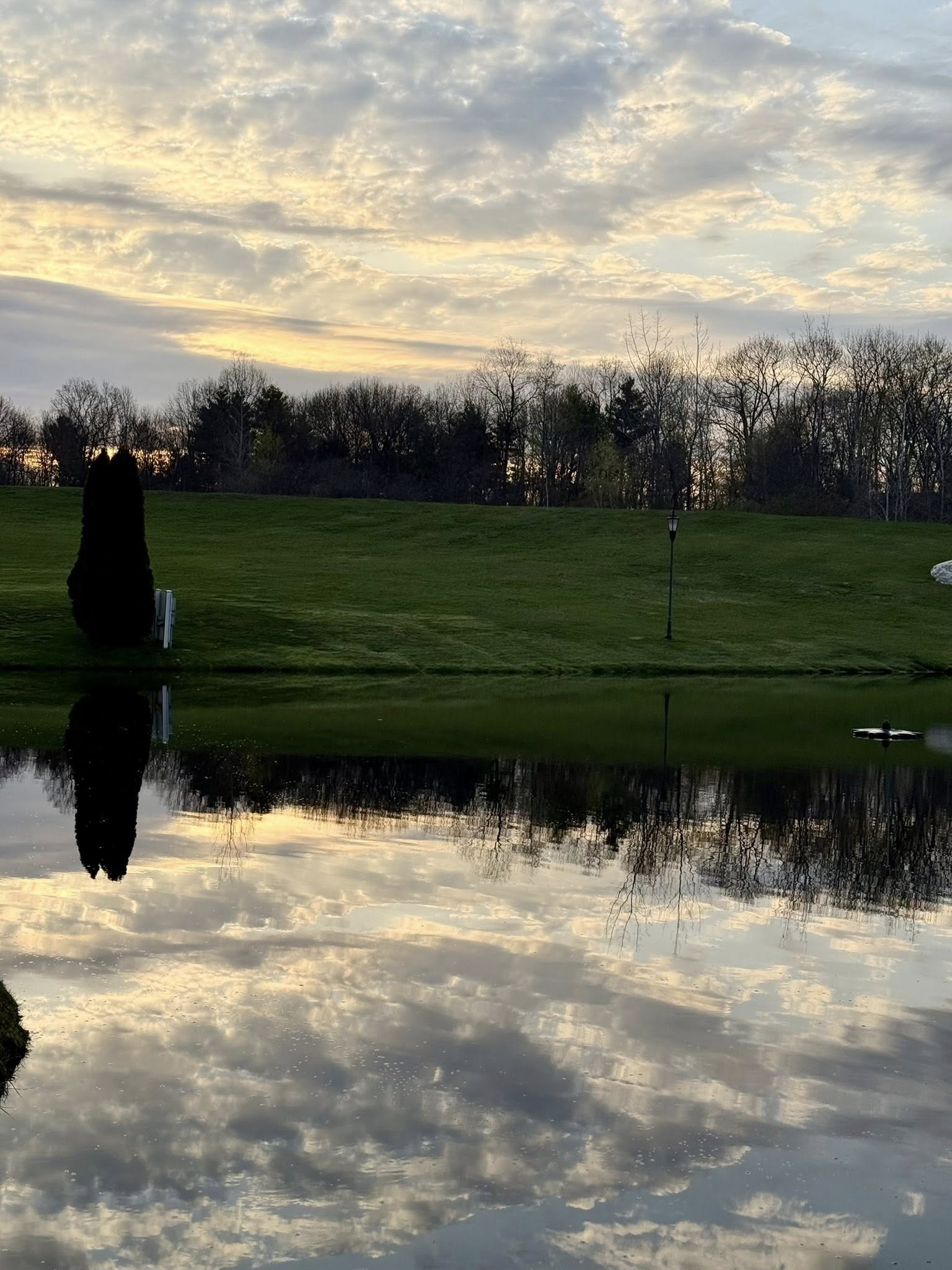
Photo credit: Denise Ball, Ed.D. (c) 2026

A Note to Parents and Caregivers

Parents are the first teachers of their children. The small moments really do matter.

Reading together matters, asking questions matters, and taking the time to pause, look children in the eye, and listening to them matters.

Putting aside the demands of our time that the chaos of life often places on our schedules and taking a walk matters.

Telling family stories matters, and helping children see that learning is not limited to a classroom matters.

Summer gives families a beautiful opportunity to slow down and remind children that learning is part of life, not just part of school. Life is a gift, and helping our children train their eyes to see this good is meaningful and essential!
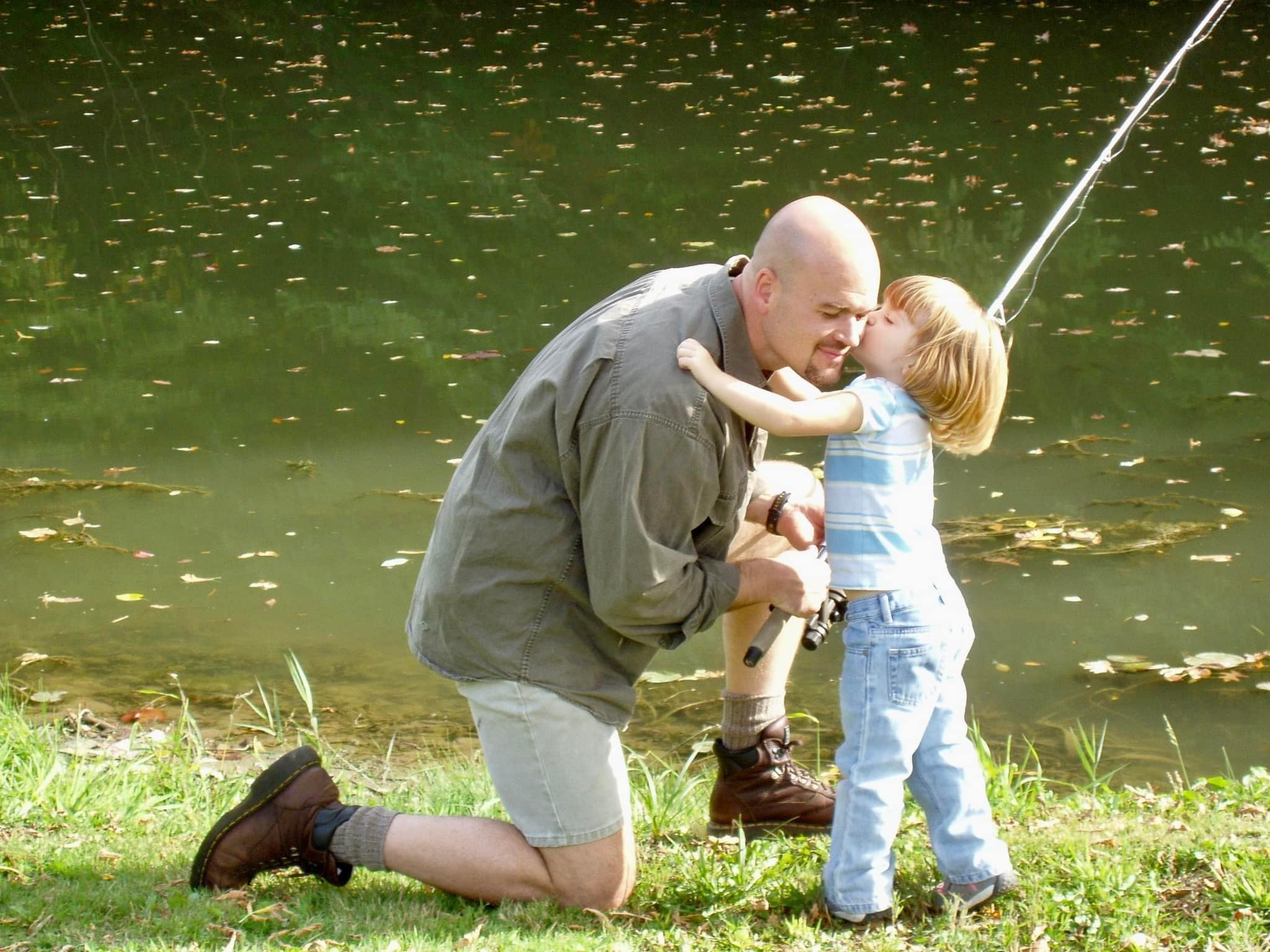
Photo credit: Denise Ball, Ed.D. (c) 2006

As we move through the summer months, may we remember that learning is not meant to be heavy. It is meant to awaken curiosity, deepen connection, strengthen confidence, and help children see the beauty of the world around them.

Let us use this summer to rest well, read often, explore joyfully, ask good questions, and share the good.

When we train our eyes to see the good, amazing things happen.

May we continue to seek knowledge in all things,

Denise

Sharing the Good with Dr. Denise Ball

Summer Spotify Playlist

Leave a comment

Filed under Parent resources, Summer Learning

Suggested Summer Reading for Teachers and those who Play a Role in the Life of a Child

Having written my thesis on phonics, I found this book a good and reflective read. I am still a believer in the importance of phonics in the classroom and at home but I am and feel we as educators must be, open to others views and opinions. I learned a lot from this book and highly recommend it for your summer “must read” list.

“The Great Reading Disaster: Reclaiming Our Educational Birthright” by Mona McNee and Alice Coleman

Amazon’s Book Description:


“By the late 1980s half the nation’s children were receiving eleven years of progressivism schooling that failed to give them even the elementary basis of education that was completed by the age of seven in earlier days. This great reading disaster was caused by the ?look?say? method of teaching, which presented whole words not individual letters. This book explains the causes and provides the solution to this problem. In 2006, the Secretary of State for Education and Skills has ordered schools to use the phonic method but there seems little evidence that its implications are properly understood or that any serious re-training program for teachers is being put in place. The authors believe their explanations and recommendations in this book are thus needed just as much as ever.”


The next book is an excellent read and has sat in my office on my book shelve for a couple of years now. I have lent it out many times now in hopes that it might inspire those who read it to refuse to give into the easy path and CHOOSE to be the difference in the life of our children…our future! Our Unlock the Teacher team has talked on this before on how we feel ALL children are capable of learning. I know many have heard me tell the story of when I taught in the city and I was told that my students could not or would never understand Shakespeare, so I should not waste my time. Well, not only did my 8th grade English/Literature students learn all about Shakespeare, The Tempest became one of their favorite reads that year. Much of how our students respond in our classrooms or buildings depends most on how we choose to approach our environment and communicate learning expectations. I highly recommend this book for all educational staff and parents too!


“Dumbing Down Our Kids: Why American Children Feel Good About Themselves but Can’t Read, Write, or Add”


Amazon’s Book Description:


Dumbing Down Our Kids is a searing indictment of America’s secondary schools one that every parent and teacher should read.
Dumbing Down Our Kids offers a full-scale investigation of the new educational fad, sometimes called “Outcome Based Education” the latest in a long series of “reforms” that has eroded our schools.
-Why our kids rank to, or at the bottom of international tests in math and science

-Why “self-esteem” has supplanted grades and genuine achievements

-How the educational establishment lowers standards and quality in our schools-while continuing to raise their budgets and our school taxes

-The dumbing down of the curriculum so everyone can pass-but no one excel

-How parents, students, and teachers can evaluate schools and restore quality learning.


If you have a good book to recommend or your staff has chosen a book to read as a team, please share and together we can learn from each other. It is in the collaborative process that we will make a difference for our children of today and the future of tomorrow.


May we continue to seek knowledge in all things,


Denise


1 Comment

Filed under Best Practices from Awesome Educators, Curriculum Resources, Recommended Books to Read, to Learn, to Inspire

Reading/Literacy Grant Sources Part II…Our Recommendation=Have a Grant Writing Party Once a Month

  1. A.     Target

Early Childhood Reading Grants

Reading is essential to a child’s learning process. That’s why Target awards grants to schools, libraries and nonprofit organizations to support programs such as after-school reading events and weekend book clubs. Together we’re fostering a love of reading and encouraging children, preschool through third grade, to read together with their families.

Early childhood reading grants are $2,000. Grant applications are typically accepted between March 1 and April 30 each year, with grant notifications delivered in September.  Submit application online: www.target.com/grants    

  1. B.     AASL Collaborative School Library Media Award

This award recognizes and hopes to encourage collaboration and partnerships between school library media specialists and teachers in meeting educational goals outlined in Information Power: Building Partnerships for Learning through joint planning of a program, unit, or event in support of the curriculum and using media center resources. www.ala.org

  1. C.    AASL Innovative Reading Grant

Established in 2006, the $2,500 AASL Innovative Reading Grant supports the planning and implementation of a unique and innovative program for children which motivates and encourages reading, especially with struggling readers. www.ala.org

  1. D.    Adopt-A-Classroom Grants

Teachers who register at the Adopt-a-Classroom web site can be adopted by an individual, a business, or a foundation. Once adopted, teachers will receive $500 worth of credit to purchase items that enrich the learning environment, including classroom technology. Teachers help solicit their own sponsors by downloading and distributing fliers within their community or by sending out a personalized, pre-written email from the Adopt-a-Classroom web site. Every donor receives information about the classroom it has adopted, including an itemized list of what teachers bought so donors can see the impact of their donation. (This sounds SO cool!) www.adoptaclassroom.org

  1. E.     Braitmayer Foundation Grants

The Braitmayer Foundation supports programs that enhance the education of K-12 students through curricular and school reform initiatives, professional development for teachers, and local community efforts. Its grants, which range in size up to $35,000, are to be used as seed money, challenge grants, or to match other grants to the recipient organization. www.braitmayerfoundation.org

  1. F.     Cable’s Leaders in Learning Awards

To honor innovative individuals who have made major contributions to transform K-12 learning in and out of the classroom, the cable industry\’s education foundation has launched the Cable\’s Leaders in Learning Awards. The competition is open to any individual working in U.S. communities who can demonstrate innovative practices or policies that have had an impact on K-12 education. Twelve winners will be selected in four categories. The nomination period opens Oct. 1. 2011  www.leadersinlearningawards.org (This organization is on break for 2010, but their site is a good resource to pick from when writing other grants.)

  1. G.    Computers for Learning

Through its Computers for Learning program, the federal government has placed hundreds of thousands of surplus computers in schools across the country on a needs-first basis. Schools register and request equipment on the Computers for Learning web site, and federal agencies match their surplus equipment to schools with those needs. Most, but not all, of the available computers are Windows-based PCs rather than computers made by Apple. Most of the donated machines are older models, but as the government continues to upgrade its computer systems, the number of surplus Pentium computers will sharply increase. www.computersforlearning.gov

Thank you for all you do in the life of a child!

May we continue to seek knowledge in all things!

Denise

Leave a comment

Filed under Grants and Funding Resources, Hot Topics in Education