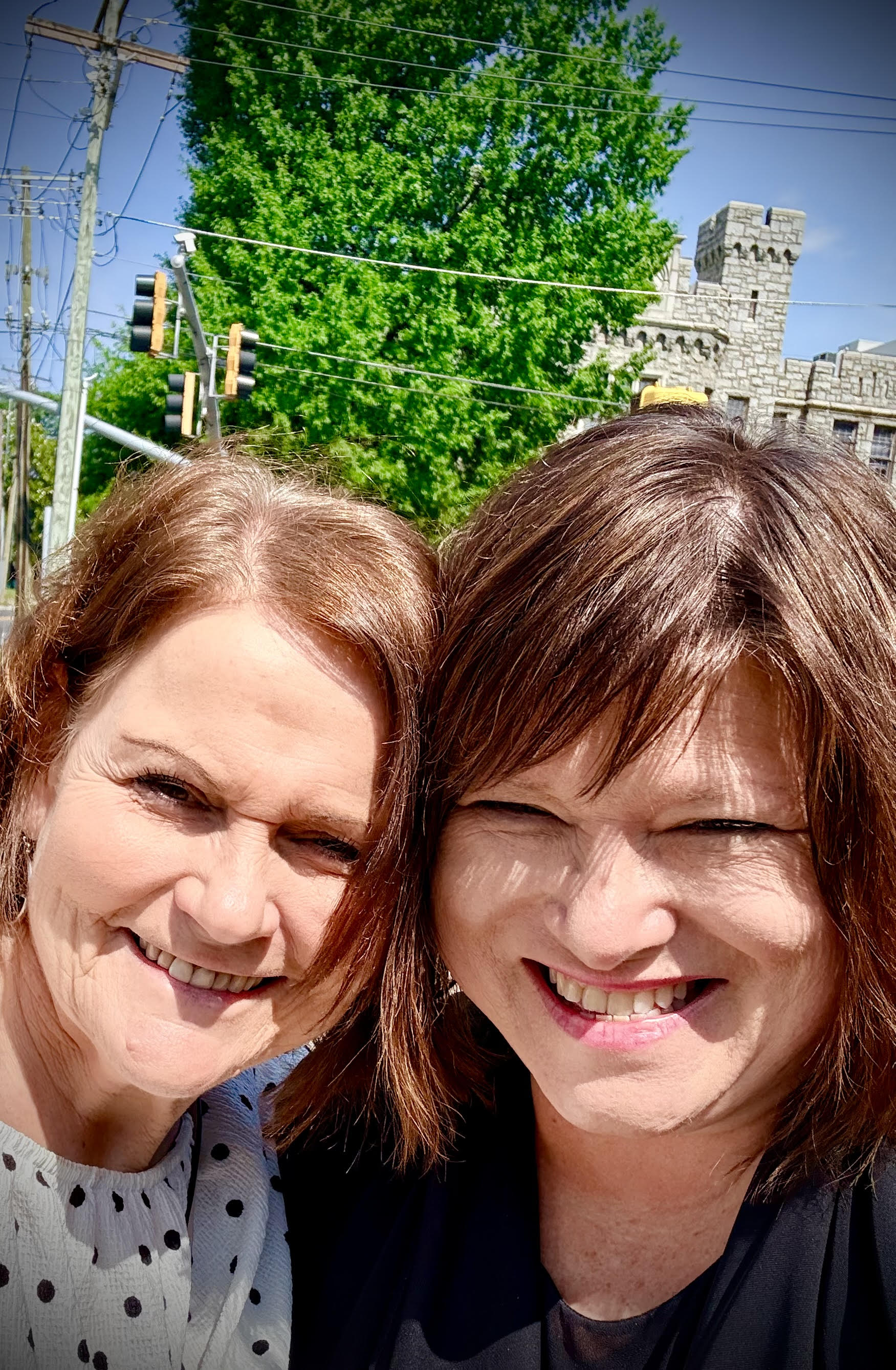
I was so INSPIRED by my conversation this morning with Dr. Barbara Edmondson. I have known Barbara for almost a decade, and every time I leave her presence, I feel encouraged, reflective, and inspired.
In our conversation, Barbara spoke about the importance of educational leaders knowing their charisms and core beliefs. I could not agree more. When we understand the gifts we have been given and the beliefs that ground us, we are better able to serve with clarity, purpose, and joy.
For many educators and school leaders, the next 9 to 12 weeks offer a beautiful opportunity to pause, exhale, and reflect on the “why” behind our service. Why did we choose this work? What gifts have we been called to share? What core beliefs continue to guide us when the days are long and the work feels heavy? Where did we see joy this year? Where did we help create it for someone else?
These are not small questions, but they are the questions that help us return to purpose.
Joy is not meant to be held alone. Joy is synergistic! When joy is shared among a school team, it strengthens culture, builds connection, and reminds us that the work we do matters. Recent research on teacher teams affirms that creating and sustaining a positive school climate requires ongoing collaborative work and that teachers experience their teams as important support structures connected to shared responsibility, safety, openness, and school climate work (Hammar Chiriac et al., 2024). A joyful school community does not mean a perfect school community. It means a community where people are willing to see the good, name the good, and carry the good forward together.
As we close one school year and begin looking toward the next, perhaps this is an invitation to pause and reflect:
*What are the charisms I bring to this work?
*What core beliefs guide the way I serve?
*Where have I seen goodness unfold this year?
*Who helped me remember the joy of the work?
*Who needs to hear a simple and sincere “thank you”?
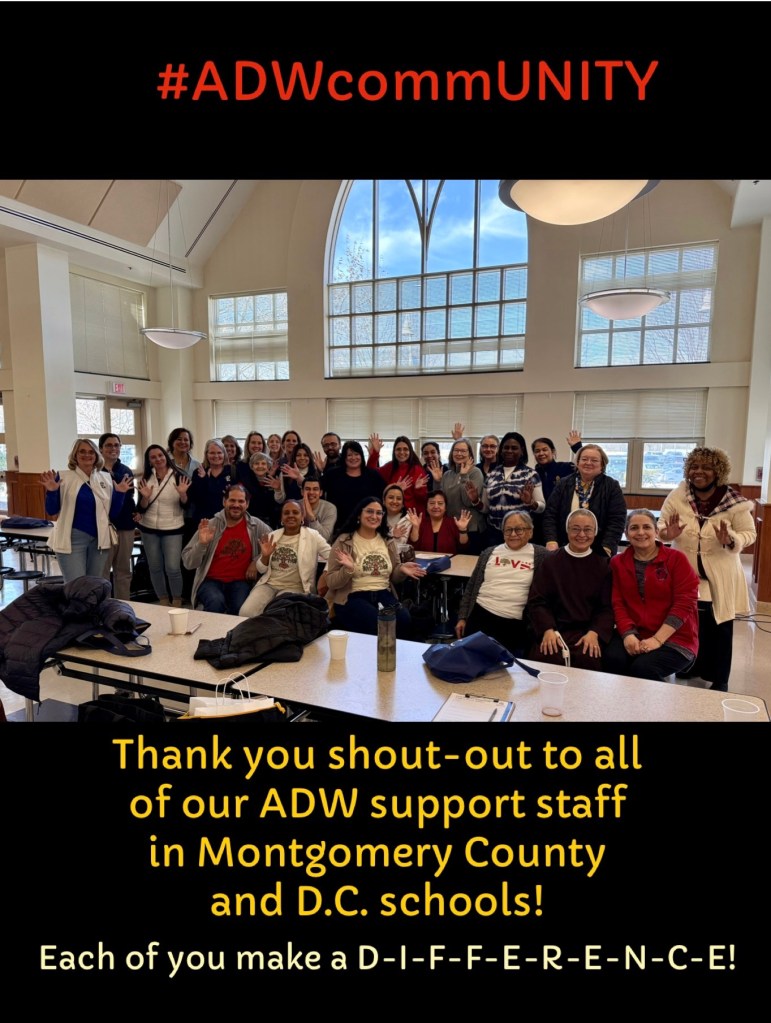
To every educator, school leader, staff member, parent, and community partner who continues to serve others: thank you!
Thank you for the seen and unseen ways you show up. Thank you for the encouragement you offer, the patience you practice, the hope you carry, and the light you bring into your school communities.
The work you do matters, and when we train our eyes to see the good, amazing things happen.
Blackaby (2015) reminds us that a positive school culture begins with a service-oriented mindset. Leaders must build a clear vision of the kind of school environment they want to cultivate for teachers, students, and families. Building a strong team and a positive school culture requires shared leadership, collaboration, and a focus on teacher well-being.
School leaders must be present and care enough to listen and enter the difficult conversation(s). Joy must be modeled by the school leader in both word and action…it is synergistic and transformative for a school team and a school campus/community. At the heart of teacher retention lies a simple but profound truth—joy!
As educational leaders, we must be builders and distributors of joy, creating school cultures where educators are not just sustained but inspired. Joy is not just an outcome of a thriving school environment, it is the very foundation upon which leadership, professional learning, culture, and a positive school team interconnect and strengthen one another.
When leaders cultivate environments where teachers feel valued, when professional learning is meaningful and collaborative, when school culture is intentionally shaped with positivity and respect, and when teams work together with a shared purpose, joy emerges.
The discussion on teacher retention was important pre-COVID and is essential post the pandemic when many teachers are still struggling. Teachers need to pause and take the time to reflect and acknowledge the work it took to walk through that period, celebrate the amazing things that occurred due to their hard work and service to others, so they can close the chapter and get back to the joy of education that attracted them to the profession in the first place.
The conversation on teacher retention and the importance of school leadership and a positive school culture continues…
In the midst of teacher discernment, where educators contemplate the decision to stay or leave the classroom at the end of the school year, the role of school leaders becomes pivotal in shaping the trajectory of teacher retention. Investing time in building and maintaining a positive school culture emerges as a crucial strategy for retaining teachers. The impact of teachers on society is emphasized in research, underscoring the need for schools to promote this message as part of their teacher retention efforts (Dutta & Sahney, 2016). Examining the interconnected dynamics of climate, teacher retention, and the leadership’s role in fostering a positive environment is paramount.
Studies, such as those conducted by Malinen & Savalainen (2016), highlight the significant influence of a teacher’s perceived school climate on job satisfaction, burnout, and self-efficacy. The pervasive issue of teacher stress, compounded by the challenges of the pandemic, further emphasizes the importance of a positive school climate in contributing to teachers’ mental health and overall well-being (Gray et al., 2017; Alexander et al., 2020). As teachers grapple with physical and emotional burnout, creating a supportive and positive work environment becomes imperative for retention and education’s overall effectiveness.
The National School Climate Center (2019) defines a school’s climate as the quality and character of school life, reinforcing the idea that schools are mirrors of the societal landscape (Katz & Donohoo, 2022). In the wake of the COVID-19 pandemic, the American Psychological Association advocates for reflection on the psychological factors at play in education (Bouffard, 2022). Encouraging curiosity and fostering inclusive school climates that respect diverse voices and viewpoints are suggested strategies for school leaders to navigate the complexities teachers face (Bouffard, 2022). As a member of a team that serves in schools, how do you contribute to providing and enhancing the positive energy in your school that is essential for student learning? A smile and a kind word go a long way!
Educational leaders play a pivotal role in improving school climate by maximizing the school team and community attributes (Hu et al., 2019). The polarization and division in society, as evidenced by recent Pew Research Center studies (Dimock & Wike, 2021), contribute to the challenges teachers encounter. Therefore, understanding and addressing these external factors become integral to the school’s overall climate and teacher retention efforts.
As we navigate changes in education, it is crucial for educational leaders to listen attentively to educators’ concerns about their working conditions (Goldstein, 2019). Supporting current educators is not only an immediate necessity but also serves as a vital stopgap in retaining qualified professionals within our schools.
The investment in a positive school culture by school leaders is not merely an option but a strategic imperative for addressing the multifaceted challenges faced by teachers contemplating their continued commitment to remain in the classroom or the profession as a whole. Creating an environment where respect, encouragement, learning, and curiosity are practiced in words and action is synergistic.
When we train our eyes to see the good, amazing things happen…may we strive to CHOOSE to share the good!
May we continue to seek knowledge in all things~
Denise
Author’s Note: This blog post uses direct excerpts from an original dissertation publication in its entirety. Please use the following citation when referencing this work:
Gray, C., Wilcox, G., & Nordstokke, D. (2017). Teacher mental health, school climate, inclusive education, and student learning: A review. Canadian Psychology, 58(3), 203-210.
Hu, B., Li, Y., Wang, C, Reynolds, B. & Wang, S. (2019). The relation between school climate and preschool teacher stress: The mediating role of teachers’ self-efficacy. Journal of Educational Administration, 57(6).
Katz, S. & Donohoo, J. (2022). How to achieve collective efficacy in time of division. The
Learning Professional, 43 (2), 20-23
Malinen, O. & Savalainen, H. (2016). The effect of perceived school climate and teacher efficacy in behavior management on job satisfaction and burnout: A longitudinal study. Teaching and Teacher Education, 60, 144-152.
Author’s Note: This blog post uses direct excerpts from an original dissertation publication in its entirety. Please use the following citation when referencing this work:
The journey of earning my doctorate degree in education has been nothing short of an awe-inspiring experience. The countless hours of research, the rigorous academic challenges, and the camaraderie with fellow scholars have collectively shaped me into a more knowledgeable and resilient individual. The process of delving deep into the intricacies of educational theory and practice has not only expanded my intellectual horizons but has also instilled in me a profound passion for enhancing the educational landscape. I have served in education for the last 26 years, inspired by many teachers and school leaders. This has been a life-long goal and I am so grateful for all the support and words of encouragement along the way.
As I reflect on this transformative journey, I am filled with a sense of accomplishment and anticipation for the next phase of my academic endeavor. Armed with a wealth of knowledge and a heightened understanding of educational methodologies, I am excited to transition into the role of a contributor, researcher, and advocate for improved learning experiences. The prospect of engaging in meaningful research and writing to share innovative ways to enhance the educational journey for both students and teachers fuels my enthusiasm. This next phase represents an opportunity to bridge the gap between theory and practice, translating academic insights into actionable strategies that can positively impact classrooms and educational institutions.
My doctoral journey has equipped me not only with a scholarly mindset but also with a deep sense of responsibility to make a meaningful contribution to the field of education. I am eager to continue to collaborate with like-minded individuals, educators, and institutions to implement evidence-based practices that can foster a more enriching and effective learning environment. As I embark on this new chapter, I am motivated by the belief that education is a powerful catalyst for positive change, and I am committed to playing an active role in shaping a future where learning is an inspiring and transformative experience for all involved. If you are in that phase of discernment about whether to work towards earning a doctorate degree in education, be encouraged that you can make a difference and your voice is needed in education.
A special thank you to Liberty University for having a financially supportive program for veterans, allowing me to embark on this very fulfilling journey.
Improving Teacher Retention Within the Archdiocese of Washington Dissertation-https://digitalcommons.liberty.edu/doctoral/5006/
May we all continue to seek knowledge in all things,
As the school year has just begun and we are busy in schools, I thought I would share a couple of great sites that offer “team building” lessons for students. We are excited to hear from and meet new teachers this year. I think that these sites provide great problem-solving scenarios for students to work through and can enhance any lesson in any discipline and be modified for any age to meet the needs of all students. Enjoy and have a super school year full of many new discoveries!
Computer Science Unplugged is a great site to utilize in the classroom because it offers creative scenarios to solve or work through without utilizing a computer. This site has various activities for both teachers and parents to utilize with students to enhance team building and higher-order thinking.
I love to know your thoughts, ideas or lessons found successful in enhancing these skills. Please keep sharing. Together we can make a difference!
Vendor Partner Middle School Mindset Portfolio of Services
The Middle School Mindset Portfolio of Services represents a unique national collaboration between: ADAC | William H. Sadlier | Friendzy | Archangel Education & Technology. An à la carte portfolio of resources.
ADAC, Inc.
ADAC partners with PK–12 schools, systems, and networks nationwide to help educators and leaders confidently meet the needs of every student.
Friendzy, Co.
An effective curriculum that teaches a new generation of students character development skills.
Curriculum Associates
Together with one million educators, we’re connecting every part of learning—from assessment to instruction, data to discovery—to empower classrooms and communities to thrive.
Archangel Education & Technology
Archangel brings a human touch to technology, blending passion, deep expertise, and a strong community focus to enrich educational experiences.
William H. Sadlier
Core and supplemental math programs teach the essentials students will use the rest of their academic and professional lives.
National Standards in Gifted and Talented Education
Standards provide a foundation for the policies, rules, and procedures necessary to deliver high-quality, systematic programs and services for high-ability students. Guidance and framework resources.
Standards and Assessments
Raising academic standards for all students and measuring student achievement to hold schools accountable for educational progress are central strategies for promoting educational excellence and equity in our Nation’s schools.
Odyssey of the Mind
An international educational program that provides creative problem-solving opportunities for students from kindergarten through college.
Math Chimps
Great online math games aligned to the Common Core State Standards~for ages 4-16
Team Building and Problem-Solving Strategies for the Classroom
Odyssey of the Mind
An international educational program that provides creative problem-solving opportunities for students from kindergarten through college.
Websites with Games and Activities Created by Authors
Oceanhouse Media
Great educational book apps and so much more. Check out often for FREE downloads to help your child learn letters, phonics & math!