Tag Archives: Catholic Education

Strengthening Schools Through Partnership: The Role of Universities in Teacher Retention

Across the country, school leaders are navigating one of the most persistent challenges in education today: retaining talented, mission-driven educators. While much of the conversation centers on compensation, workload, and policy, one of the most underutilized and high-impact resources sits right beside our schools…our university partners.

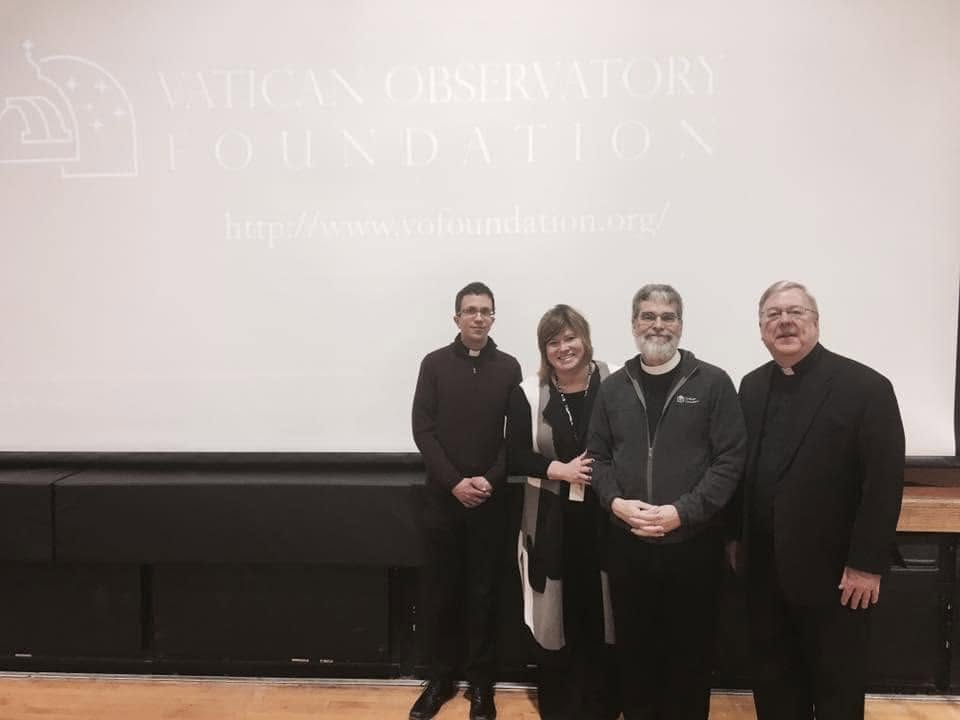
I always enjoy hearing and sharing the good with Boston College Roche Center educational leaders.

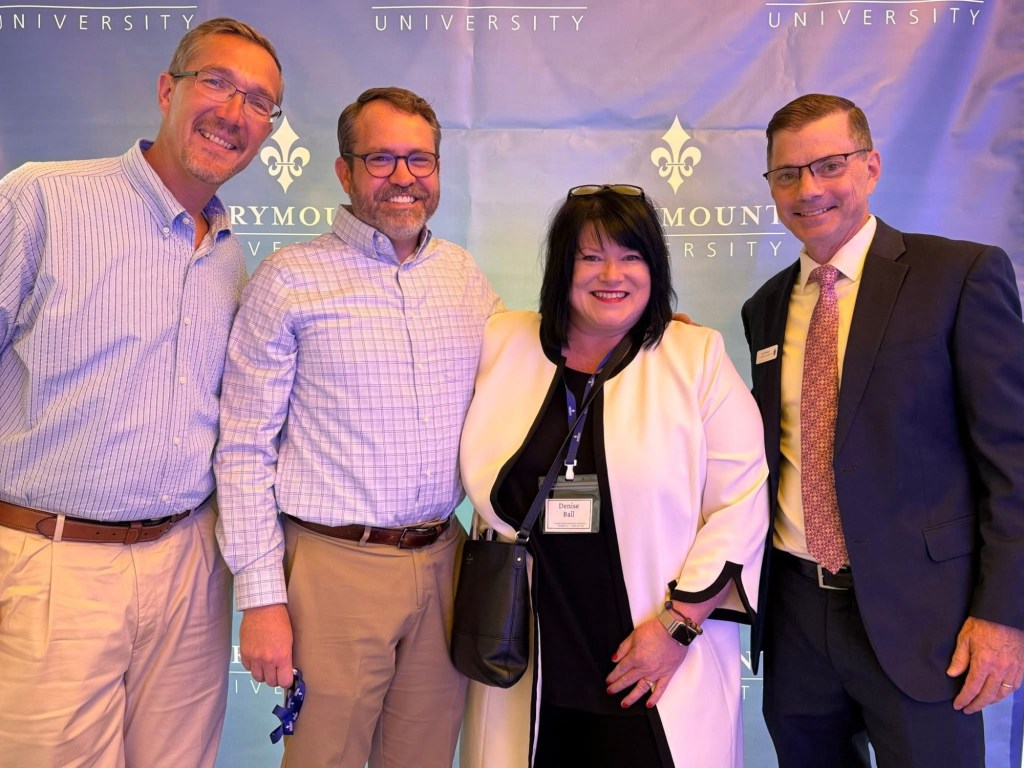
Institutions like Marymount University, Boston College, and St. John’s University are not only preparing future educators, they are increasingly listening, adapting, and responding to the real-time needs of school leaders and teachers. When leveraged intentionally, these partnerships can become a cornerstone strategy in addressing the teacher retention challenge.

At their best, university-school partnerships move beyond transactional relationships and become transformational. They create shared responsibility for developing, supporting, and sustaining educators across the full arc of their careers.

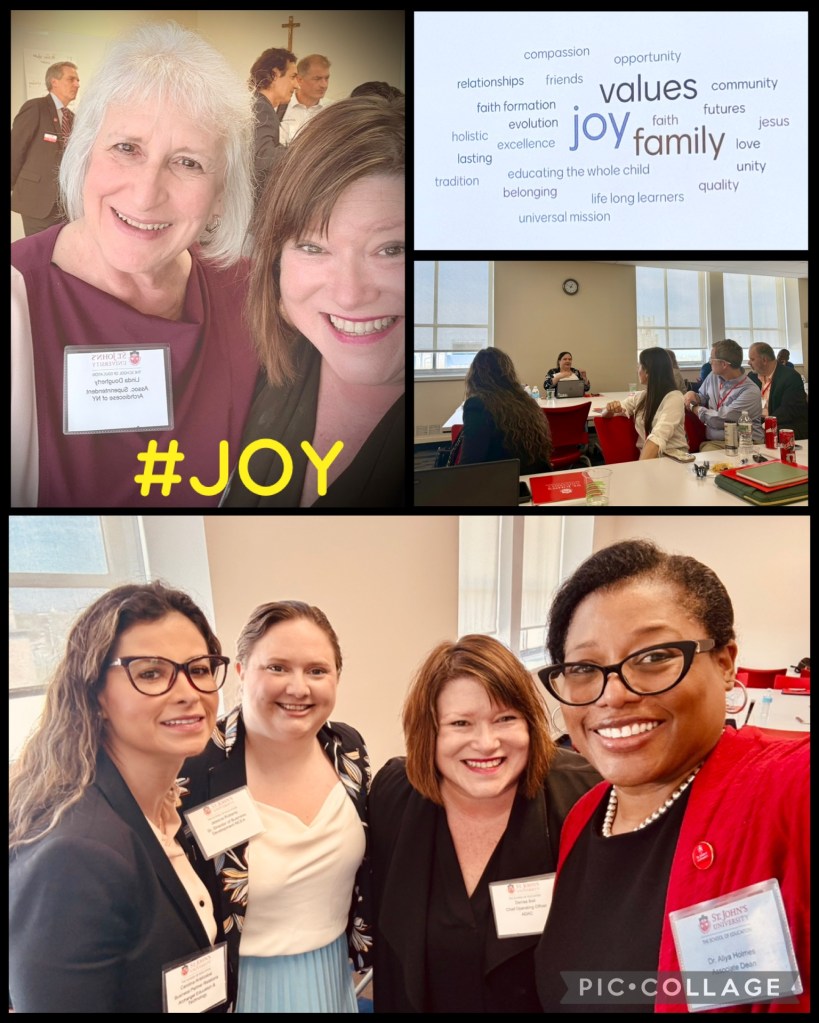
St. John’s University edTech Summit—a think tank session!

What This Looks Like in Practice

Educational leaders can take intentional steps to deepen these partnerships in ways that directly impact teacher retention:

Enhancing School-Based Opportunities Through Strategic Partnership

Professional learning is most effective when it is grounded in the context of the school and led by those closest to the work. I find there is value in leaning on university partners as thought partners. These relationships bring research, frameworks, and support that strengthen intentionally designed opportunities (Desimone & Garet, 2015).

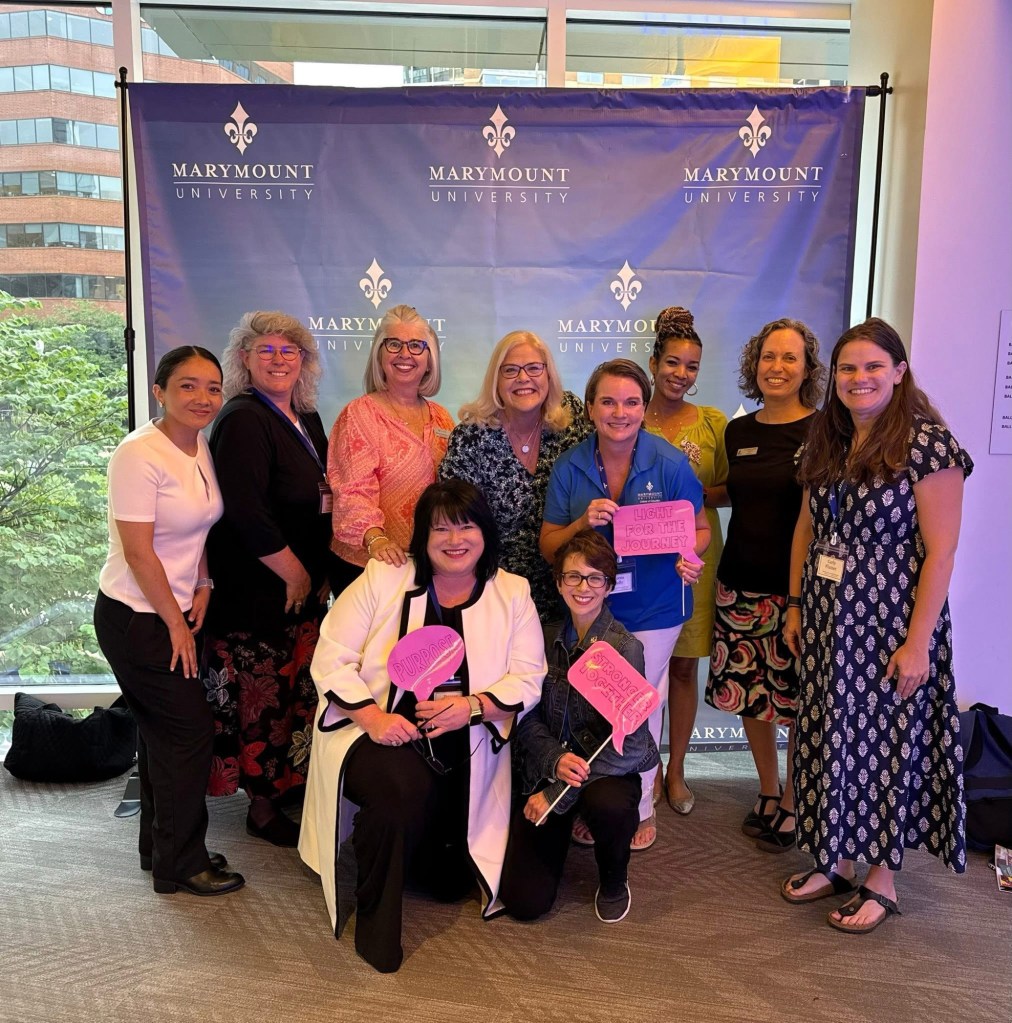
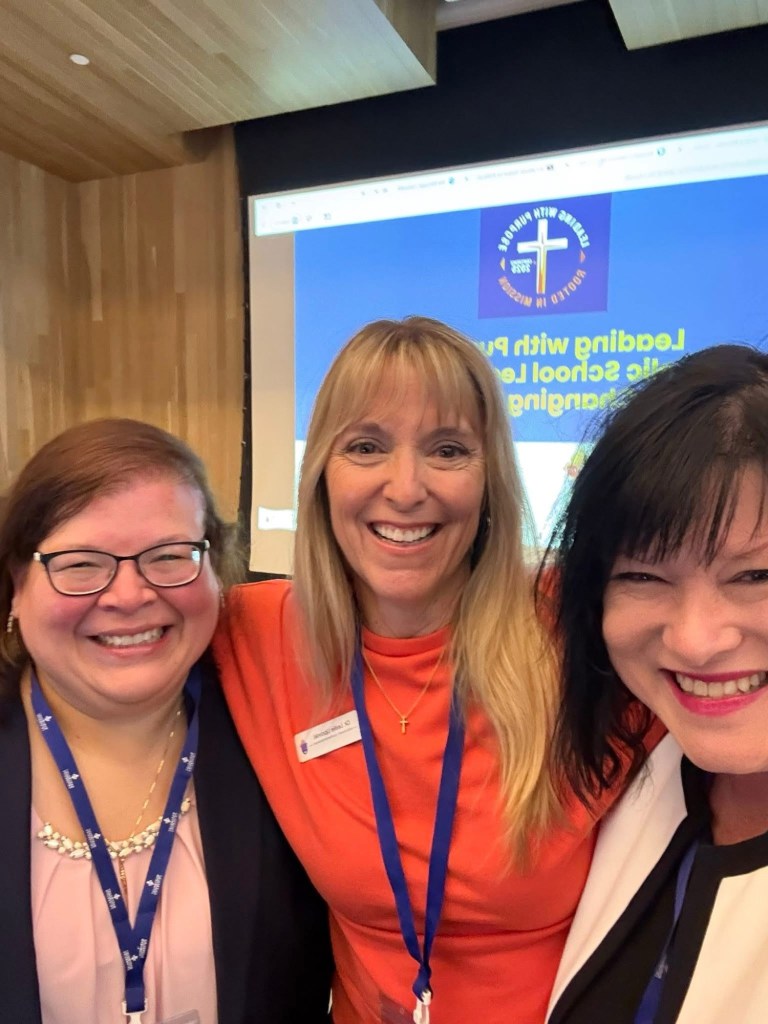
Marymount University Regional Catholic School Leadership Conference

Creating Leadership Pathways

Retention is closely tied to growth. Universities can partner with school systems to build leadership pipelines, offering graduate programs, certifications, and cohort models that empower teachers to see a future within the profession. When educators can envision their next step, they are more likely to stay (Ingersoll et al., 2018).

Embedding Research into Practice

Strong partnerships allow schools to serve as living laboratories where research informs practice and practice refines research. Whether through action research, dissertation collaboration, or pilot programs, teachers feel valued when their experiences contribute to broader learning and improvement (Coburn & Penuel, 2016).

Expanding the Teacher Pipeline with Purpose

Through intentional clinical experiences, residency models, and targeted recruitment efforts, universities can help schools attract candidates who are not only qualified but mission-aligned. This alignment is essential across all educational governance models, where purpose plays a central role in retention (Guha et al., 2016).

Supporting Educator Well-Being and Belonging

Teachers stay where they feel seen, supported, and connected. Universities can contribute by integrating social-emotional learning, reflective practice, and community-building strategies into both pre-service and in-service programming. Research consistently shows that school culture, trust, and collective efficacy are key drivers of teacher retention (Kraft et al., 2016). I am very passionate about this topic and my research highlights the central role of school climate, leadership, and relational trust in shaping teachers’ decisions to remain in the profession (Ball, 2023).

The most impactful university partnerships are grounded in a shared belief: that supporting teachers is not the responsibility of one institution, but a collective commitment.

When school systems and universities work together with intention, we begin to see action to impact. Professional learning becomes more meaningful, leadership becomes more distributed, and culture becomes more supportive. Most importantly, teachers begin to experience what so many are seeking: a sense of purpose, growth, and belonging within their schools.

For educational leaders, the invitation is clear: lean into these partnerships. Invite universities to the table not just as providers, but as collaborators. Share your challenges openly, co-create solutions, and build meaningful and impactful frameworks not one-time supports.

When we strengthen the bridge between universities and schools, we are not just preparing teachers, we are sustaining them.

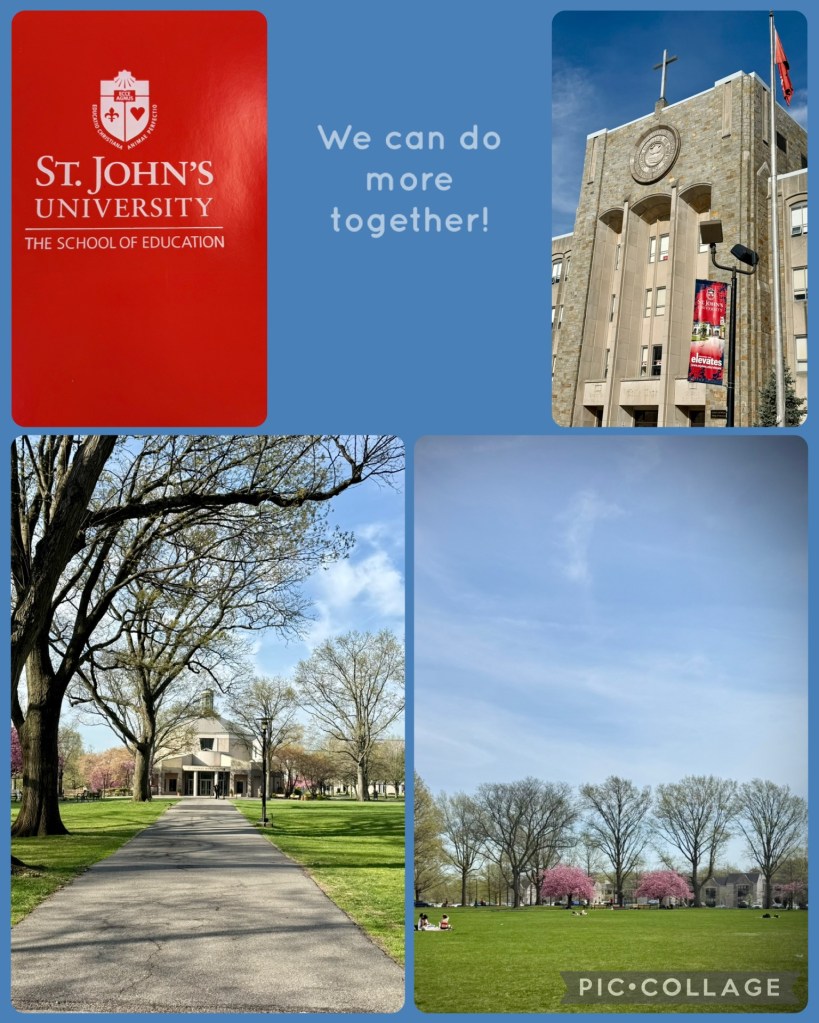
At the heart of this work is a simple but powerful truth…we can do more for our teachers when we do it together. The challenges facing education today call us to think beyond traditional structures and lean into the strength of collective impact. By partnering with universities and trusted vendor partners, we open the door to innovative, responsive solutions that better meet the needs of our educators. More importantly, these partnerships allow us to visibly and authentically demonstrate our gratitude for teachers, thankful for their dedication, their resilience, and their daily commitment to shaping the lives of the students entrusted to their care.

When educators feel supported not just by their school, but by a broader community working on their behalf, we move closer to building the kind of sustainable, mission-driven environments where teachers choose to stay and thrive.

References 

Ball, D. M. (2023). Improving teacher retention within Archdiocese of Washington schools (Doctoral dissertation, Liberty University). https://digitalcommons.liberty.edu/doctoral/5006  

Coburn, C. E., & Penuel, W. R. (2016). Research–practice partnerships in education: Outcomes, dynamics, and open questions. Educational Researcher, 45(1), 48–54. https://doi.org/10.3102/0013189X16631750

Desimone, L. M., & Garet, M. S. (2015). Best practices in teachers’ professional development in the United States. Psychology, Society, & Education, 7(3), 252–263. https://doi.org/10.25115/psye.v7i3.515

Guha, R., Hyler, M. E., & Darling-Hammond, L. (2016). The teacher residency: An innovative model for preparing teachers. Learning Policy Institute.

Ingersoll, R. M., Merrill, L., Stuckey, D., & Collins, G. (2018). Seven trends: The transformation of the teaching force. Consortium for Policy Research in Education.

Ingersoll, R. M., & Strong, M. (2011). The impact of induction and mentoring programs for beginning teachers: A critical review of the research. Review of Educational Research, 81(2), 201–233. https://doi.org/10.3102/003465431140

Leave a comment

Filed under Educational Resources, Hot Topics in Education, Inspiration, Positive School Culture, Sharing the Good in Education, teacher retention, Teacher Retention and Recruitment, University Partners

The Power of Traditions in a 30-Second World at Home & in the Classroom

We are raising children in a world of scroll, swipe, and sound bites. Information arrives in 30-second clips, fragmented headlines, and algorithm-driven content streams. Research suggests that rapid, high-frequency digital consumption can shorten attention spans and contribute to cognitive overload (Carr, 2010; Ophir et al., 2009). Attention is divided. Moments are rushed. Noise is constant.

In this environment, parents and teachers are called to be architects of pause.

Traditions and routines are not small things. They are anchors. They slow the train. They invite us to stop long enough to see, truly see, the children in our classrooms and the people in our homes.

These pauses do something powerful to the human spirit…

They create predictability in an unpredictable world. They foster emotional safety. They promote a grounded sense of reality, a reminder that life is more than reaction and response; it is relationship and presence. Research consistently links predictable routines with improved emotional regulation, reduced anxiety, and stronger mental and physical health outcomes in children and adolescents (Fiese et al., 2002; Spagnola & Fiese, 2007).

A Situation We Recognize

Imagine a middle school classroom on a Monday morning.

Students arrive buzzing from weekend activity and digital stimulation. Some are anxious about assignments. Others are carrying silent burdens from home. The energy is scattered.

Instead of diving immediately into content, the teacher begins with “Monday Morning Light.” A candle is turned on (battery operated for safety). Soft instrumental music plays for two minutes. Students are invited to write one gratitude and one intention for the week.

The room shifts…

Breathing slows. Shoulders drop. Eye contact increases. Students are no longer fragmented individuals entering from separate worlds, they are a community beginning together!

Over time, this simple ritual becomes a stabilizing force. It lowers stress responses and supports emotional regulation, outcomes that research connects to consistent family and classroom routines (Spagnola & Fiese, 2007).

That two-minute tradition communicates:

You are safe here. You belong here. We begin together.

Traditions do not waste time. They redeem it.

Why Traditions Matter

Traditions:

-Provide emotional security in uncertain times

-Strengthen identity and belonging

-Reinforce shared values

-Reduce stress through predictable rhythms

-Build intergenerational memory and meaning

-Cultivate hope

Traditions remind us of good memories of what was and give us hope for what is to come.

Let us never underestimate the power of hope. Hope strengthens resilience. Hope sustains effort. Hope fuels joy!

Simple Traditions to Begin Today

In the Classroom

1. Gratitude Friday

End every Friday with students naming one win from the week: academic, personal, or relational.

2. “Light the Week” Ritual

Begin Mondays with a short reflection, Scripture, quote, or moment of silence.

3. Celebration Wall

Create a space where students post small victories: kindnesses, perseverance, improvement.

4. Monthly Service Spotlight

Each month highlight a virtue or service theme and celebrate students who model it.

5. Seasonal Reset Days

At the start of each quarter, pause for goal-setting and community-building before diving into content.

At Home

1. Sunday Supper Tradition

Phones away. One question around the table that invites storytelling.

2. Birthday Blessings

Each family member speaks a word of affirmation over the birthday child, regardless of age.

3. First-Day-of-School (First-Day-of Quarter) Breakfast Ritual

Same meal. Same prayer. Same photo spot. Every year/every quarter.

4. Advent or Lent Reflection Nights

Short candle-lit gatherings with reflection and shared intention.

5. Monthly Memory Night

Pull out old photos and tell stories. Children anchor their identity in narrative memory. (Note: my kids are in their twenties and Michael and I still lean in on this tradition a few times a year.)

Intentional Pauses are Essential

Traditions are not elaborate productions. They are intentional pauses.

In a world that accelerates, traditions decelerate.

In a culture that fragments, traditions gather.

In a society that overwhelms, traditions ground.

Children, young and old, do not simply need information. They need formation.

They need rhythms that say:

You belong. You are known. You are part of something lasting.

As parents and teachers, we are not just managing days.

We are shaping memories.

We are cultivating hope.

We are building anchors that will steady our children long after they leave our classrooms and homes.

Let us be people who pause, let us be people who build traditions, and let us be people who carry hope forward.

Stay tuned for more information on making a difference for children and in service to others. When We Train Our Eyes to See the Good—Amazing Things Happen (Ball, 2026) is in one of the final draft phases 😉.

I would love to hear the classroom and home traditions and routines being used—please leave a comment and share with those who follow this blog. This blog has surpassed over 1 million views…thank you for sharing the good!

May we continue to seek knowledge in all things~

Denise

References

Carr, N. (2010). The shallows: What the Internet is doing to our brains. W. W. Norton & Company.

Fiese, B. H., Tomcho, T. J., Douglas, M., Josephs, K., Poltrock, S., & Baker, T. (2002). A review of 50 years of research on naturally occurring family routines and rituals: Cause for celebration? Journal of Family Psychology, 16(4), 381–390. https://doi.org/10.1037/0893-3200.16.4.381

Ophir, E., Nass, C., & Wagner, A. D. (2009). Cognitive control in media multitaskers. Proceedings of the National Academy of Sciences, 106(37), 15583–15587. https://doi.org/10.1073/pnas.0903620106

Spagnola, M., & Fiese, B. H. (2007). Family routines and rituals: A context for development in the lives of young children. Infants & Young Children, 20(4), 284–299. https://doi.org/10.1097/01.IYC.0000290352.32170.5a

Leave a comment

Filed under Creating a Positive School Culture, Inspiration, Positive School Culture, Traditions for Home & the Classroom

The Journey of Earning my Doctorate Degree in Education

The journey of earning my doctorate degree in education has been nothing short of an awe-inspiring experience. The countless hours of research, the rigorous academic challenges, and the camaraderie with fellow scholars have collectively shaped me into a more knowledgeable and resilient individual. The process of delving deep into the intricacies of educational theory and practice has not only expanded my intellectual horizons but has also instilled in me a profound passion for enhancing the educational landscape. I have served in education for the last 26 years, inspired by many teachers and school leaders. This has been a life-long goal and I am so grateful for all the support and words of encouragement along the way.

As I reflect on this transformative journey, I am filled with a sense of accomplishment and anticipation for the next phase of my academic endeavor. Armed with a wealth of knowledge and a heightened understanding of educational methodologies, I am excited to transition into the role of a contributor, researcher, and advocate for improved learning experiences. The prospect of engaging in meaningful research and writing to share innovative ways to enhance the educational journey for both students and teachers fuels my enthusiasm. This next phase represents an opportunity to bridge the gap between theory and practice, translating academic insights into actionable strategies that can positively impact classrooms and educational institutions.

My doctoral journey has equipped me not only with a scholarly mindset but also with a deep sense of responsibility to make a meaningful contribution to the field of education. I am eager to continue to collaborate with like-minded individuals, educators, and institutions to implement evidence-based practices that can foster a more enriching and effective learning environment. As I embark on this new chapter, I am motivated by the belief that education is a powerful catalyst for positive change, and I am committed to playing an active role in shaping a future where learning is an inspiring and transformative experience for all involved. If you are in that phase of discernment about whether to work towards earning a doctorate degree in education, be encouraged that you can make a difference and your voice is needed in education.

A special thank you to Liberty University for having a financially supportive program for veterans, allowing me to embark on this very fulfilling journey.

Improving Teacher Retention Within the Archdiocese of Washington Dissertation-https://digitalcommons.liberty.edu/doctoral/5006/

May we all continue to seek knowledge in all things,

Denise

2 Comments

Filed under Curriculum Resources

Teachers Sharing the Good with One Another

I am so excited to share that Maria Chubb and Karina Lepkowski mastered educators teaching at Most Holy Trinity within the Archdiocese of Detroit Catholic Schools will be coming to share their best practices they have been sharing at Detroit area EdCamps and Archdiocese of Detroit professional development sessions on March 3rd for our Archdiocese of Baltimore and Loyola University “Harness the Power Within” Professional Development Day!

#SharingTheGood #WeAreAllOneBodyinChrist

May we continue to seek knowledge in all things-

Denise

Leave a comment

Filed under Curriculum Resources, Professional Development Workshops for Educators

Join #AOBEDCHAT Premiere January 8th with Guest Fr. Matt Foley

We would love to have educators join the conversation on Monday, January 8th at 7 PM for the Archdiocese of Baltimore Catholic Schools premiere Twitter edChat. We will be discussing student service learning with guest, Friar Matt Foley! #ShareTheGood #AOBCatholicSchools #RiseAbove

Leave a comment

Filed under Curriculum Resources, Twitter edChat