Summer is a gift!
It is a time to pause, breathe, rest, reconnect, and allow children, parents, and teachers to experience learning through a different lens. Learning does not need to stop when the school year ends. In fact, some of the most meaningful learning happens during the slower moments of summer…in the backyard, at the kitchen table, on a family walk, at the library, while traveling, while serving others, while reading together, or simply by asking good questions and making the act of inquiry fun!
For teachers, summer can be a time to renew creativity and gather meaningful resources for the year ahead. For parents and caregivers, summer can be a time to nurture curiosity without recreating the structure of the school day. Children need rest, play, imagination, and connection. They also benefit from small, intentional moments that keep their minds active and their love of learning alive.
The goal is not to overschedule summer

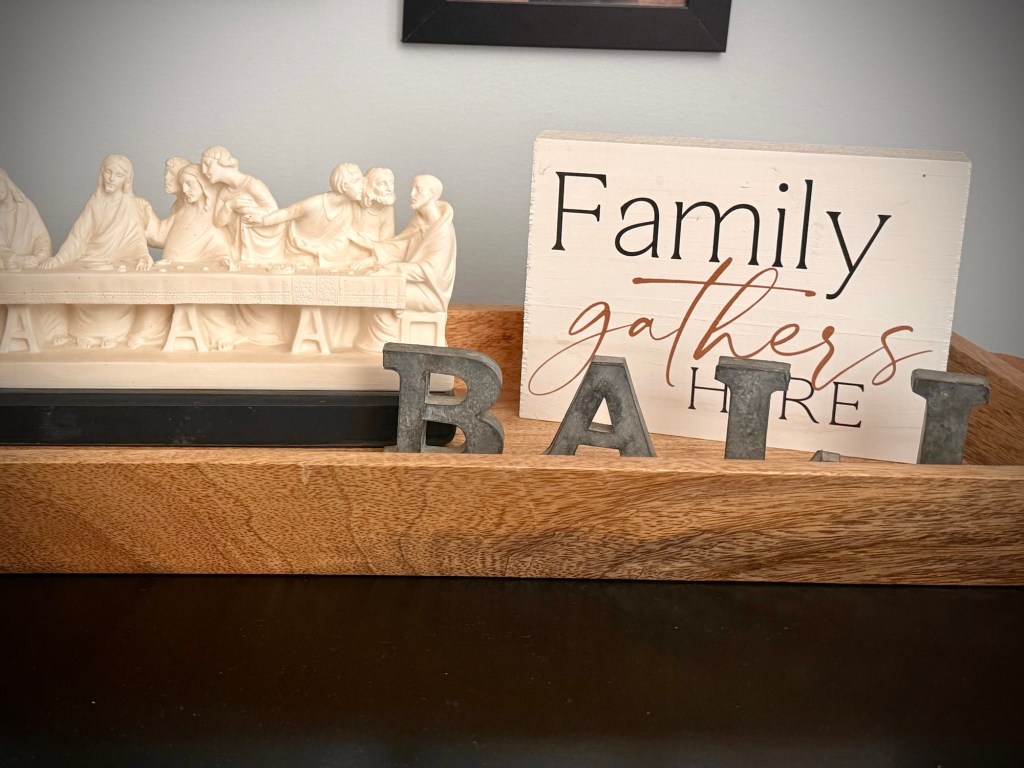
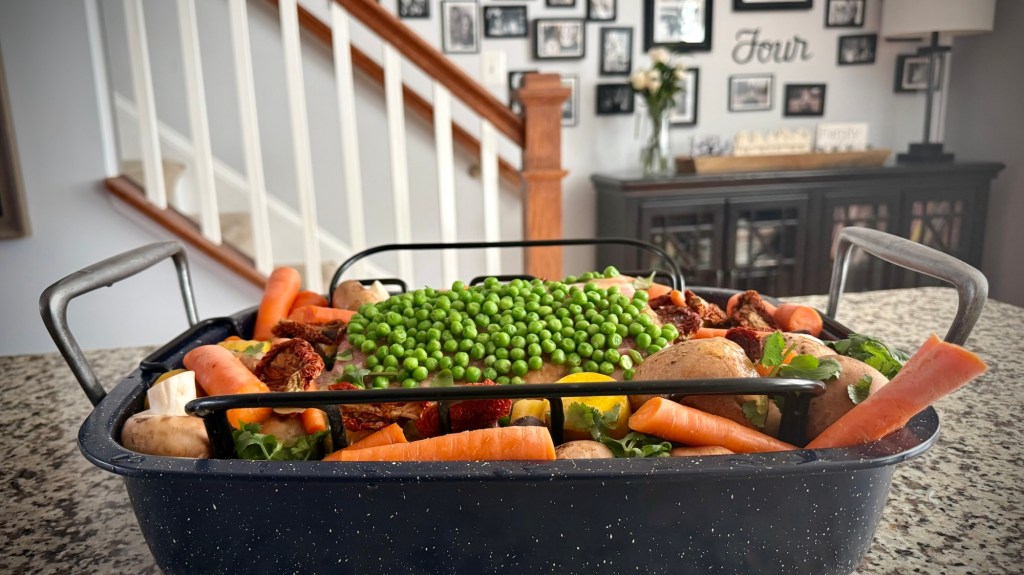
Photo credit: Denise Ball, Ed.D. (c) 2025
A Few Gentle Summer Learning Reminders
Read something every day. It does not always need to be a chapter book. It can be a recipe, a poem, a comic, a prayer, a field guide, a sign at a museum, a letter from a grandparent, or a book read together before bed.
Practice math in real life. Double a recipe. Estimate the grocery total. Track the weather. Compare sports statistics. Build something. Measure something. Let children see that math lives all around them.
Make space for creativity. Sidewalk chalk, journaling, drawing, building, storytelling, music, nature walks, and family traditions all support learning. Children are forming memories while they are forming skills.
Use technology with purpose. Online resources can be wonderful when used intentionally. A short learning activity, a virtual museum visit, a math review, a science video, or a writing prompt can be helpful, especially when paired with conversation.
Protect time for rest and relationships. Children do not simply need information; they need formation. They need adults who see them, listen to them, encourage them, and help them notice the good. I encourage you to help them see and share the good. It will be good for them and your entire family unit!
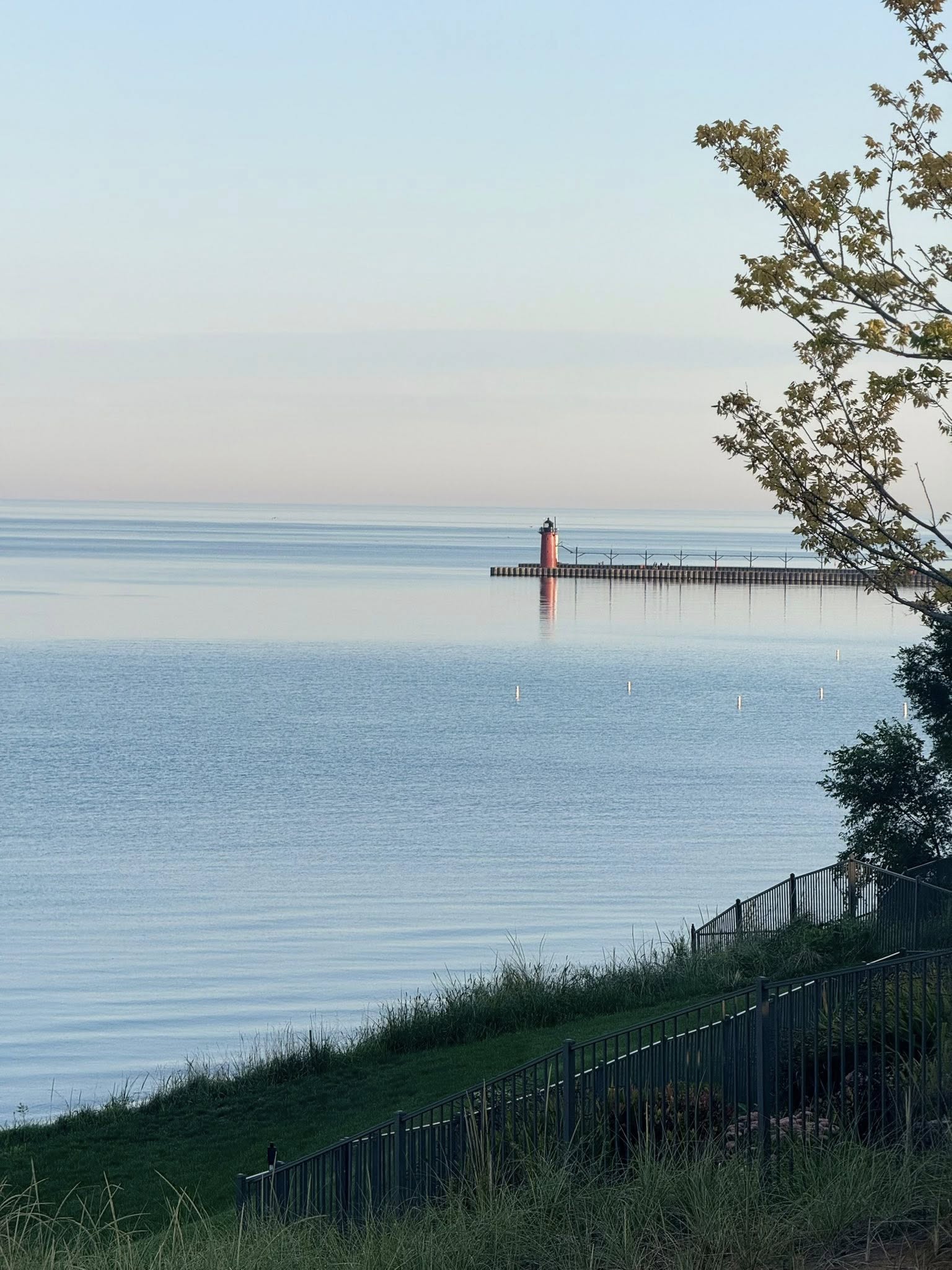
Photo credit: Denise Ball, Ed.D. (c) 2025
Recommended Summer Resources for Teachers and Parents
Khan Academy remains a helpful free resource for students, parents, and teachers. It offers lessons, practice exercises, videos, and learning dashboards across math, science, reading, computing, history, economics, financial literacy, test preparation, and more. It can be especially helpful for families looking for short, focused skill practice over the summer.
Khan Academy Kids also offers free printable activities for parents and teachers, including off-screen options in English and Spanish. This is a helpful reminder that summer learning does not always need to happen on a device.
ReadWriteThink is a strong literacy resource for teachers, parents, and afterschool professionals. It includes classroom resources, student interactives, writing tools, lesson plans, and printables across grade levels. It is a wonderful place to explore reading and writing activities that can be adapted for summer learning.
The Smithsonian Learning Lab offers digital images, videos, texts, recordings, and collections that teachers and families can use to explore history, art, culture, science, and more. This is a beautiful resource for curiosity-driven learning and project-based exploration.
NASA Learning Resources provide STEM activities, videos, student opportunities, educator resources, and family-friendly ways to explore science, space, engineering, and discovery. For children who love to ask “why” and “how,” NASA can help turn curiosity into deeper learning.
The National Park Service offers teacher-created lesson plans and outdoor learning resources connected to nature, science, history, and exploration. These resources can help families and teachers connect learning to the world beyond the classroom walls.
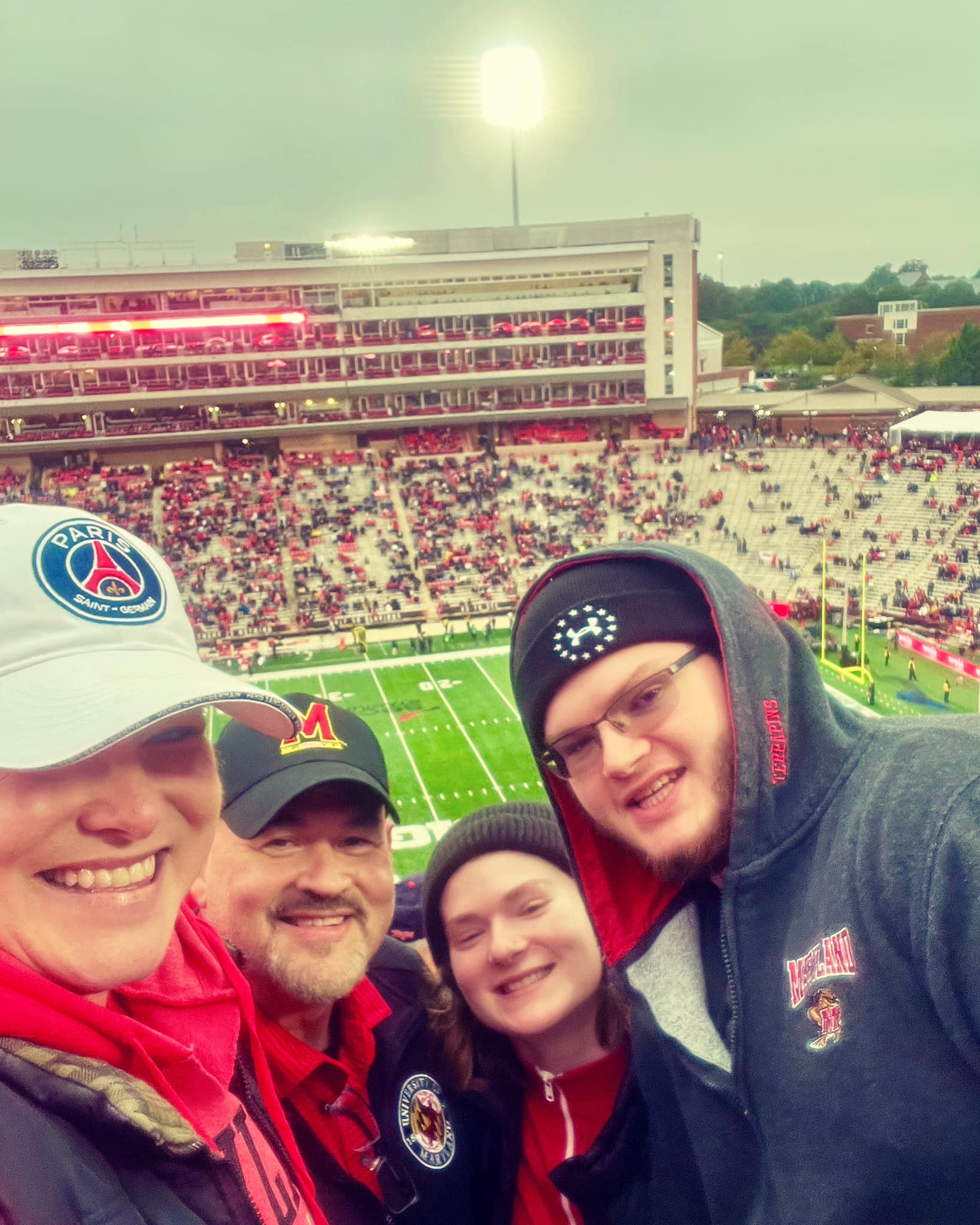
Photo credit: Denise Ball, Ed.D. (c) 2023
Simple Summer Learning Ideas for Home
Create a family reading basket. Place books, magazines, devotionals, field guides, library books, and journals in one shared space. Invite children to choose something to read each day.
Start a “wonder journal.” Ask children to write or draw one thing they noticed, wondered about, or learned each day.
Plan one curiosity outing each week.Visit a library, park, museum, garden, historical site, farmer’s market, or local landmark. Before going, ask: What do we already know? What do we want to learn?
Use the 20-minute rule. Twenty minutes of reading, math practice, writing, or creative learning a few times a week can help keep skills active without overwhelming the gift of summer. As adults, we call this “time boxing”…
Build a family tradition. Summer traditions do not need to be complicated. A weekly library visit, Sunday evening walk, family game night, prayer before a trip, or “tell me one good thing” dinner conversation can become an anchor children remember for years.
A Note to Teachers
Teachers, I hope summer gives you space to rest.
You have poured out so much this year. You have taught lessons, managed transitions, encouraged children, supported families, adjusted plans, solved problems, and carried more than many people will ever see. Please give yourself permission to pause.
When you are ready, perhaps choose one or two resources that inspire you for the year ahead. Not twenty. Not fifty. Just one or two that help you imagine what is possible.
Summer is not only for planning but for renewing the heart.
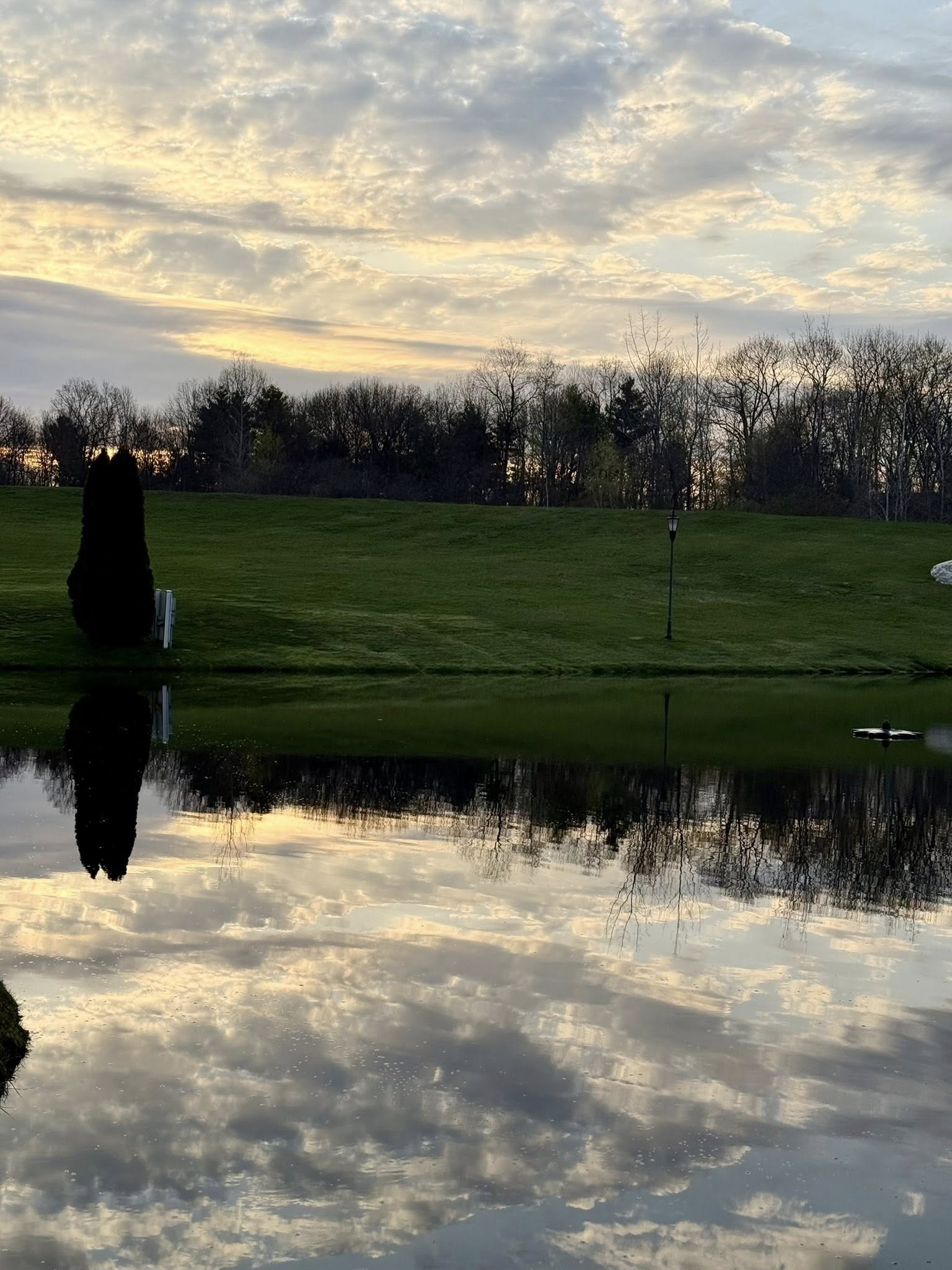
Photo credit: Denise Ball, Ed.D. (c) 2026
A Note to Parents and Caregivers
Parents are the first teachers of their children. The small moments really do matter.
Reading together matters, asking questions matters, and taking the time to pause, look children in the eye, and listening to them matters.
Putting aside the demands of our time that the chaos of life often places on our schedules and taking a walk matters.
Telling family stories matters, and helping children see that learning is not limited to a classroom matters.
Summer gives families a beautiful opportunity to slow down and remind children that learning is part of life, not just part of school. Life is a gift, and helping our children train their eyes to see this good is meaningful and essential!
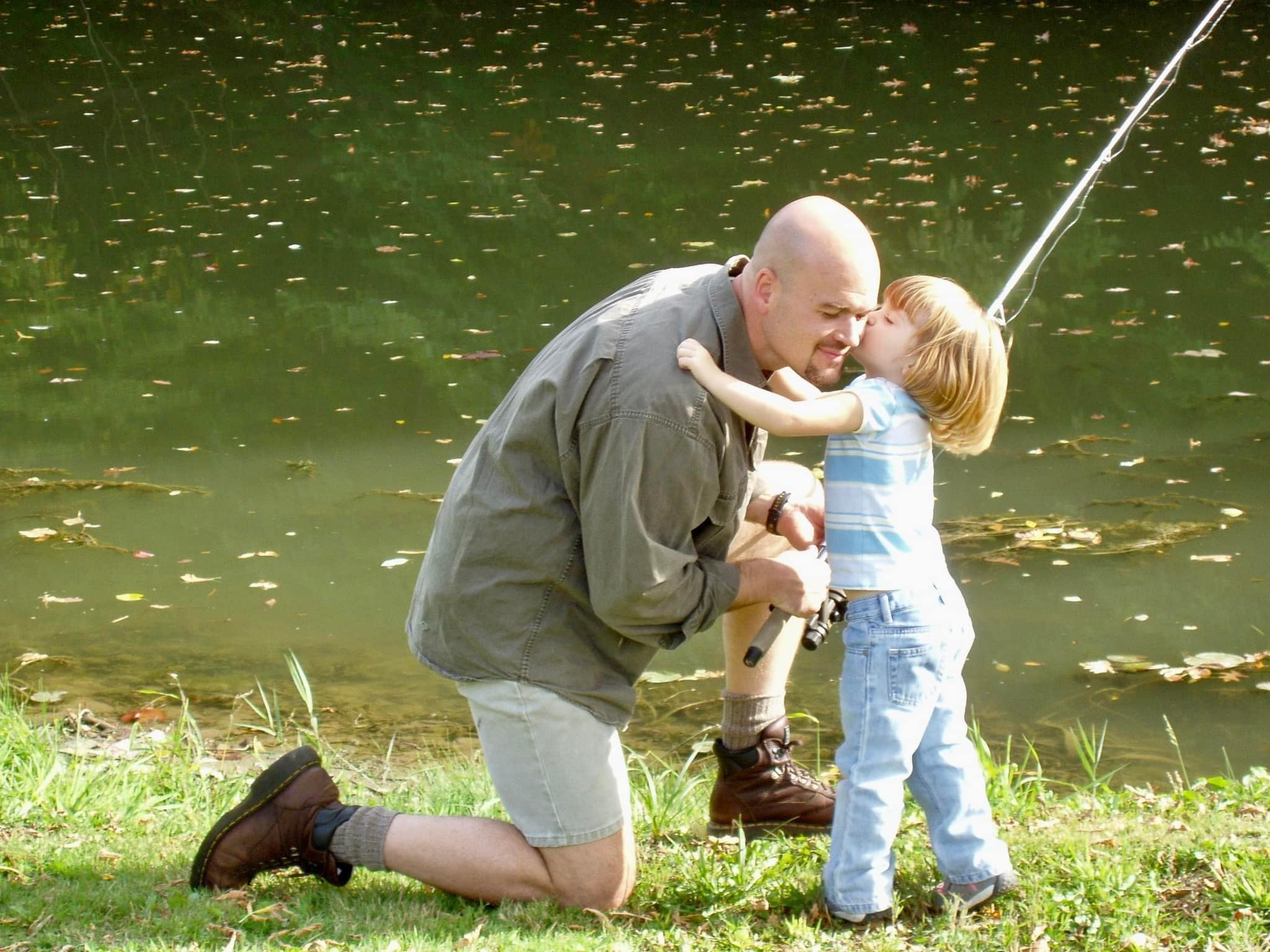
Photo credit: Denise Ball, Ed.D. (c) 2006
As we move through the summer months, may we remember that learning is not meant to be heavy. It is meant to awaken curiosity, deepen connection, strengthen confidence, and help children see the beauty of the world around them.
Let us use this summer to rest well, read often, explore joyfully, ask good questions, and share the good.
When we train our eyes to see the good, amazing things happen.
May we continue to seek knowledge in all things,
Denise