Tag Archives: Student

What Will Be the Legacy of Your Words?

There are moments in life when we are given the gift of seeing something familiar through a different lens.

This week has been one of those gifts for me.

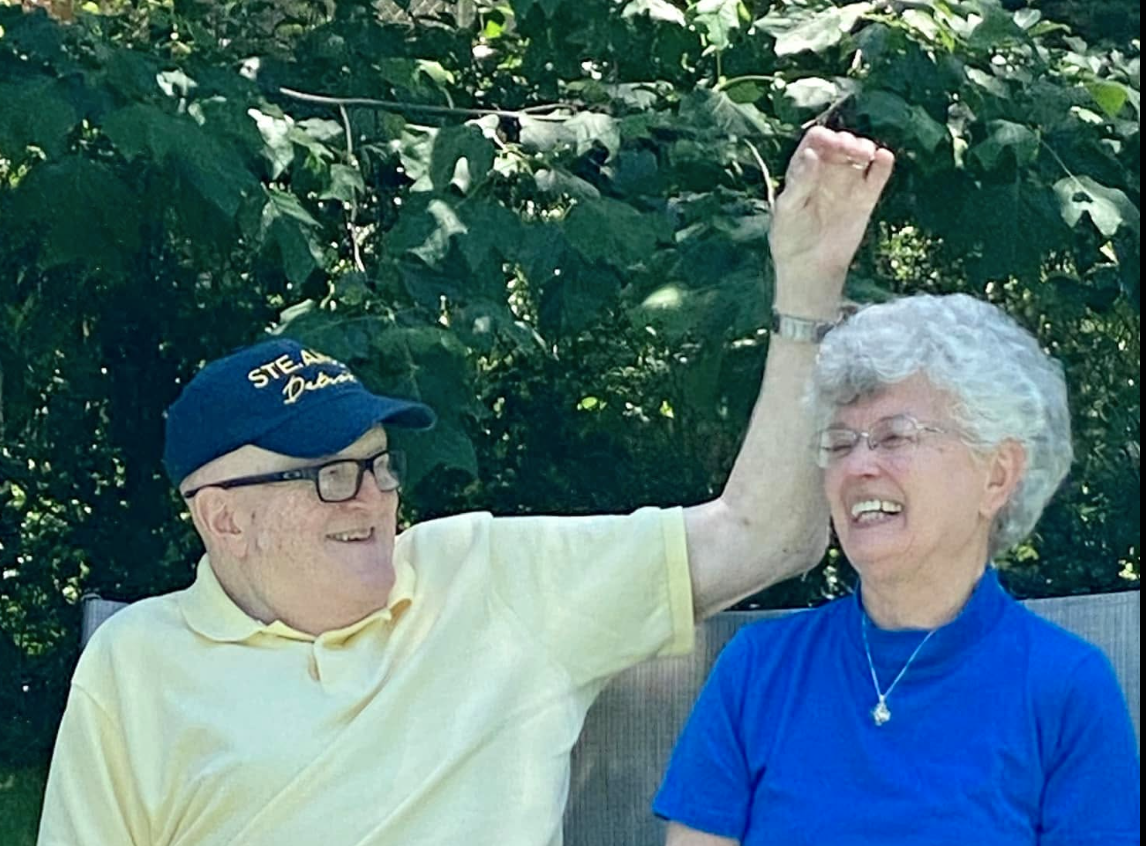
I have had the privilege of spending several days with my mother- and father-in-law, who have been married for 65 years. I came into this week simply hoping to lend a helping hand. Instead, I have found myself deeply moved by what I have been allowed to witness. Sixty-five years of marriage…sixty-five years of building a life together.

Children, grandchildren, great-grandchildren, joy and disappointment, laughter and probably a few tears, seasons of abundance and seasons of uncertainty. There has been sacrifice, moments of forgiveness, examples of faith. They have walked through moments of illness, celebration, and ordinary days that, when woven together, become an extraordinary life…and through it all, words.
Words spoken across kitchen tables and during long car rides. Words exchanged while raising 7 children and navigating the challenges of life. Words of encouragement during difficult seasons. Words of forgiveness, words of prayer, and words that communicated, in countless ways, I am here. I love you. We are in this together and let us share our joys and sorrows as grandpa taught us. 

This week, I have had the honor of hearing some of those words.

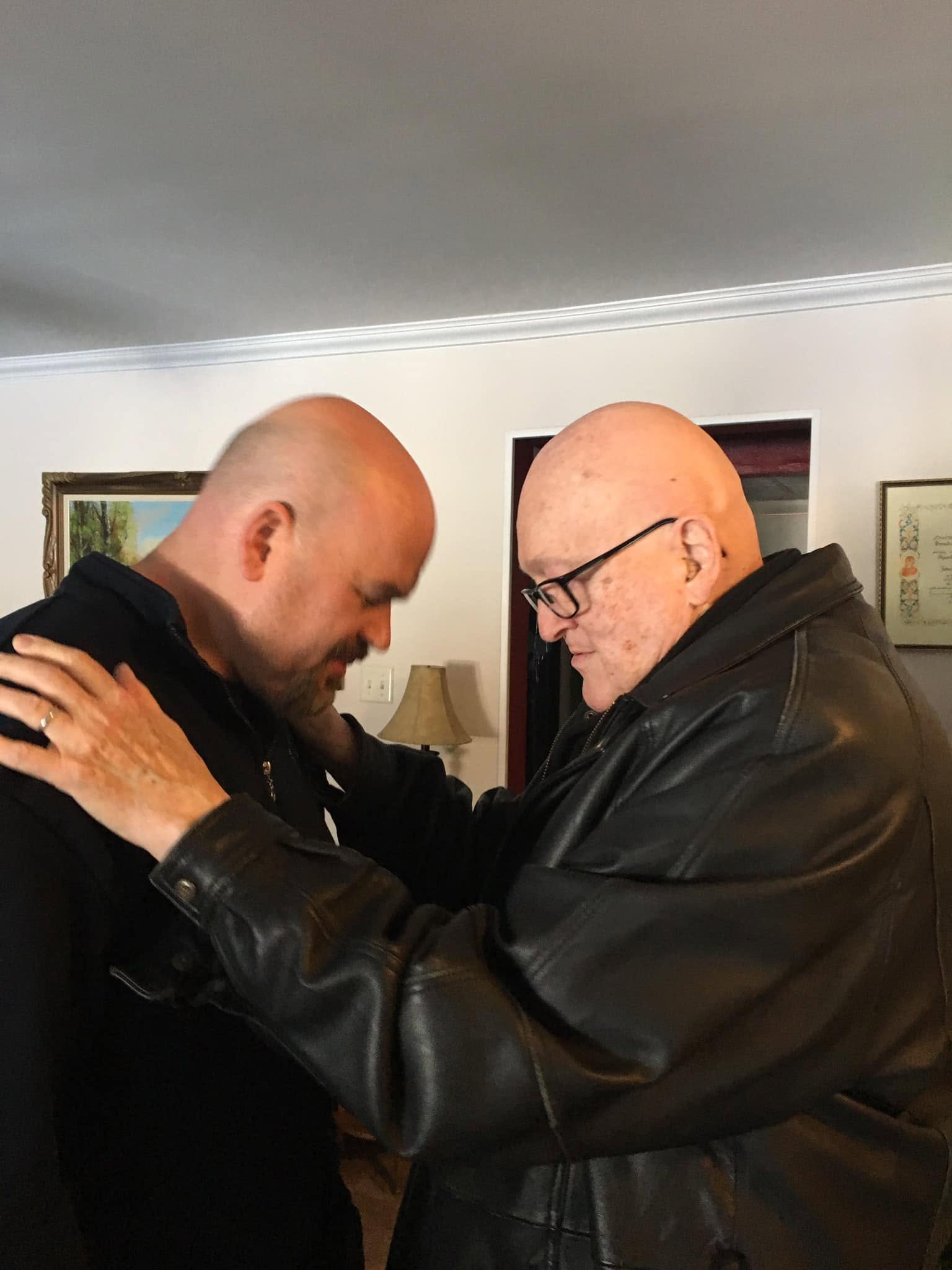
I have listened as prayers were offered for children, their spouses, grandchildren, and great-grandchildren by name. I have heard gratitude expressed for the men and women their children have become. I have witnessed love and devotion that have been cultivated over more than six decades. Somewhere along the way, I realized that I wasn’t simply listening to words.
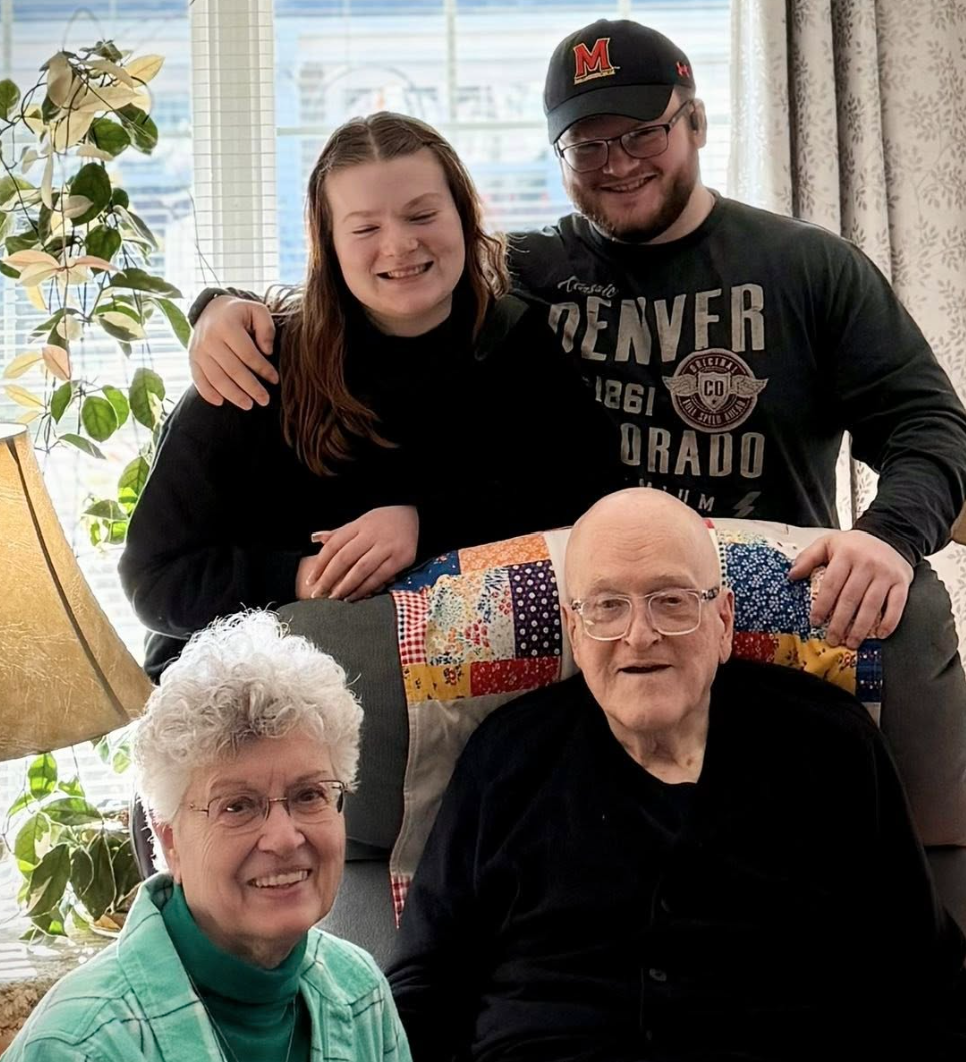
I was witnessing their legacy. That realization has stayed with me.

It has caused me to look at my own words differently and to ask a question I have not been able to shake: What will be the legacy of my words?

The Words We Leave Behind

When we hear the word legacy, we may think about accomplishments, careers, possessions, awards, organizations built, books written, or things passed from one generation to another.

However,  perhaps some of the most important parts of our legacy will never appear on a résumé or hang on a wall. Perhaps our legacy also lives in the words other people carry because of us. Think for a moment about the people who have shaped your life.

Can you still hear some of their words? Maybe a parent told you, I’m proud of you. Maybe a teacher saw something in you before you could see it in yourself. Maybe a coach said, Try again. You’ve got this.

Maybe a friend sat beside you during a difficult season and reminded you that you did not have to walk through it alone. Sometimes a sentence spoken in seconds lives within another person for decades. Unfortunately, the opposite can also be true.

Words can discourage, words can diminish, words can divide, and words spoken carelessly in a moment can remain in someone’s heart long after the person who spoke them has forgotten the conversation entirely.

We don’t have to look far to see examples of words being used to tear down rather than build up. Our public discourse, social media feeds, workplaces, schools, communities, and sometimes even our homes can become filled with language that wounds rather than heals.

We may not be able to control all the words filling the world around us.

BUT we can decide what words enter the world through us!

For Educators: What Will Our Students Carry With Them?

As another school year begins, this question feels particularly important for educators.

Soon, classrooms will once again be filled with young people bringing their gifts, questions, hopes, insecurities, experiences, and possibilities through our doors.

They will learn countless lessons this year. They will solve equations, read stories, conduct experiments, study history, create art, collaborate, make mistakes, ask questions, and discover new things about themselves and the world around them.

They will forget some of what we teach, but what words might they carry with them?

What words will my students carry after they leave my classroom?

  • Did I tell them they were capable?
  • Did I cultivate curiosity rather than a fear of being wrong?
  • Did I encourage their sense of wonder?
  • Did my words communicate, I see something in you?
  • Did I help a young person recognize a gift or talent they had not yet discovered for themselves?

Educators are entrusted with an extraordinary opportunity. Sometimes a sentence that takes us five seconds to speak becomes part of the internal voice a young person carries for years.

What an incredible privilege, and what an incredible responsibility!

For Leaders: What Do People Experience in Our Presence?

The same reflection applies to leadership. Leadership inevitably involves words. We encourage, redirect, question, challenge, explain, listen, coach, correct, celebrate, and sometimes enter conversations we would rather avoid.

So I have been reflecting:

What words do people associate with being in my presence?

  • Did my words invite collaboration?
  • Did they make difficult conversations safer and more productive?
  • Did I listen with a genuine desire to understand?
  • Did I ask questions before making assumptions?
  • Have my words preserved another person’s dignity, even when disagreement was necessary?

Positive words do not require us to avoid difficult truths.

We can disagree without diminishing. We can correct without humiliating. We can hold someone accountable while still honoring their dignity. We can speak truth and remain kind. Sometimes the legacy of our leadership may be found not in the decisions we made, but in how people experienced themselves while making those decisions alongside us.

For Families: What Are We Handing to the Next Generation?

Perhaps this is the question that has touched me most deeply this week.

What language are we handing from one generation to the next through the words we choose today?

After 65 years of marriage, my mother- and father-in-law have created far more than a shared history. They have created a vocabulary of family…

  • Words of faith,
  • Words of prayer,
  • Words of gratitude, and 
  • Words spoken over children who eventually became adults, spouses, parents, and grandparents themselves.

Some of those words are being carried forward into another generation.

It makes me think about the words I choose with my own husband, my adult children, family members, and friends. What language am I helping to make part of our family’s story? What will they remember when I am no longer in the room? What will they repeat? What will they pass along? What words of mine might someday come back to them when they need encouragement, peace, courage, or hope?

Sometimes the Legacy Is in the Words We Choose Not to Say

This week has also reminded me that the legacy of our words isn’t only about what we say. Sometimes it is about the words we choose not to say:

  • The angry response we decide not to send,
  • The criticism that serves no constructive purpose, or
  • The last word we decide we don’t need to have.

Sometimes our legacy is found in the words we finally find the courage to say.

  • I was wrong,
  • I am sorry,
  • Please forgive me,
  • Help me understand,
  • I forgive you, and 
  • Let’s begin again!

There is tremendous power in an apology finally offered, a difficult conversation courageously entered, or grace extended when someone else’s words have hurt us.

Forgiveness has a language, too. So does humility, and so does GRACE.

The Language of Our Lives

As I have reflected this week, I have also thought about phrases that have become part of my own vocabulary over the years:

  • Calm your spirit,
  • Thankful Thursday,
  • Sharing the Good, and 
  • When we train our eyes to see the good, amazing things happen. 

They are simple words, but over time, repeated words can become invitations to a way of seeing.

This relfection led me to another question that reached my heart:

What phrases have I repeated so often that the people I love might someday hear them even when I am no longer in the room?

Perhaps that is one measure of a life well lived. Not simply: What did I accomplish? But: How did people feel after being in my presence?

  • Did my words give others courage?
  • Did they spark inquiry and curiosity?
  • Did they strengthen someone’s sense of belonging?
  • Did they bring peace into a difficult moment?
  • Did they point toward hope?
  • Did they help another person recognize the good within themselves?

If These Words Were Remembered…

I began this week hoping to be helpful. Instead, I feel as though I have been given a gift.

I have been given the opportunity to slow down, to listen, to observe, and to look through a different lens at a life and marriage built over 65 years.

There has been something sacred about witnessing love expressed not through grand gestures, but through presence, care, prayer, devotion, and words spoken faithfully over a lifetime.

I am grateful to have walked through this week looking through this lens, and perhaps that is why this reflection feels so important to share, because someone will carry something we say today:

  • A child,
  • A spouse,
  • A colleague,
  • A friend,
  • A student,
  • A family member, or 
  • Perhaps even a stranger.

We may never know which sentence stays with them.

So as we begin a new school year and step into another day filled with opportunities to encounter one another, perhaps we can pause before we speak, teach, correct, post, email, lead, or respond and ask:

If these words were remembered, would I be grateful they were mine?

Maybe we can ask one another another reflection question, too:

What words have stayed with you because someone believed in you, encouraged you, or helped you see something in yourself that you couldn’t yet see?

Those remembered words remind us that what we say today can become part of someone else’s tomorrow.

  • Choose words that encourage,
  • Choose words that invite wonder,
  • Choose words that heal,
  • Choose words that forgive,
  • Choose words that strengthen,
  • Choose words that preserve dignity,
  • Choose words that remind another person of their worth, and 
  • Choose words that help us see the good.

Because long after a conversation ends, our words may continue living in another person’s heart.

So, I leave you with the question that has accompanied me throughout this extraordinary week:

What will be the legacy of your words?

May we continue to seek knowledge in all things,

Denise

Assistant Professor

Marymount University

Join the conversation

LinkedIn: linkedin.com/in/deniseballedu

Instagram: deniseball_edu

YouTube: www.youtube.com/@SharingTheGoodwithDrDeniseBall

Facebook: https://www.facebook.com/SharingTheGoodWithDrDeniseBall

Blog: www.unlocktheteacher.org

Sharing the Good is also available wherever podcasts are enjoyed!

Leave a comment

Filed under Educational Resources

Fellowship, Conversation, and the Joy of Serving Middle School Students & Families

The Middle School Culture Blueprint series-Episode 1

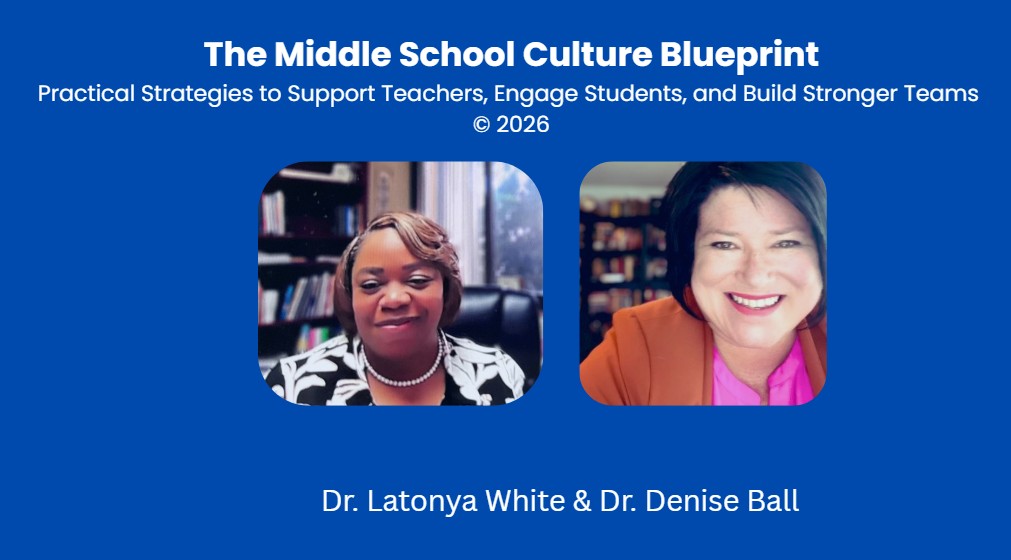
One of the unexpected gifts of this season has been the opportunity to gather Catholic educators and leaders from across the nation in meaningful conversation. As Dr. LaTonya White and I continue our work on The Middle School Culture Blueprint, I have been provided a good opportunity to reflect on and be reminded that some of the most powerful professional learning happens when educators come together in fellowship, share what they are seeing in the field, and reflect honestly on what students and teachers need most. There is something deeply hopeful about bringing people together who serve in different schools and dioceses, yet carry the same commitment to helping students feel seen, supported, and loved.

The middle school years are so unique. Students are navigating understanding themselves, belonging, friendship, independence, emotion, peer pressure, and academic growth, often all in the same day. Those who serve middle school students understand that this work requires patience, humor, flexibility, structure, compassion, and joy. It also requires intentionality. What we do at the school level is so important. How we welcome teachers back, how we build routines, how we create opportunities for student voice, how we communicate with families, and how we support one another as teams all help shape the culture students experience.

This is why I am so grateful for the educators and leaders who have said yes to engaging in this conversation. They are not coming together to offer perfect answers. They are coming together to share reflections from the field, practical strategies, lived experience, and wisdom rooted in service. These conversations are supported by the literature that school culture is not built only through programs or plans. It is built in the daily interactions, team meetings, hallway moments, classroom routines, and faithful decisions made by educators who care deeply about the students placed before them.

Pulling educators together to share ideas is, quite honestly, fun. It is also cultivating joy in my own life. To listen to teachers and leaders speak with such love for their students, their colleagues, and Catholic education is a reminder that good is happening every day in our schools.

https://youtu.be/uMM1O_6Ygq8

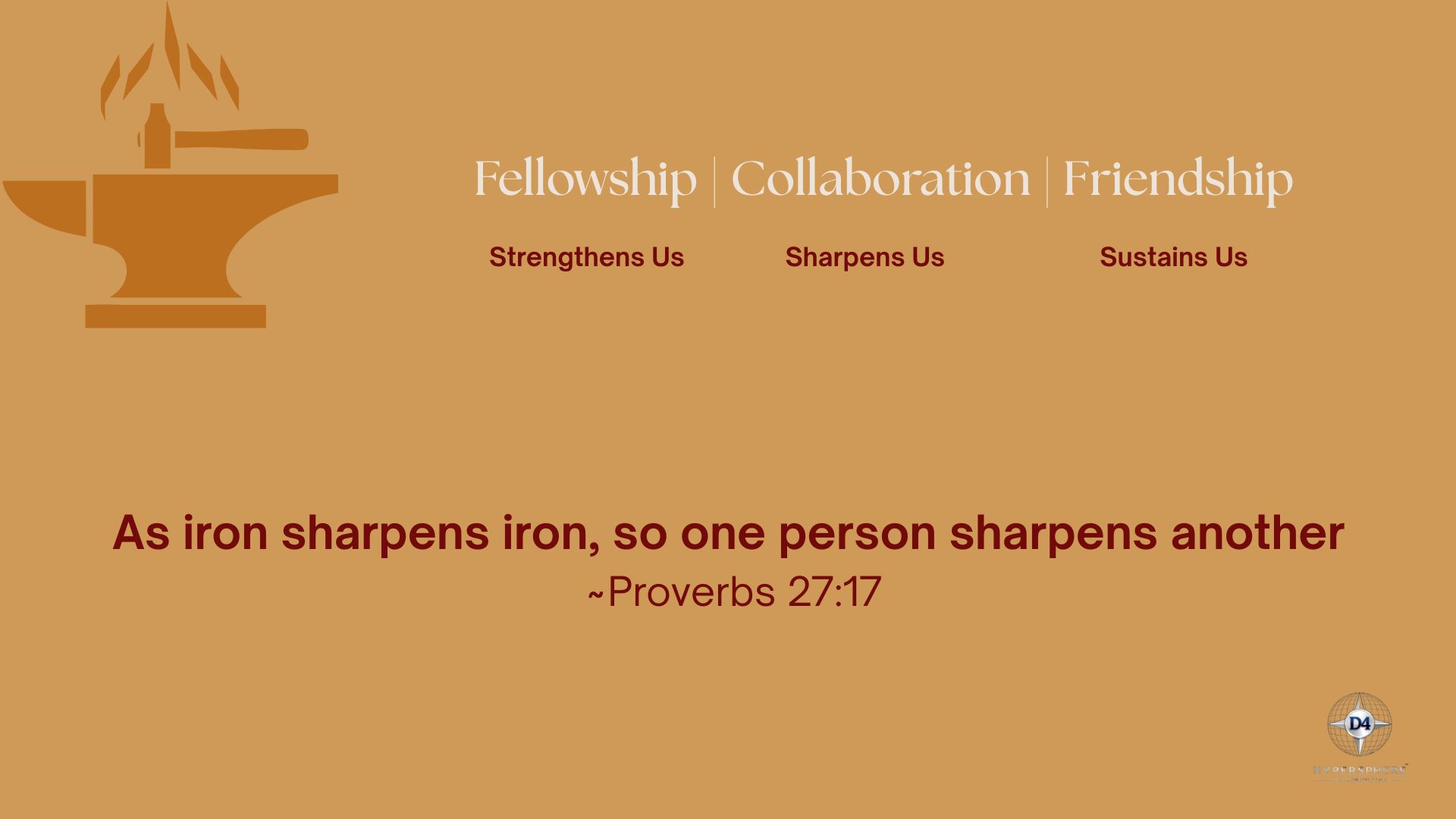
When we create space for fellowship and conversation, we strengthen one another.

Fellowship reminds us that we are not doing this work alone. It is also a wonderful way to see how much wisdom already exists within the people serving on our campuses and in our diocesan communities.

I hope this work encourages school leaders to create similar spaces on their own campuses. Before the year begins, make time not only for logistics, but also for fellowship and table talk.

Invite teachers to reflect on what students need most. Ask teams what they want students to experience consistently across classrooms. Create room for laughter, honest conversation, prayer, and planning. When educators are given time to connect as people before they plan as professionals, the culture of the school is already being strengthened.

I am grateful to host this important conversation in Episode 1 of Middle School Culture Blueprint: Reflections from the Field: Creating a Positive Start to the 2026–2027 School Year. It is a privilege to welcome Dr. Nancy Baker, Mary Peters, Lynsie Reavis, Karina Lepkowski, and Tricia Florance as we reflect together on practical ways to support middle school teachers, students, families, and leaders. May these conversations continue to help us notice, name, and share the good happening in Catholic education.

You can also listen to these conversations anywhere you enjoy your podcasts.

May we continue to seek knowledge in all things,

Denise

Leave a comment

Filed under Educational Resources, The Middle School Culture Blueprint -Episode 1

When Shared Mission Becomes a Shared Walk

Why Fellowship is Essential with Karina Lepkowski, Principal, Most Holy Trinity

Fellowship is more than networking. It is more than collaboration around a project, committee, or a professional learning day. Fellowship is what happens when trust is built over time, shared mission becomes a shared walk, and colleagues become the trusted voices we return to because we know they will listen, encourage, challenge, and help us see more clearly.

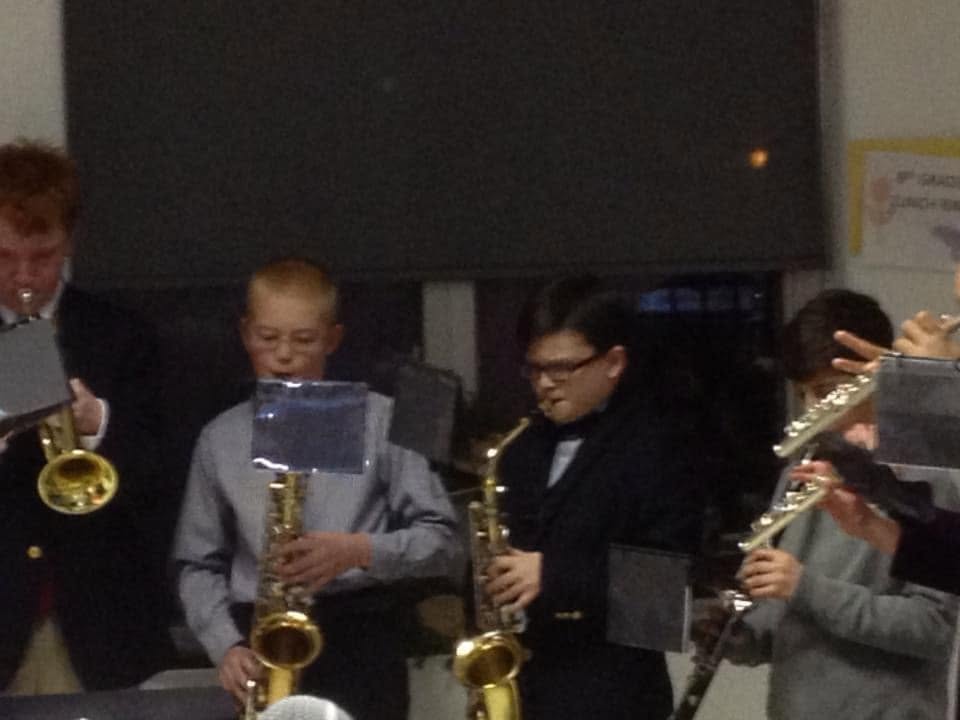
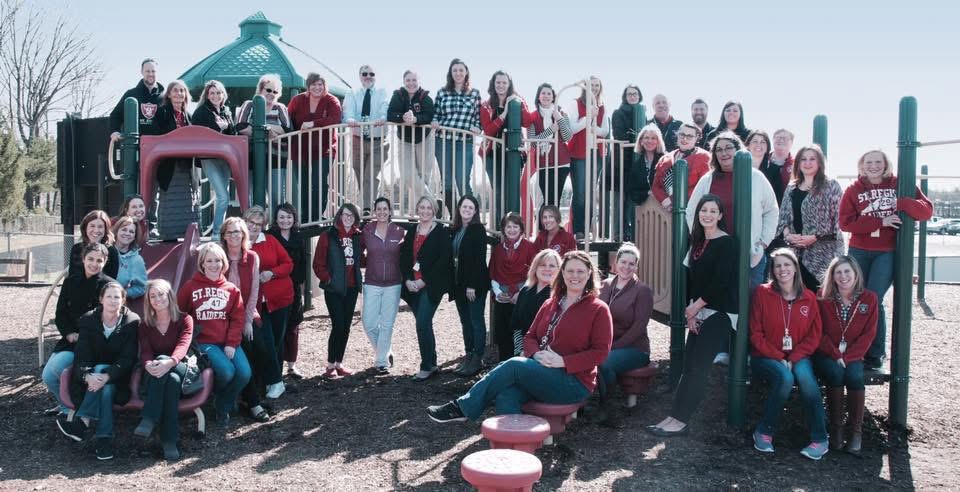
Today, I had the joy of meeting with Karina Lepkowski, Principal at Most Holy Trinity Catholic Academy in the Archdiocese of Detroit. Karina and I have been collaborators for 14 years. She served on my team at St. Regis Catholic School, we have worked together on committees, and she has led sessions for professional learning days I developed for the Archdiocese of Baltimore. Over the years, our professional paths have crossed in many meaningful ways. But perhaps one of the most treasured parts of our story is this: Karina introduced my son to music and taught him how to play the alto saxophone. His love of jazz and the gift of having music in his heart will last him a lifetime. For that, I will always be grateful to this amazing educator, and I am honored to call her a friend now.

About Karina

Karina Lepkowski is a distinguished Catholic educator and graduate of the University of Notre Dame’s Alliance for Catholic Education (ACE) Mary Ann Remick Leadership Program. As a member of Cohort 18, she earned a Master of Arts in Educational Leadership and has continued to serve Catholic education with dedication, wisdom, and heart. Her leadership and service were also recognized by the Catholic Foundation of Michigan, which honored her with an Amazing Catholic Educator Award.

A Servant Leader

While these accomplishments speak beautifully to Karina’s professional impact, what I value most is the way she leads through relationships. She is the kind of educator and leader who listens deeply, shares generously, and reminds others that the work of Catholic education is strengthened when we walk alongside one another.

As Karina and I caught up and discussed projects we are working on, I was reminded of something important. Educational leaders need trusted voices. We need people who understand the work, who know the heart behind the work, and who can offer honest insight because the relationship is rooted in care. These are the colleagues who help us process ideas, sharpen our thinking, and stay grounded in mission. They remind us that leadership was never meant to be a lonely road.

Research continues to affirm what many of us have experienced in our own leadership journeys. Strong professional learning is collaborative, sustained, and grounded in reflection. Darling-Hammond, Hyler, and Gardner (2017) found that effective professional development creates opportunities for educators to share ideas, collaborate in job-embedded ways, and build communities that can positively influence the culture and instruction of a school or system. Similarly, research on collective teacher culture points to the importance of shared goals, supportive colleagues, collective efficacy, and belonging as important dimensions of a healthy school culture.

This is why fellowship matters. When leaders intentionally build relationships of trust and professional friendship, they strengthen the culture around them. Fellowship helps us become better listeners. It helps us ask better questions. It gives us space to pause, reflect, and renew. It also helps us remember that the work of education is deeply human. Behind every initiative, every professional learning session, every school improvement goal, and every strategic plan are people who need encouragement, connection, and belonging.

In my own research on teacher retention, school climate, leadership, collaboration, and culture emerged as important areas of focus in understanding how educators experience their work and what helps them remain committed to the mission (Ball, 2023). Positive school culture is not built by accident. It is formed through intentional relationships, shared purpose, and the daily decision to walk alongside one another.

As educational leaders, we often spend time developing strategic muscles: planning, decision-making, problem-solving, communication, and execution. These are important. However, I would share that research supports that we also need to be just as intentional about building the muscle of fellowship. Collective teacher culture is strengthened through shared goals and values, collective efficacy, supportive colleagues, belonging, and job satisfaction, all of which remind us that trusted professional relationships are central to healthy school communities (Skaalvik & Skaalvik, 2021). Who are the trusted voices we call when we need to think out loud? Who helps us see the good when the work feels heavy? Who reminds us of who we are and why this work matters?

The summer weeks offer a beautiful invitation to pause and reach out. Send the text, make the call, or schedule the coffee. Technology offers us the wonderful ability to connect via Zoom, Meet, FaceTime, etc. We really have no excuse not to engage with the technological tools at our fingertips today. I encourage you to reconnect with the colleague who has walked part of the journey with you. Take time to say thank you to the person who helped shape your leadership, your school community, or even your family in ways that will last a lifetime. Gratitude has a way of lowering our stress levels and refocusing our lens to see the good all around us.

When we make time to walk alongside one another, we build the kind of school culture where others can do the same.

This year, my research has continued to center around school culture and team development. In my two latest projects, When We Train Our Eyes to See the Good, Amazing Things Happen and The Middle School Culture Blueprint, which I am co-authoring with Dr. LaTonya White, I have been reflecting deeply on the gift of fellowship and why it matters so much for educational leaders. If you would like to share your thoughts, please send me a message or leave a comment. I welcome the feedback and insights.

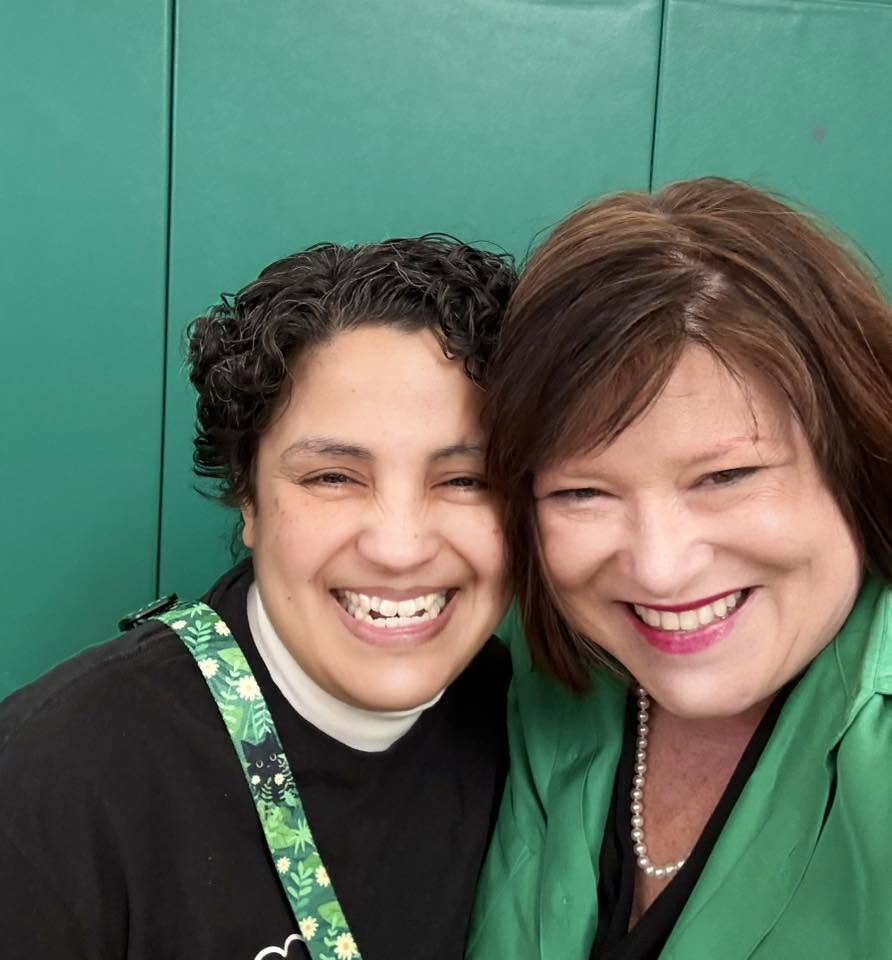
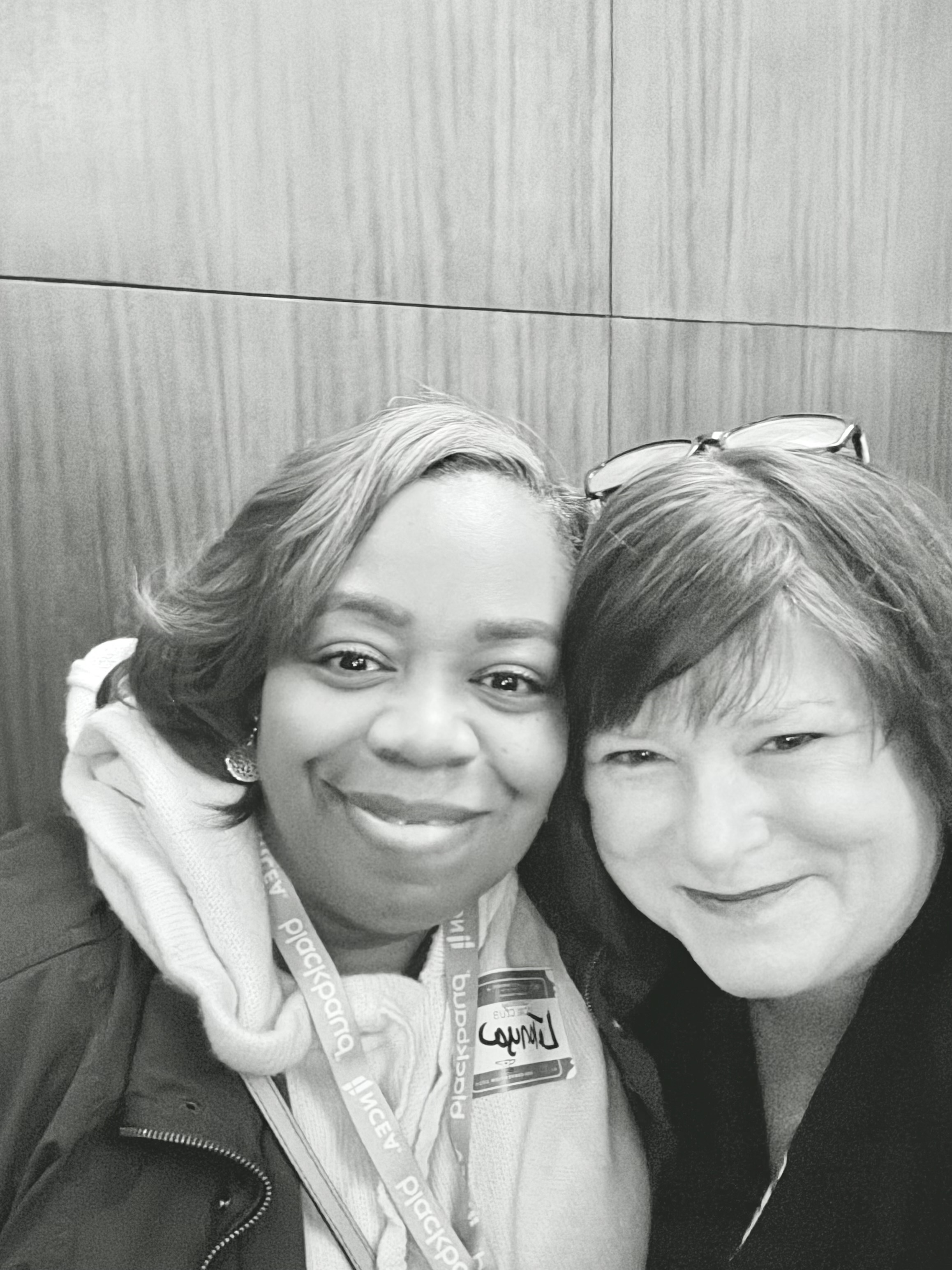
Dr. LaTonya White and Dr. Denise Ball, National Catholic Leadership Convention 2026

May we continue to seek knowledge in all things,
Denise

References

Ball, D. M. (2023). Improving teacher retention within Archdiocese of Washington schools [Doctoral dissertation, Liberty University]. Liberty University Scholars Crossing.

Darling-Hammond, L., Hyler, M. E., & Gardner, M. (2017). Effective teacher professional development. Learning Policy Institute.

Skaalvik, E. M., & Skaalvik, S. (2021). Collective teacher culture: Exploring an elusive construct and its relations with teacher autonomy, belonging, and job satisfaction. Social Psychology of Education, 24, 1389–1406.

United States Conference of Catholic Bishops. (2011). New American Bible, Revised Edition.

Leave a comment

Filed under Educational Resources

What We Build Together: The Power of Collaboration–A Middle School Mindset Initiative

There is a particular kind of energy that comes from meaningful collaboration. The kind that is grounded in shared mission, fueled by trust, and sustained by a deep belief in the work we are called to do.

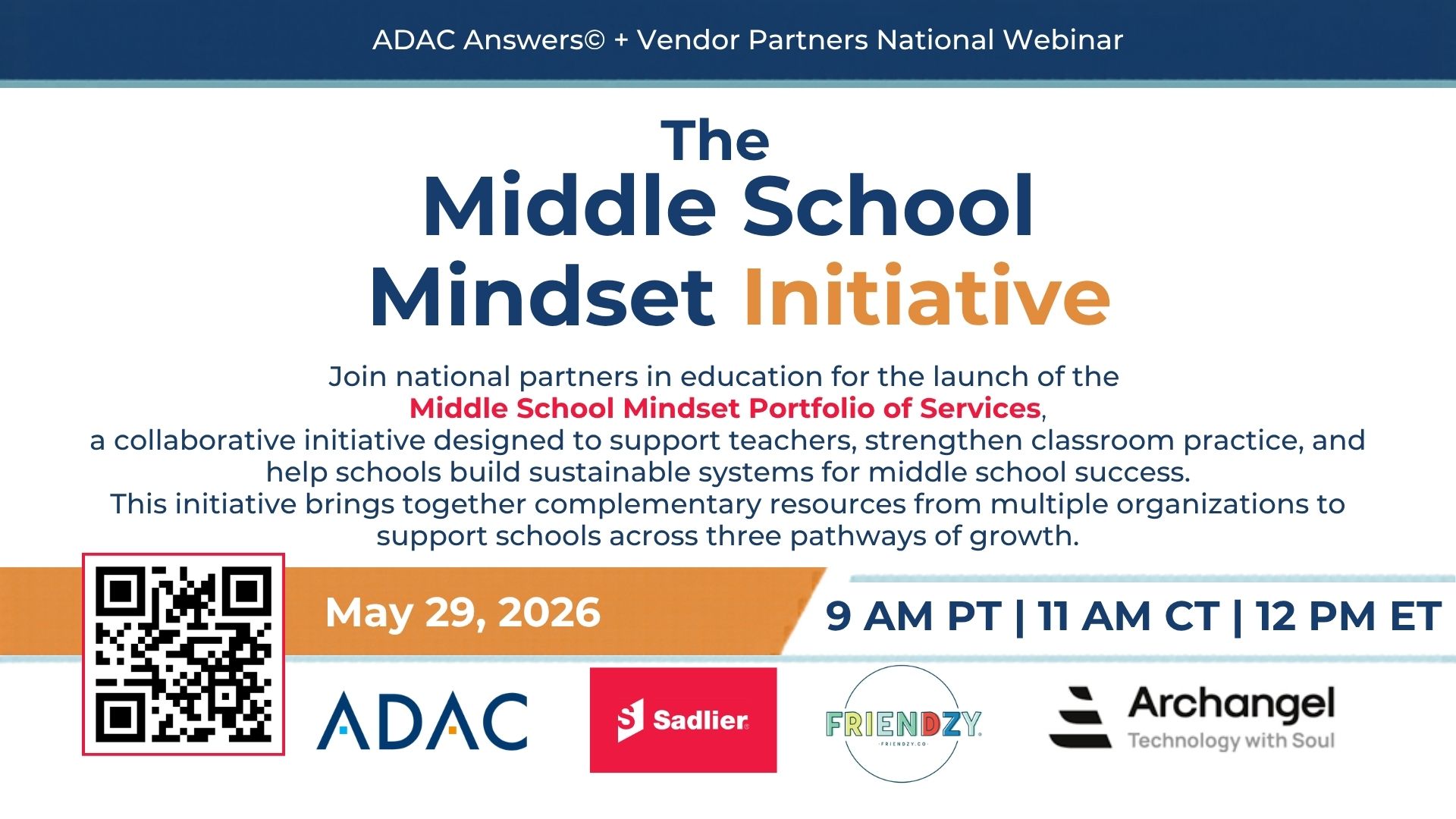
Over the past year, I have had the privilege of working alongside incredible partners to bring the Middle School Mindset Portfolio of Services to life. What began as an idea has grown into something far more powerful than any one organization could have accomplished alone. In just a few short weeks, we will launch this work nationally on May 29.

This moment feels significant, not simply because of the launch itself, but because of what it represents.

A Response to a Critical Moment

Middle school is a pivotal season of formation. It is a time when students are asking deeper questions about identity, belonging, and purpose. It is also a time when educators are navigating increasing complexity like academic recovery, student engagement, and social-emotional needs, all while striving to create classrooms where students feel known and valued.

We cannot meet this moment in isolation.

The Middle School Mindset Portfolio was built in response to that reality. It is not a single program or a one-size-fits-all solution. Rather, it is a collaborative ecosystem designed to support educators with practical strategies, meaningful resources, and a shared commitment to strengthening both instruction and culture.

The Gift of Partnership

One of the greatest joys in this work has been collaborating with mission-aligned partners who bring both expertise and heart to the table.

A special acknowledgment goes to Archangel Education and Technology, whose team is building an innovative digital ecosystem that will no doubt become a destination space for educators and system leaders. Their work reminds us that when technology is designed with purpose, it can truly amplify impact.

Equally inspiring has been our partnership with the Archdiocese of Miami pilot schools. On May 29th, during this complimentary webinar, we will hear directly from middle school teachers who have engaged in this work, educators who are thoughtfully applying strategies, reflecting on practice, and shaping what this portfolio will become at scale.

To visit these vendor partners supporting schools nationwide, please visit:

www.theadac.com | https://friendzy.co/ | https://www.sadlier.com/ | https://arch-te.com/

We can serve students and teachers more when we do it together!

From Research to Practice: Naming What Matters Most

This work has also deepened my ongoing collaboration with Dr. LaTonya White. Together, we are preparing to share our research in the forthcoming Middle School Culture Blueprint (Ball & White, 2026).

At the center of our work is a simple yet deeply impactful reminder: what we reinforce each day becomes the culture we experience, whether by intention or by default.

Middle school culture does not happen by accident. It is shaped in the small, consistent moments: in how we greet students, how we structure learning, how we respond to challenges, and how we create space for student voice. Belonging is not a program we implement. It is a condition we intentionally cultivate through every interaction, every structure, and every expectation (Ball & White, 2026).

When we are intentional, we create environments where students and teachers can thrive. When we are not, culture is still formed, but often in ways that do not serve our mission. The opportunity before us is to lead with clarity, purpose, and hope, and to build cultures where every student and educator knows they are seen, valued, and called to grow.

A Moment of Anticipation

As we look ahead to our national webinar launch on May 29, I am filled with gratitude for the partnerships, for the educators, and for the shared commitment to this work. This is more than a program launch. It is a reflection of what is possible when we come together, listen deeply, and build something that responds to the real needs of our schools. It is a reminder that we are not alone in this work. And… it is an invitation to continue to collaborate, to continue to learn, and to continue to see the good that is unfolding all around us.

The May 29th registration is live (scan the QR code above). Come and join the conversation!

What a privilege it is to serve!

Leave a comment

Filed under Middle School Strategies

The Power of Traditions in a 30-Second World at Home & in the Classroom

We are raising children in a world of scroll, swipe, and sound bites. Information arrives in 30-second clips, fragmented headlines, and algorithm-driven content streams. Research suggests that rapid, high-frequency digital consumption can shorten attention spans and contribute to cognitive overload (Carr, 2010; Ophir et al., 2009). Attention is divided. Moments are rushed. Noise is constant.

In this environment, parents and teachers are called to be architects of pause.

Traditions and routines are not small things. They are anchors. They slow the train. They invite us to stop long enough to see, truly see, the children in our classrooms and the people in our homes.

These pauses do something powerful to the human spirit…

They create predictability in an unpredictable world. They foster emotional safety. They promote a grounded sense of reality, a reminder that life is more than reaction and response; it is relationship and presence. Research consistently links predictable routines with improved emotional regulation, reduced anxiety, and stronger mental and physical health outcomes in children and adolescents (Fiese et al., 2002; Spagnola & Fiese, 2007).

A Situation We Recognize

Imagine a middle school classroom on a Monday morning.

Students arrive buzzing from weekend activity and digital stimulation. Some are anxious about assignments. Others are carrying silent burdens from home. The energy is scattered.

Instead of diving immediately into content, the teacher begins with “Monday Morning Light.” A candle is turned on (battery operated for safety). Soft instrumental music plays for two minutes. Students are invited to write one gratitude and one intention for the week.

The room shifts…

Breathing slows. Shoulders drop. Eye contact increases. Students are no longer fragmented individuals entering from separate worlds, they are a community beginning together!

Over time, this simple ritual becomes a stabilizing force. It lowers stress responses and supports emotional regulation, outcomes that research connects to consistent family and classroom routines (Spagnola & Fiese, 2007).

That two-minute tradition communicates:

You are safe here. You belong here. We begin together.

Traditions do not waste time. They redeem it.

Why Traditions Matter

Traditions:

-Provide emotional security in uncertain times

-Strengthen identity and belonging

-Reinforce shared values

-Reduce stress through predictable rhythms

-Build intergenerational memory and meaning

-Cultivate hope

Traditions remind us of good memories of what was and give us hope for what is to come.

Let us never underestimate the power of hope. Hope strengthens resilience. Hope sustains effort. Hope fuels joy!

Simple Traditions to Begin Today

In the Classroom

1. Gratitude Friday

End every Friday with students naming one win from the week: academic, personal, or relational.

2. “Light the Week” Ritual

Begin Mondays with a short reflection, Scripture, quote, or moment of silence.

3. Celebration Wall

Create a space where students post small victories: kindnesses, perseverance, improvement.

4. Monthly Service Spotlight

Each month highlight a virtue or service theme and celebrate students who model it.

5. Seasonal Reset Days

At the start of each quarter, pause for goal-setting and community-building before diving into content.

At Home

1. Sunday Supper Tradition

Phones away. One question around the table that invites storytelling.

2. Birthday Blessings

Each family member speaks a word of affirmation over the birthday child, regardless of age.

3. First-Day-of-School (First-Day-of Quarter) Breakfast Ritual

Same meal. Same prayer. Same photo spot. Every year/every quarter.

4. Advent or Lent Reflection Nights

Short candle-lit gatherings with reflection and shared intention.

5. Monthly Memory Night

Pull out old photos and tell stories. Children anchor their identity in narrative memory. (Note: my kids are in their twenties and Michael and I still lean in on this tradition a few times a year.)

Intentional Pauses are Essential

Traditions are not elaborate productions. They are intentional pauses.

In a world that accelerates, traditions decelerate.

In a culture that fragments, traditions gather.

In a society that overwhelms, traditions ground.

Children, young and old, do not simply need information. They need formation.

They need rhythms that say:

You belong. You are known. You are part of something lasting.

As parents and teachers, we are not just managing days.

We are shaping memories.

We are cultivating hope.

We are building anchors that will steady our children long after they leave our classrooms and homes.

Let us be people who pause, let us be people who build traditions, and let us be people who carry hope forward.

Stay tuned for more information on making a difference for children and in service to others. When We Train Our Eyes to See the Good—Amazing Things Happen (Ball, 2026) is in one of the final draft phases 😉.

I would love to hear the classroom and home traditions and routines being used—please leave a comment and share with those who follow this blog. This blog has surpassed over 1 million views…thank you for sharing the good!

May we continue to seek knowledge in all things~

Denise

References

Carr, N. (2010). The shallows: What the Internet is doing to our brains. W. W. Norton & Company.

Fiese, B. H., Tomcho, T. J., Douglas, M., Josephs, K., Poltrock, S., & Baker, T. (2002). A review of 50 years of research on naturally occurring family routines and rituals: Cause for celebration? Journal of Family Psychology, 16(4), 381–390. https://doi.org/10.1037/0893-3200.16.4.381

Ophir, E., Nass, C., & Wagner, A. D. (2009). Cognitive control in media multitaskers. Proceedings of the National Academy of Sciences, 106(37), 15583–15587. https://doi.org/10.1073/pnas.0903620106

Spagnola, M., & Fiese, B. H. (2007). Family routines and rituals: A context for development in the lives of young children. Infants & Young Children, 20(4), 284–299. https://doi.org/10.1097/01.IYC.0000290352.32170.5a

Leave a comment

Filed under Creating a Positive School Culture, Inspiration, Positive School Culture, Traditions for Home & the Classroom

Engage, Explore, Elect: Non-Partisan Classroom Activities on the Voting Process for K-8

Figure 1: Created by Denise Ball in Collaboration with Dall-E, 2024.

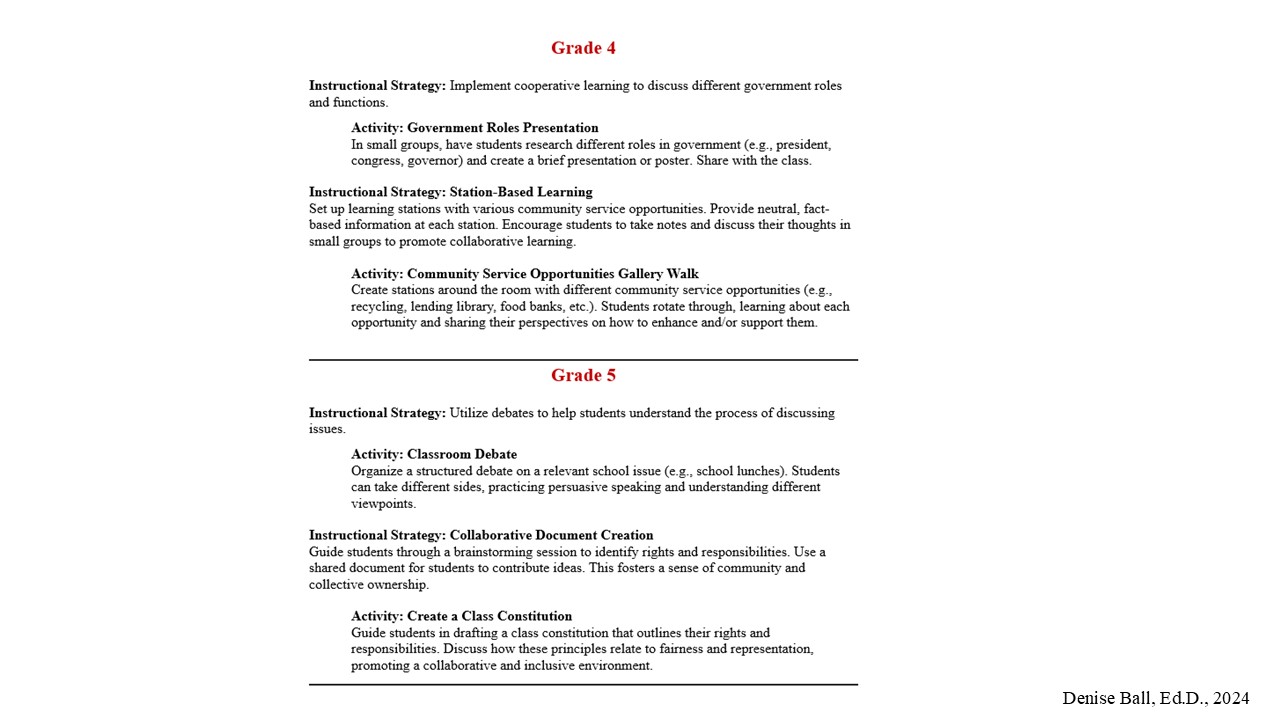
A positive learning environment contributes to improved academic performance, and greater student engagement (Aldridge & McChesney, 2018). It is an essential reminder that as K-12 educators, we are called to develop the minds of students, helping build a framework to embrace critical thinking and learn how to focus inquiry and imagination to solve problems that just one day might help the betterment of mankind. As educators, we develop classrooms to foster creative thought and model in word and action what it looks like to be kind, to show tolerance, compassion, forgiveness, and mercy. What an awesome responsibility we take on when we choose to make a difference in the classroom for the students placed in our care.

In a world that can often promote chaos, our classroom and school environments must be one of safety and peace. Classrooms that prioritize emotional safety and inclusion help students build resilience and improve their academic skills (Ryzin, Roseth, & Biglan, 2020). Classroom environments that are supportive and structured promote not only academic success but also social and emotional development in students Quinn, 2017). As we walk through the presidential voting season, we must remember that parents are the first teachers of their children. The political season can be one of intense emotion. However, as educators, we do not embrace the emotion or give in to the chaos of the world. Instead, we focus on creating and modeling positive learning environments for our students, parents, and co-workers. Teachers who create a positive classroom environment by fostering respect, collaboration, and support tend to see higher levels of student engagement and achievement (Havik & Westergard, 2020).

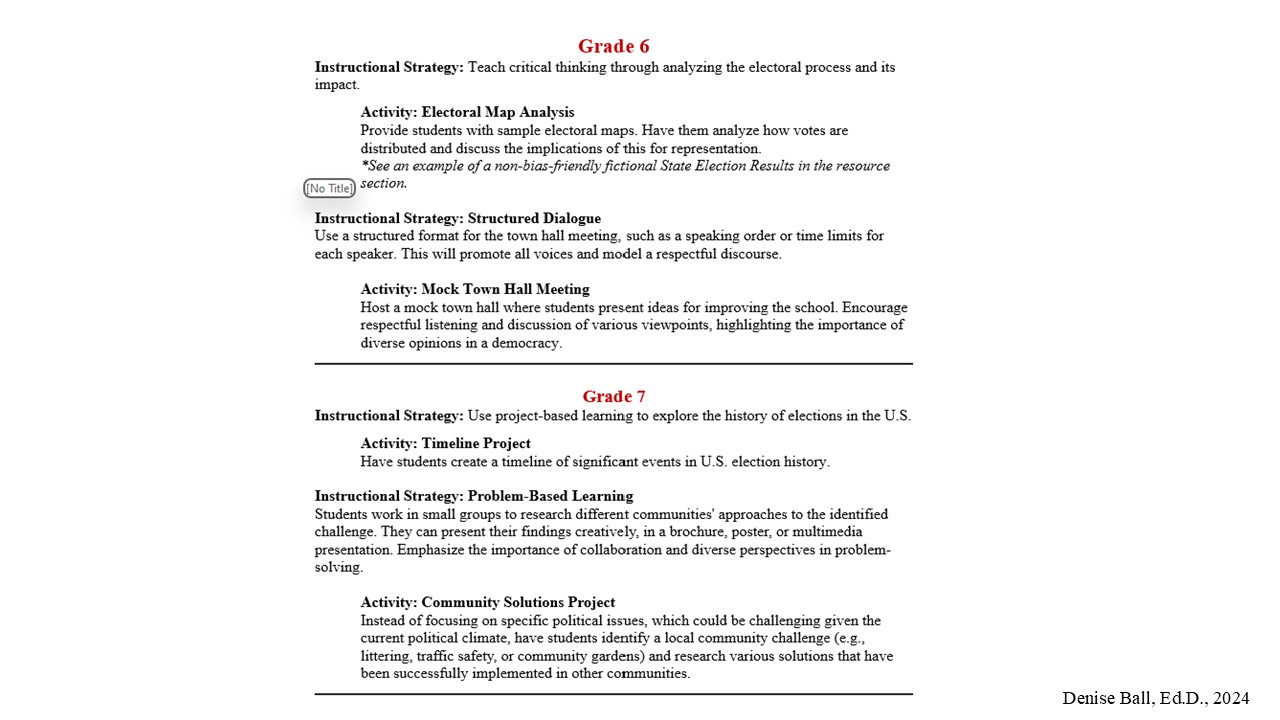
I have provided below some recommended non-partisan activities for students to help develop and promote critical thinking, and engage in learning about the electoral process while fostering a sense of civic responsibility without the emotional weight of real-world politics.

For all those who have chosen education as a career, thank you. You make a difference!

May we continue to seek knowledge in all things,

Denise

References

Aldridge, J. M., & McChesney, K. (2018). The relationships between school climate and adolescent mental health and wellbeing: A systematic literature review. International Journal of Educational Research, 88, 121-145.

Havik, T., & Westergard, E. (2020). Do teachers matter? students’ perceptions of classroom interactions and student engagement. Scandinavian Journal of Educational Research, 64(4), 488-507.

Quin, D. (2017). Longitudinal and contextual associations between teacher-student relationships and student engagement: A systematic review. Review of Educational Research, 87(2), 345-387.

Van Ryzin, M. J., Roseth, C. J., & Biglan, A. (2020). Mediators of effects of cooperative learning on prosocial behavior in middle school. Journal of Applied Developmental Psychology, 66, 101084.

Leave a comment

Filed under Creating a Positive School Culture, Curriculum Resources, Educational Resources, Educational Websites and Resources, Positive School Culture, Principals and Administrator Tools, Sharing the Good, Sharing the Good in Education

Join #AOBEDCHAT Premiere January 8th with Guest Fr. Matt Foley

We would love to have educators join the conversation on Monday, January 8th at 7 PM for the Archdiocese of Baltimore Catholic Schools premiere Twitter edChat. We will be discussing student service learning with guest, Friar Matt Foley! #ShareTheGood #AOBCatholicSchools #RiseAbove

Leave a comment

Filed under Curriculum Resources, Twitter edChat

iPad Apps for Creative and Fun Learning Presented by Local Teacher

I was listening to one of my teachers present today to my faculty of 40 and thought that the apps shared were so good that I would share them with our Unlock the Teacher blog readers.  I feel blessed to work in a building with such creative energy and passion for teaching and work with a professional development team at Unlock the Teacher LLC that I sometimes have to pause…and remember to whom much is given, much will be expected.  Thank you to all the teachers out there who sacrifice and share their time and talent for our children…our future!

Classroom Management

Class Dojo: www.classdojo.com (FREE App)

Showing Student Growth

ThreeRing: www.threering.com (FREE App)

  • Capture student work in a virtual portfolio
  • Take a picture, audio or video
  • Share with parents and peers
  • Students can upload various works

Quizlet: www.quizlet.com (FREE App)

  • Set up vocabulary flashcards
  • Students can access cards from any SMART device
  • Do NOT need access to Internet once cards are downloaded

A+Pro: www.A+Pro.com (FREE App)

  • Similar to Quizlet
  • Flashcard application
  • Cards can be placed in groups or topics…great for vocabulary or research papers 🙂
  • Cards can be separated into “know”, “unsure” or “don’t know” piles to help with memorization

Educreations: www.educreation.com (FREE App)

  • Ability to make presentation videos with voice over…FUN!
  • Great to use when student is absent from a class
  • Students can create presentations to demonstrate mastery…THINK Bloom’s Taxonomy

If you have some great apps for learning, please share.  It is in the collaborative process that we all learn! When we share what we know, the students benefit.

May we continue to seek knowledge in all things,

Denise

P.S. Thank you Karina for allowing me to share with our Unlock the Teacher readers. Mucho Gracias!

3 Comments

Filed under IPad Apps for Learning

An Innovative Program for Helping Students Succeed…Sharing the Good in Education

One school’s approach to ensure educational resources are available for students.

St. Regis Educare – An Innovative Program for Helping Students Succeed

St. Regis Educare (SRE) is a newly created program serving the students of St. Regis Catholic Elementary and Academy, in Bloomfield Hills, Michigan. The SRE program is staffed by three certified teachers who are dedicated to supporting the varied needs of St. Regis students. Based on the premise that each student has unique gifts and talents, with different learning styles and academic abilities, SRE supports teachers in providing differentiated instruction within and outside the classroom.

In keeping with the St. Regis mission: Respect, Educate, Give, Inspire, and Support, SRE is dedicated to respecting individual students’ needs and supporting and inspiring them to reach their fullest academic potential.

The service provided in this program is more than a library of resources for teachers and parents. It is more than a place where students can come for help with their homework. It is a professionally staffed center for learning, where students attend workshops, join literature circles, compete in Math competitions, and follow academic plans designed specifically to meet their individual needs.

SRE Services

St. Regis Educare provides three different types of assistance/enrichment for students. They work with individuals and small groups needing assistance or enrichment in academic subject areas. They  provide workshops to help students with concepts such as grammar or study skills, and  work with individuals and small groups on specific skills such as comprehension strategies or counting money. In order to make the concepts they are enhancing engaging, they  integrate technology, and utilize manipulatives, hands-on activities, and use modeling to help students achieve their goals.

With all this, they also provide the following benefits for teachers: assessments, which they will design and/or administer upon request; a central repository for teacher resources and reference books; and documented processes and forms to make using our services less complicated. To help bridge the ever widening need between parent and school, they provide a central repository for parent resources, and are in the process of planning workshops for parents, so they can learn new ways to help their children succeed in school.

Development of the Program

This school year, St. Regis Educare has evolved from an idea and an empty office, into a focal point of learning for students in need of assistance or enrichment, as well as a central location for student, teacher, and parent resources.

Some highlights include:

  • A room that is now both inviting and functional for assisting students
  • Resource materials, games, technology, and manipulatives that are arranged by subject matter on labeled shelves for easy access
  • Documented processes and forms that are based on research of best practices and collaboration with professionals both in and outside the school
  • An extensive list of services designed to meet the varied needs of our students

As of this writing, at least one student or group from every grade, is being serviced by SRE, and they have had an abundance of positive comments from students, parents, and teachers who are grateful for the expertise and supportive of this team’s efforts. It is too soon in the development of the program to provide concrete results; however, I plan to monitor this program’s progress …stay tuned!

If your school or community is doing something great to help students, teachers or parents, please share.  It is in the collaborative model that we all rise to the level in which we have the potential to be.

May we all continue to seek knowledge in all things~

Denise

Leave a comment

Filed under Educational Resources, Sharing the Good, Sharing the Good in Education

100 Positive Comments to Utilize when Referencing Student Behavior

100 Positive Student Comments to Utilize with Parents

http://www.educationworld.com/a_curr/profdev/profdev148.shtml  (Jan. 23, 2012)

Recommended by Jen J., a third grade teacher in Michigan.

Attitude

The student:

  • is an enthusiastic learner who seems to enjoy school
  • exhibits a positive outlook and attitude in the classroom
  • appears well rested and ready for each day’s activities
  • shows enthusiasm for classroom activities
  • shows initiative and looks for new ways to get involved
  • uses instincts to deal with matters independently and in a positive way
  • strives to reach his (or her) full potential
  • is committed to doing his (or her) best
  • seeks new challenges
  • takes responsibility for his (or her) learning

Behavior

The student:

  • cooperates consistently with the teacher and other students
  • transitions easily between classroom activities without distraction
  • is courteous and shows good manners in the classroom
  • follows classroom rules
  • conducts himself (or herself) with maturity
  • responds appropriately when corrected
  • remains focused on the activity at hand
  • resists the urge to be distracted by other students
  • is kind and helpful to everyone in the classroom
  • sets an example of excellence in behavior and cooperation

Character

The student:

  • shows respect for teachers and peers
  • treats school property and the belongings of others with care and respect
  • is honest and trustworthy in dealings with others
  • displays good citizenship by assisting other students
  • joins in school community projects
  • is concerned about the feelings of peers
  • faithfully performs classroom tasks
  • can be depended on to do what he (or she) is asked to do
  • seeks responsibilities and follows through
  • is thoughtful in interactions with others

Communication Skills

The student:

  • has a well-developed vocabulary
  • chooses words with care
  • expresses ideas clearly, both verbally and through writing
  • has a vibrant imagination and excels in creative writing
  • has found his (or her) voice through poetry writing
  • uses vivid language in writing
  • writes clearly and with purpose
  • writes with depth and insight
  • can make a logical and persuasive argument
  • listens to the comments and ideas of others without interrupting

Group Work

The student:

  • offers constructive suggestions to peers to enhance their work
  • accepts the recommendations of peers and acts on them when appropriate
  • is sensitive to the thoughts and opinions of others in the group
  • takes on various roles in the work group as needed or assigned
  • welcomes leadership roles in groups
  • shows fairness in distributing group tasks
  • plans and carries out group activities carefully
  • works democratically with peers
  • encourages other members of the group
  • helps to keep the work group focused and on task

Interests and Talents

The student:

  • has a well-developed sense of humor
  • holds many varied interests
  • has a keen interest that has been shared with the class
  • displays and talks about personal items from home when they relate to topics of study
  • provides background knowledge about topics of particular interest to him (or her)
  • has an impressive understanding and depth of  knowledge about his (or her) interests
  • seeks additional information independently about classroom topics that pique interest
  • reads extensively for enjoyment
  • frequently discusses concepts about which he (or she) has read
  • is a gifted performer
  • is a talented artist
  • has a flair for dramatic reading and acting
  • enjoys sharing his (or her) musical talent with the class

Participation

The student:

  • listens attentively to the responses of others
  • follows directions
  • takes an active role in discussions
  • enhances group discussion through insightful comments
  • shares personal experiences and opinions with peers
  • responds to what has been read or discussed in class and as homework
  • asks for clarification when needed
  • regularly volunteers to assist in classroom activities
  • remains an active learner throughout the school day

Social Skills

The student:

  • makes friends quickly in the classroom
  • is well-liked by classmates
  • handles disagreements with peers appropriately
  • treats other students with fairness and  understanding
  • is a valued member of the class
  • has compassion for peers and others
  • seems comfortable in new situations
  • enjoys conversation with friends during free periods
  • chooses to spend free time with friends

Time Management

The student:

  • tackles classroom assignments, tasks, and group work in an organized manner
  • uses class time wisely
  • arrives on time for school (and/or class) every day
  • is well-prepared for class each day
  • works at an appropriate pace, neither too quickly or slowly
  • completes assignments in the time allotted
  • paces work on long-term assignments
  • sets achievable goals with respect to time
  • completes make-up work in a timely fashion

Work Habits

The student:

  • is a conscientious, hard-working student
  • works independently
  • is a self-motivated student
  • consistently completes homework assignments
  • puts his (or her) best effort into homework assignments
  • exceeds expectations with the quality of his (or her) work
  • readily grasps new concepts and ideas
  • generates neat and careful work
  • checks work thoroughly before submitting it
  • stays on task with little supervision
  • displays self-discipline
  • avoids careless errors through attention to detail
  • uses free minutes of class time constructively
  • creates impressive home projects

Positive words go a long way in educating a child and building relationships. When we create positive school and classroom environments, the learning experience is enhanced.

May we continue to seek knowledge in all things,

Denise

80 Comments

Filed under Curriculum Resources