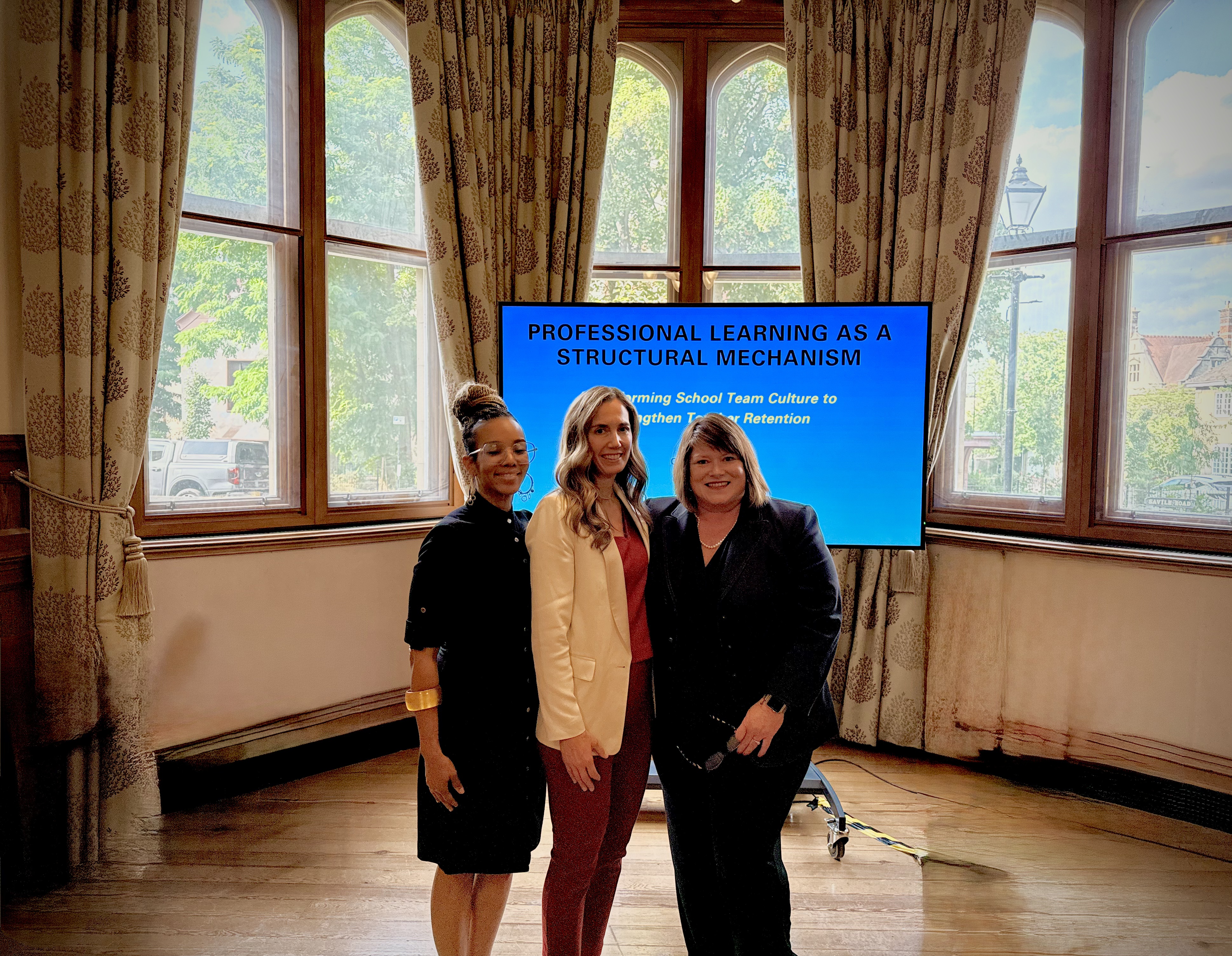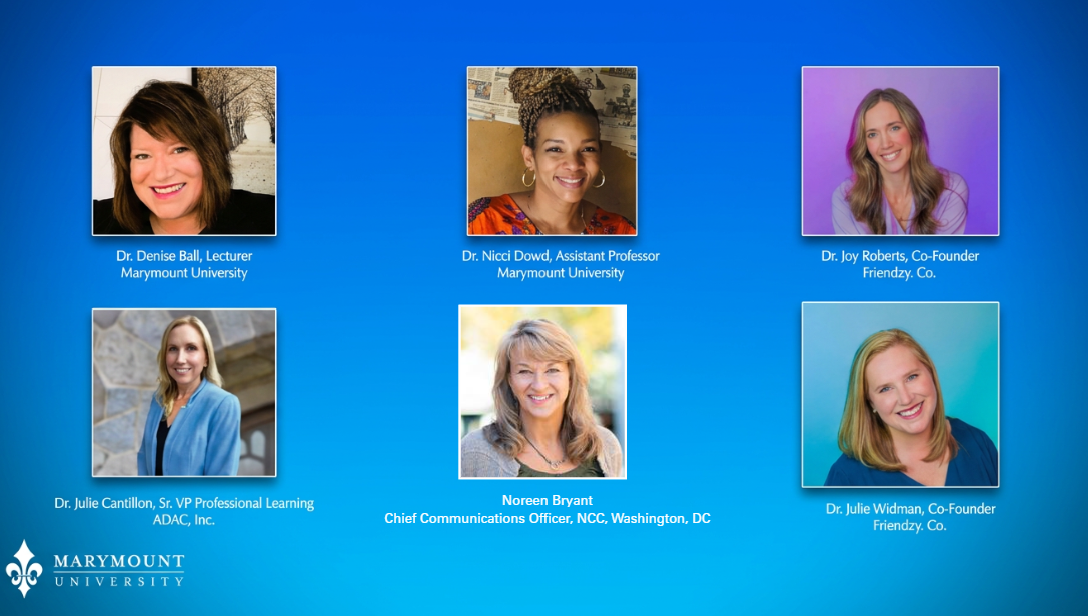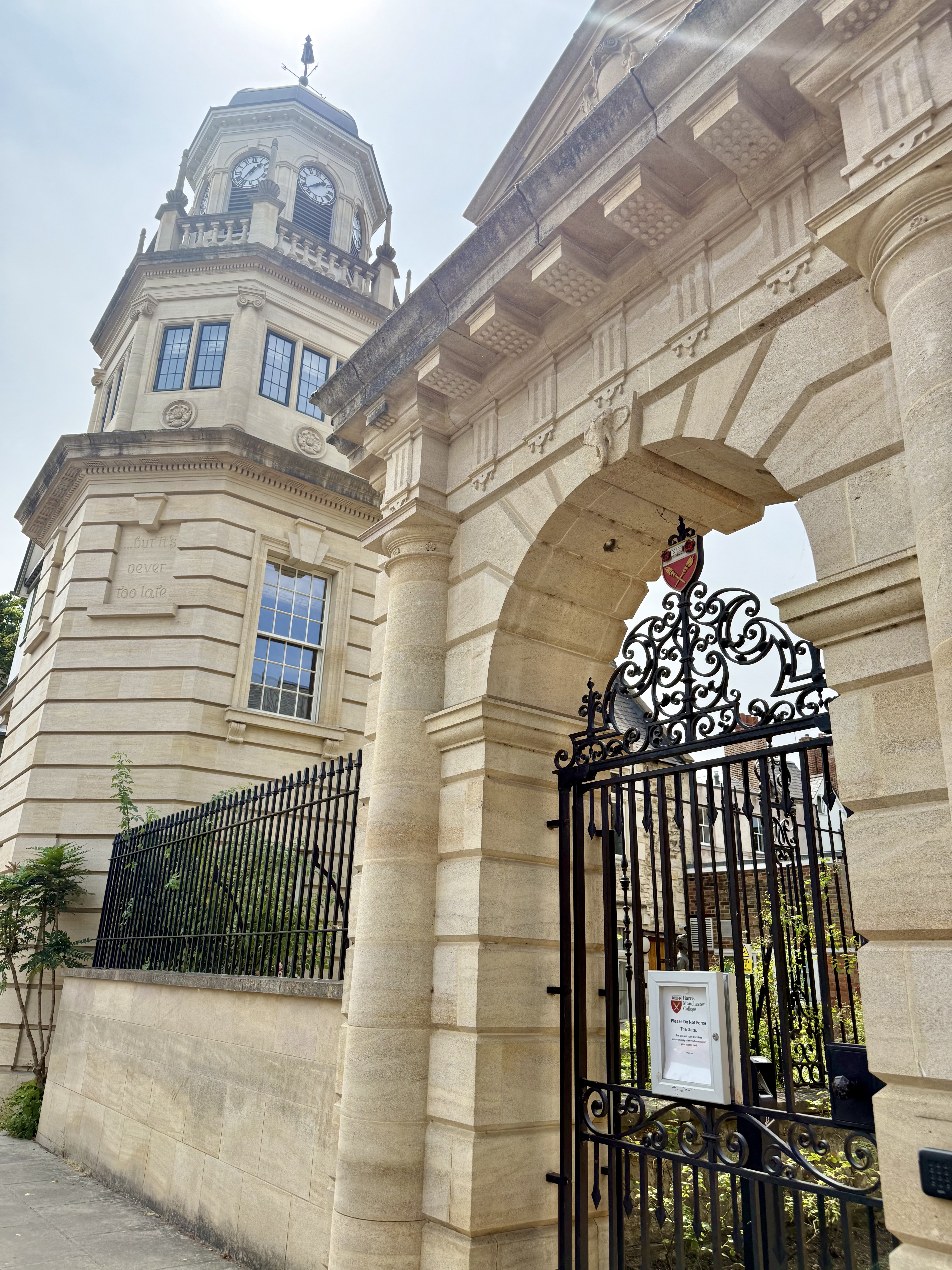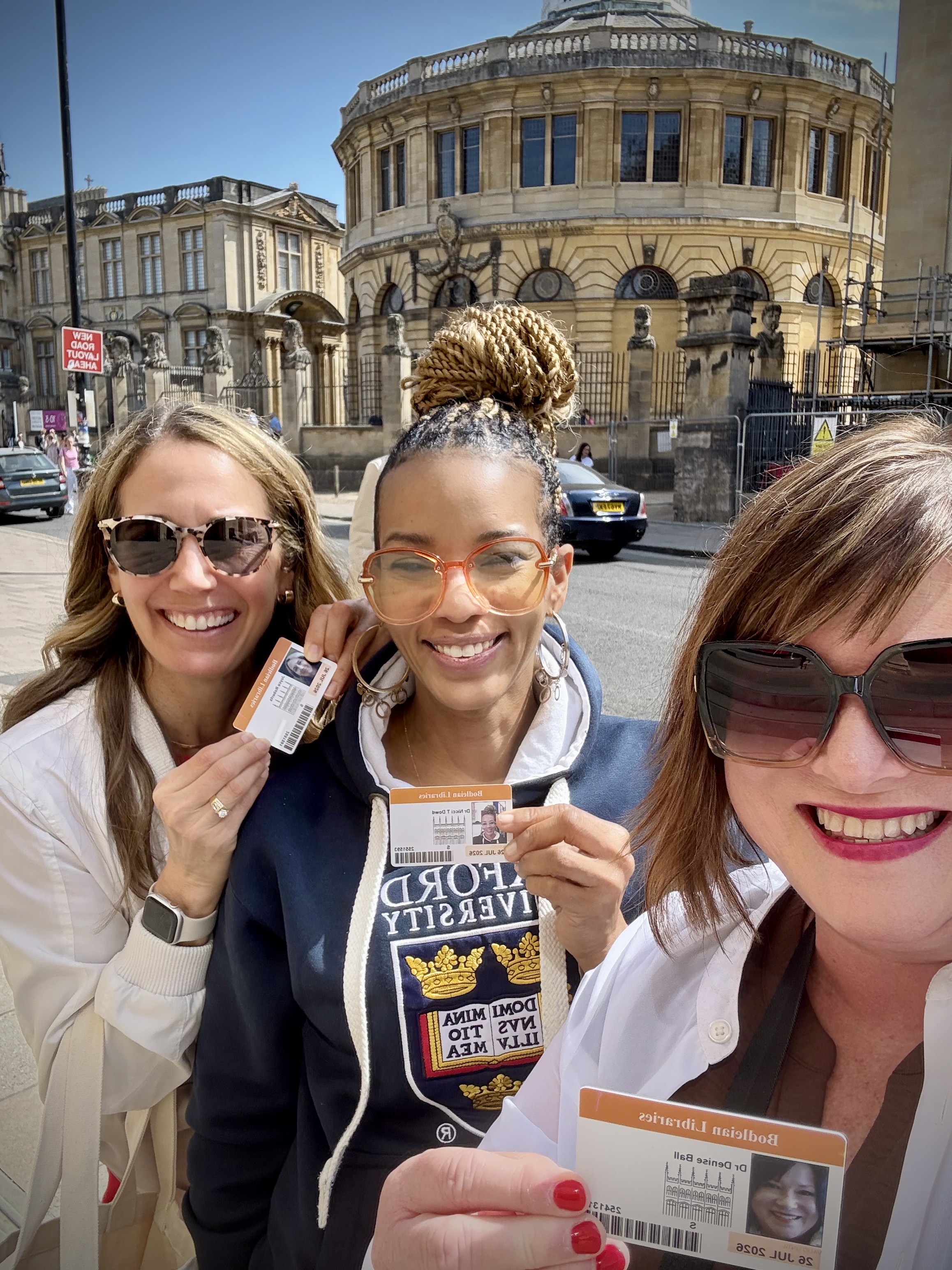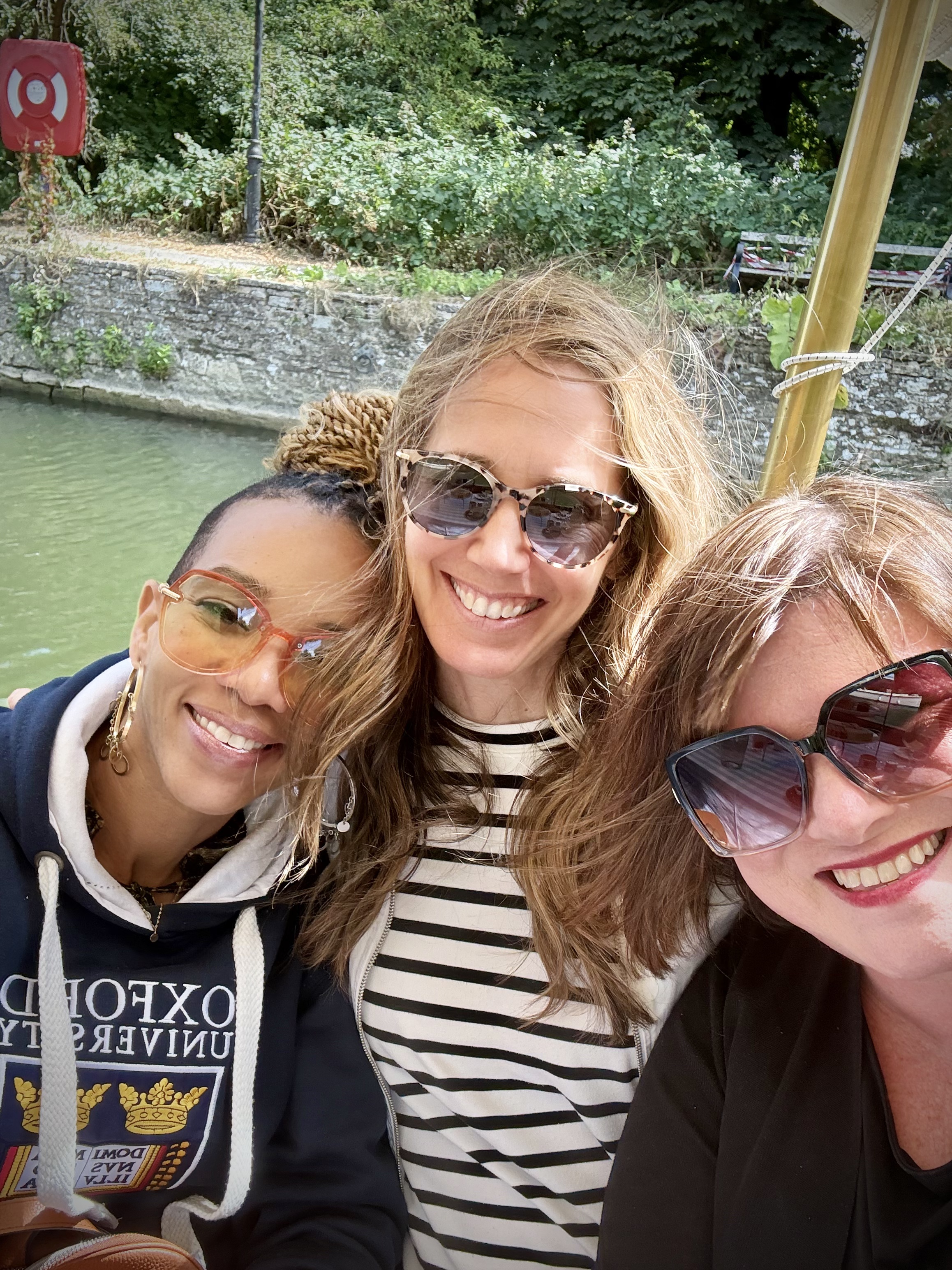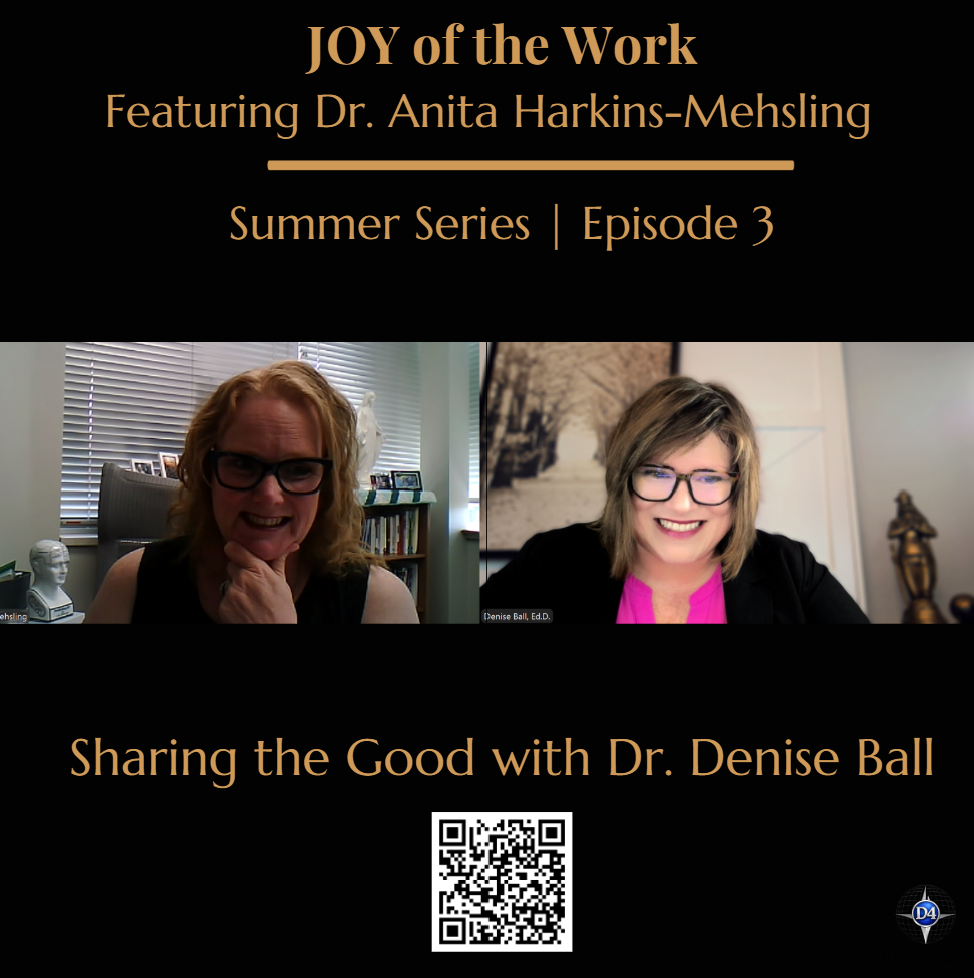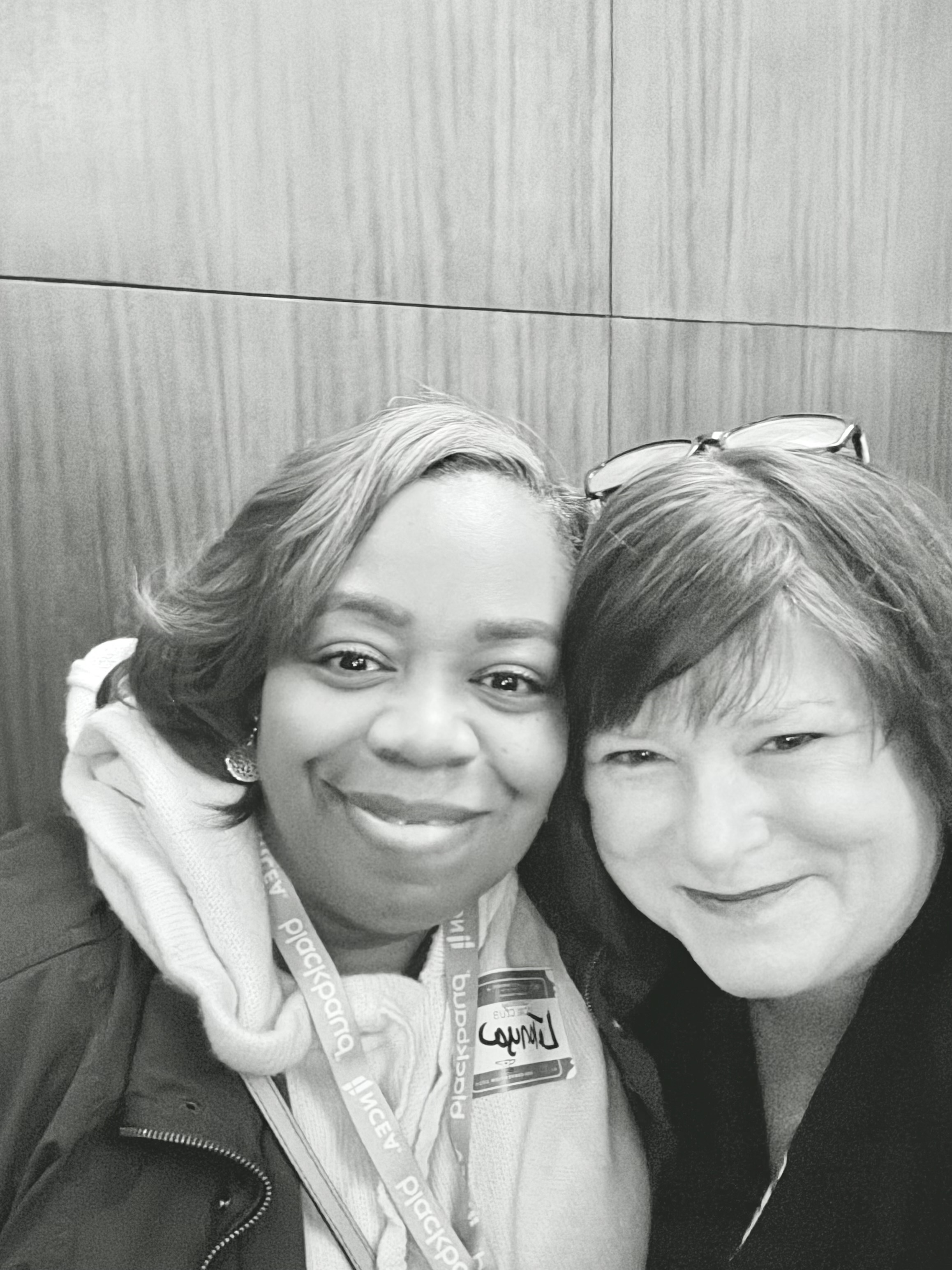
I was so INSPIRED by my conversation this morning with Dr. Barbara Edmondson. I have known Barbara for almost a decade, and every time I leave her presence, I feel encouraged, reflective, and inspired.
In our conversation, Barbara spoke about the importance of educational leaders knowing their charisms and core beliefs. I could not agree more. When we understand the gifts we have been given and the beliefs that ground us, we are better able to serve with clarity, purpose, and joy.
For many educators and school leaders, the next 9 to 12 weeks offer a beautiful opportunity to pause, exhale, and reflect on the “why” behind our service. Why did we choose this work? What gifts have we been called to share? What core beliefs continue to guide us when the days are long and the work feels heavy? Where did we see joy this year? Where did we help create it for someone else?
These are not small questions, but they are the questions that help us return to purpose.
Joy is not meant to be held alone. Joy is synergistic! When joy is shared among a school team, it strengthens culture, builds connection, and reminds us that the work we do matters. Recent research on teacher teams affirms that creating and sustaining a positive school climate requires ongoing collaborative work and that teachers experience their teams as important support structures connected to shared responsibility, safety, openness, and school climate work (Hammar Chiriac et al., 2024). A joyful school community does not mean a perfect school community. It means a community where people are willing to see the good, name the good, and carry the good forward together.
As we close one school year and begin looking toward the next, perhaps this is an invitation to pause and reflect:
*What are the charisms I bring to this work?
*What core beliefs guide the way I serve?
*Where have I seen goodness unfold this year?
*Who helped me remember the joy of the work?
*Who needs to hear a simple and sincere “thank you”?
To every educator, school leader, staff member, parent, and community partner who continues to serve others: thank you!
Thank you for the seen and unseen ways you show up. Thank you for the encouragement you offer, the patience you practice, the hope you carry, and the light you bring into your school communities.
The work you do matters, and when we train our eyes to see the good, amazing things happen.
There is a particular kind of energy that comes from meaningful collaboration. The kind that is grounded in shared mission, fueled by trust, and sustained by a deep belief in the work we are called to do.
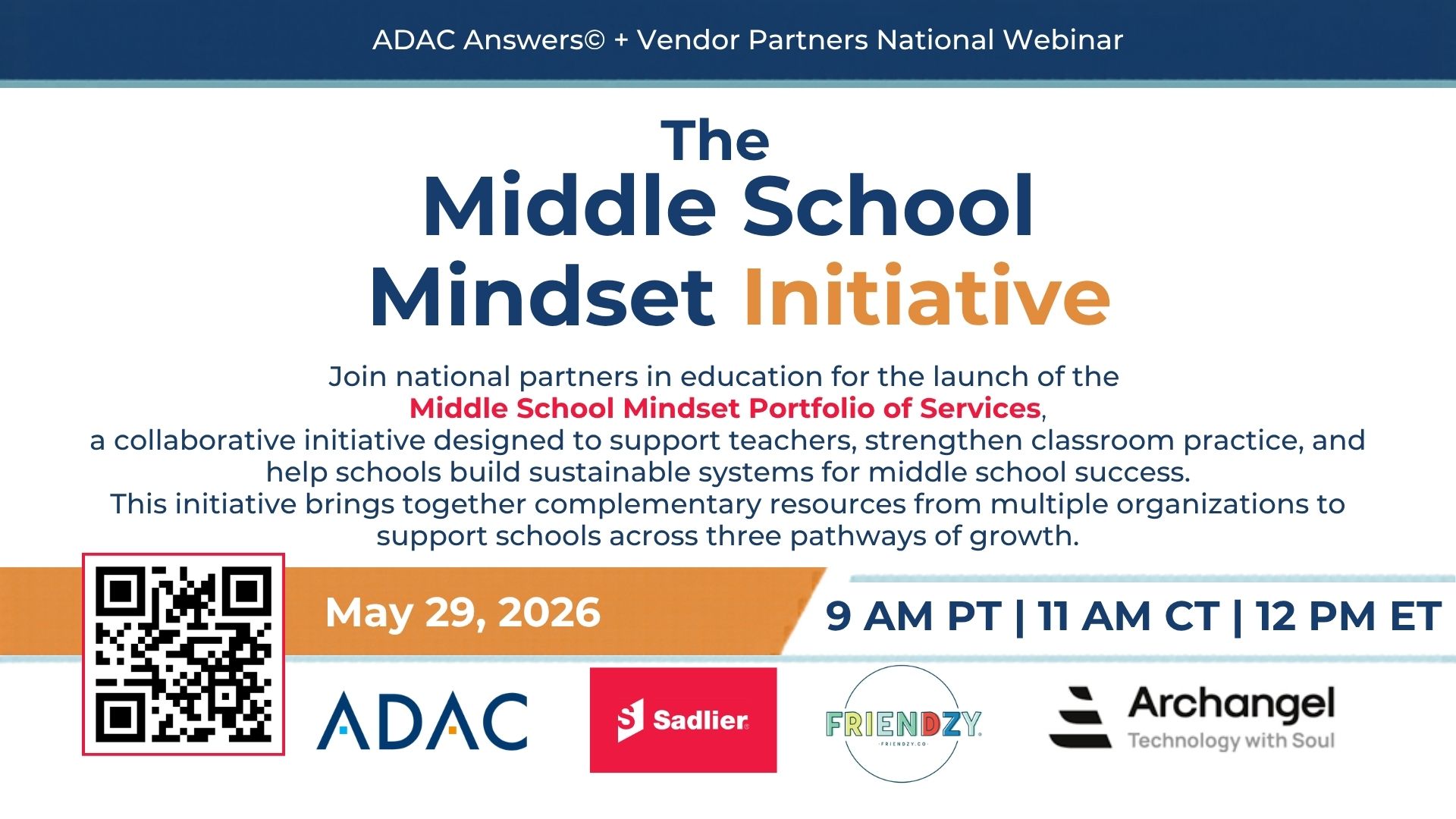
Over the past year, I have had the privilege of working alongside incredible partners to bring the Middle School Mindset Portfolio of Services to life. What began as an idea has grown into something far more powerful than any one organization could have accomplished alone. In just a few short weeks, we will launch this work nationally on May 29.
This moment feels significant, not simply because of the launch itself, but because of what it represents.
A Response to a Critical Moment
Middle school is a pivotal season of formation. It is a time when students are asking deeper questions about identity, belonging, and purpose. It is also a time when educators are navigating increasing complexity like academic recovery, student engagement, and social-emotional needs, all while striving to create classrooms where students feel known and valued.
We cannot meet this moment in isolation.
The Middle School Mindset Portfolio was built in response to that reality. It is not a single program or a one-size-fits-all solution. Rather, it is a collaborative ecosystem designed to support educators with practical strategies, meaningful resources, and a shared commitment to strengthening both instruction and culture.
The Gift of Partnership
One of the greatest joys in this work has been collaborating with mission-aligned partners who bring both expertise and heart to the table.
A special acknowledgment goes to Archangel Education and Technology, whose team is building an innovative digital ecosystem that will no doubt become a destination space for educators and system leaders. Their work reminds us that when technology is designed with purpose, it can truly amplify impact.
Equally inspiring has been our partnership with the Archdiocese of Miami pilot schools. On May 29th, during this complimentary webinar, we will hear directly from middle school teachers who have engaged in this work, educators who are thoughtfully applying strategies, reflecting on practice, and shaping what this portfolio will become at scale.
To visit these vendor partners supporting schools nationwide, please visit:
We can serve students and teachers more when we do it together!
From Research to Practice: Naming What Matters Most
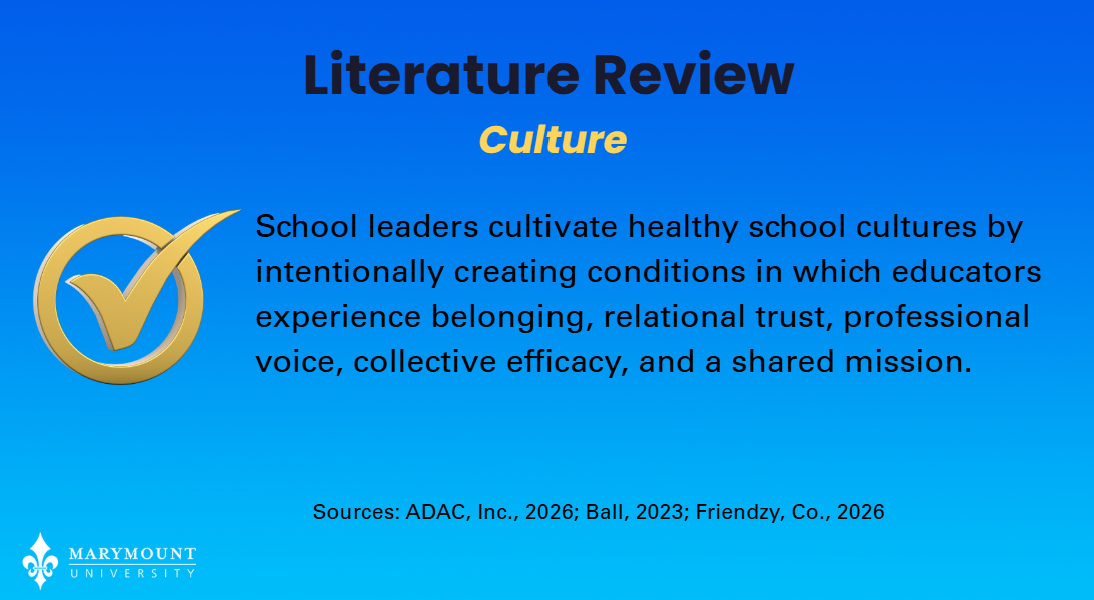
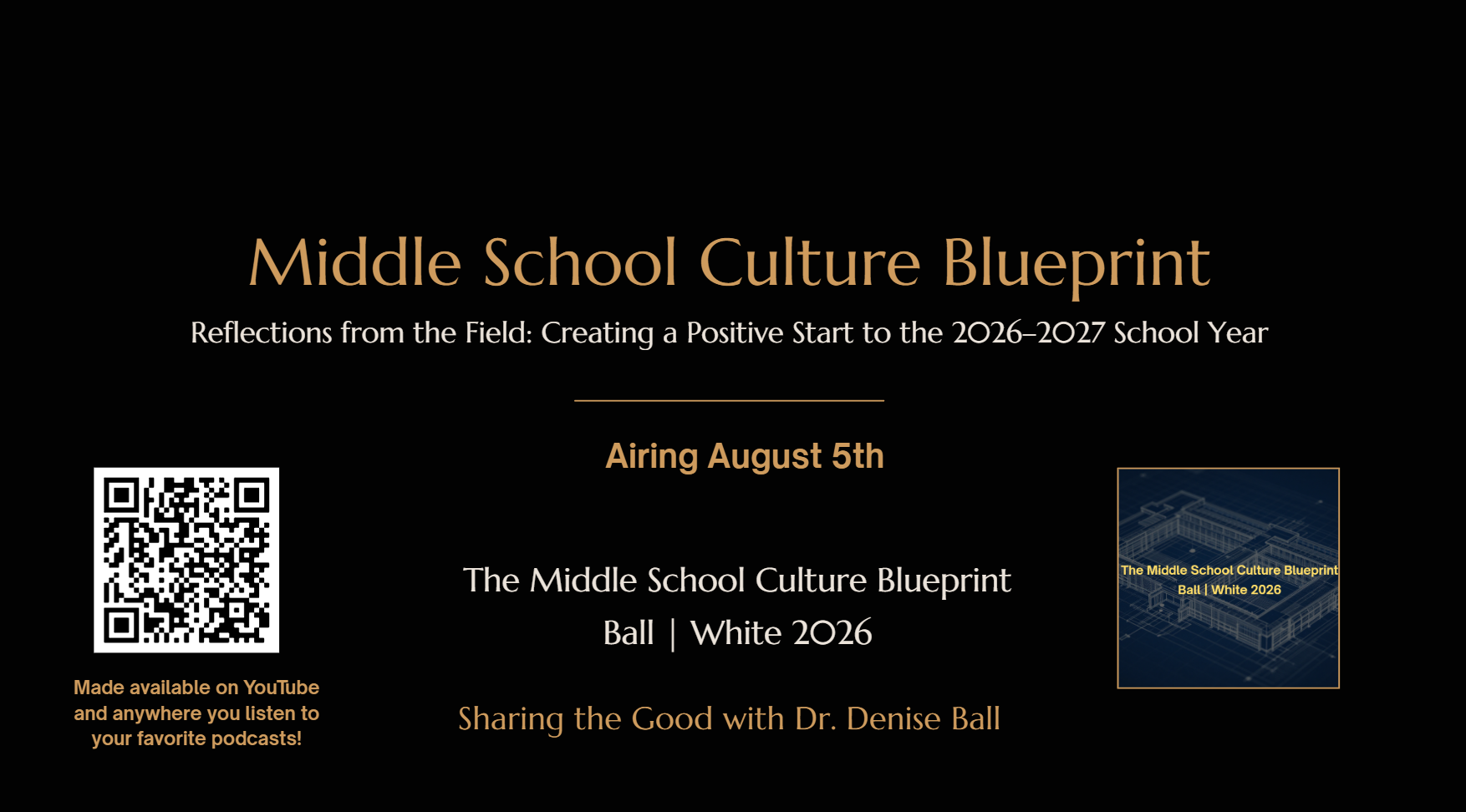
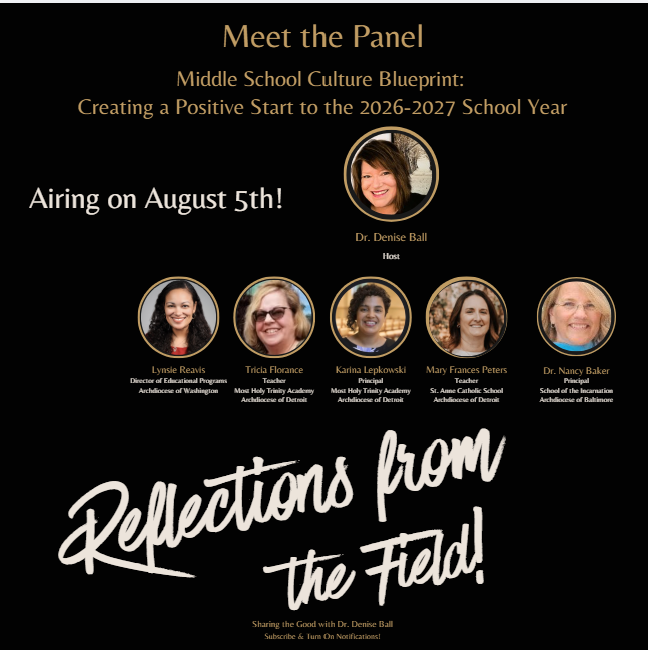
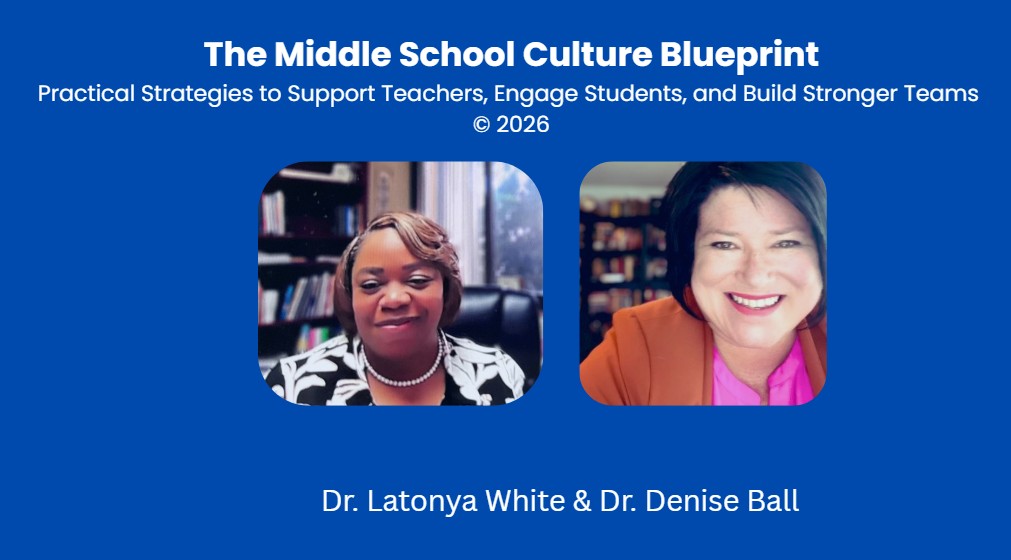
This work has also deepened my ongoing collaboration with Dr. LaTonya White. Together, we are preparing to share our research in the forthcoming Middle School Culture Blueprint (Ball & White, 2026).
At the center of our work is a simple yet deeply impactful reminder: what we reinforce each day becomes the culture we experience, whether by intention or by default.
Middle school culture does not happen by accident. It is shaped in the small, consistent moments: in how we greet students, how we structure learning, how we respond to challenges, and how we create space for student voice. Belonging is not a program we implement. It is a condition we intentionally cultivate through every interaction, every structure, and every expectation (Ball & White, 2026).
When we are intentional, we create environments where students and teachers can thrive. When we are not, culture is still formed, but often in ways that do not serve our mission. The opportunity before us is to lead with clarity, purpose, and hope, and to build cultures where every student and educator knows they are seen, valued, and called to grow.
A Moment of Anticipation
As we look ahead to our national webinar launch on May 29, I am filled with gratitude for the partnerships, for the educators, and for the shared commitment to this work. This is more than a program launch. It is a reflection of what is possible when we come together, listen deeply, and build something that responds to the real needs of our schools. It is a reminder that we are not alone in this work. And… it is an invitation to continue to collaborate, to continue to learn, and to continue to see the good that is unfolding all around us.
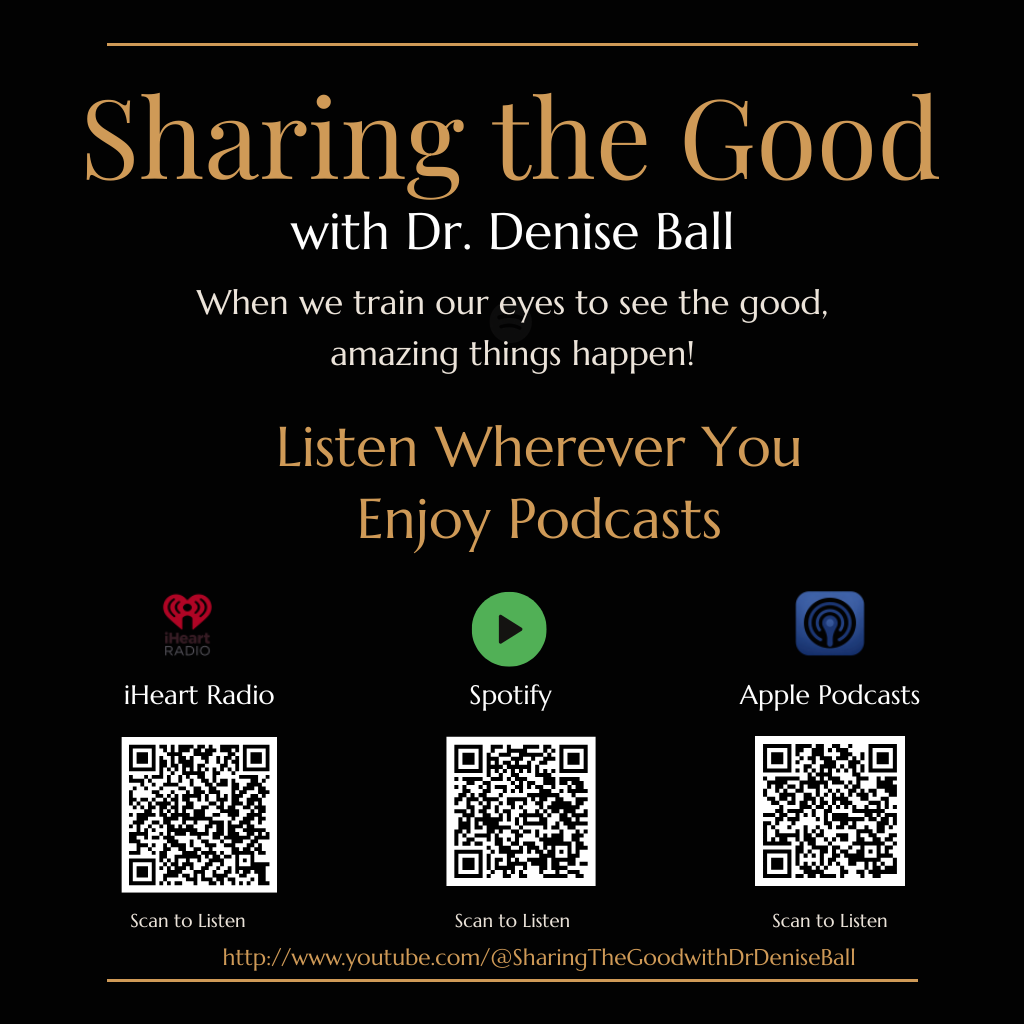
The May 29th registration is live (scan the QR code above). Come and join the conversation!
We are raising children in a world of scroll, swipe, and sound bites. Information arrives in 30-second clips, fragmented headlines, and algorithm-driven content streams. Research suggests that rapid, high-frequency digital consumption can shorten attention spans and contribute to cognitive overload (Carr, 2010; Ophir et al., 2009). Attention is divided. Moments are rushed. Noise is constant.
In this environment, parents and teachers are called to be architects of pause.
Traditions and routines are not small things. They are anchors. They slow the train. They invite us to stop long enough to see, truly see, the children in our classrooms and the people in our homes.
These pauses do something powerful to the human spirit…
They create predictability in an unpredictable world. They foster emotional safety. They promote a grounded sense of reality, a reminder that life is more than reaction and response; it is relationship and presence. Research consistently links predictable routines with improved emotional regulation, reduced anxiety, and stronger mental and physical health outcomes in children and adolescents (Fiese et al., 2002; Spagnola & Fiese, 2007).
A Situation We Recognize
Imagine a middle school classroom on a Monday morning.
Students arrive buzzing from weekend activity and digital stimulation. Some are anxious about assignments. Others are carrying silent burdens from home. The energy is scattered.
Instead of diving immediately into content, the teacher begins with “Monday Morning Light.” A candle is turned on (battery operated for safety). Soft instrumental music plays for two minutes. Students are invited to write one gratitude and one intention for the week.
The room shifts…
Breathing slows. Shoulders drop. Eye contact increases. Students are no longer fragmented individuals entering from separate worlds, they are a community beginning together!
Over time, this simple ritual becomes a stabilizing force. It lowers stress responses and supports emotional regulation, outcomes that research connects to consistent family and classroom routines (Spagnola & Fiese, 2007).
That two-minute tradition communicates:
You are safe here. You belong here. We begin together.
Traditions do not waste time. They redeem it.
Why Traditions Matter
Traditions:
-Provide emotional security in uncertain times
-Strengthen identity and belonging
-Reinforce shared values
-Reduce stress through predictable rhythms
-Build intergenerational memory and meaning
-Cultivate hope
Traditions remind us of good memories of what was and give us hope for what is to come.
Let us never underestimate the power of hope. Hope strengthens resilience. Hope sustains effort. Hope fuels joy!
Simple Traditions to Begin Today
In the Classroom
1. Gratitude Friday
End every Friday with students naming one win from the week: academic, personal, or relational.
2. “Light the Week” Ritual
Begin Mondays with a short reflection, Scripture, quote, or moment of silence.
3. Celebration Wall
Create a space where students post small victories: kindnesses, perseverance, improvement.
4. Monthly Service Spotlight
Each month highlight a virtue or service theme and celebrate students who model it.
5. Seasonal Reset Days
At the start of each quarter, pause for goal-setting and community-building before diving into content.
At Home
1. Sunday Supper Tradition
Phones away. One question around the table that invites storytelling.
2. Birthday Blessings
Each family member speaks a word of affirmation over the birthday child, regardless of age.
Same meal. Same prayer. Same photo spot. Every year/every quarter.
4. Advent or Lent Reflection Nights
Short candle-lit gatherings with reflection and shared intention.
5. Monthly Memory Night
Pull out old photos and tell stories. Children anchor their identity in narrative memory. (Note: my kids are in their twenties and Michael and I still lean in on this tradition a few times a year.)
Intentional Pauses are Essential
Traditions are not elaborate productions. They are intentional pauses.
In a world that accelerates, traditions decelerate.
In a culture that fragments, traditions gather.
In a society that overwhelms, traditions ground.
Children, young and old, do not simply need information. They need formation.
They need rhythms that say:
You belong. You are known. You are part of something lasting.
As parents and teachers, we are not just managing days.
We are shaping memories.
We are cultivating hope.
We are building anchors that will steady our children long after they leave our classrooms and homes.
Let us be people who pause, let us be people who build traditions, and let us be people who carry hope forward.
Stay tuned for more information on making a difference for children and in service to others. When We Train Our Eyes to See the Good—Amazing Things Happen (Ball, 2026) is in one of the final draft phases 😉.
I would love to hear the classroom and home traditions and routines being used—please leave a comment and share with those who follow this blog. This blog has surpassed over 1 million views…thank you for sharing the good!
May we continue to seek knowledge in all things~
Denise
References
Carr, N. (2010). The shallows: What the Internet is doing to our brains. W. W. Norton & Company.
Fiese, B. H., Tomcho, T. J., Douglas, M., Josephs, K., Poltrock, S., & Baker, T. (2002). A review of 50 years of research on naturally occurring family routines and rituals: Cause for celebration? Journal of Family Psychology, 16(4), 381–390. https://doi.org/10.1037/0893-3200.16.4.381
Ophir, E., Nass, C., & Wagner, A. D. (2009). Cognitive control in media multitaskers. Proceedings of the National Academy of Sciences, 106(37), 15583–15587. https://doi.org/10.1073/pnas.0903620106
Spagnola, M., & Fiese, B. H. (2007). Family routines and rituals: A context for development in the lives of young children. Infants & Young Children, 20(4), 284–299. https://doi.org/10.1097/01.IYC.0000290352.32170.5a
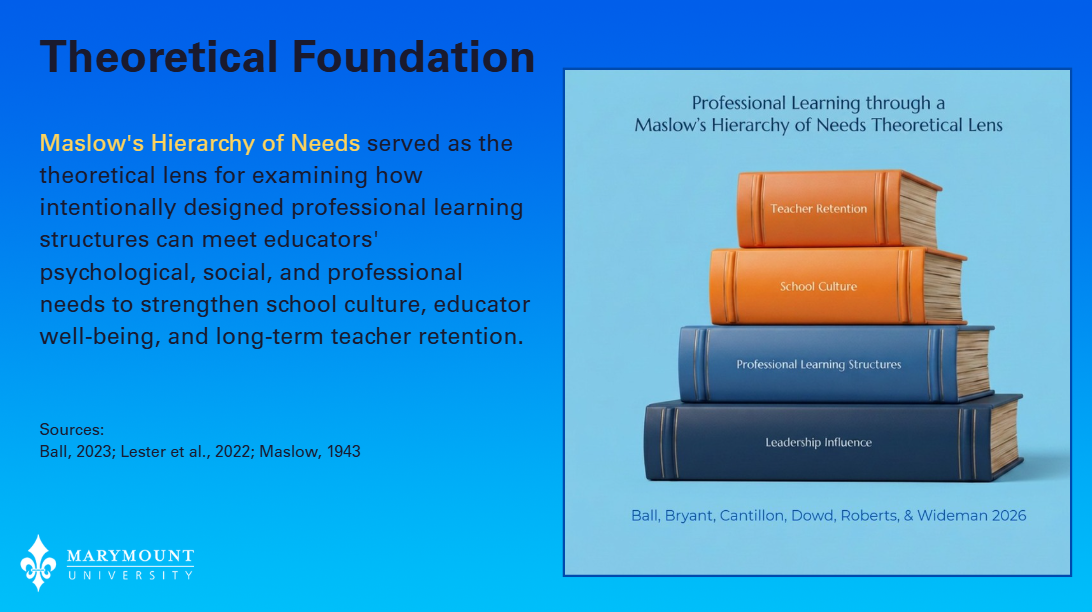
Figure 1: Created by Denise Ball in Collaboration with Dall-E, 2024.
A positive learning environment contributes to improved academic performance, and greater student engagement (Aldridge & McChesney, 2018). It is an essential reminder that as K-12 educators, we are called to develop the minds of students, helping build a framework to embrace critical thinking and learn how to focus inquiry and imagination to solve problems that just one day might help the betterment of mankind. As educators, we develop classrooms to foster creative thought and model in word and action what it looks like to be kind, to show tolerance, compassion, forgiveness, and mercy. What an awesome responsibility we take on when we choose to make a difference in the classroom for the students placed in our care.
In a world that can often promote chaos, our classroom and school environments must be one of safety and peace. Classrooms that prioritize emotional safety and inclusion help students build resilience and improve their academic skills (Ryzin, Roseth, & Biglan, 2020). Classroom environments that are supportive and structured promote not only academic success but also social and emotional development in students Quinn, 2017). As we walk through the presidential voting season, we must remember that parents are the first teachers of their children. The political season can be one of intense emotion. However, as educators, we do not embrace the emotion or give in to the chaos of the world. Instead, we focus on creating and modeling positive learning environments for our students, parents, and co-workers. Teachers who create a positive classroom environment by fostering respect, collaboration, and support tend to see higher levels of student engagement and achievement (Havik & Westergard, 2020).
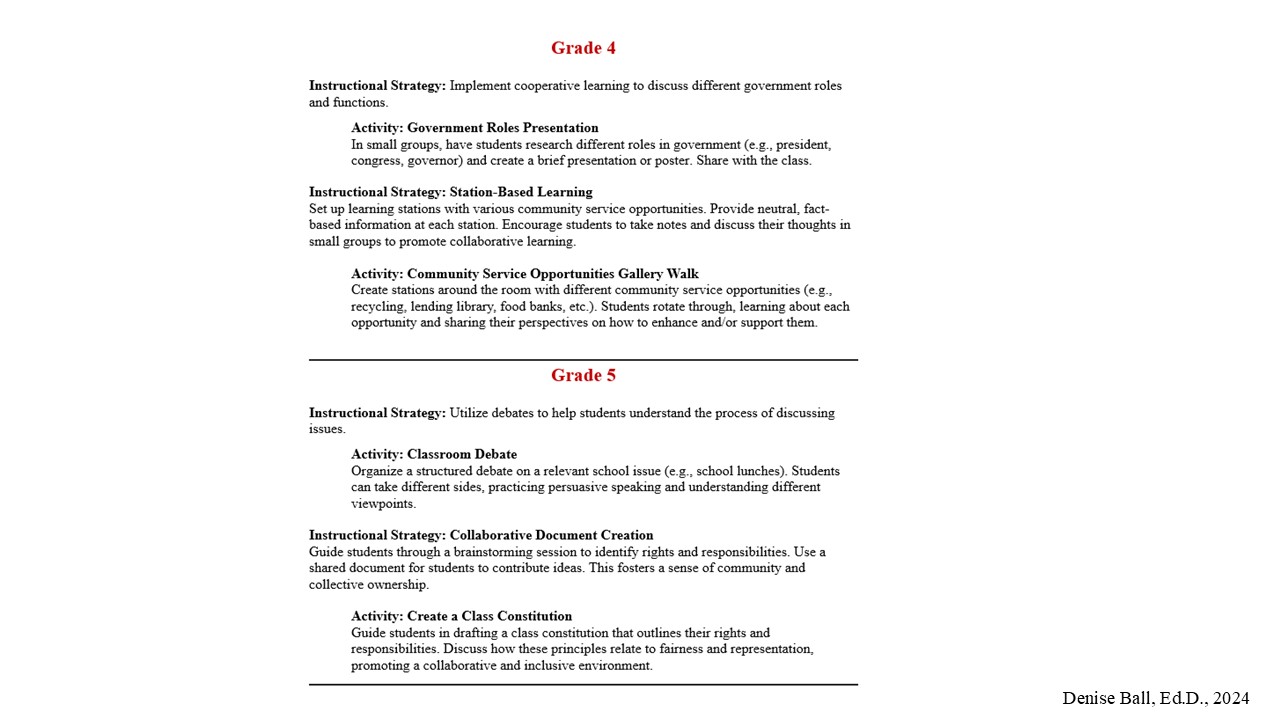
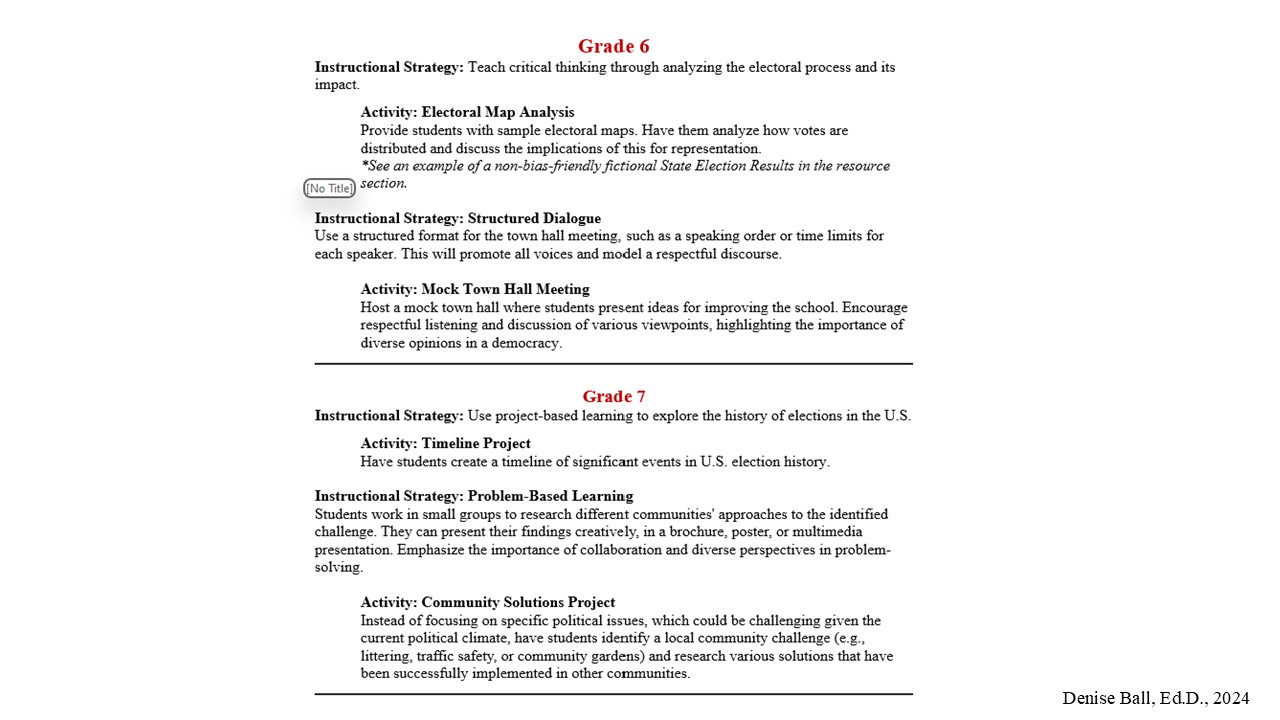
I have provided below some recommended non-partisan activities for students to help develop and promote critical thinking, and engage in learning about the electoral process while fostering a sense of civic responsibility without the emotional weight of real-world politics.
For all those who have chosen education as a career, thank you. You make a difference!
May we continue to seek knowledge in all things,
Denise
References
Aldridge, J. M., & McChesney, K. (2018). The relationships between school climate and adolescent mental health and wellbeing: A systematic literature review. International Journal of Educational Research, 88, 121-145.
Havik, T., & Westergard, E. (2020). Do teachers matter? students’ perceptions of classroom interactions and student engagement. Scandinavian Journal of Educational Research, 64(4), 488-507.
Quin, D. (2017). Longitudinal and contextual associations between teacher-student relationships and student engagement: A systematic review. Review of Educational Research, 87(2), 345-387.
Van Ryzin, M. J., Roseth, C. J., & Biglan, A. (2020). Mediators of effects of cooperative learning on prosocial behavior in middle school. Journal of Applied Developmental Psychology, 66, 101084.
I believe in sharing the good; words have power. There were so many words of wisdom shared over the last few days, I took pen to paper to capture a few words that spoke to me. I hope they inspire you or encourage reflection as you wrap up the 2023-24 school year. Please refer to the recommended resources for the names of some of the speakers who lit my fuse of curiosity this week. Never forget that to teach is a choice. To lead in education is a choice. The work you choose to do matters! Thank you for saying yes to the call to serve in education…
I found this week so engaging that I needed to pause and reflect to process the many data insights supported by research shared this week. There was such a dynamic cadre of national educational leaders that gathered in Dallas for this well planned and executed event. Many opportunities were provided to listen and discuss data and how to use data to inform decisions that effect student learning outcomes. I have a notebook of takeaways that I will spend some time with over the summer to unpack from attending the Curriculum Associates 5th Annual Ferguson Institute.
Denise Ball, Assistant Superintendent for Teaching and Learning/Lori Chaney, Curriculum Associates, Director of Sales, Mid-Atlantic/Kelly Branaman, Secretary for Catholic Schools and Superintendent of Schools
Key Takeaways:
1. It is important to come together; educating students takes a community.
The power of collaboration in education was a resounding theme at the Ferguson Institute. The diverse perspectives and experiences shared among those present served as a powerful reminder that the education of our students is a collective endeavor, not an individual one.
2. As educational leaders, we need to ensure we are providing teachers with opportunities to create environments where students feel “invited” to learn and that we are embracing and using data across all grade levels.
Creating inviting learning environments is crucial. By leveraging data, we can tailor these environments to meet the needs of every student, fostering an inclusive and supportive atmosphere that encourages engagement and learning.
Hattie, John. “Foster a Learning Culture.” 2024. What Brings You Joy. 5th Annual Ferguson Institute.
3. Remember never to underestimate a student’s potential and that every child is a capable mathematical thinker. Wouldn’t it be amazing if all students believed they were capable mathematical thinkers? Expecting excellence will transform a school culture!
At the heart of our educational mission is the belief in the untapped potential of every student. By fostering a culture of high expectations and support, we can empower our students to see themselves as capable mathematical thinkers, thereby transforming the overall school culture. Embracing this thought process might also require some professional development to ensure your faculty sees a capable mathematical thinker in every student. Let us enter the conversation…
4. Continue to seek to be inspired, encourage one another and the students placed in your care. Do not edit out the innovation; create environments for students and teachers that promote curiosity and inquiry.
Innovation should be at the heart of our educational practices. By nurturing curiosity and inquiry, we can create dynamic learning environments that inspire both teachers and students to explore, experiment, and grow.
Hattie, John. “Students are Engaged in their Learning.” 2024. What Brings You Joy. 5th Annual Ferguson Institute.
5. Building capacity through teaching inference and evaluating the impact is essential.
Teaching inference is essential for developing critical thinking skills. Evaluating the impact of our teaching practices ensures that we are effectively building these capacities in our students and continually improving our methods.
6. Hearing school districts share their data story was inspirational and provided opportunities for rich data dialogue. Hearing that achievement is up half a grade level equivalent in one year was simply a testament that the i-Ready curriculum and assessment resources make a difference!
The success stories shared by various school districts were both inspiring and affirming. The significant improvements in student achievement underscore the effectiveness of the i-Ready curriculum and assessment resources in enhancing educational outcomes.
Sullivan, Mark. Birmingham City Schools. 2024.
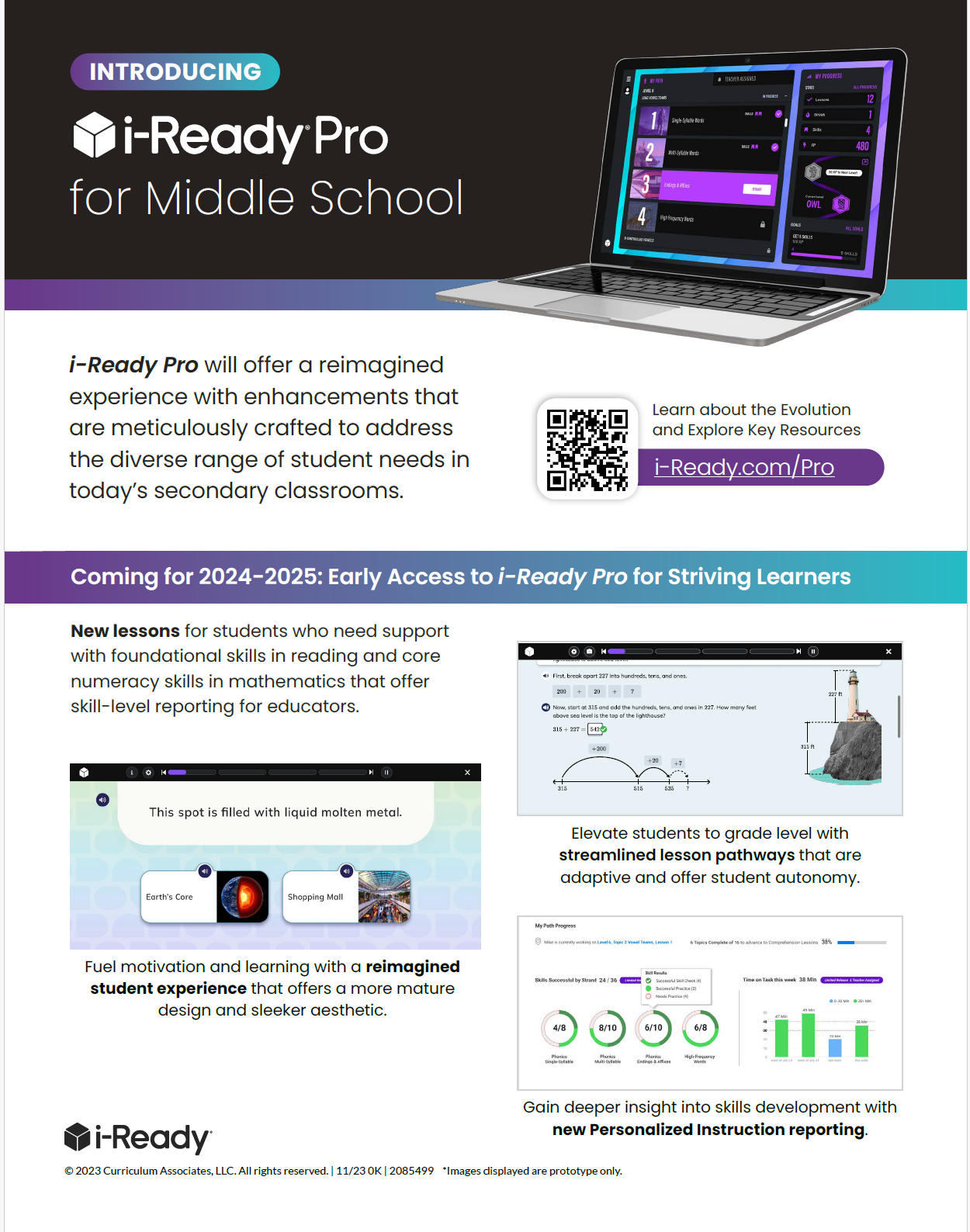
7. Curriculum Associates stimulates inquiry…always growing and improving through research and collaboration where speech recognition, Algebra I, and i-Ready Pro initiatives will be student game changers.
Curriculum Associates’ commitment to continuous growth and improvement through research and collaboration is evident in their innovative initiatives. These advancements promise to be transformative for students, particularly in areas like speech recognition and Algebra I.
8. One gold nugget that is life-affirming is to embrace the errors. No one says no to better!
Embracing errors as opportunities for growth is a powerful mindset. It reminds us that continuous improvement is always possible, and every mistake is a step towards betterment.
The world is chaotic, and we are called to be a positive light for the students and parents in our care. We must have courage, and as reflective practitioners, we must remember to reflect often on what brings us joy. Nothing great happens in the absence of enthusiasm. Build that playlist this summer, sing aloud and dance. Get energized to develop a personal and professional framework for greatness for the 2024-25 school year.
I am leaving Dallas and headed back to D.C. with the clear understanding that Curriculum Associates is an organization where everyone believes that every child deserves to be on grade level. It has been an exceptional week, enriched with data discussions with passionate school and district leaders committed to making a difference in a child’s life. I look forward to continuing to unpack all that I learned with my team and the school leaders I serve, strengthening the relationships developed and lessons learned while engaging with data at the 5th Annual Ferguson Institute.
Inspiring Leaders Making a Difference in Education
It is an exciting time, but this season of transition can be chaotic and often stressful for faculty, staff, students, and parents. A little bit of grace this time of year goes a long way.
When I was a school leader, I used to tell my staff that the end of the year was a time for putting on the “red shoes”…making sure to leave home needs at home and embracing each day with purpose; we are called to be the difference. Retention data shows that it is important now more than ever to ensure that all stakeholders end the year on a high note.
A school climate affects teacher satisfaction, morale, and expectations about staying in the profession (Garcia & Weiss, 2019). A high percentage of teachers do not feel appreciated, and this feeling can have an impact on their choice of staying or leaving the classroom. It would be beneficial for society to remember that teaching remains an extraordinarily noble profession with intrinsic rewards that few other disciplines experience (Vocke & Foran, 2017). There are many ways to show teachers support. Below are my five recommended “musts” to finish the school year strong, ensuring teachers feel valued.
Top Five Recommended “Musts” to Ensure Teachers Feel Valued Before the Summer Pause
Handwritten Thank-You Notes: Write personalized notes to each teacher, highlighting specific contributions and expressing sincere gratitude. Encourage faculty and staff to write anonymous notes to one another. Positive energy is synergistic!
Public Acknowledgment: Use school newsletters, social media, and assemblies to publicly recognize and celebrate teachers’ achievements and dedication. Use these last few weeks of school to promote and share the good that has happened on your school campus. Sharing the good can change a school’s culture.
Classroom Resources: Provide teachers with additional resources or gift cards for classroom supplies as a token of appreciation and to ease their financial burden as they begin to plan this summer for the upcoming school year.
Professional Development Stipends: Offer a stipend or provide a gift card for summer professional development courses, or educational reading materials, indicating investment in their continued growth.
End-of-Year Celebration: Host a celebratory event to honor teachers’ hard work and achievements throughout the year. Include awards or small gifts to show appreciation. Have a discussion on the theme for the upcoming school year to help give direction (which will reduce stress) in helping teachers plan over the summer.
Give your team permission to put an “out of office” message on their email for a period of time to spend with family and friends, recharging so they can be all they are called to be for the upcoming school year. Building in a “time to pause” into one’s daily schedule, will allow teachers to come back to campus more creative, energized, and ready to accomplish team initiatives for the new school year.
Photo Credit: Anna Quattrone, Director of Marketing and Enrollment
Ultimately, it is essential to never underestimate the importance on greeting your faculty and staff as they begin the school day, providing an encouraging word or smile, and making sure your team members feel seen and heard. Teachers choose to serve in schools where they feel welcomed and appreciated.
Regardless of the time of year, it is always a good idea to thank a teacher for choosing to teach!
May the last few weeks of school be filled with joy and peace!
Denise
Denise Ball, Ed.D.
Recommended Reading
Carver-Thomas, D., & Darling-Hammond, L. (2019). “The Trouble with Teacher Turnover: How Teacher Attrition Affects Students and Schools.” Education Policy Analysis Archives, 27(36).
Kraft, M. A., Papay, J. P., Charner-Laird, M., Johnson, S. M., Ng, M., & Reinhorn, S. K. (2020). “Educator Work Environments and Teacher Effectiveness: A Two-Year Longitudinal Study of Teaching Assignments.” Educational Evaluation and Policy Analysis, 42(3), 436-460.
Podolsky, A., Kini, T., Bishop, J., & Darling-Hammond, L. (2019). “Strategies for Attracting and Retaining Educators: What Does the Evidence Say?” Education Policy Analysis Archives, 27(38).
As educators, we have been blessed with an awesome responsibility to educate the whole child to become productive citizens and leaders of tomorrow.
As an administrator, one of the blessings of my job is to help my faculty and staff be the best they can be in the lives of those placed in their care.
Simple reminders:
*to greet students at the door and actually “see” them each day
*to remember that as an educator, we are the rational adult called to model behaviors for our students…forgiveness, flexibility, humor, compassion etc.
*it is okay for students to know that mistakes have been made or something is not “known” …demonstrate how to build the muscle of “recovery” and “collaboration”
Never underestimate the power we have in lifting up our students to new heights…if you BELIEVE they will ACHIEVE!
During the school year, we reflect on summers past and the next one to come and we remember treasured times of relaxation. However, sometimes we get so caught up in our scheduling and planning of events, that we forget to just pause, relax and allow our children…and ourselves to play.
If you find upon reflection that you and your family fit into the latter category this summer, I want to encourage you to pause, choose two good books to read and “schedule” some time into you weeks ahead to just “be”…to allow your children to play with some containers and a water hose in the yard, to research finger foods online and allow your children to make dinner for the adults in the house one night…they will have so much fun and you will be amazed at how much they have grown. :-)
Our team has collected some helpful tips to ensure that summer is indeed a time of relaxing and learning, for you and the child(ren) in your life.
Moms who Think
Moms who Think, is a great site for recipes, diet and nutrition, holiday and celebration ideas and so much more.
Given that we like to promote the good in education, we would like to share the Department of Education’s Office of Educational Research and Improvement‘s recommendation for parent/child involvement this summer:
Every Day…
Give your child a hug and say “I love you.” Do not forget to look them in the eye, to ensure that you make that special connection with them.
Praise your child. We all like to hear that we are doing a good job…it is o.k. and encouraged to tell your child(ren) often.
Talk with your child. I encourage you to not only talk with your child, but read the same book they are reading independently, specifically if your child is 7-18. This will always give you something to talk about with them…a common ground.
Read and write with your child for at least 30 minutes every day. My children keep journals and we write and share about what we are passionate about. (When children are little, pictures in journals versus words are just as good…let your child explain their pictures to you.)
With your child, make a dictionary of new words and add to it every day. Studies have shown that the more words we learn, the higher our IQ…make it a family activity to choose a word or few words a week and have some fun at the dinner table using these words.
Count with your child. Math is everywhere, in the grocery store on labels, on the road as we drive…make it a fun exercise to play Eye Spy math or numbers with your child. The more that children can be exposed to numbers in their world and what they are utilized for, the more understanding they will have for math.
Listen to music with your child. There are many positive studies on why this is important. Studies have shown, that memory retention and learning is enhanced while studying and listening to classical music.
May your summer, or what is left of it, be a time of renewal and rejuvenation for both you and the child in your life. Learning can indeed be fun and relaxing, it just might take a bit of planning. We encourage everyone to live in the moment and choose to be the difference in the life of your child.
Please share your tips and favorite websites with us and we will post it here for all of our readers. Together we can make a difference!
Having written my thesis on phonics, I found this book a good and reflective read. I am still a believer in the importance of phonics in the classroom and at home but I am and feel we as educators must be, open to others views and opinions. I learned a lot from this book and highly recommend it for your summer “must read” list.
“By the late 1980s half the nation’s children were receiving eleven years of progressivism schooling that failed to give them even the elementary basis of education that was completed by the age of seven in earlier days. This great reading disaster was caused by the ?look?say? method of teaching, which presented whole words not individual letters. This book explains the causes and provides the solution to this problem. In 2006, the Secretary of State for Education and Skills has ordered schools to use the phonic method but there seems little evidence that its implications are properly understood or that any serious re-training program for teachers is being put in place. The authors believe their explanations and recommendations in this book are thus needed just as much as ever.”
The next book is an excellent read and has sat in my office on my book shelve for a couple of years now. I have lent it out many times now in hopes that it might inspire those who read it to refuse to give into the easy path and CHOOSE to be the difference in the life of our children…our future! Our Unlock the Teacher team has talked on this before on how we feel ALL children are capable of learning. I know many have heard me tell the story of when I taught in the city and I was told that my students could not or would never understand Shakespeare, so I should not waste my time. Well, not only did my 8th grade English/Literature students learn all about Shakespeare, The Tempestbecame one of their favorite reads that year. Much of how our students respond in our classrooms or buildings depends most on how we choose to approach our environment and communicate learning expectations. I highly recommend this book for all educational staff and parents too!
Dumbing Down Our Kids is a searing indictment of America’s secondary schools one that every parent and teacher should read. Dumbing Down Our Kids offers a full-scale investigation of the new educational fad, sometimes called “Outcome Based Education” the latest in a long series of “reforms” that has eroded our schools.
-Why our kids rank to, or at the bottom of international tests in math and science
-Why “self-esteem” has supplanted grades and genuine achievements
-How the educational establishment lowers standards and quality in our schools-while continuing to raise their budgets and our school taxes
-The dumbing down of the curriculum so everyone can pass-but no one excel
-How parents, students, and teachers can evaluate schools and restore quality learning.
If you have a good book to recommend or your staff has chosen a book to read as a team, please share and together we can learn from each other. It is in the collaborative process that we will make a difference for our children of today and the future of tomorrow.
At a recent principal’s meeting, the Web 2.0 presenter showcased some fabulous online resources that any 21st century educator could utilize to enhance classroom instruction.
This is an A-M-A-Z-I-N-G site for teachers to utilize really grades 2 on up. Students can create animated cartoon strips by utilizing a combination of drawing, dictating and writing to narrate a single event or several loosely linked events. This site also has a homework component…great vocabulary builder and speaks to the visual learner.
Vendor Partner Middle School Mindset Portfolio of Services
The Middle School Mindset Portfolio of Services represents a unique national collaboration between: ADAC | William H. Sadlier | Friendzy | Archangel Education & Technology. An à la carte portfolio of resources.
ADAC, Inc.
ADAC partners with PK–12 schools, systems, and networks nationwide to help educators and leaders confidently meet the needs of every student.
Friendzy, Co.
An effective curriculum that teaches a new generation of students character development skills.
Curriculum Associates
Together with one million educators, we’re connecting every part of learning—from assessment to instruction, data to discovery—to empower classrooms and communities to thrive.
Archangel Education & Technology
Archangel brings a human touch to technology, blending passion, deep expertise, and a strong community focus to enrich educational experiences.
William H. Sadlier
Core and supplemental math programs teach the essentials students will use the rest of their academic and professional lives.
National Standards in Gifted and Talented Education
Standards provide a foundation for the policies, rules, and procedures necessary to deliver high-quality, systematic programs and services for high-ability students. Guidance and framework resources.
Standards and Assessments
Raising academic standards for all students and measuring student achievement to hold schools accountable for educational progress are central strategies for promoting educational excellence and equity in our Nation’s schools.
Odyssey of the Mind
An international educational program that provides creative problem-solving opportunities for students from kindergarten through college.
Math Chimps
Great online math games aligned to the Common Core State Standards~for ages 4-16
Team Building and Problem-Solving Strategies for the Classroom
Odyssey of the Mind
An international educational program that provides creative problem-solving opportunities for students from kindergarten through college.
Websites with Games and Activities Created by Authors
Oceanhouse Media
Great educational book apps and so much more. Check out often for FREE downloads to help your child learn letters, phonics & math!