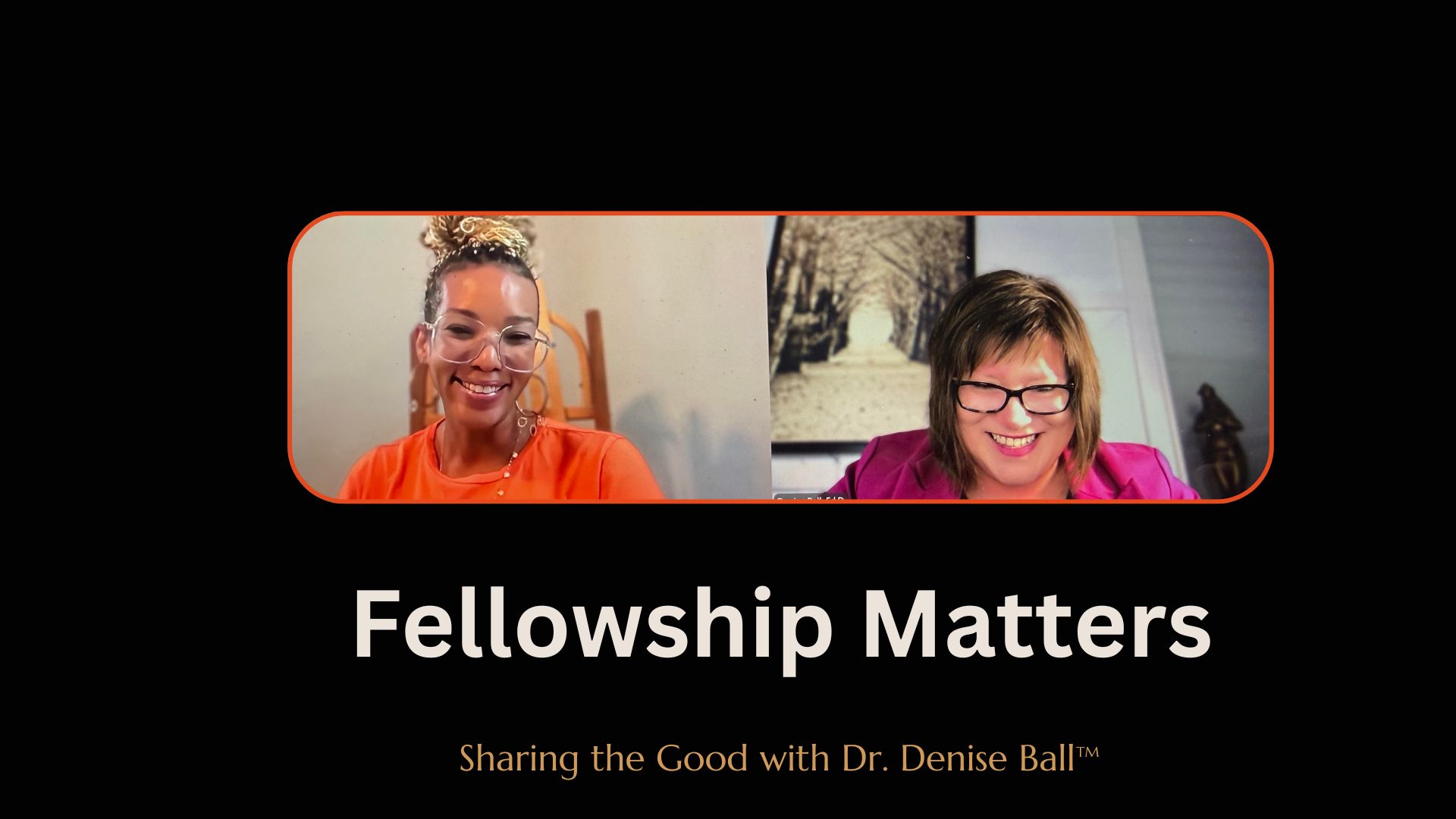
Why Fellowship is Essential with Karina Lepkowski, Principal, Most Holy Trinity
Fellowship is more than networking. It is more than collaboration around a project, committee, or a professional learning day. Fellowship is what happens when trust is built over time, shared mission becomes a shared walk, and colleagues become the trusted voices we return to because we know they will listen, encourage, challenge, and help us see more clearly.
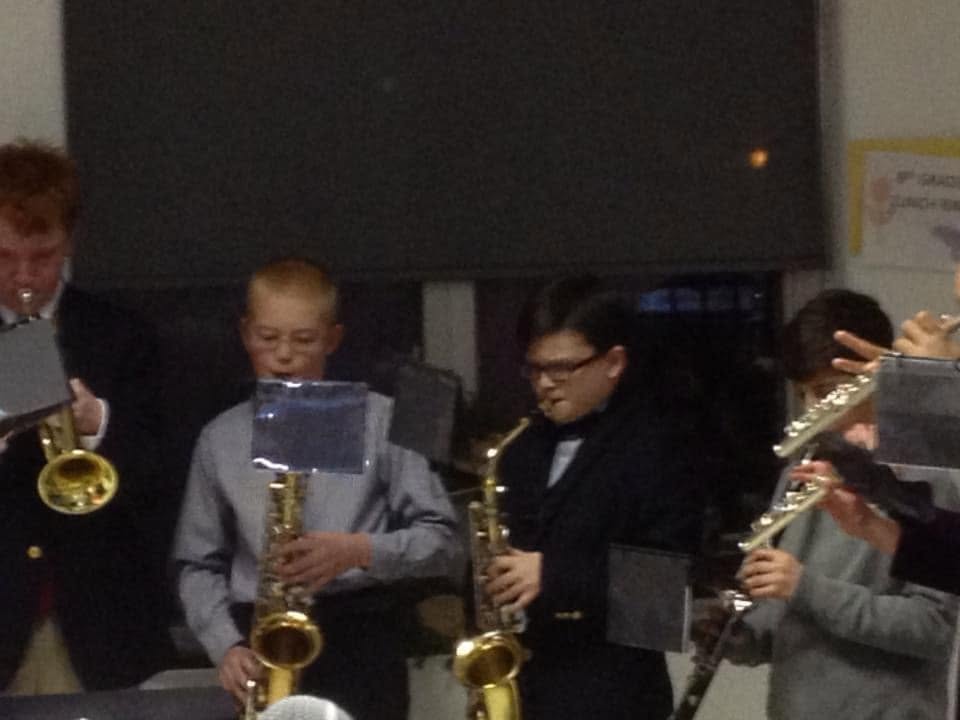
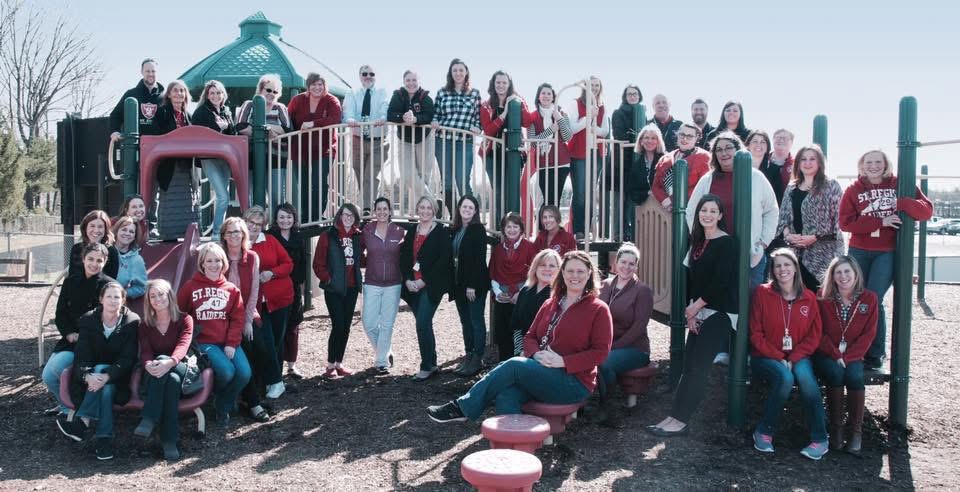
Today, I had the joy of meeting with Karina Lepkowski, Principal at Most Holy Trinity Catholic Academy in the Archdiocese of Detroit. Karina and I have been collaborators for 14 years. She served on my team at St. Regis Catholic School, we have worked together on committees, and she has led sessions for professional learning days I developed for the Archdiocese of Baltimore. Over the years, our professional paths have crossed in many meaningful ways. But perhaps one of the most treasured parts of our story is this: Karina introduced my son to music and taught him how to play the alto saxophone. His love of jazz and the gift of having music in his heart will last him a lifetime. For that, I will always be grateful to this amazing educator, and I am honored to call her a friend now.
About Karina
Karina Lepkowski is a distinguished Catholic educator and graduate of the University of Notre Dame’s Alliance for Catholic Education (ACE) Mary Ann Remick Leadership Program. As a member of Cohort 18, she earned a Master of Arts in Educational Leadership and has continued to serve Catholic education with dedication, wisdom, and heart. Her leadership and service were also recognized by the Catholic Foundation of Michigan, which honored her with an Amazing Catholic Educator Award.
A Servant Leader
While these accomplishments speak beautifully to Karina’s professional impact, what I value most is the way she leads through relationships. She is the kind of educator and leader who listens deeply, shares generously, and reminds others that the work of Catholic education is strengthened when we walk alongside one another.
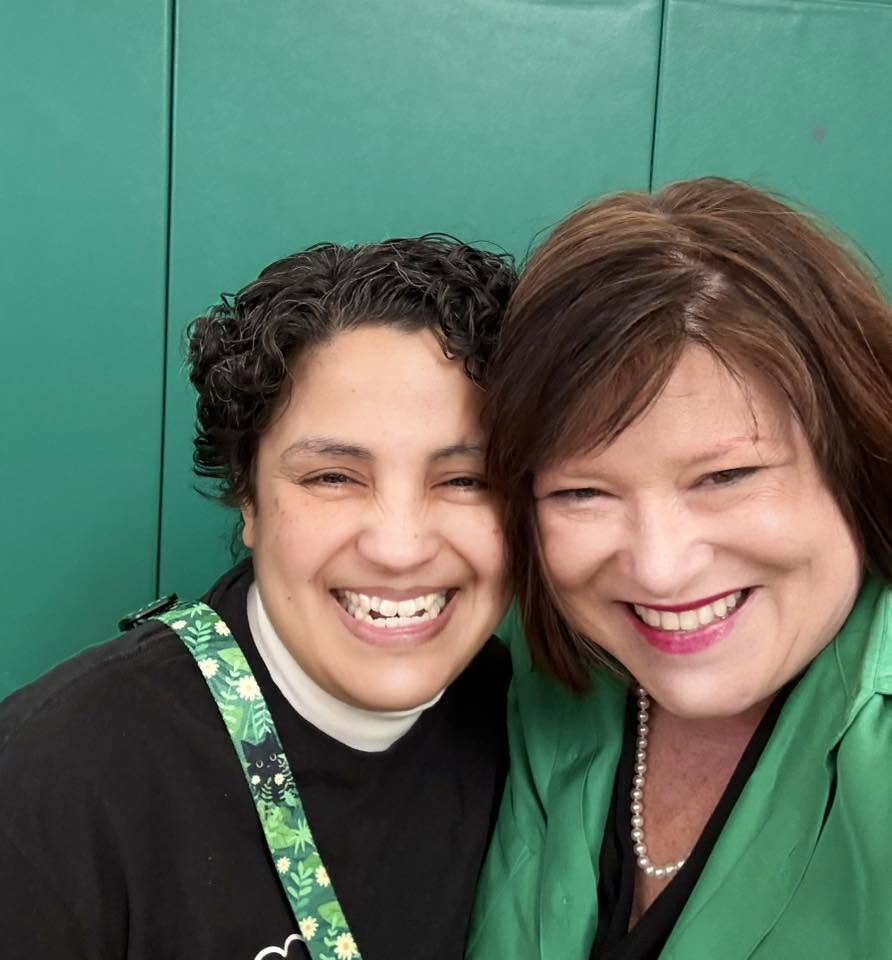
As Karina and I caught up and discussed projects we are working on, I was reminded of something important. Educational leaders need trusted voices. We need people who understand the work, who know the heart behind the work, and who can offer honest insight because the relationship is rooted in care. These are the colleagues who help us process ideas, sharpen our thinking, and stay grounded in mission. They remind us that leadership was never meant to be a lonely road.
Research continues to affirm what many of us have experienced in our own leadership journeys. Strong professional learning is collaborative, sustained, and grounded in reflection. Darling-Hammond, Hyler, and Gardner (2017) found that effective professional development creates opportunities for educators to share ideas, collaborate in job-embedded ways, and build communities that can positively influence the culture and instruction of a school or system. Similarly, research on collective teacher culture points to the importance of shared goals, supportive colleagues, collective efficacy, and belonging as important dimensions of a healthy school culture.
This is why fellowship matters. When leaders intentionally build relationships of trust and professional friendship, they strengthen the culture around them. Fellowship helps us become better listeners. It helps us ask better questions. It gives us space to pause, reflect, and renew. It also helps us remember that the work of education is deeply human. Behind every initiative, every professional learning session, every school improvement goal, and every strategic plan are people who need encouragement, connection, and belonging.
In my own research on teacher retention, school climate, leadership, collaboration, and culture emerged as important areas of focus in understanding how educators experience their work and what helps them remain committed to the mission (Ball, 2023). Positive school culture is not built by accident. It is formed through intentional relationships, shared purpose, and the daily decision to walk alongside one another.
As educational leaders, we often spend time developing strategic muscles: planning, decision-making, problem-solving, communication, and execution. These are important. However, I would share that research supports that we also need to be just as intentional about building the muscle of fellowship. Collective teacher culture is strengthened through shared goals and values, collective efficacy, supportive colleagues, belonging, and job satisfaction, all of which remind us that trusted professional relationships are central to healthy school communities (Skaalvik & Skaalvik, 2021). Who are the trusted voices we call when we need to think out loud? Who helps us see the good when the work feels heavy? Who reminds us of who we are and why this work matters?
The summer weeks offer a beautiful invitation to pause and reach out. Send the text, make the call, or schedule the coffee. Technology offers us the wonderful ability to connect via Zoom, Meet, FaceTime, etc. We really have no excuse not to engage with the technological tools at our fingertips today. I encourage you to reconnect with the colleague who has walked part of the journey with you. Take time to say thank you to the person who helped shape your leadership, your school community, or even your family in ways that will last a lifetime. Gratitude has a way of lowering our stress levels and refocusing our lens to see the good all around us.
When we make time to walk alongside one another, we build the kind of school culture where others can do the same.
This year, my research has continued to center around school culture and team development. In my two latest projects, When We Train Our Eyes to See the Good, Amazing Things Happen and The Middle School Culture Blueprint, which I am co-authoring with Dr. LaTonya White, I have been reflecting deeply on the gift of fellowship and why it matters so much for educational leaders. If you would like to share your thoughts, please send me a message or leave a comment. I welcome the feedback and insights.
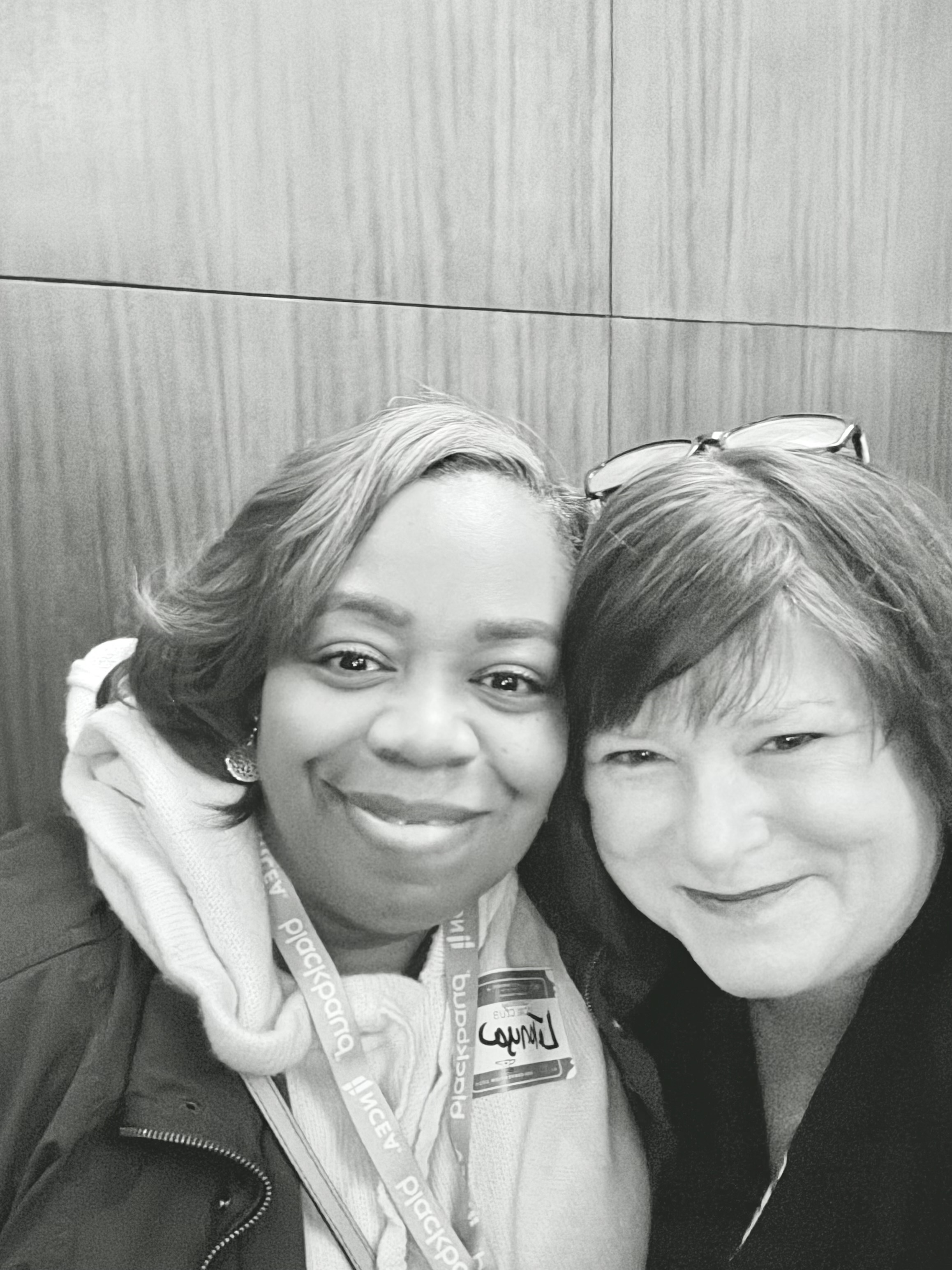
Dr. LaTonya White and Dr. Denise Ball, National Catholic Leadership Convention 2026
May we continue to seek knowledge in all things,
Denise
References
Ball, D. M. (2023). Improving teacher retention within Archdiocese of Washington schools [Doctoral dissertation, Liberty University]. Liberty University Scholars Crossing.
Darling-Hammond, L., Hyler, M. E., & Gardner, M. (2017). Effective teacher professional development. Learning Policy Institute.
Skaalvik, E. M., & Skaalvik, S. (2021). Collective teacher culture: Exploring an elusive construct and its relations with teacher autonomy, belonging, and job satisfaction. Social Psychology of Education, 24, 1389–1406.
United States Conference of Catholic Bishops. (2011). New American Bible, Revised Edition.