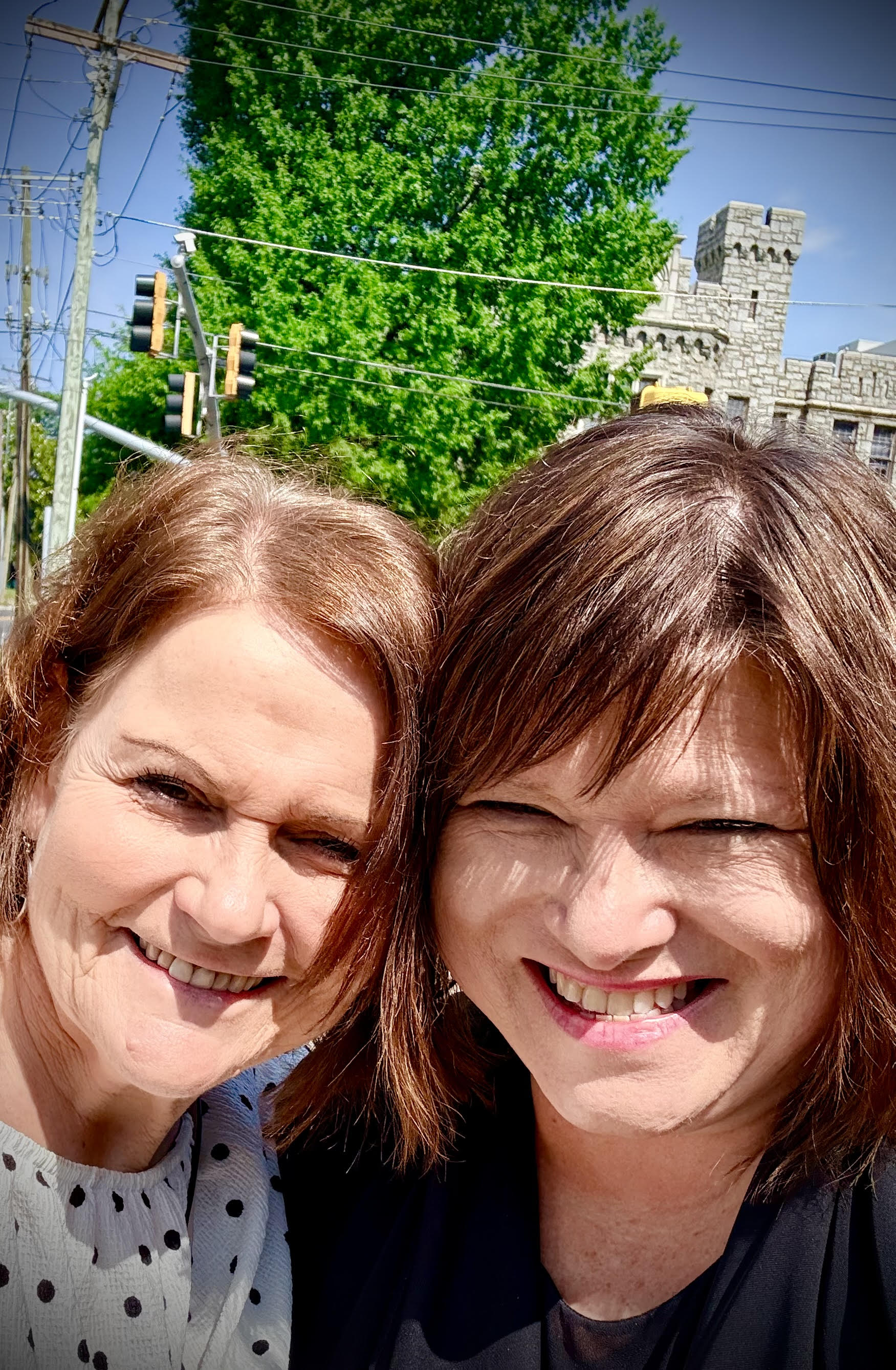
I was so INSPIRED by my conversation this morning with Dr. Barbara Edmondson. I have known Barbara for almost a decade, and every time I leave her presence, I feel encouraged, reflective, and inspired.
In our conversation, Barbara spoke about the importance of educational leaders knowing their charisms and core beliefs. I could not agree more. When we understand the gifts we have been given and the beliefs that ground us, we are better able to serve with clarity, purpose, and joy.
For many educators and school leaders, the next 9 to 12 weeks offer a beautiful opportunity to pause, exhale, and reflect on the “why” behind our service. Why did we choose this work? What gifts have we been called to share? What core beliefs continue to guide us when the days are long and the work feels heavy? Where did we see joy this year? Where did we help create it for someone else?
These are not small questions, but they are the questions that help us return to purpose.
Joy is not meant to be held alone. Joy is synergistic! When joy is shared among a school team, it strengthens culture, builds connection, and reminds us that the work we do matters. Recent research on teacher teams affirms that creating and sustaining a positive school climate requires ongoing collaborative work and that teachers experience their teams as important support structures connected to shared responsibility, safety, openness, and school climate work (Hammar Chiriac et al., 2024). A joyful school community does not mean a perfect school community. It means a community where people are willing to see the good, name the good, and carry the good forward together.
As we close one school year and begin looking toward the next, perhaps this is an invitation to pause and reflect:
*What are the charisms I bring to this work?
*What core beliefs guide the way I serve?
*Where have I seen goodness unfold this year?
*Who helped me remember the joy of the work?
*Who needs to hear a simple and sincere “thank you”?
To every educator, school leader, staff member, parent, and community partner who continues to serve others: thank you!
Thank you for the seen and unseen ways you show up. Thank you for the encouragement you offer, the patience you practice, the hope you carry, and the light you bring into your school communities.
The work you do matters, and when we train our eyes to see the good, amazing things happen.
Last night, I officially posted the welcome message for my new YouTube channel, Sharing the Good with Dr. Denise Ball. This morning, as I met with Dr. Christina Mendez-Hall, Assistant Superintendent for the Diocese of Arlington, I was reminded again why this space matters. Dr. Mendez-Hall is so full of joy, and I invited her to share an end-of-the-school-year inspirational message for the channel. It was one of those simple, grace-filled moments that confirmed the “why” behind this new chapter.
For the last eight-plus years, I have been researching, writing, speaking, and working alongside school leaders and educators on team building, teacher retention, and the development of strong, healthy school cultures. Again and again, one simple truth continues to rise to the surface: educators and school leaders need to be seen, heard, encouraged, and reminded that their work matters.
When adults in a school community feel valued, supported, and connected to a shared mission, the entire campus is strengthened. Joy becomes more visible, trust grows, collaboration deepens, and students benefit. Schools become more stable, dynamic, and hope-filled places of learning.
My goal is not to create a perfect YouTube channel. It is not to chase likes or pretend that life, leadership, education, or faith are without challenges. My hope is to create a real and authentic space where we collectively can share the good, notice the good, and perhaps inspire at least one person who needs encouragement on any given day.
I have been blessed throughout my life to be surrounded by amazing people who have encouraged me, challenged me, prayed for me, and helped me see the good even in difficult seasons. After retiring last June, following 27 years of service in education, I have found myself with more time to reflect, write, listen, and reconnect with many of you who have followed this blog since it was created 15 years ago.
The Unlock the Teacher blog has received more than 1.5 million views over the years and continues to average around 100 views a day. The feedback received on this blog humbles me deeply — thank you! Current research highlights the need for us to truly see and hear one another, and I would like to help make sure those placed on my path during this journey of life feel seen and heard.
So today, I want to personally invite you to continue the conversation with me in a new way.
Please visit Sharing the Good with Dr. Denise Ball on YouTube. Subscribe if the message speaks to you. Share it with an educator, leader, parent, or friend who may need a reminder that goodness is still unfolding.
Check out Christina’s inspirational minute message by clicking the link below. This is my first YouTube “short”…thank you for the grace!
I am a novice in this space, and I am very much a lifelong learner. If you have a tip, suggestion, idea, or story to share, I would love to hear from you. Send me a message and share the good you are seeing. Tell me about the people who are carrying light in your school, family, parish, workplace, or community.
I believe this deeply, that when we train our eyes to see the good, amazing things happen.
We can do more for the world when we share the good together, one word, one story, and one action at a time.
Across the country, school leaders are navigating one of the most persistent challenges in education today: retaining talented, mission-driven educators. While much of the conversation centers on compensation, workload, and policy, one of the most underutilized and high-impact resources sits right beside our schools…our university partners.
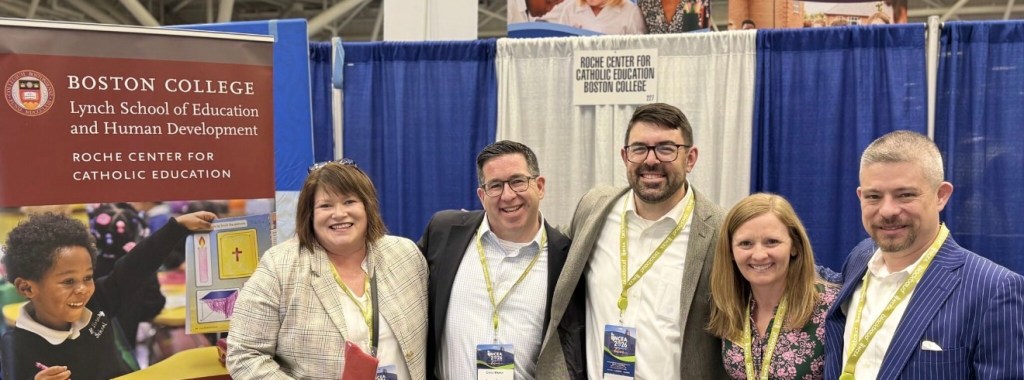
I always enjoy hearing and sharing the good with Boston College Roche Center educational leaders.
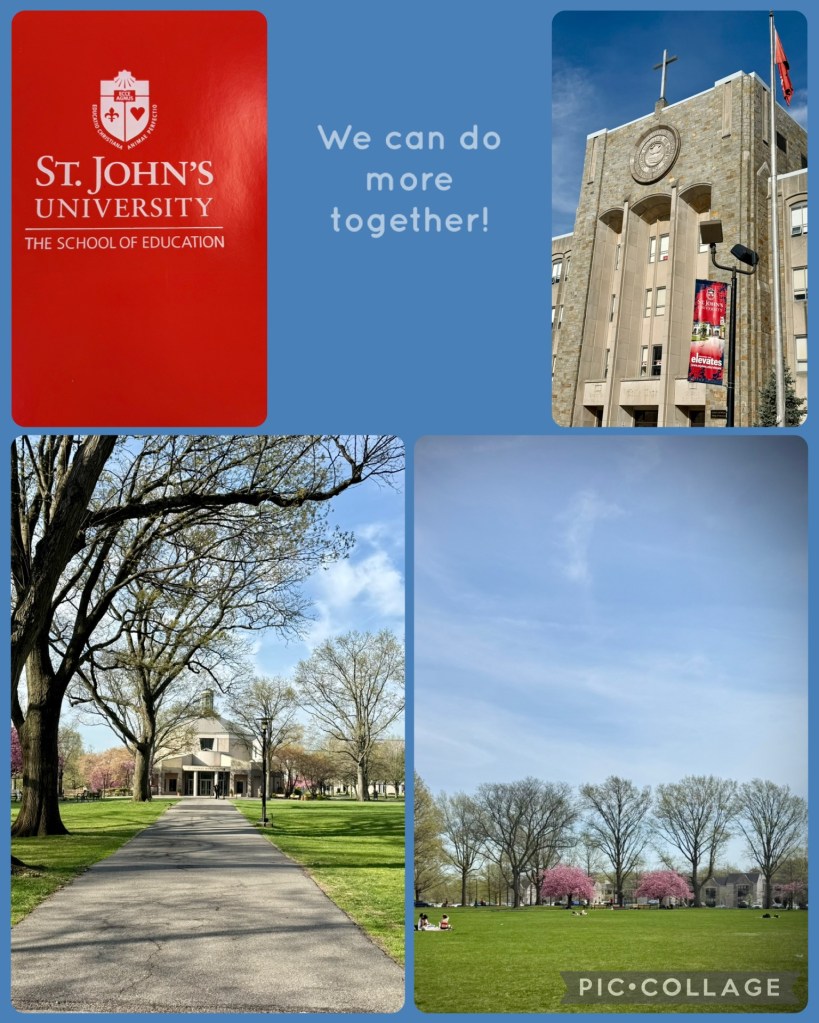
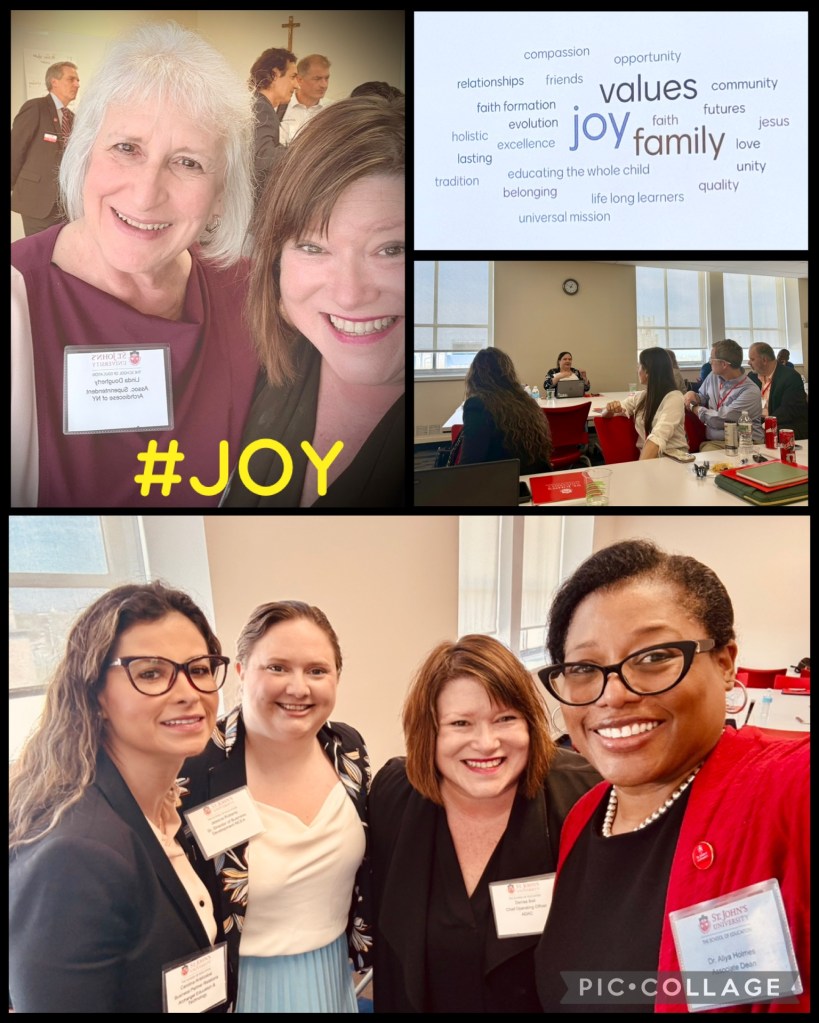
Institutions like Marymount University, Boston College, and St. John’s University are not only preparing future educators, they are increasingly listening, adapting, and responding to the real-time needs of school leaders and teachers. When leveraged intentionally, these partnerships can become a cornerstone strategy in addressing the teacher retention challenge.
At their best, university-school partnerships move beyond transactional relationships and become transformational. They create shared responsibility for developing, supporting, and sustaining educators across the full arc of their careers.
St. John’s University edTech Summit—a think tank session!
What This Looks Like in Practice
Educational leaders can take intentional steps to deepen these partnerships in ways that directly impact teacher retention:
Enhancing School-Based Opportunities Through Strategic Partnership
Professional learning is most effective when it is grounded in the context of the school and led by those closest to the work. I find there is value in leaning on university partners as thought partners. These relationships bring research, frameworks, and support that strengthen intentionally designed opportunities (Desimone & Garet, 2015).
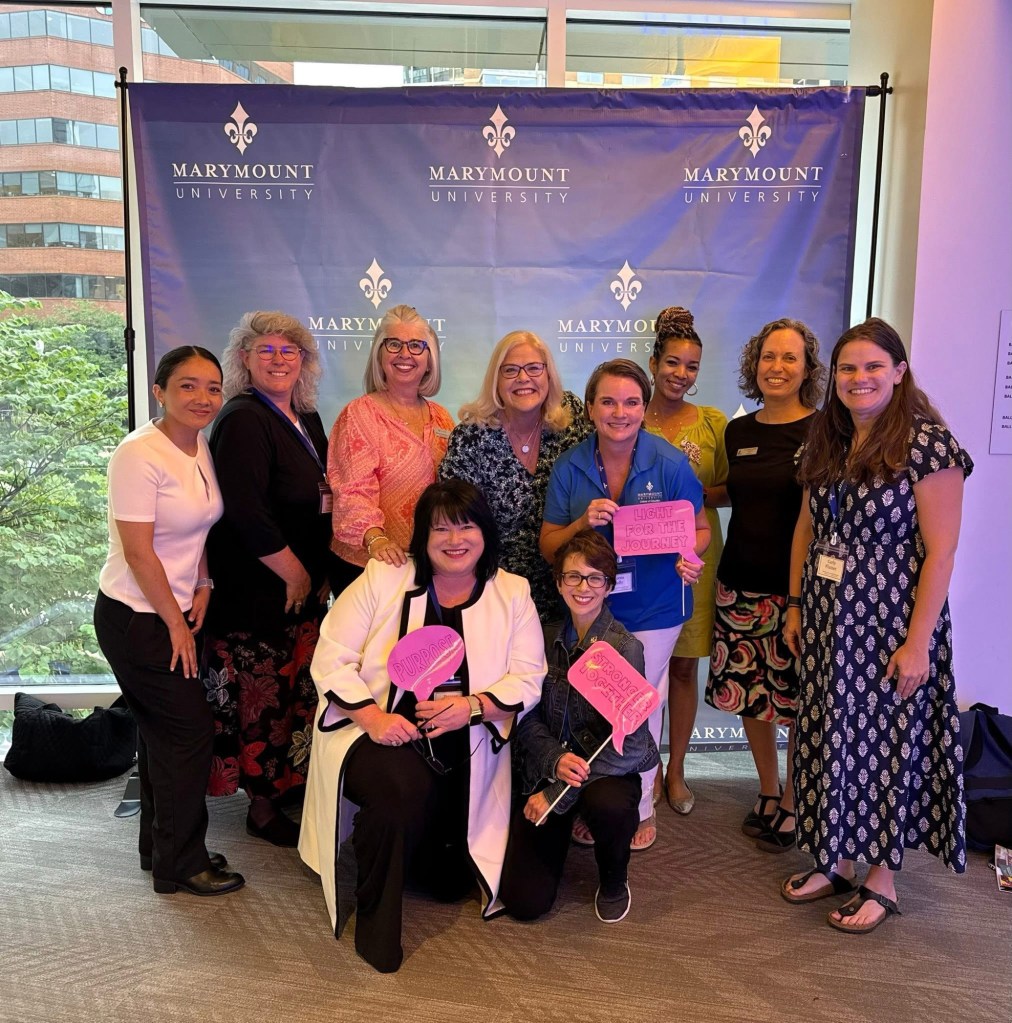
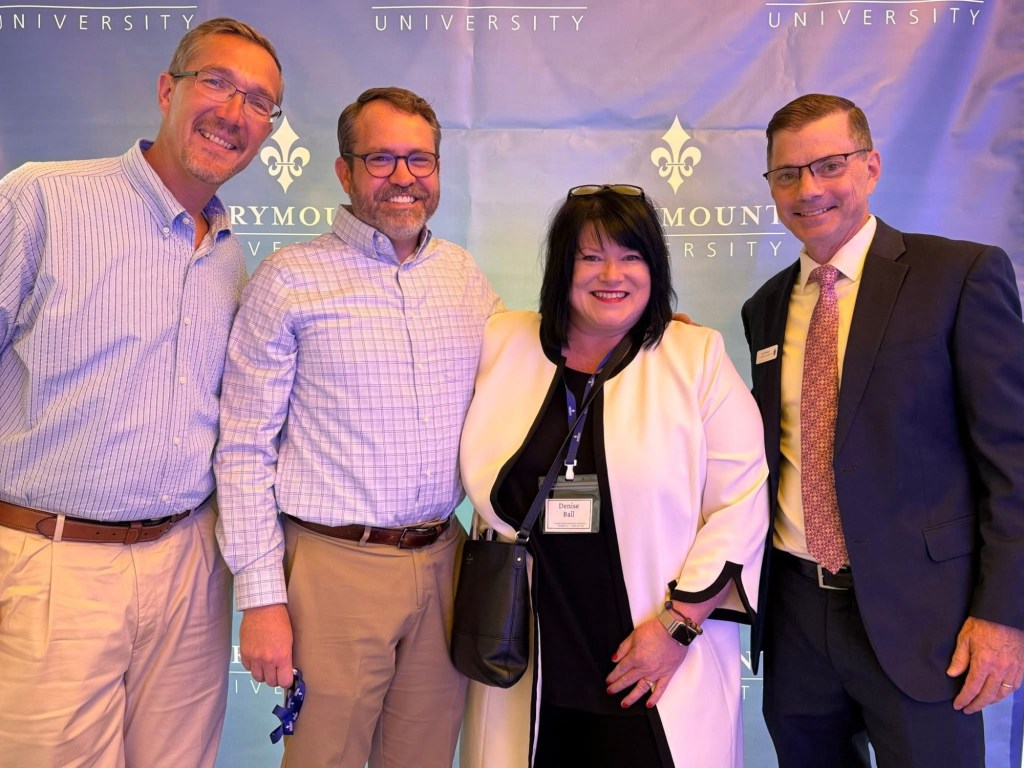
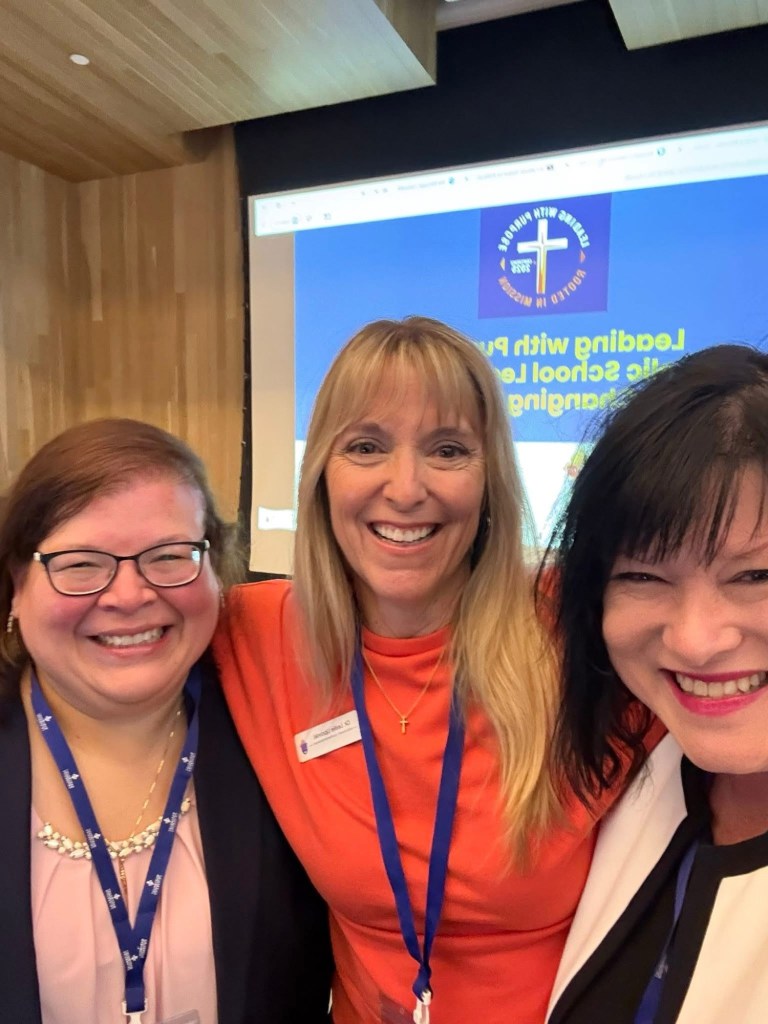
Marymount University Regional Catholic School Leadership Conference
Creating Leadership Pathways
Retention is closely tied to growth. Universities can partner with school systems to build leadership pipelines, offering graduate programs, certifications, and cohort models that empower teachers to see a future within the profession. When educators can envision their next step, they are more likely to stay (Ingersoll et al., 2018).
Embedding Research into Practice
Strong partnerships allow schools to serve as living laboratories where research informs practice and practice refines research. Whether through action research, dissertation collaboration, or pilot programs, teachers feel valued when their experiences contribute to broader learning and improvement (Coburn & Penuel, 2016).
Expanding the Teacher Pipeline with Purpose
Through intentional clinical experiences, residency models, and targeted recruitment efforts, universities can help schools attract candidates who are not only qualified but mission-aligned. This alignment is essential across all educational governance models, where purpose plays a central role in retention (Guha et al., 2016).
Supporting Educator Well-Being and Belonging
Teachers stay where they feel seen, supported, and connected. Universities can contribute by integrating social-emotional learning, reflective practice, and community-building strategies into both pre-service and in-service programming. Research consistently shows that school culture, trust, and collective efficacy are key drivers of teacher retention (Kraft et al., 2016). I am very passionate about this topic and my research highlights the central role of school climate, leadership, and relational trust in shaping teachers’ decisions to remain in the profession (Ball, 2023).
The most impactful university partnerships are grounded in a shared belief: that supporting teachers is not the responsibility of one institution, but a collective commitment.
When school systems and universities work together with intention, we begin to see action to impact. Professional learning becomes more meaningful, leadership becomes more distributed, and culture becomes more supportive. Most importantly, teachers begin to experience what so many are seeking: a sense of purpose, growth, and belonging within their schools.
For educational leaders, the invitation is clear: lean into these partnerships. Invite universities to the table not just as providers, but as collaborators. Share your challenges openly, co-create solutions, and build meaningful and impactful frameworks not one-time supports.
When we strengthen the bridge between universities and schools, we are not just preparing teachers, we are sustaining them.
At the heart of this work is a simple but powerful truth…we can do more for our teachers when we do it together. The challenges facing education today call us to think beyond traditional structures and lean into the strength of collective impact. By partnering with universities and trusted vendor partners, we open the door to innovative, responsive solutions that better meet the needs of our educators. More importantly, these partnerships allow us to visibly and authentically demonstrate our gratitude for teachers, thankful for their dedication, their resilience, and their daily commitment to shaping the lives of the students entrusted to their care.
When educators feel supported not just by their school, but by a broader community working on their behalf, we move closer to building the kind of sustainable, mission-driven environments where teachers choose to stay and thrive.
Coburn, C. E., & Penuel, W. R. (2016). Research–practice partnerships in education: Outcomes, dynamics, and open questions. Educational Researcher, 45(1), 48–54. https://doi.org/10.3102/0013189X16631750
Desimone, L. M., & Garet, M. S. (2015). Best practices in teachers’ professional development in the United States. Psychology, Society, & Education, 7(3), 252–263. https://doi.org/10.25115/psye.v7i3.515
Guha, R., Hyler, M. E., & Darling-Hammond, L. (2016). The teacher residency: An innovative model for preparing teachers. Learning Policy Institute.
Ingersoll, R. M., Merrill, L., Stuckey, D., & Collins, G. (2018). Seven trends: The transformation of the teaching force. Consortium for Policy Research in Education.
Ingersoll, R. M., & Strong, M. (2011). The impact of induction and mentoring programs for beginning teachers: A critical review of the research. Review of Educational Research, 81(2), 201–233. https://doi.org/10.3102/003465431140
Figure 1: Created by Denise Ball in Collaboration with Dall-E, 2024.
A positive learning environment contributes to improved academic performance, and greater student engagement (Aldridge & McChesney, 2018). It is an essential reminder that as K-12 educators, we are called to develop the minds of students, helping build a framework to embrace critical thinking and learn how to focus inquiry and imagination to solve problems that just one day might help the betterment of mankind. As educators, we develop classrooms to foster creative thought and model in word and action what it looks like to be kind, to show tolerance, compassion, forgiveness, and mercy. What an awesome responsibility we take on when we choose to make a difference in the classroom for the students placed in our care.
In a world that can often promote chaos, our classroom and school environments must be one of safety and peace. Classrooms that prioritize emotional safety and inclusion help students build resilience and improve their academic skills (Ryzin, Roseth, & Biglan, 2020). Classroom environments that are supportive and structured promote not only academic success but also social and emotional development in students Quinn, 2017). As we walk through the presidential voting season, we must remember that parents are the first teachers of their children. The political season can be one of intense emotion. However, as educators, we do not embrace the emotion or give in to the chaos of the world. Instead, we focus on creating and modeling positive learning environments for our students, parents, and co-workers. Teachers who create a positive classroom environment by fostering respect, collaboration, and support tend to see higher levels of student engagement and achievement (Havik & Westergard, 2020).
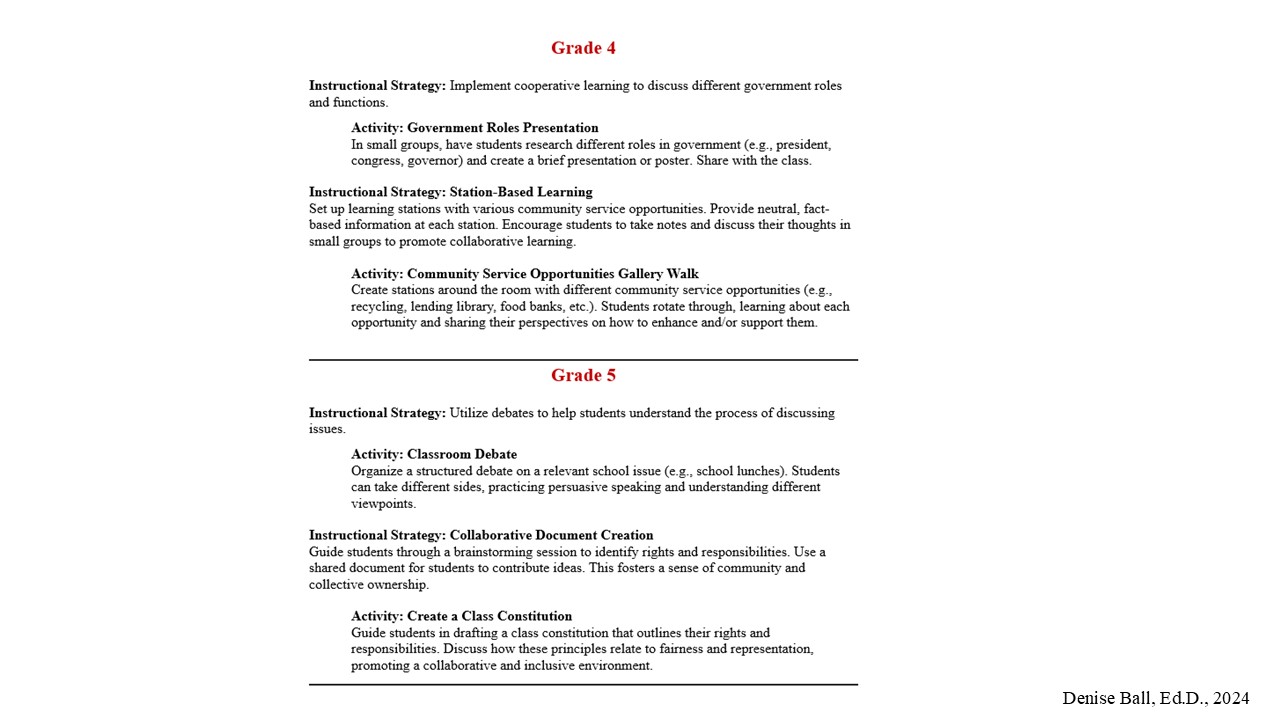
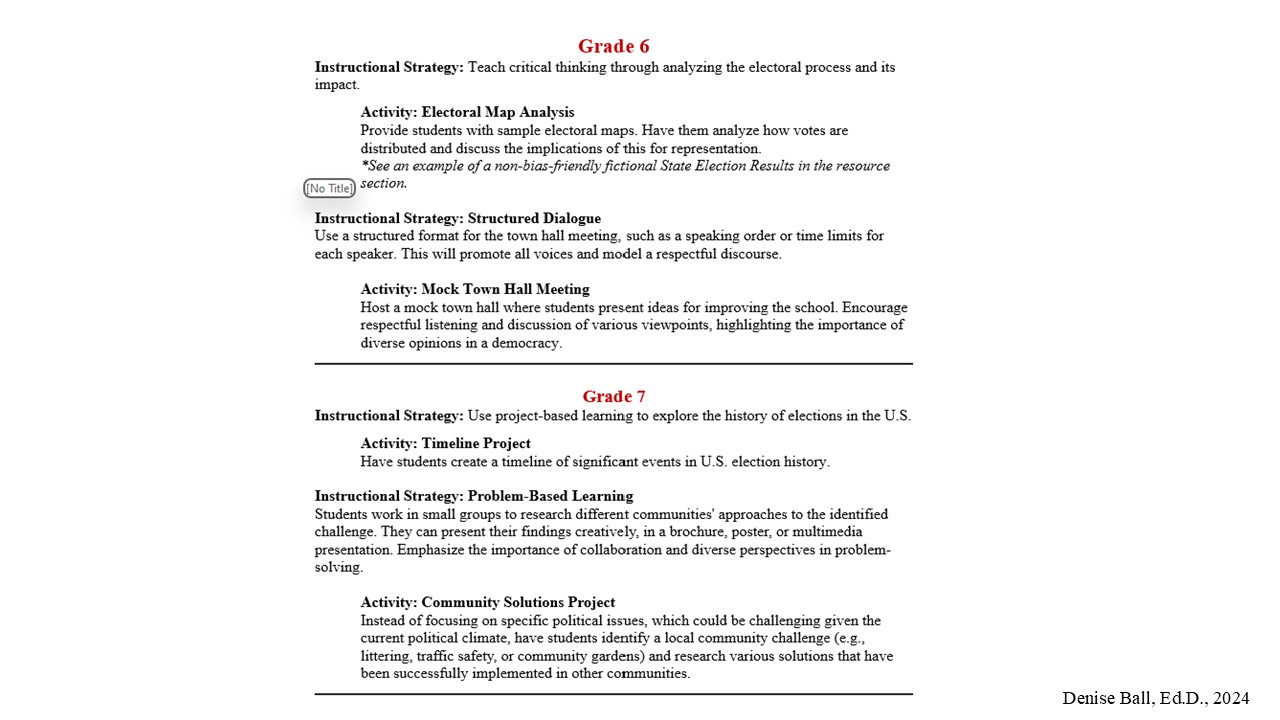
I have provided below some recommended non-partisan activities for students to help develop and promote critical thinking, and engage in learning about the electoral process while fostering a sense of civic responsibility without the emotional weight of real-world politics.
For all those who have chosen education as a career, thank you. You make a difference!
May we continue to seek knowledge in all things,
Denise
References
Aldridge, J. M., & McChesney, K. (2018). The relationships between school climate and adolescent mental health and wellbeing: A systematic literature review. International Journal of Educational Research, 88, 121-145.
Havik, T., & Westergard, E. (2020). Do teachers matter? students’ perceptions of classroom interactions and student engagement. Scandinavian Journal of Educational Research, 64(4), 488-507.
Quin, D. (2017). Longitudinal and contextual associations between teacher-student relationships and student engagement: A systematic review. Review of Educational Research, 87(2), 345-387.
Van Ryzin, M. J., Roseth, C. J., & Biglan, A. (2020). Mediators of effects of cooperative learning on prosocial behavior in middle school. Journal of Applied Developmental Psychology, 66, 101084.
As I reflect on the 2022-23 school year, I am so proud of the school leaders and teachers I serve. This was a year of not getting back to normal but developing a new framework to meet the needs of students and school communities. In the midst of a society inundated with negativity and despair, teachers and school leaders are called to be beacons of hope. Recognizing the importance of professional development, I had the privilege of attending a conference that not only inspired and renewed educators but also provided invaluable strategies and best practices. The NCEA Conference held in Texas last April brought together teachers from all over the United States, fostering an environment of excitement and growth.
Building Hope and Inspiring Change
As teachers, we hold a remarkable responsibility in shaping the leaders of tomorrow and influencing the future of society. The conference was a testament to the commitment of educators who understand the importance of their role. It was truly inspiring to witness thousands of teachers gathering in one place, united by their passion for education. Laughter filled the air as teachers immersed themselves in sessions, eagerly absorbing new knowledge and revisiting proven strategies. The energy and enthusiasm that emanated from the event were a testament to the collective dedication of educators to their craft and the need for educators to have opportunities to come together to share ideas and collaborate.
Renewing Spirit and Cultivating Excellence
Professional development plays a vital role in empowering teachers to be the best versions of themselves in the classroom. The conference provided a platform for educators to reflect, rejuvenate, and gather the necessary tools to establish a positive school culture. It allowed school leaders to introspect and equip themselves with the skills required to support and uplift their teaching staff. By embracing this opportunity for growth and renewal, educators could enhance the educational experience for their students.
Noteworthy Vendors
Numerous vendors contributed to the success of the conference by offering their expertise and resources. Here are some vendors whose offerings caught my attention:
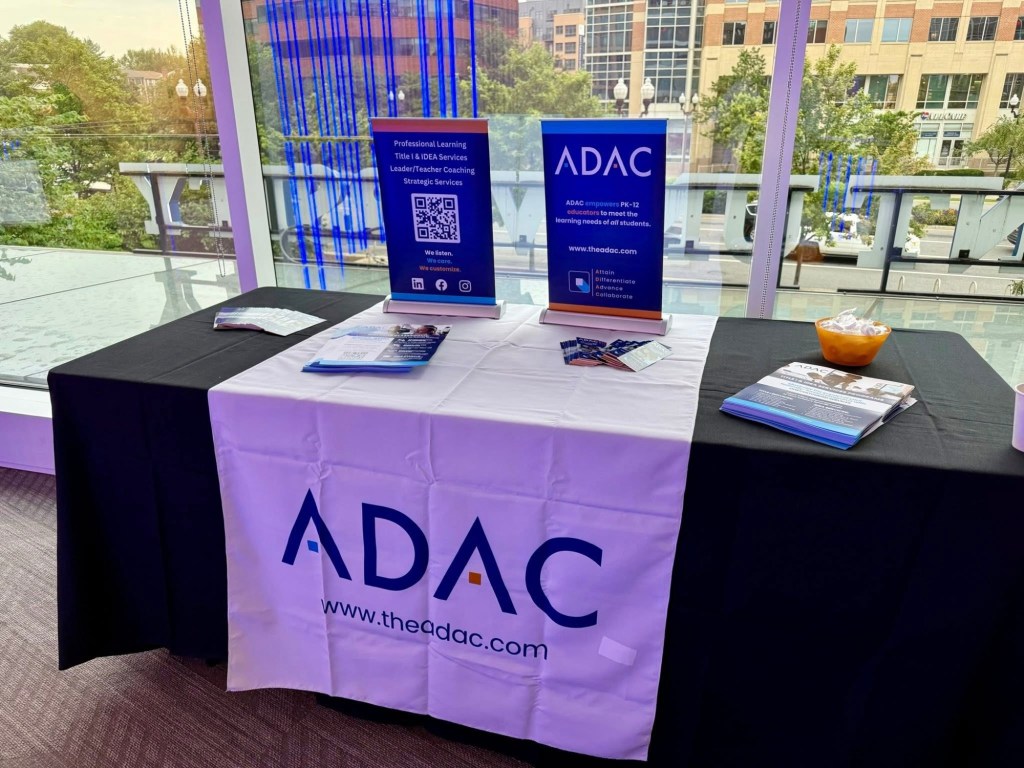
ADAC – Professional Development Specialists (www.theadac.com):
ADAC specializes in providing professional development services to educators. Their workshops and training sessions offer valuable insights and strategies that enhance teaching practices and student engagement. By investing in continuous professional development, teachers can evolve their instructional methods and inspire their students.
Little Linguist Art Academy (info@littlelinguistics.com):
Little Linguist Art Academy offers a unique approach to language learning through artistic expression. By combining language acquisition and creative activities, they provide an engaging and immersive learning experience for students. Their programs help foster a love for languages and encourage students to explore their creative talents.
Silent Auction Pro (www.SilentAuctionPro.com):
Silent Auction Pro offers comprehensive software solutions for organizing and managing fundraising events. With their user-friendly platform, schools can streamline the process of conducting silent auctions, thereby maximizing their fundraising potential. This resource can significantly benefit schools looking to generate funds for various educational initiatives.
Loyola Press (www.loyolapress.com):
Loyola Press is a renowned publisher specializing in educational materials, particularly in the field of Catholic education. Their resources include textbooks, teaching aids, and faith formation materials. By providing comprehensive and high-quality materials, Loyola Press supports educators in delivering an enriching and value-based education to their students.
National Catholic Education Association (NCEA)-www.ncea.org
COGNIA-www.cognia.org
Sadlier-www.sadlier.com (Vocabulary and Writing Resources for K-12)
Attending the NCEA Conference was a truly transformative experience. Witnessing the dedication and passion of educators from across the nation served as a powerful reminder of the profound impact we can have on our students and society as a whole. The conference provided an opportunity to learn from industry experts, exchange ideas with fellow educators, and explore innovative resources offered by exceptional vendors.
As we approach the summer break, let us be inspired to build a framework for the upcoming school year that plants seeds of hope and fosters a love for learning among our students. May school leaders also reflect and renew their commitment to supporting their teachers in establishing a positive school culture and establish routines and traditions to help establish a dynamic team, thereby enhancing the educational experience for all students.
May we continue to seek knowledge in all things~
Denise
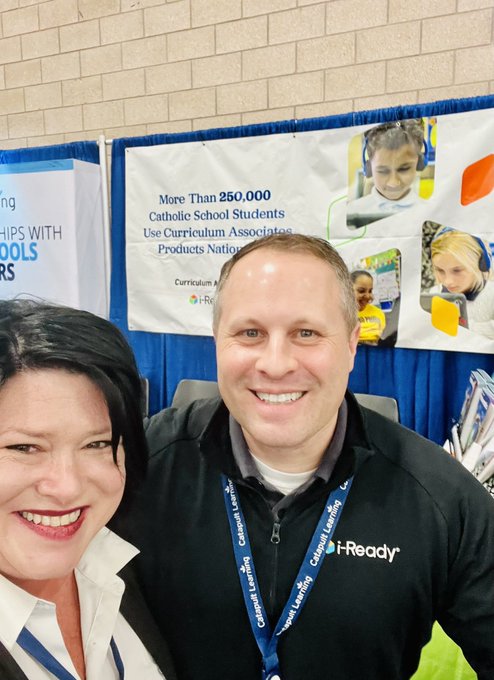
McGraw Hill Education Wonderful teachers I met at the conference who traveled from Belize.Curriculum AssociatesFr. John Belomonte, S.J. (Diocese of Venice)ADW School Leaders-Principal Erin Meunier was a presenter.
As of June 2023, this blog has had over 1 million views, thank you! I am in the final stages of conducting my research for my dissertation and I appreciate the kind messages of inspiration sent. This platform was created in 2012 to share the good in education. Please feel free to share what inspired you this year. Sharing the good is synergistic and good for us all!
May we continue to seek knowledge in all things~
Denise
August 2020
Thank you to the 580K+ visitors to this blog. This blog is a creative way I use to share the good I see and find. Once I defend my dissertation and earn my doctorate, I hope to spend more time sharing the best practices that readers share with me. I appreciate the teachers and educational leaders that share tips and recommendations they find helpful in the classroom, school or district they serve. Thank you to the parents who leave comments and suggestions too.
When we train our eyes to see the good, we can do ANYTHING!
It is that busy time of year where classroom instruction seems to fly by and engaging students of all ages can be challenging. Exhale and know that you are making a difference. Intentional planning can really help maintain the calm in the classroom these last few weeks leading up to the holiday break.
For those looking to enhance their students’ reading surrounding this season, I thought I would share this great website that offers a comprehensive list of recommended Christmas Novels and Short Stories .
I love to share the good when and where I find it!
We would love to have educators join the conversation on Monday, January 8th at 7 PM for the Archdiocese of Baltimore Catholic Schools premiere Twitter edChat. We will be discussing student service learning with guest, Friar Matt Foley! #ShareTheGood #AOBCatholicSchools #RiseAbove
Many students have 4-6 weeks off of school between June and September. Students are “scheduled” during the school year and do need “down” time. However, given our informational age, letting our brains pause for too long could have negative effects too, especially in regards to math. Learning is all about the lens we choose to view it in…let us promote learning as a fun, year-long, life-long process. Encouraging those around us of any age, to get excited about reviewing our knowledge or learning something new. Having the ability to learn is a gift, and is something that should be celebrated.
For summer introduction, practice, mastery or review these sites are a good place for students in grades K-12 to explore mathematic concepts. I have also recommended these sites as homework resources too.
Enjoy the fun and challenges of mathematics. Students can click on “Homework Help” or “Games and Interactives” to review math concepts and skills. This site offers resources to help students master the basics of mathematics of numbers and number operations. Videos and tutorials explain basic operations and help with the mastery of math skills in addition, subtraction, multiplication, and division–essential building blocks for success in mathematics.
Mini math instructional videos that cover a wide array of math concepts. Parents/students can personalize learning by setting up a free online classroom.
The six simple rules provided by Dr. Ramsey, are simplistic in nature and effective if remembered by educational leaders when looking to develop and implement “in the name of children”. I believe that to be an effective leader in education, we must remember our customer is not only the child but our parents. Parents, who have a voice and could choose any school. Given the many varied school options available today, what makes your school the best choice for their child? Parents are looking for a collaborator, not a dictator or an organization that isolates and creates feelings of inferiority.
From conducting a needs assessment, drafting a strategic plan or developing a backward designed curriculum utilizing a Universal Design Learning mindset, we must always keep the child as center focus. Programs that lose sight of the child have failed before implementation has even begun.
As a principal, I know how “busy” and unexpected a school day can be. However, the reasons why there are so many blogs and books that share best practices and strategies for principals and educational leaders alike to get out of their offices and into the classrooms, is because we all at one point or another get stuck behind our desks attending necessary managerial tasks and we need to be reminded that the reason we chose to be a principal in the first place was to be change agents for children and a champion of teachers!
It is so important to remember the “why”! We cannot allow ourselves to get caught up in the tasks at hand but read and research that strategy that will work best for us to spend that necessary time in the classroom seeing learning in action on the part of both student and teacher.
We cannot discount the importance placed on the positive development and cultivation of a healthy team of faculty and staff. A healthy and effective faculty and staff are crucial in the development of our future, so it is essential that we as educational leaders get up, get moving and motivate, lead and develop our teams.
As second semester begins for many of us around the world, I encourage you in 2017 to seek out new ways to tell your faculty and staff, “good job” or “this needs some attention for the sake of our children and all those placed in our care.”
Be the educational leader you wanted to be when you first said, “YES” to the opportunity.
Seek to be the difference in the lives of the children, parents, faculty and staff placed in your care. When we choose to be and see the good, it is simply life changing.
6 RULES FOR PRINCIPALS
By Robert Ramsey, Ed.D
Rule 1: Listen to parents; they are the kid’s first teachers.
Rule 2: If it’s good for kids, it’s good.
Rule 3: If there’s NO fun, there’s not much lasting learning happening either.
Rule 4: Kids are more importantthan teachers.
Rule 5: Teachers are more importantthan principals.
Rule 6: Principals are ONLY important if they HELP kids and teachers.
Vendor Partner Middle School Mindset Portfolio of Services
The Middle School Mindset Portfolio of Services represents a unique national collaboration between: ADAC | William H. Sadlier | Friendzy | Archangel Education & Technology. An à la carte portfolio of resources.
ADAC, Inc.
ADAC partners with PK–12 schools, systems, and networks nationwide to help educators and leaders confidently meet the needs of every student.
Friendzy, Co.
An effective curriculum that teaches a new generation of students character development skills.
Curriculum Associates
Together with one million educators, we’re connecting every part of learning—from assessment to instruction, data to discovery—to empower classrooms and communities to thrive.
Archangel Education & Technology
Archangel brings a human touch to technology, blending passion, deep expertise, and a strong community focus to enrich educational experiences.
William H. Sadlier
Core and supplemental math programs teach the essentials students will use the rest of their academic and professional lives.
National Standards in Gifted and Talented Education
Standards provide a foundation for the policies, rules, and procedures necessary to deliver high-quality, systematic programs and services for high-ability students. Guidance and framework resources.
Standards and Assessments
Raising academic standards for all students and measuring student achievement to hold schools accountable for educational progress are central strategies for promoting educational excellence and equity in our Nation’s schools.
Odyssey of the Mind
An international educational program that provides creative problem-solving opportunities for students from kindergarten through college.
Math Chimps
Great online math games aligned to the Common Core State Standards~for ages 4-16
Team Building and Problem-Solving Strategies for the Classroom
Odyssey of the Mind
An international educational program that provides creative problem-solving opportunities for students from kindergarten through college.
Websites with Games and Activities Created by Authors
Oceanhouse Media
Great educational book apps and so much more. Check out often for FREE downloads to help your child learn letters, phonics & math!










 Many students have 4-6 weeks off of school between June and September. Students are “scheduled” during the school year and do need “down” time. However, given our informational age, letting our brains pause for too long could have negative effects too, especially in regards to math. Learning is all about the lens we choose to view it in…let us promote learning as a fun, year-long, life-long process. Encouraging those around us of any age, to get excited about reviewing our knowledge or learning something new. Having the ability to learn is a gift, and is something that should be celebrated.