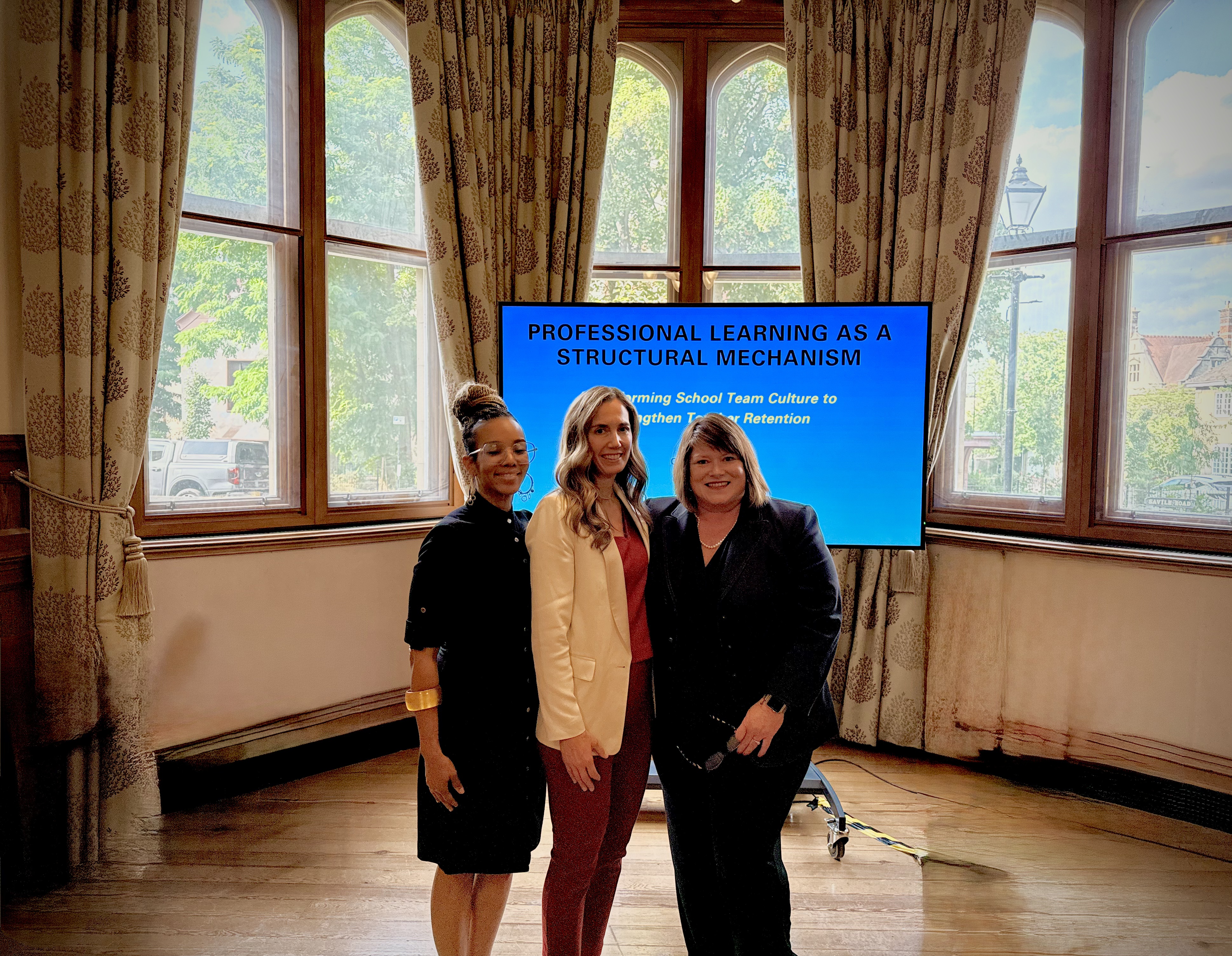

Blackaby (2015) reminds us that a positive school culture begins with a service-oriented mindset. Leaders must build a clear vision of the kind of school environment they want to cultivate for teachers, students, and families. Building a strong team and a positive school culture requires shared leadership, collaboration, and a focus on teacher well-being.
School leaders must be present and care enough to listen and enter the difficult conversation(s). Joy must be modeled by the school leader in both word and action…it is synergistic and transformative for a school team and a school campus/community. At the heart of teacher retention lies a simple but profound truth—joy!
As educational leaders, we must be builders and distributors of joy, creating school cultures where educators are not just sustained but inspired. Joy is not just an outcome of a thriving school environment, it is the very foundation upon which leadership, professional learning, culture, and a positive school team interconnect and strengthen one another.
When leaders cultivate environments where teachers feel valued, when professional learning is meaningful and collaborative, when school culture is intentionally shaped with positivity and respect, and when teams work together with a shared purpose, joy emerges.
The discussion on teacher retention was important pre-COVID and is essential post the pandemic when many teachers are still struggling. Teachers need to pause and take the time to reflect and acknowledge the work it took to walk through that period, celebrate the amazing things that occurred due to their hard work and service to others, so they can close the chapter and get back to the joy of education that attracted them to the profession in the first place.
The conversation on teacher retention and the importance of school leadership and a positive school culture continues…
Life moves fast, and our children grow even faster. But no matter how busy our schedules get or how far apart we are, there’s always time to be present for them.
This morning FaceTime call with my sweet Claire is a reminder that love isn’t bound by location—it thrives in the little moments, the shared smiles, and the simple “I love yous.”
So, take the call. Send the text. Be there. Life is a short journey—choose to live it!
Teacher retention is not just a policy issue, it is a deeply personal one. Behind every statistic is a teacher who has dedicated their time, energy, and heart to shaping the next generation. The reasons educators stay or leave are complex, intertwined with school culture, leadership, and professional fulfillment. The most effective way to address teacher retention is simple yet profound: we must listen.
As school leaders, we have an obligation to understand the realities our teachers face, to hear their challenges, and to amplify their successes. Listening is not just a courtesy, it is a leadership strategy. When teachers feel valued, heard, and supported, they are more likely to stay and thrive.
It was an incredible honor to be invited to lead a discussion on teacher retention as part of the ADAC Answers series. With over 240 school leaders from 40 states and the District of Columbia, registered and representing public, private, faith-based, and international schools. These leaders represented approximately 34,000 teachers and 370,000 students. This conversation reflects a national and global commitment to addressing one of the most pressing challenges in education today.
Bringing together diverse voices across governance models allows us to see the common threads in teacher retention and explore meaningful, research-based solutions. Whether it is mentorship programs, school climate initiatives, or leadership development, the strategies we discussed are not just theories, they are actionable pathways to strengthening our schools from within.
I am grateful for the opportunity to engage in this dialogue and to learn from the experiences of so many dedicated leaders. The work of teacher retention is ongoing, but together, through thoughtful leadership and a commitment to listening, we can make a lasting impact.
If you were unable to join yesterday, you can watch the full recording on ADAC’s Video Resources page.
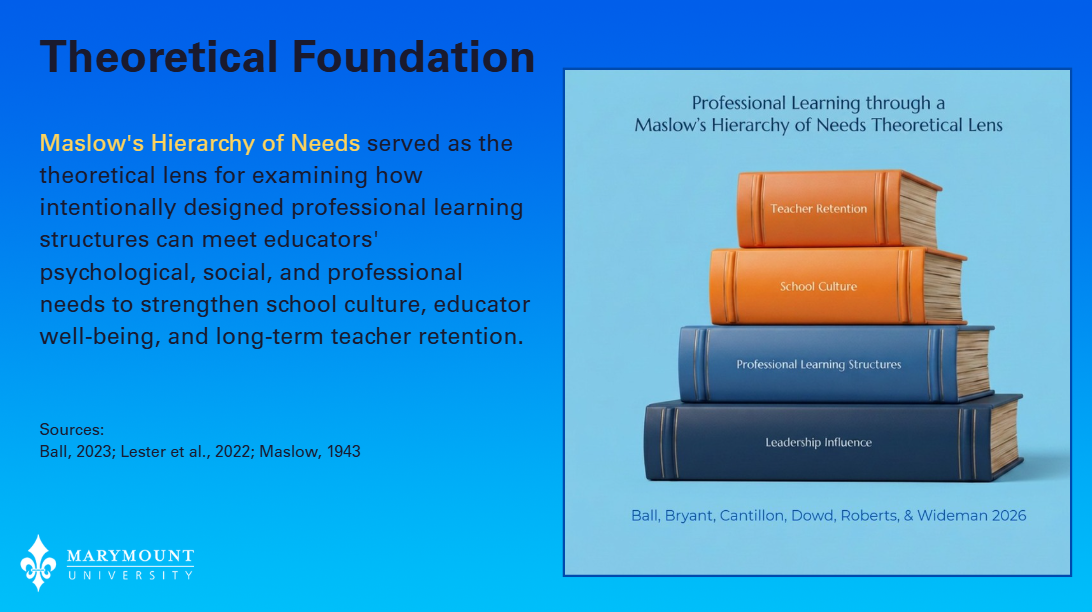
Figure 1: Created by Denise Ball in Collaboration with Dall-E, 2024.
A positive learning environment contributes to improved academic performance, and greater student engagement (Aldridge & McChesney, 2018). It is an essential reminder that as K-12 educators, we are called to develop the minds of students, helping build a framework to embrace critical thinking and learn how to focus inquiry and imagination to solve problems that just one day might help the betterment of mankind. As educators, we develop classrooms to foster creative thought and model in word and action what it looks like to be kind, to show tolerance, compassion, forgiveness, and mercy. What an awesome responsibility we take on when we choose to make a difference in the classroom for the students placed in our care.
In a world that can often promote chaos, our classroom and school environments must be one of safety and peace. Classrooms that prioritize emotional safety and inclusion help students build resilience and improve their academic skills (Ryzin, Roseth, & Biglan, 2020). Classroom environments that are supportive and structured promote not only academic success but also social and emotional development in students Quinn, 2017). As we walk through the presidential voting season, we must remember that parents are the first teachers of their children. The political season can be one of intense emotion. However, as educators, we do not embrace the emotion or give in to the chaos of the world. Instead, we focus on creating and modeling positive learning environments for our students, parents, and co-workers. Teachers who create a positive classroom environment by fostering respect, collaboration, and support tend to see higher levels of student engagement and achievement (Havik & Westergard, 2020).
I have provided below some recommended non-partisan activities for students to help develop and promote critical thinking, and engage in learning about the electoral process while fostering a sense of civic responsibility without the emotional weight of real-world politics.
For all those who have chosen education as a career, thank you. You make a difference!
May we continue to seek knowledge in all things,
Denise
References
Aldridge, J. M., & McChesney, K. (2018). The relationships between school climate and adolescent mental health and wellbeing: A systematic literature review. International Journal of Educational Research, 88, 121-145.
Havik, T., & Westergard, E. (2020). Do teachers matter? students’ perceptions of classroom interactions and student engagement. Scandinavian Journal of Educational Research, 64(4), 488-507.
Quin, D. (2017). Longitudinal and contextual associations between teacher-student relationships and student engagement: A systematic review. Review of Educational Research, 87(2), 345-387.
Van Ryzin, M. J., Roseth, C. J., & Biglan, A. (2020). Mediators of effects of cooperative learning on prosocial behavior in middle school. Journal of Applied Developmental Psychology, 66, 101084.
I believe in sharing the good; words have power. There were so many words of wisdom shared over the last few days, I took pen to paper to capture a few words that spoke to me. I hope they inspire you or encourage reflection as you wrap up the 2023-24 school year. Please refer to the recommended resources for the names of some of the speakers who lit my fuse of curiosity this week. Never forget that to teach is a choice. To lead in education is a choice. The work you choose to do matters! Thank you for saying yes to the call to serve in education…
I found this week so engaging that I needed to pause and reflect to process the many data insights supported by research shared this week. There was such a dynamic cadre of national educational leaders that gathered in Dallas for this well planned and executed event. Many opportunities were provided to listen and discuss data and how to use data to inform decisions that effect student learning outcomes. I have a notebook of takeaways that I will spend some time with over the summer to unpack from attending the Curriculum Associates 5th Annual Ferguson Institute.
Denise Ball, Assistant Superintendent for Teaching and Learning/Lori Chaney, Curriculum Associates, Director of Sales, Mid-Atlantic/Kelly Branaman, Secretary for Catholic Schools and Superintendent of Schools
Key Takeaways:
1. It is important to come together; educating students takes a community.
The power of collaboration in education was a resounding theme at the Ferguson Institute. The diverse perspectives and experiences shared among those present served as a powerful reminder that the education of our students is a collective endeavor, not an individual one.
2. As educational leaders, we need to ensure we are providing teachers with opportunities to create environments where students feel “invited” to learn and that we are embracing and using data across all grade levels.
Creating inviting learning environments is crucial. By leveraging data, we can tailor these environments to meet the needs of every student, fostering an inclusive and supportive atmosphere that encourages engagement and learning.
Hattie, John. “Foster a Learning Culture.” 2024. What Brings You Joy. 5th Annual Ferguson Institute.
3. Remember never to underestimate a student’s potential and that every child is a capable mathematical thinker. Wouldn’t it be amazing if all students believed they were capable mathematical thinkers? Expecting excellence will transform a school culture!
At the heart of our educational mission is the belief in the untapped potential of every student. By fostering a culture of high expectations and support, we can empower our students to see themselves as capable mathematical thinkers, thereby transforming the overall school culture. Embracing this thought process might also require some professional development to ensure your faculty sees a capable mathematical thinker in every student. Let us enter the conversation…
4. Continue to seek to be inspired, encourage one another and the students placed in your care. Do not edit out the innovation; create environments for students and teachers that promote curiosity and inquiry.
Innovation should be at the heart of our educational practices. By nurturing curiosity and inquiry, we can create dynamic learning environments that inspire both teachers and students to explore, experiment, and grow.
Hattie, John. “Students are Engaged in their Learning.” 2024. What Brings You Joy. 5th Annual Ferguson Institute.
5. Building capacity through teaching inference and evaluating the impact is essential.
Teaching inference is essential for developing critical thinking skills. Evaluating the impact of our teaching practices ensures that we are effectively building these capacities in our students and continually improving our methods.
6. Hearing school districts share their data story was inspirational and provided opportunities for rich data dialogue. Hearing that achievement is up half a grade level equivalent in one year was simply a testament that the i-Ready curriculum and assessment resources make a difference!
The success stories shared by various school districts were both inspiring and affirming. The significant improvements in student achievement underscore the effectiveness of the i-Ready curriculum and assessment resources in enhancing educational outcomes.
Sullivan, Mark. Birmingham City Schools. 2024.
7. Curriculum Associates stimulates inquiry…always growing and improving through research and collaboration where speech recognition, Algebra I, and i-Ready Pro initiatives will be student game changers.
Curriculum Associates’ commitment to continuous growth and improvement through research and collaboration is evident in their innovative initiatives. These advancements promise to be transformative for students, particularly in areas like speech recognition and Algebra I.
8. One gold nugget that is life-affirming is to embrace the errors. No one says no to better!
Embracing errors as opportunities for growth is a powerful mindset. It reminds us that continuous improvement is always possible, and every mistake is a step towards betterment.
The world is chaotic, and we are called to be a positive light for the students and parents in our care. We must have courage, and as reflective practitioners, we must remember to reflect often on what brings us joy. Nothing great happens in the absence of enthusiasm. Build that playlist this summer, sing aloud and dance. Get energized to develop a personal and professional framework for greatness for the 2024-25 school year.
I am leaving Dallas and headed back to D.C. with the clear understanding that Curriculum Associates is an organization where everyone believes that every child deserves to be on grade level. It has been an exceptional week, enriched with data discussions with passionate school and district leaders committed to making a difference in a child’s life. I look forward to continuing to unpack all that I learned with my team and the school leaders I serve, strengthening the relationships developed and lessons learned while engaging with data at the 5th Annual Ferguson Institute.
Inspiring Leaders Making a Difference in Education
It is an exciting time, but this season of transition can be chaotic and often stressful for faculty, staff, students, and parents. A little bit of grace this time of year goes a long way.
When I was a school leader, I used to tell my staff that the end of the year was a time for putting on the “red shoes”…making sure to leave home needs at home and embracing each day with purpose; we are called to be the difference. Retention data shows that it is important now more than ever to ensure that all stakeholders end the year on a high note.
A school climate affects teacher satisfaction, morale, and expectations about staying in the profession (Garcia & Weiss, 2019). A high percentage of teachers do not feel appreciated, and this feeling can have an impact on their choice of staying or leaving the classroom. It would be beneficial for society to remember that teaching remains an extraordinarily noble profession with intrinsic rewards that few other disciplines experience (Vocke & Foran, 2017). There are many ways to show teachers support. Below are my five recommended “musts” to finish the school year strong, ensuring teachers feel valued.
Top Five Recommended “Musts” to Ensure Teachers Feel Valued Before the Summer Pause
Handwritten Thank-You Notes: Write personalized notes to each teacher, highlighting specific contributions and expressing sincere gratitude. Encourage faculty and staff to write anonymous notes to one another. Positive energy is synergistic!
Public Acknowledgment: Use school newsletters, social media, and assemblies to publicly recognize and celebrate teachers’ achievements and dedication. Use these last few weeks of school to promote and share the good that has happened on your school campus. Sharing the good can change a school’s culture.
Classroom Resources: Provide teachers with additional resources or gift cards for classroom supplies as a token of appreciation and to ease their financial burden as they begin to plan this summer for the upcoming school year.
Professional Development Stipends: Offer a stipend or provide a gift card for summer professional development courses, or educational reading materials, indicating investment in their continued growth.
End-of-Year Celebration: Host a celebratory event to honor teachers’ hard work and achievements throughout the year. Include awards or small gifts to show appreciation. Have a discussion on the theme for the upcoming school year to help give direction (which will reduce stress) in helping teachers plan over the summer.
Give your team permission to put an “out of office” message on their email for a period of time to spend with family and friends, recharging so they can be all they are called to be for the upcoming school year. Building in a “time to pause” into one’s daily schedule, will allow teachers to come back to campus more creative, energized, and ready to accomplish team initiatives for the new school year.
Photo Credit: Anna Quattrone, Director of Marketing and Enrollment
Ultimately, it is essential to never underestimate the importance on greeting your faculty and staff as they begin the school day, providing an encouraging word or smile, and making sure your team members feel seen and heard. Teachers choose to serve in schools where they feel welcomed and appreciated.
Regardless of the time of year, it is always a good idea to thank a teacher for choosing to teach!
May the last few weeks of school be filled with joy and peace!
Denise
Denise Ball, Ed.D.
Recommended Reading
Carver-Thomas, D., & Darling-Hammond, L. (2019). “The Trouble with Teacher Turnover: How Teacher Attrition Affects Students and Schools.” Education Policy Analysis Archives, 27(36).
Kraft, M. A., Papay, J. P., Charner-Laird, M., Johnson, S. M., Ng, M., & Reinhorn, S. K. (2020). “Educator Work Environments and Teacher Effectiveness: A Two-Year Longitudinal Study of Teaching Assignments.” Educational Evaluation and Policy Analysis, 42(3), 436-460.
Podolsky, A., Kini, T., Bishop, J., & Darling-Hammond, L. (2019). “Strategies for Attracting and Retaining Educators: What Does the Evidence Say?” Education Policy Analysis Archives, 27(38).
In the midst of teacher discernment, where educators contemplate the decision to stay or leave the classroom at the end of the school year, the role of school leaders becomes pivotal in shaping the trajectory of teacher retention. Investing time in building and maintaining a positive school culture emerges as a crucial strategy for retaining teachers. The impact of teachers on society is emphasized in research, underscoring the need for schools to promote this message as part of their teacher retention efforts (Dutta & Sahney, 2016). Examining the interconnected dynamics of climate, teacher retention, and the leadership’s role in fostering a positive environment is paramount.
Studies, such as those conducted by Malinen & Savalainen (2016), highlight the significant influence of a teacher’s perceived school climate on job satisfaction, burnout, and self-efficacy. The pervasive issue of teacher stress, compounded by the challenges of the pandemic, further emphasizes the importance of a positive school climate in contributing to teachers’ mental health and overall well-being (Gray et al., 2017; Alexander et al., 2020). As teachers grapple with physical and emotional burnout, creating a supportive and positive work environment becomes imperative for retention and education’s overall effectiveness.
The National School Climate Center (2019) defines a school’s climate as the quality and character of school life, reinforcing the idea that schools are mirrors of the societal landscape (Katz & Donohoo, 2022). In the wake of the COVID-19 pandemic, the American Psychological Association advocates for reflection on the psychological factors at play in education (Bouffard, 2022). Encouraging curiosity and fostering inclusive school climates that respect diverse voices and viewpoints are suggested strategies for school leaders to navigate the complexities teachers face (Bouffard, 2022). As a member of a team that serves in schools, how do you contribute to providing and enhancing the positive energy in your school that is essential for student learning? A smile and a kind word go a long way!
Educational leaders play a pivotal role in improving school climate by maximizing the school team and community attributes (Hu et al., 2019). The polarization and division in society, as evidenced by recent Pew Research Center studies (Dimock & Wike, 2021), contribute to the challenges teachers encounter. Therefore, understanding and addressing these external factors become integral to the school’s overall climate and teacher retention efforts.
As we navigate changes in education, it is crucial for educational leaders to listen attentively to educators’ concerns about their working conditions (Goldstein, 2019). Supporting current educators is not only an immediate necessity but also serves as a vital stopgap in retaining qualified professionals within our schools.
The investment in a positive school culture by school leaders is not merely an option but a strategic imperative for addressing the multifaceted challenges faced by teachers contemplating their continued commitment to remain in the classroom or the profession as a whole. Creating an environment where respect, encouragement, learning, and curiosity are practiced in words and action is synergistic.
When we train our eyes to see the good, amazing things happen…may we strive to CHOOSE to share the good!
May we continue to seek knowledge in all things~
Denise
Author’s Note: This blog post uses direct excerpts from an original dissertation publication in its entirety. Please use the following citation when referencing this work:
Gray, C., Wilcox, G., & Nordstokke, D. (2017). Teacher mental health, school climate, inclusive education, and student learning: A review. Canadian Psychology, 58(3), 203-210.
Hu, B., Li, Y., Wang, C, Reynolds, B. & Wang, S. (2019). The relation between school climate and preschool teacher stress: The mediating role of teachers’ self-efficacy. Journal of Educational Administration, 57(6).
Katz, S. & Donohoo, J. (2022). How to achieve collective efficacy in time of division. The
Learning Professional, 43 (2), 20-23
Malinen, O. & Savalainen, H. (2016). The effect of perceived school climate and teacher efficacy in behavior management on job satisfaction and burnout: A longitudinal study. Teaching and Teacher Education, 60, 144-152.
Author’s Note: This blog post uses direct excerpts from an original dissertation publication in its entirety. Please use the following citation when referencing this work:
Positive teacher-student relationships are invaluable, leaving a lasting impact on the social, emotional, and academic growth of young individuals (National Center on Safe and Supportive Learning Environments, 2023). The significance of these connections became even more apparent during a recent Christmas tree decorating tradition with my adult, college-age children. As they carefully placed each ornament, I paused to listen, as the room echoed with stories from their school days – tales of teachers, friends, and the memories encapsulated in each unique ornament. Through the laughter and sharing of these special memories, I was reminded on the profound role educators play in shaping the narrative of a child’s life.
Listening to my children reminisce about the ornaments and share their favorite memories of teachers, I couldn’t help but feel a deep sense of gratitude for the dedicated educators who had left an indelible mark on their lives. The seemingly simple ornaments became cherished treasures, representing the countless hours teachers invest in lesson planning and the thoughtful crafting of activities to impart values of faith, family, and tradition. These efforts, though perhaps overlooked in the moment, plant seeds of lasting memories that endure far beyond the classroom.
In my own educational journey, I’ve been fortunate to collaborate with remarkable educators. As both a mother and a colleague, I extend heartfelt appreciation to all those who choose to serve in the classroom. Your commitment and passion make a profound difference in the lives of the students and parents entrusted to your care.
YOU make a difference and the seeds you plant today continue to grow for a lifetime…thank you!
The journey of earning my doctorate degree in education has been nothing short of an awe-inspiring experience. The countless hours of research, the rigorous academic challenges, and the camaraderie with fellow scholars have collectively shaped me into a more knowledgeable and resilient individual. The process of delving deep into the intricacies of educational theory and practice has not only expanded my intellectual horizons but has also instilled in me a profound passion for enhancing the educational landscape. I have served in education for the last 26 years, inspired by many teachers and school leaders. This has been a life-long goal and I am so grateful for all the support and words of encouragement along the way.
As I reflect on this transformative journey, I am filled with a sense of accomplishment and anticipation for the next phase of my academic endeavor. Armed with a wealth of knowledge and a heightened understanding of educational methodologies, I am excited to transition into the role of a contributor, researcher, and advocate for improved learning experiences. The prospect of engaging in meaningful research and writing to share innovative ways to enhance the educational journey for both students and teachers fuels my enthusiasm. This next phase represents an opportunity to bridge the gap between theory and practice, translating academic insights into actionable strategies that can positively impact classrooms and educational institutions.
My doctoral journey has equipped me not only with a scholarly mindset but also with a deep sense of responsibility to make a meaningful contribution to the field of education. I am eager to continue to collaborate with like-minded individuals, educators, and institutions to implement evidence-based practices that can foster a more enriching and effective learning environment. As I embark on this new chapter, I am motivated by the belief that education is a powerful catalyst for positive change, and I am committed to playing an active role in shaping a future where learning is an inspiring and transformative experience for all involved. If you are in that phase of discernment about whether to work towards earning a doctorate degree in education, be encouraged that you can make a difference and your voice is needed in education.
A special thank you to Liberty University for having a financially supportive program for veterans, allowing me to embark on this very fulfilling journey.
Improving Teacher Retention Within the Archdiocese of Washington Dissertation-https://digitalcommons.liberty.edu/doctoral/5006/
May we all continue to seek knowledge in all things,
As I reflect on the 2022-23 school year, I am so proud of the school leaders and teachers I serve. This was a year of not getting back to normal but developing a new framework to meet the needs of students and school communities. In the midst of a society inundated with negativity and despair, teachers and school leaders are called to be beacons of hope. Recognizing the importance of professional development, I had the privilege of attending a conference that not only inspired and renewed educators but also provided invaluable strategies and best practices. The NCEA Conference held in Texas last April brought together teachers from all over the United States, fostering an environment of excitement and growth.
Building Hope and Inspiring Change
As teachers, we hold a remarkable responsibility in shaping the leaders of tomorrow and influencing the future of society. The conference was a testament to the commitment of educators who understand the importance of their role. It was truly inspiring to witness thousands of teachers gathering in one place, united by their passion for education. Laughter filled the air as teachers immersed themselves in sessions, eagerly absorbing new knowledge and revisiting proven strategies. The energy and enthusiasm that emanated from the event were a testament to the collective dedication of educators to their craft and the need for educators to have opportunities to come together to share ideas and collaborate.
Renewing Spirit and Cultivating Excellence
Professional development plays a vital role in empowering teachers to be the best versions of themselves in the classroom. The conference provided a platform for educators to reflect, rejuvenate, and gather the necessary tools to establish a positive school culture. It allowed school leaders to introspect and equip themselves with the skills required to support and uplift their teaching staff. By embracing this opportunity for growth and renewal, educators could enhance the educational experience for their students.
Noteworthy Vendors
Numerous vendors contributed to the success of the conference by offering their expertise and resources. Here are some vendors whose offerings caught my attention:
ADAC – Professional Development Specialists (www.theadac.com):
ADAC specializes in providing professional development services to educators. Their workshops and training sessions offer valuable insights and strategies that enhance teaching practices and student engagement. By investing in continuous professional development, teachers can evolve their instructional methods and inspire their students.
Little Linguist Art Academy (info@littlelinguistics.com):
Little Linguist Art Academy offers a unique approach to language learning through artistic expression. By combining language acquisition and creative activities, they provide an engaging and immersive learning experience for students. Their programs help foster a love for languages and encourage students to explore their creative talents.
Silent Auction Pro (www.SilentAuctionPro.com):
Silent Auction Pro offers comprehensive software solutions for organizing and managing fundraising events. With their user-friendly platform, schools can streamline the process of conducting silent auctions, thereby maximizing their fundraising potential. This resource can significantly benefit schools looking to generate funds for various educational initiatives.
Loyola Press (www.loyolapress.com):
Loyola Press is a renowned publisher specializing in educational materials, particularly in the field of Catholic education. Their resources include textbooks, teaching aids, and faith formation materials. By providing comprehensive and high-quality materials, Loyola Press supports educators in delivering an enriching and value-based education to their students.
National Catholic Education Association (NCEA)-www.ncea.org
COGNIA-www.cognia.org
Sadlier-www.sadlier.com (Vocabulary and Writing Resources for K-12)
Attending the NCEA Conference was a truly transformative experience. Witnessing the dedication and passion of educators from across the nation served as a powerful reminder of the profound impact we can have on our students and society as a whole. The conference provided an opportunity to learn from industry experts, exchange ideas with fellow educators, and explore innovative resources offered by exceptional vendors.
As we approach the summer break, let us be inspired to build a framework for the upcoming school year that plants seeds of hope and fosters a love for learning among our students. May school leaders also reflect and renew their commitment to supporting their teachers in establishing a positive school culture and establish routines and traditions to help establish a dynamic team, thereby enhancing the educational experience for all students.
May we continue to seek knowledge in all things~
Denise
McGraw Hill Education Wonderful teachers I met at the conference who traveled from Belize.Curriculum AssociatesFr. John Belomonte, S.J. (Diocese of Venice)ADW School Leaders-Principal Erin Meunier was a presenter.
Vendor Partner Middle School Mindset Portfolio of Services
The Middle School Mindset Portfolio of Services represents a unique national collaboration between: ADAC | William H. Sadlier | Friendzy | Archangel Education & Technology. An à la carte portfolio of resources.
ADAC, Inc.
ADAC partners with PK–12 schools, systems, and networks nationwide to help educators and leaders confidently meet the needs of every student.
Friendzy, Co.
An effective curriculum that teaches a new generation of students character development skills.
Curriculum Associates
Together with one million educators, we’re connecting every part of learning—from assessment to instruction, data to discovery—to empower classrooms and communities to thrive.
Archangel Education & Technology
Archangel brings a human touch to technology, blending passion, deep expertise, and a strong community focus to enrich educational experiences.
William H. Sadlier
Core and supplemental math programs teach the essentials students will use the rest of their academic and professional lives.
National Standards in Gifted and Talented Education
Standards provide a foundation for the policies, rules, and procedures necessary to deliver high-quality, systematic programs and services for high-ability students. Guidance and framework resources.
Standards and Assessments
Raising academic standards for all students and measuring student achievement to hold schools accountable for educational progress are central strategies for promoting educational excellence and equity in our Nation’s schools.
Odyssey of the Mind
An international educational program that provides creative problem-solving opportunities for students from kindergarten through college.
Math Chimps
Great online math games aligned to the Common Core State Standards~for ages 4-16
Team Building and Problem-Solving Strategies for the Classroom
Odyssey of the Mind
An international educational program that provides creative problem-solving opportunities for students from kindergarten through college.
Websites with Games and Activities Created by Authors
Oceanhouse Media
Great educational book apps and so much more. Check out often for FREE downloads to help your child learn letters, phonics & math!